The best flea and tick yard spray plan may start with what you don’t spray. In Middle Tennessee, fleas and ticks may find shelter in shaded, overgrown areas, so treating every inch of a tidy lawn isn’t automatically the right approach.
It’s understandable to want a quick answer about which product to use, especially when pets and children share the yard. A spray can only do so much. Use it responsibly by matching the treatment to the property, following the label, and checking its directions for people and pets.
This guide explains what yard sprays can realistically accomplish, which areas to assess, and what to check before applying a DIY product. You’ll also learn how yard conditions and pest activity affect your options, and when professional flea and tick treatment may be worth considering. The goal is a practical plan, not a promise of a pest-free yard.
What Flea and Tick Yard Spray Can Do for a Middle Tennessee Yard
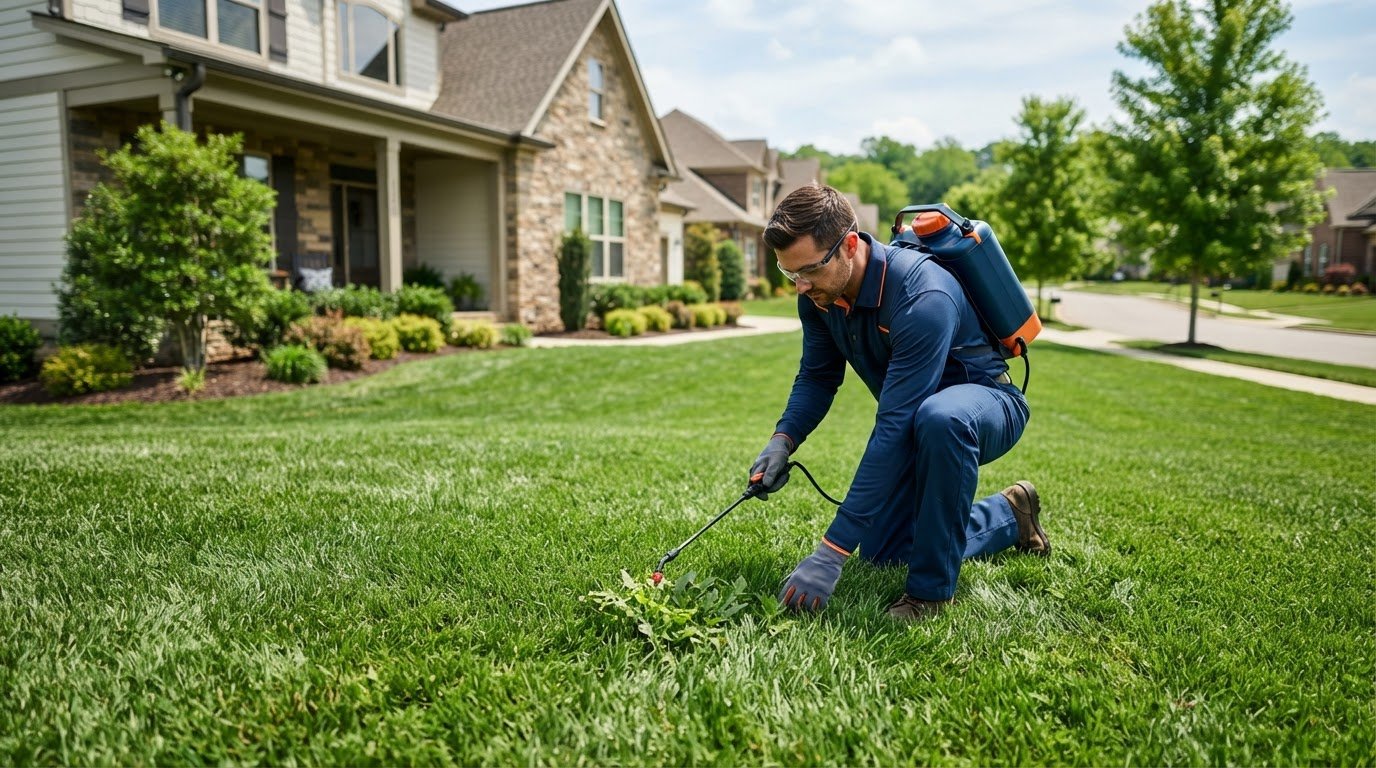
A flea and tick yard spray is an outdoor treatment intended to reduce targeted pest populations in selected parts of a property. Its results depend on the pest, treatment approach, site conditions, and product directions. No yard application should be treated as a promise of a pest-free property.
Fleas have several life stages, including eggs, larvae, pupae, and adults. A treatment’s usefulness depends in part on which stages its directions say it targets. Learn more about the flea life cycle when considering what a yard treatment can reasonably accomplish.
Here’s a video related to outdoor flea and tick spray. Its title refers to pet safety, but assess any product according to its own label and your household’s circumstances.
Which yard areas may need attention?
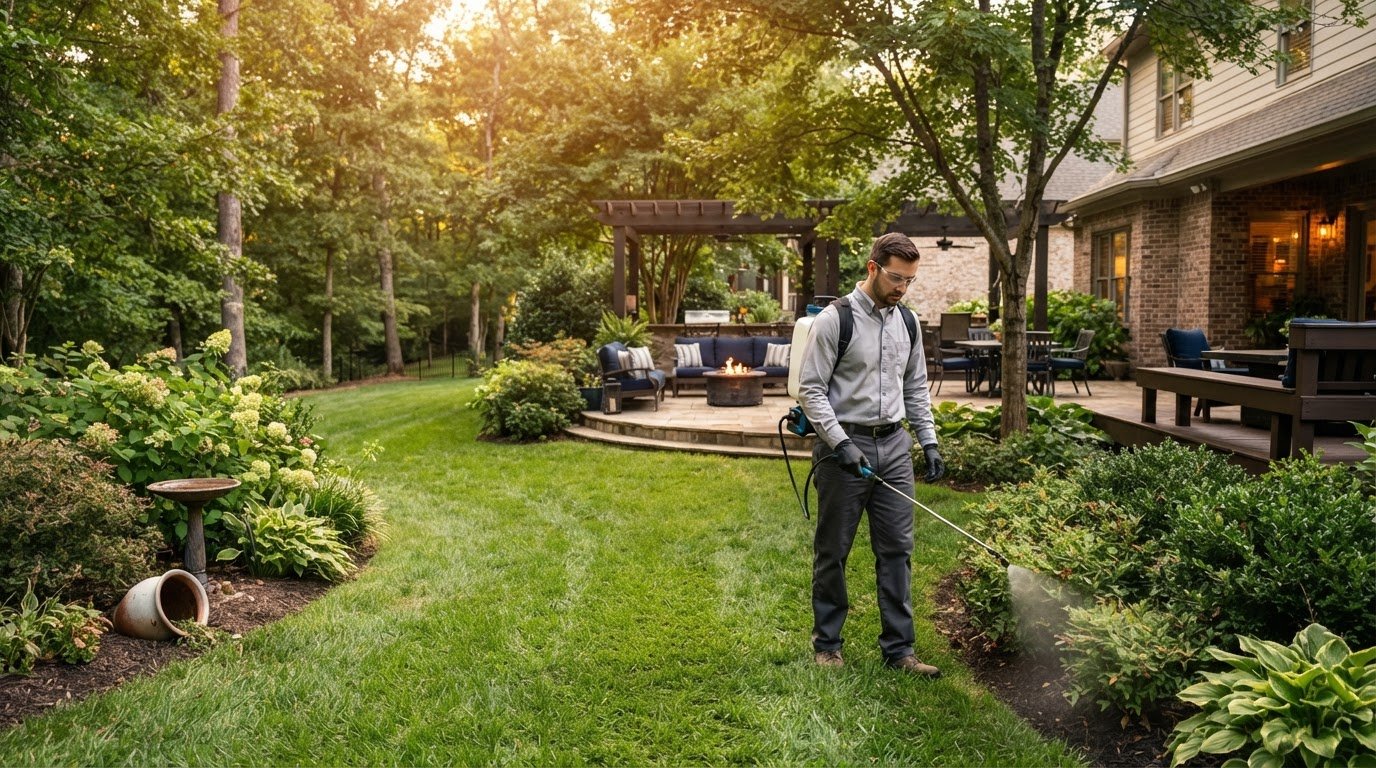
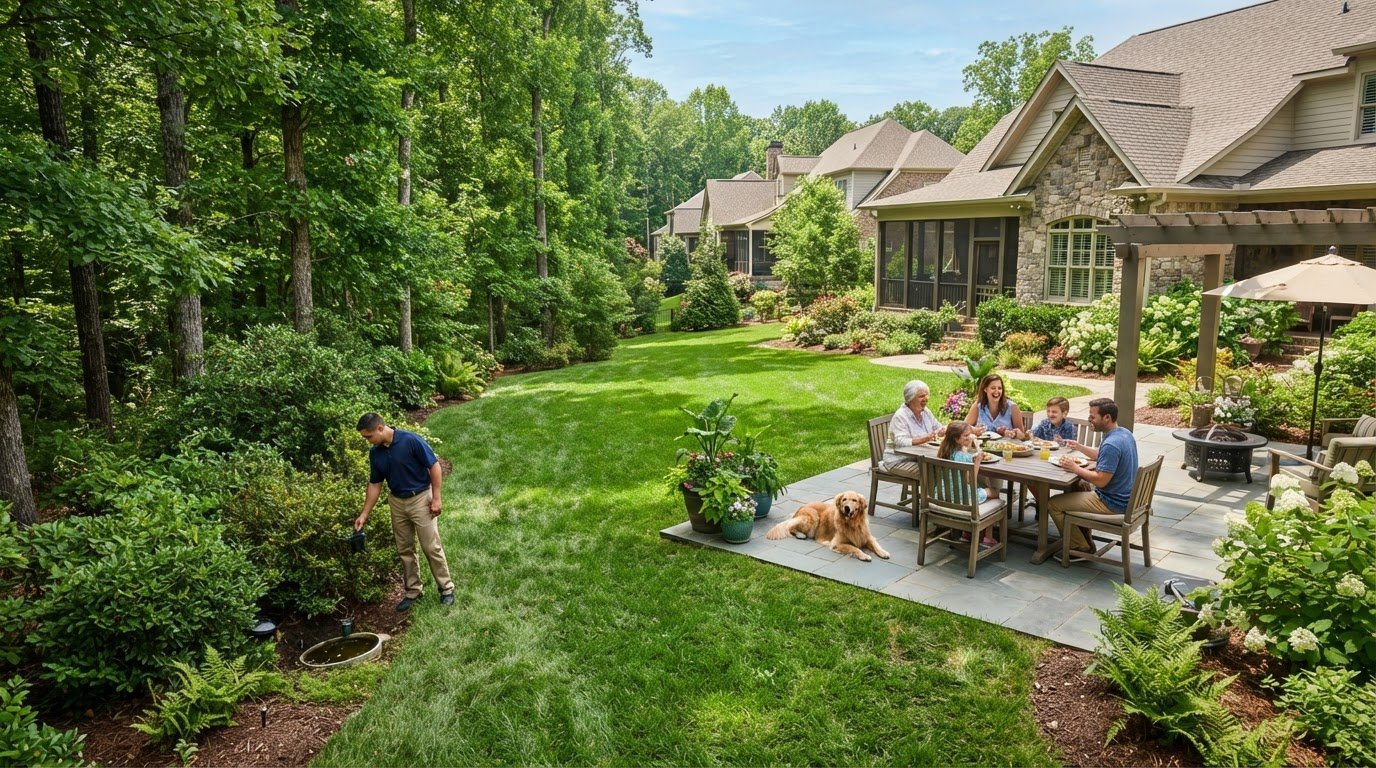
Start with how you use the property. Note where children play, where pets rest, and which paths people regularly take. Then look for vegetation, shaded edges, leaf litter, or overgrown areas that may provide shelter. These are useful places to assess, not guaranteed pest hotspots. Conditions and treatment needs differ from yard to yard.
This assessment can help you decide whether particular areas warrant attention instead of assuming the whole lawn needs the same treatment. Check the product label for approved application sites, directions, and precautions around people, pets, plants, and outdoor features.
Flea and tick yard spray versus other treatments
Outdoor yard applications, pet medications, and indoor pest treatments have different uses. A yard spray is intended for specified outdoor areas. It isn’t a substitute for a veterinarian-recommended flea or tick preventative for a pet, and it shouldn’t be used on an animal unless its label specifically allows that use. Indoor products address indoor settings, not outdoor yard conditions.
Outdoor yard treatment targets pests in selected outdoor areas; pet-specific prevention is designed for the animal and should be discussed with a veterinarian. The approaches may complement each other, but neither guarantees that pests won’t enter the yard or reach a pet. Performance Lawns, INC provides residential flea and tick treatments in Middle Tennessee. Ask whether service is suitable for your property and circumstances.
How Flea and Tick Yard Treatments Work in Middle Tennessee
A yard treatment is most useful when it matches the pest and the areas being addressed. Fleas and ticks don’t necessarily use every part of a property in the same way. Assessing the yard can help determine whether treatment should focus on particular outdoor spaces rather than being applied indiscriminately across the whole lawn.
Suitability also depends on the product and its directions. Formulations and instructions vary, so don’t assume products share the same target pests, approved sites, or precautions for people and pets. Read and follow the complete label, including application instructions, protective measures, and directions for when people and animals can return to treated areas. The EPA flea and tick control guidance also discusses steps around the home that can complement pesticide use.
Why site assessment matters before treatment
A property’s layout and everyday use help make an assessment specific. Note where pets rest, where children play, and which outdoor spaces your household uses regularly. Consider transitions between lawn, vegetation, and shaded edges, too. These details can help a homeowner or pest professional discuss where attention may be appropriate without assuming every yard has the same pest activity or needs.
Local timing also requires care. Pest activity can vary with weather and other conditions, so don’t rely on a generic calendar as a guarantee of when treatment is needed. Before acting on seasonal claims for Middle Tennessee, verify them with reliable Tennessee sources, such as the Tennessee Department of Agriculture or Tennessee Department of Health.
What a spray application cannot guarantee
A treatment addresses the conditions and target pests considered at the time of application. Weather, changes in the yard, and new pest activity can affect what happens afterward. A flea and tick yard spray therefore shouldn’t be described as providing permanent protection, a fixed period of control, or complete elimination. Follow-up timing should come from the product label or a qualified provider’s guidance, not an assumed universal schedule.
Results depend on the target pest, the site, the timing, and the product directions. Treatment can target pest populations, but outdoor conditions remain changeable. If you’re considering a professional option, you can ask about treatment suitability for your property and circumstances.
DIY Flea and Tick Yard Spray vs. Professional Treatment
Choosing between a DIY product and professional treatment comes down to the yard, the label, and your comfort applying the product as directed. Neither option is automatically safer, more effective, or less expensive for every household. Check that a DIY product is labeled for the pest and outdoor setting you’re addressing. A professional assessment may help clarify which areas could warrant attention.
Before deciding, consider whether you can identify the areas of concern, understand the directions, and apply the product as instructed. The EPA guidance on controlling fleas and ticks also describes steps around the home that can complement pesticide use. No treatment is universally safe for every person, pet, or yard. Read the label and consider your household’s specific circumstances.
When a homeowner might consider a DIY product
A DIY flea and tick yard spray may be an option if its label covers the intended outdoor setting and target pest, and you can follow its directions. Check the application method, listed precautions, and instructions about keeping people and pets away during and after application. Don’t assume directions for one product apply to another.
If the label is unclear, or you’re unsure whether the product fits your yard or household, pause before applying it. Ask a qualified pest professional rather than guessing about use or safety.
When to ask a local professional
A professional assessment may help if pest concerns persist, the property is difficult to evaluate, or you’re uncertain which areas warrant attention. A provider can discuss an approach and its limitations in relation to your yard. Ask what directions and precautions apply to your property, including when people and pets can return to treated areas.
Performance Lawns, INC offers residential lawn pest control targeting fleas and ticks in Middle Tennessee. Confirm current availability for your city and property, and ask whether the service suits your circumstances. For more local context, see Mt. Juliet Lawn Pest Treatment: Family Protection 2026. If you’re weighing professional treatment, you can ask about flea and tick service suitability.
How to Prepare Your Yard for Flea and Tick Treatment
Good preparation starts with clear information, not a one-size-fits-all chore list. Before using a flea and tick yard spray or scheduling professional treatment, identify the concern, review the product directions, and clarify questions about your property. The right steps depend on the product, the areas being treated, and how your household uses the yard.
For homeowners in Mt. Juliet, Lebanon, Gallatin, Hendersonville, and nearby Middle Tennessee communities, this checklist can help organize the conversation. Advice from another property or a general online timeline may not apply to your treatment.
- Note where you’ve observed pests and where people and pets regularly spend time.
- Ask which pests and yard areas the treatment is intended to address.
- Review label directions and precautions for application, people, pets, and re-entry.
- Confirm property preparation and post-treatment steps with the applicator.
- Write down questions about expected results, limitations, or possible follow-up.
Questions to ask before an application
Ask what the treatment is designed to target and which parts of the property are included. Then check what the product label says about application and precautions around people and pets, including when they can return to treated areas. If you’re working with an applicator, ask which preparation steps apply to your yard instead of relying on a generic checklist.
Set expectations before treatment, too. Ask what results are reasonable, what the treatment may not address, and whether follow-up could be appropriate. The answers should fit the pest concern, property, and product directions, not promise identical outcomes for every yard.
What to do after treatment
After an application, follow the applicator’s instructions and the product label. Don’t substitute a waiting period or care schedule found online, because directions can differ by product and treatment. Keep a simple record of where and when you notice pest activity, along with any questions. That information can make a follow-up conversation more specific if concerns continue.
Identify the concern, confirm the label and property-specific instructions, then track observations and ask questions. If you’d like to discuss residential flea and tick treatment for your property, contact Performance Lawns, INC about treatment suitability.
Getting Local Flea and Tick Yard Treatment in Middle Tennessee
A local assessment may help if flea or tick concerns continue, you’re unsure which parts of the yard need attention, or product directions leave questions about how to proceed. A professional can discuss the property and treatment options while setting realistic expectations. Outdoor treatment targets pest populations; it can’t guarantee complete elimination or universal safety for every household and yard.
Performance Lawns, INC provides residential flea and tick control as part of its lawn pest control services in Mt. Juliet, Lebanon, Gallatin, Hendersonville, and Middle Tennessee. Availability can depend on your address and property, so confirm that your location is currently served before making plans.
What to share when requesting local service
Specific details make it easier to discuss whether an assessment is a fit. Describe what you’ve noticed, how the yard is laid out, and which outdoor areas your household uses most. For example, mention where pets rest or family members play, along with any areas where you’ve seen pest activity.
Raise questions about people and pets before treatment, including what product directions say about application and re-entry. If you’re also looking for pet-related guidance, Backyard Tick and Flea Treatment: Keeping Your Pets Safe is a relevant companion topic. Discuss pet-specific prevention with your veterinarian rather than assuming it’s covered by a yard application.
A practical next step for homeowners
Performance Lawns, INC focuses on lawn treatments and residential pest control, not mowing or landscaping. That distinction can help you decide whether the service matches what you need. Before proceeding, ask which pests and areas a proposed treatment is intended to address, what limitations to expect, and which label or applicator instructions apply to your property.
Share your observations and household questions to help evaluate the options without assuming a spray will solve every pest concern. For related reading, see Backyard Tick and Flea Treatment: Keeping Your Pets Safe.
If you’re considering a flea and tick yard spray or professional treatment, confirm current availability for your address and discuss your property’s needs with Performance Lawns, INC. Contact Performance Lawns, INC about flea and tick treatment to start that conversation.
Choose a Yard Treatment Plan With Confidence
A thoughtful flea and tick yard spray decision starts with the property, not a promise of blanket protection. Match treatment to the pest and areas of concern, follow the exact label and safety directions, and ask questions if you’re unsure what your yard needs. Professional guidance can help clarify options, but results depend on conditions and aren’t a guarantee of a pest-free yard.
Performance Lawns has over 15 years of experience and provides residential lawn pest control targeting fleas, ticks, and mosquitoes. Service coverage includes Mt. Juliet, Lebanon, Gallatin, and Hendersonville. Confirm current availability for your address and ask whether treatment is suitable for your property and household circumstances.
Ready to discuss your yard and treatment questions? Contact Performance Lawns about local flea and tick yard treatment. Clear information and realistic expectations can help you choose a considered next step.
Frequently Asked Questions
Does flea and tick yard spray really work?
It can help reduce targeted outdoor flea or tick populations when the product and application suit the pest and property. Results depend on the target pest, site conditions, timing, treatment approach, and label directions. A flea and tick yard spray doesn’t guarantee a pest-free yard, and an application may not address every pest source or life stage. Assess the yard and follow the product label to set realistic expectations.
Is flea and tick yard spray safe for pets?
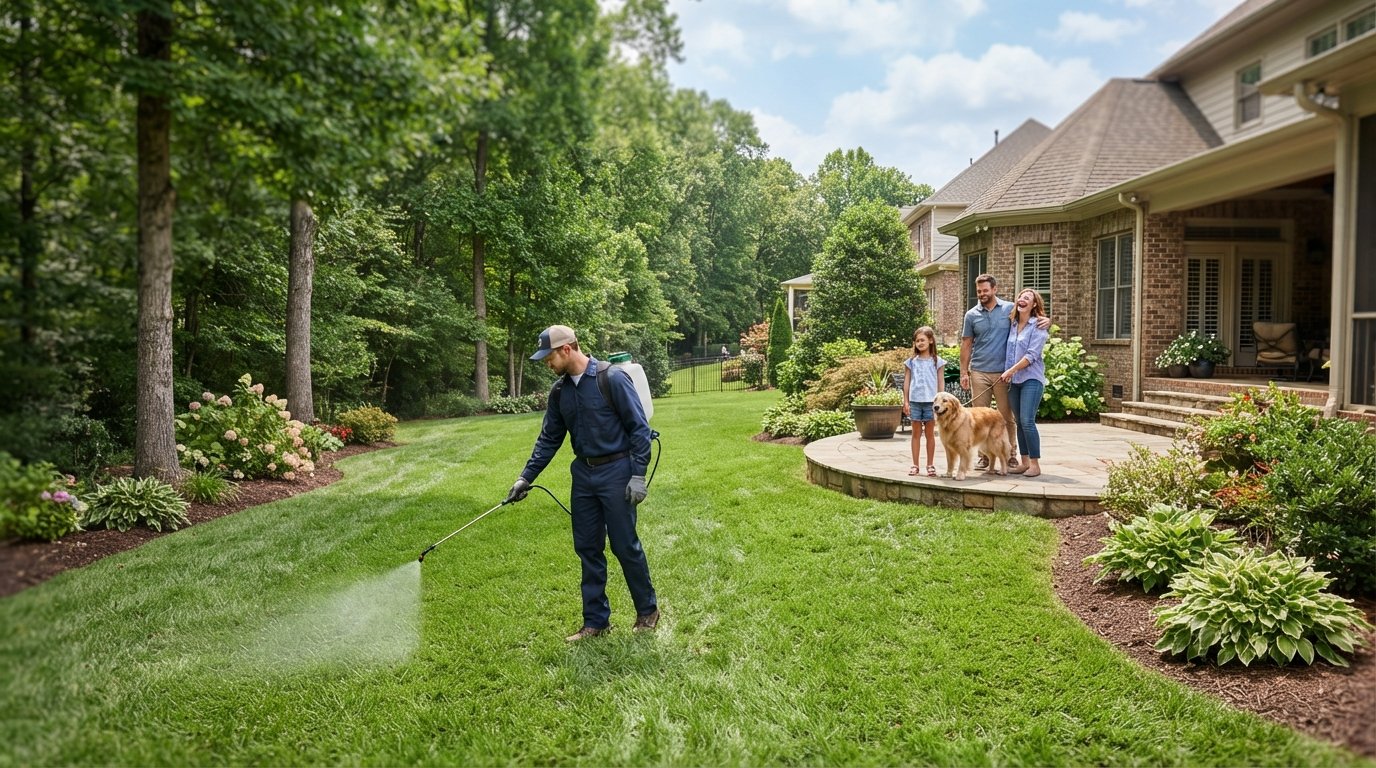
No product should be assumed safe for every pet or yard. Safety depends on the specific product, how it’s used, and its label precautions. Use a yard product only as directed, including instructions about keeping pets away during application and before they return. Yard spray isn’t a substitute for pet-specific flea or tick prevention. Ask your veterinarian about prevention for your animal, and ask the applicator about precautions for your property.
How long should pets stay off the yard after spraying?
Follow the product label or applicator’s re-entry instructions. There isn’t one waiting period for every treatment. Check the directions before applying a DIY product, or ask the provider when pets can return to treated areas. If you can’t confirm the instructions, keep pets away and get clarification before allowing access. Don’t rely on a generic online timeline, since products and application directions differ.
Can I spray my yard for fleas and ticks myself?
A homeowner may use a DIY product when its label covers the intended outdoor setting and target pest, and they can follow every direction and precaution. Review the application instructions and guidance for people and pets before starting. Don’t use a product on pets unless its label specifically allows that use. If you can’t tell whether the product fits your yard, ask a qualified pest professional rather than guessing.
What parts of a yard should flea and tick spray target?
That depends on the property and where pests may be active. Consider how your household uses the yard, including play areas, pet resting spots, and regularly used paths. Vegetation, shaded edges, and other sheltered areas can be useful assessment prompts, but not every yard has the same hotspots or treatment needs. Follow the product label for approved application sites, or ask an applicator which areas the treatment is intended to address.
When should I contact a professional for flea and tick yard treatment?
Consider asking a professional if pest concerns persist, you’re unsure which areas need attention, or product directions leave you uncertain about application and precautions. Performance Lawns provides residential lawn pest control targeting fleas, ticks, and mosquitoes in Mt. Juliet, Lebanon, Gallatin, Hendersonville, and Middle Tennessee. Describe your yard and household questions, then confirm current service availability for your address and whether treatment suits your circumstances. Contact Performance Lawns to discuss local flea and tick treatment.