

The cost of outdoor mosquito barrier treatment in Hendersonville depends on the property’s size, vegetation, and treatment area. Performance Lawns, INC provides a quote based on the individual property.
It’s reasonable to want clear expectations before arranging yard treatment. You’ll learn what can affect the cost, how application time and protection may vary, and how weather, including rain, can factor into treatment planning.
Before treatment, identify the outdoor areas your household uses and flag children’s play spaces, pet routes, plants, and pollinator-friendly beds. Removing standing water and clearing access to dense landscaping can also help address mosquito breeding and resting areas.
How much should I expect to pay for mosquito control?
In Hendersonville, mosquito control costs depend on the property and the work planned. A professional assessment can identify mosquito-prone areas, such as shaded shrubs or places where rainwater collects. The estimate can then reflect the yard’s size, vegetation, access, and treatment scope. A price depends on the individual case and is provided after a quote request.
For outdoor spaces in Hendersonville, Lebanon, Gallatin, and Mt. Juliet, property details are more useful than a broad citywide estimate. A yard beside a wooded edge may have different mosquito resting areas from an open lot with little shade. Dense landscaping, standing water, and the spaces residents use most can also shape the treatment plan.
A useful assessment looks beyond the lawn to shrubs, shaded landscaping, mulch, and outdoor containers that can hold water. In summer, mosquitoes can complete their life cycle from egg to adult in a week or less, depending on water temperature. Emptying containers weekly helps reduce breeding sites. Refresh birdbath water at least once a week, too.
Timing matters because warm, humid summers and rainstorms can leave standing water around Hendersonville properties. An assessment before outdoor activity peaks can help identify breeding and resting areas early. Mosquito activity can change with weather, property features, and nearby water sources, so treatment planning should reflect current conditions.
Public agencies and private residential treatments serve different purposes. Public mosquito-control programs address community concerns, while a private assessment focuses on a specific property and its outdoor spaces. A quote should make the treatment area and planned work clear. For a question about Hendersonville or Sumner County rules, distinguish public agency activity from a residential application: the assessment should identify the product and application plan for the property, rather than assume public practices apply to private yards.
Health concerns can also shape how residents think about prevention. About 80% of people infected with West Nile virus do not show symptoms, according to the Centers for Disease Control and Prevention. That figure doesn’t predict an individual’s risk, but it underscores why reducing mosquito breeding sites and considering yard conditions can be worthwhile. An assessment helps connect those practical steps with the property’s specific layout.
Prevention is important, too. A professional assessment can identify potential problem areas that routine yard work may miss.
If it rains after treatment, will it affect the results?
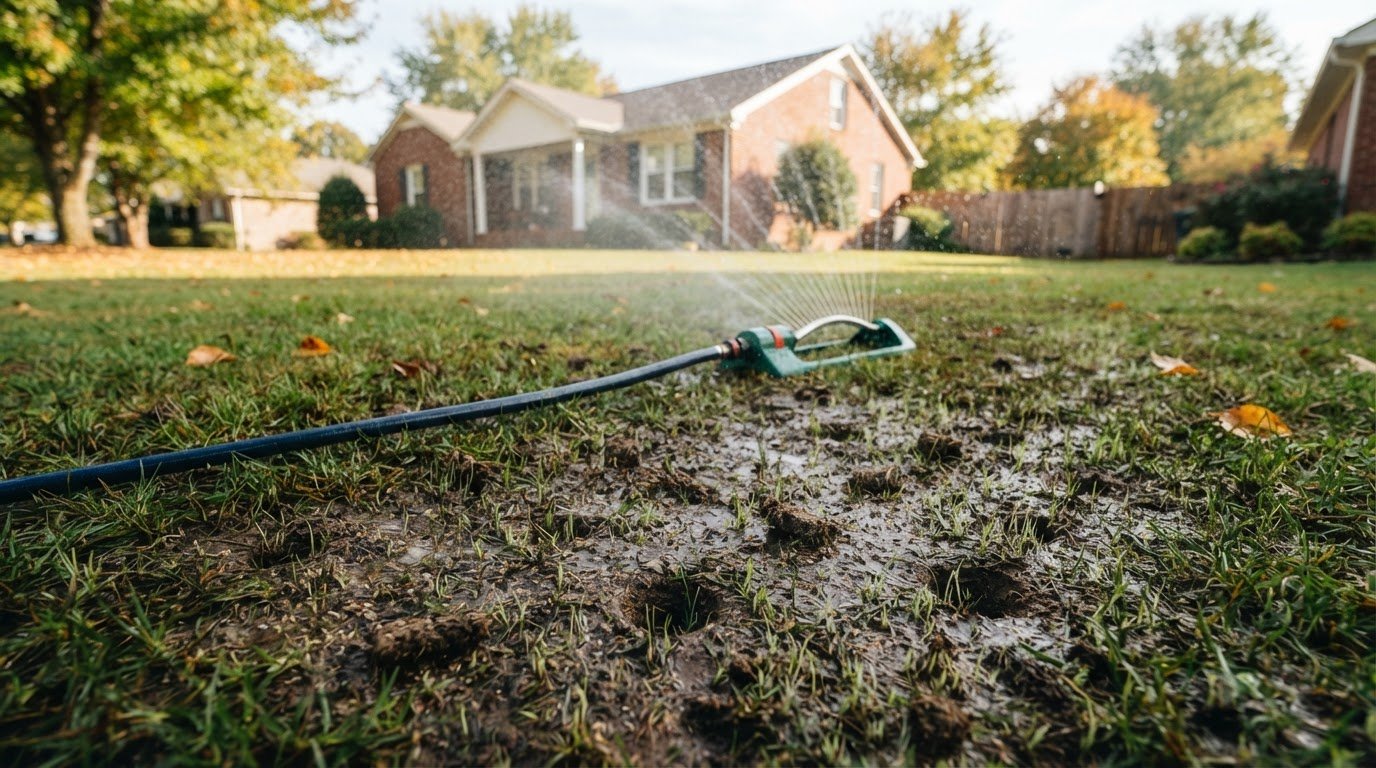
Rainfall is one weather factor that can influence mosquito-control results. Its effect depends on timing, intensity, and which surfaces received treatment. A brief shower differs from prolonged rain that leaves standing water in containers or low spots. Because weather and property features affect results, technicians consider the forecast and the yard’s conditions when planning service.
No recurring schedule fits every Hendersonville property. Weather and mosquito activity affect when treatment is needed, while rain can create breeding sites by filling containers, clogged gutters, or other water-holding spots. Draining those sources addresses breeding conditions, while treatment focuses on outdoor areas where mosquitoes rest.
Before scheduling, share useful details such as recent rainfall, areas that stay damp, and any access constraints. A backyard gathering or a locked gate, for example, can affect access to treatment areas. Clear communication helps align the visit with the property and household plans.
After rain, note what changed rather than assuming treatment needs immediate repetition. Useful details include:
- The date and approximate timing of rainfall relative to treatment.
- Whether rain was brief or continued long enough to leave standing water.
- Which areas were exposed, such as open turf, dense shrubs, or a covered patio.
- Any new water accumulation in containers, drains, or low spots.
These observations give technicians practical context when discussing mosquito activity and future scheduling. A damp, shaded bed beside a deck may have different conditions from an exposed lawn. Weather, vegetation, and nearby breeding sources all affect results, so a recurring plan should account for the property’s changing conditions.
A quote request is the practical first step for discussing a property-specific treatment plan and scheduling. Include the address, the outdoor areas of concern, and any timing constraints; those details help frame the conversation. A free quote shouldn’t be assumed unless the quote terms say so. For questions about rain and appointment timing, send a mosquito treatment scheduling message with the rainfall details and your preferred timing.
Adult mosquitoes emerge from pupae after 1 to 2 days. The UC IPM guidance recommends changing bird-bath water at least once a week to reduce mosquitoes.
In a 2018 and 2019 North Chicago Suburbs lab sample, about 78.5% of Culex pipiens mosquitoes exposed to Sumithrin died after 45 minutes; about 83.3% of Culex pipiens mosquitoes exposed to permethrin died after 45 minutes.
Barrier spray application time and protection duration
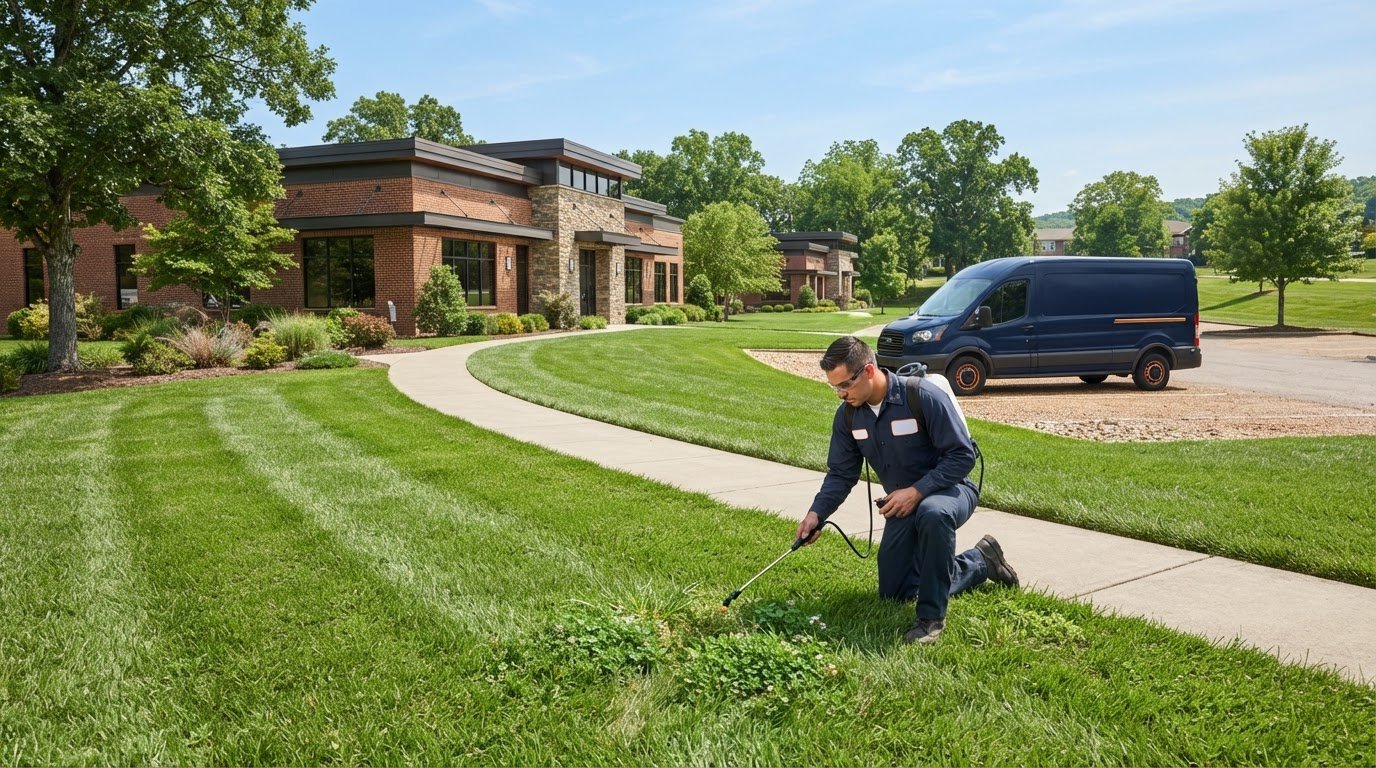
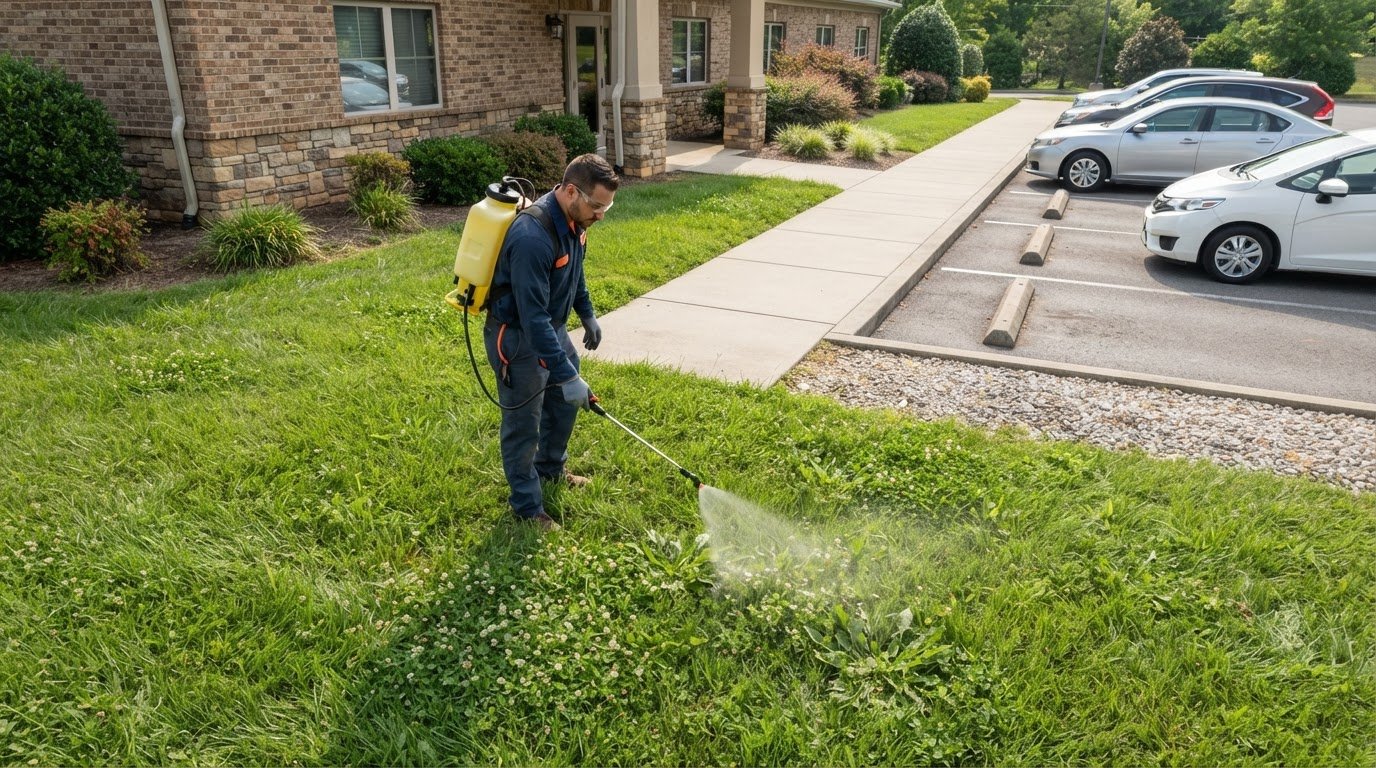
Barrier treatment is commonly applied as a mist or spray to surfaces where adult mosquitoes rest, such as plant leaves, turf, mulch, and shaded landscaping. The work involved depends on how much of the property needs coverage. A compact yard with accessible beds differs from one with dense shrubs, multiple planting areas, and a wooded edge.
Coverage matters more than a quick pass across open lawn. Mosquitoes may rest in shaded shrubs, so treatment planning considers suitable vegetation and other sheltered areas. Fences, outdoor furniture, and narrow planting beds can affect access. Clearing the way beforehand helps technicians reach the areas being treated.
Protection does not last the same amount of time in every yard. Weather, property features, and mosquito activity all affect results. A shaded garden exposed to repeated rainfall has different conditions from an open yard with fewer sheltered places. Nearby breeding areas can also contribute to new mosquito activity between visits.
Barrier treatments require repeated applications each year to remain effective. Timing depends on local mosquito activity and how the yard is used. A household that spends evenings on a shaded patio may prioritize the nearby shrubs and planting beds. Properties with several outdoor seating areas may need a plan that addresses each space.
Think of service as part of seasonal yard care, not a one-time calendar event. Between visits, note where mosquitoes gather, such as a hedge beside the patio or a damp corner near a deck. These details can inform future treatment planning. If outdoor activities shift from a porch to a garden seating area, the areas needing attention may shift as well.
Application timing also needs to fit household routines. Before service, identify the outdoor spaces that matter most and any access limits, such as a locked gate. During scheduling, share those details so the treatment plan can account for the property layout. The residential mosquito control approach focuses on treating relevant outdoor areas, with repeat visits supporting seasonal management.
After treatment, observe mosquito activity across the treated areas rather than judging results from one spot. A quiet patio and a shaded hedge may have different activity levels. Weather and nearby conditions continue to change, making thorough coverage and recurring service important parts of outdoor mosquito management.
Damp, shaded mosquito resting areas
Mosquitoes often rest in shrubs and shaded landscaping, where leaves shelter them from sun and wind. In a Hendersonville yard, dense hedges beside a porch, groundcover beneath a deck, and overgrown borders can provide tucked-away resting places. Identifying these areas helps focus treatment on the places adult mosquitoes use, rather than open lawn alone.
Dampness is another clue. A shaded bed that stays wet after rain, a low corner near a downspout, or foliage crowded against a fence can hold moisture and limit airflow. Where practical, thin overgrown vegetation to improve airflow and make dense plantings easier to inspect. This can also open access to shrubs and leaf-covered surfaces where mosquitoes may rest.
You can reduce outdoor mosquito breeding without relying only on barrier treatment. Remove standing water, improve drainage around low spots, and use outdoor fans in seating areas. Natural plant extracts and oils can repel mosquitoes for up to several hours. These measures address different conditions, so combining source reduction with practical protection supports a more complete plan.
Prepare the yard to make the treatment visit more focused. Move chairs, toys, and other movable items away from dense shrubs, and make gates accessible. Point out damp hedges or shaded corners where mosquitoes gather. Clear access helps technicians reach the relevant foliage and surfaces, including narrow planting beds.
For example, a homeowner with a shaded patio can identify the hedge behind the seating area and the groundcover along the fence. Trimming those plants where practical improves airflow, while removing leaf litter exposes surfaces for inspection. If a downspout leaves water pooled beside the bed, correcting that drainage issue addresses a source of persistent dampness, not just adult resting cover.
After preparation, keep the yard layout consistent long enough for technicians to access the identified areas. Store small items, secure pets indoors during service, and communicate which spaces need attention, such as a side path or garden seating area. Avoid cutting back every shrub; targeted trimming can preserve useful landscaping while opening dense growth where airflow is poor.
Between applications, recheck shaded beds after rain, clear debris from drainage paths, and notice if vegetation has grown thick again. A simple record of problem spots, such as “hedge beside patio” or “wet corner near shed,” gives technicians useful context for future visits. In Hendersonville, these property-specific observations help focus attention on damp, sheltered resting areas.
Safety for children, pets, plants, and pollinators
Barrier treatments vary by product, so the same chemical or formulation is not used for every yard. Applications commonly use a mist or spray on leaves, turf, mulch, and other surfaces. Results vary with weather, property features, and mosquito activity.
Before treatment, identify children’s play areas, pet routes, water bowls, edible plants, and flowering beds. These details help define the spaces that need attention and the precautions to follow. For example, point out a dog’s usual path through a hedge or toys kept beside the patio.
Keep children and pets away from the application area during treatment, and follow the product-specific directions for re-entry and other precautions. Don’t assume every product has identical instructions. The product and treated surfaces determine the relevant guidance, so keep that information available for everyone who uses the yard.
Identify vegetable beds, herbs, and delicate ornamentals before treatment. Flowering plants can attract pollinators, so point out blooms near shrubs or borders. Treatment planning should account for these locations and clarify which surfaces are treated. Clear communication helps focus work on relevant mosquito resting areas.
Nearby applications call for a simple precaution: stay indoors and shut windows while a neighbor’s barrier treatment is being applied. This reduces exposure during the spray process. If outdoor furniture, children’s toys, or pet supplies sit near the property line, move them away from the application area before work begins.
Results depend on more than the product. Weather, vegetation, and mosquito activity all matter, and barrier treatments require repeated applications each year. A shaded hedge beside a patio may need attention because mosquitoes rest in landscaping, but conditions around the yard can change and bring new activity.
Before an appointment, make a short list of play spaces, pet areas, flowering plants, and vegetable beds. Move bowls and toys away from treatment zones, and make relevant areas accessible. These steps help technicians understand how the household uses its outdoor spaces and plan the application accordingly.
For a property-specific discussion, contact the treatment team about yard safety and share the locations children, pets, and pollinators use most. Clear details support a practical conversation about the treatment area, product instructions, and precautions for the household.
Formulations vary by product. Treatments are commonly applied as a mist or spray to leaves, turf, mulch, and other surfaces. Results depend on weather, vegetation, property features, and mosquito activity, and barrier treatments require repeated applications each year.
Performance Lawns: Lawn Treatments
Performance Lawns, INC helps homeowners manage mosquitoes around the outdoor spaces they use every day. Its residential mosquito, tick, and flea control is a practical option when shaded landscaping or recurring mosquito activity makes the yard less comfortable.
Share which areas matter most, such as a patio, play space, or garden border. This context helps shape treatment planning around the property and household routines. For broader lawn care, Performance Lawns, INC also provides fertilizer and weed control, plus residential aeration and overseeding.
For a conversation about residential mosquito control for your yard, contact Performance Lawns, INC.
Make your next outdoor season easier to plan
Start by choosing the outdoor area you most want to enjoy, whether that’s a patio, play space, or shaded garden path. Identifying the space and what gets in the way gives the treatment conversation a practical starting point, based on how your household uses the yard.
For outdoor mosquito barrier treatment in Hendersonville, discuss your property’s layout, the areas that matter most, and household considerations that shape treatment planning. Performance Lawns, INC provides residential mosquito control with a plan focused on the yard and its use.
Bring your questions about the outdoor spaces you want to use and the conditions you’ve noticed there. A clear conversation can help you decide what makes sense for your property and seasonal plans. Contact Performance Lawns, INC to discuss treatment for your yard, and take a thoughtful step toward enjoying more time outdoors.
Frequently Asked Questions
How long does it take to do barrier spray treatment, and how long will it last?
The time needed for treatment and how long results last depend on the property’s layout, treatment area, weather, and mosquito activity. Dense planting beds require different coverage planning from an open lawn. Consider which outdoor areas need attention and whether they are accessible. Rain, vegetation, and new mosquito activity can affect results after treatment.
What outdoor mosquito barrier treatment services are available in Hendersonville, Tennessee?
Performance Lawns, INC provides residential mosquito, tick, and flea control for Hendersonville homeowners. The service addresses outdoor pest concerns around residential properties, with treatment planning shaped by the yard and the areas residents use. For example, a homeowner might describe recurring mosquito activity near a patio or garden. Sharing those property details helps frame a useful discussion about treatment needs and the outdoor spaces involved.
Which pest control companies offer mosquito barrier treatments in Hendersonville?
Performance Lawns, INC offers residential mosquito, tick, and flea control in Hendersonville. If mosquitoes interfere with outdoor living, start by identifying the parts of your property where activity is most disruptive, such as a porch or seating area. This gives the service conversation a clear, property-focused starting point.
How much does outdoor mosquito barrier treatment cost in Hendersonville?
There’s no single cost for every Hendersonville property. The price depends on the individual case and is provided after a quote request. Yard size, treatment area, vegetation, access, and mosquito activity help shape the estimate. Have the property address and outdoor areas of concern ready for a useful quote discussion. A shaded garden and a small open patio may call for different plans.
How often should mosquito barrier treatments be applied in Hendersonville?
Barrier treatments require repeated applications each year to remain effective, but timing depends on local conditions. Hendersonville weather, vegetation, and mosquito activity can change a property’s needs through the season. A household that regularly uses its patio may prioritize that space as conditions shift. Scheduling should account for the actual yard, rather than follow a calendar without considering property conditions.
What areas of a yard does a mosquito barrier treatment cover?
Treatment may cover outdoor surfaces where mosquitoes rest, with the specific areas guided by the property assessment. For example, a home with a detached shed, side garden, or seating area may have distinct outdoor zones to discuss. Share which locations are used most and where activity is noticeable. That information helps define the intended treatment area instead of assuming every part of the property needs identical attention.
How long should people and pets stay away after mosquito barrier treatment?
Follow the directions for the specific product and application, since re-entry guidance can vary. Keep children and pets away from active application areas, and put away bowls, toys, and outdoor items beforehand. If a neighbor is receiving treatment, stay indoors and shut windows during application. These steps help reduce exposure during spraying without relying on an assumed waiting time.
What are the health and environmental risks of outdoor mosquito barrier treatments?
Potential concerns include exposure during application and contact with areas used by people, pets, plants, or pollinators. Precautions depend on the product and where it is applied. Point out flowering plants, pet routes, and children’s play areas before treatment. During a neighbor’s application, stay indoors with windows shut. Clear communication helps keep treatment planning focused on the yard and household needs.