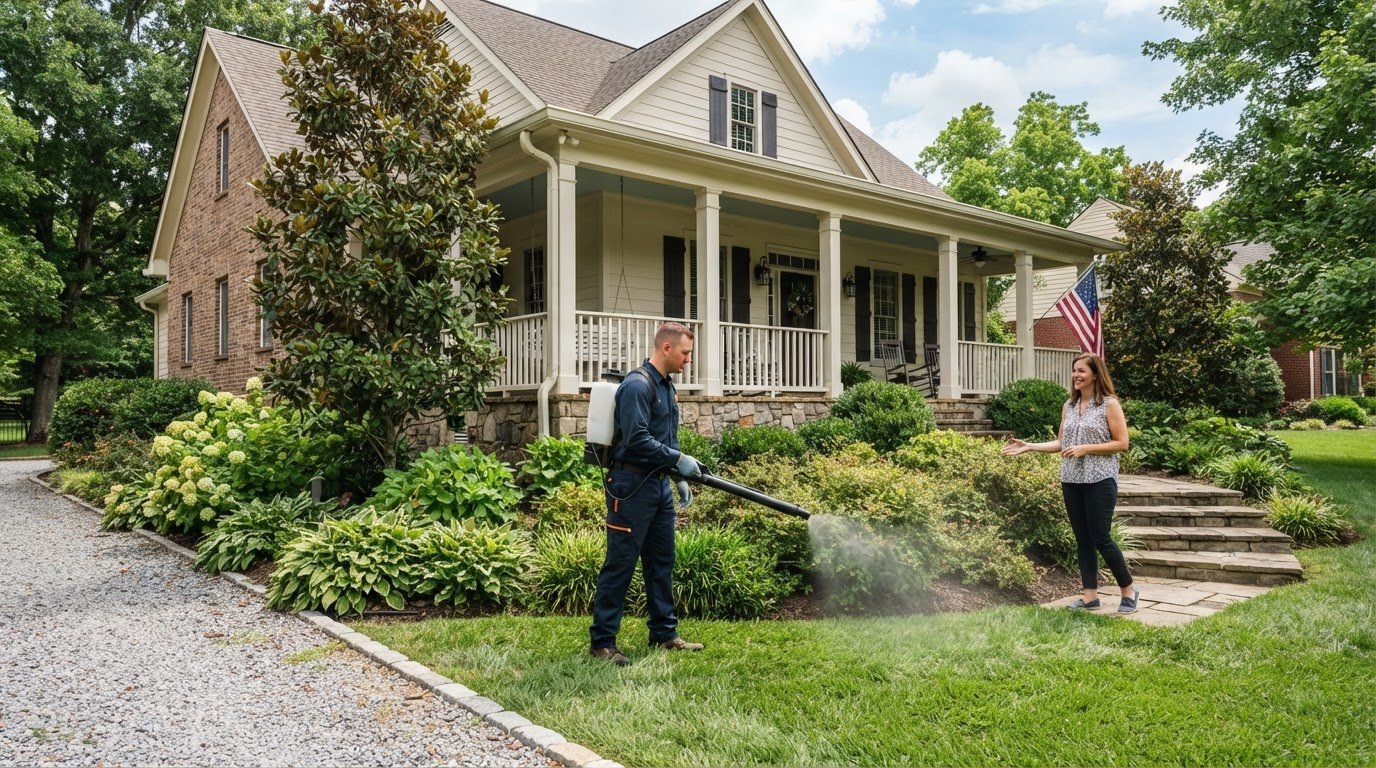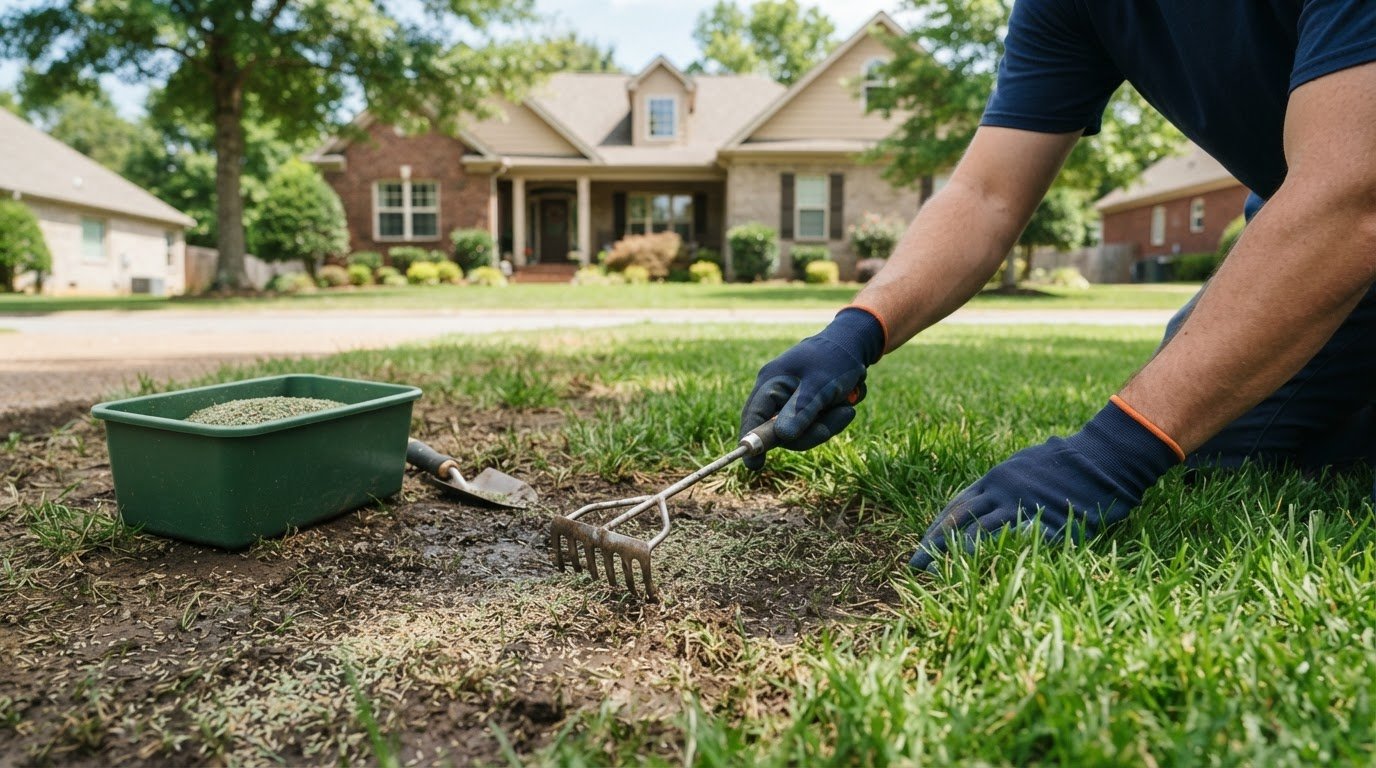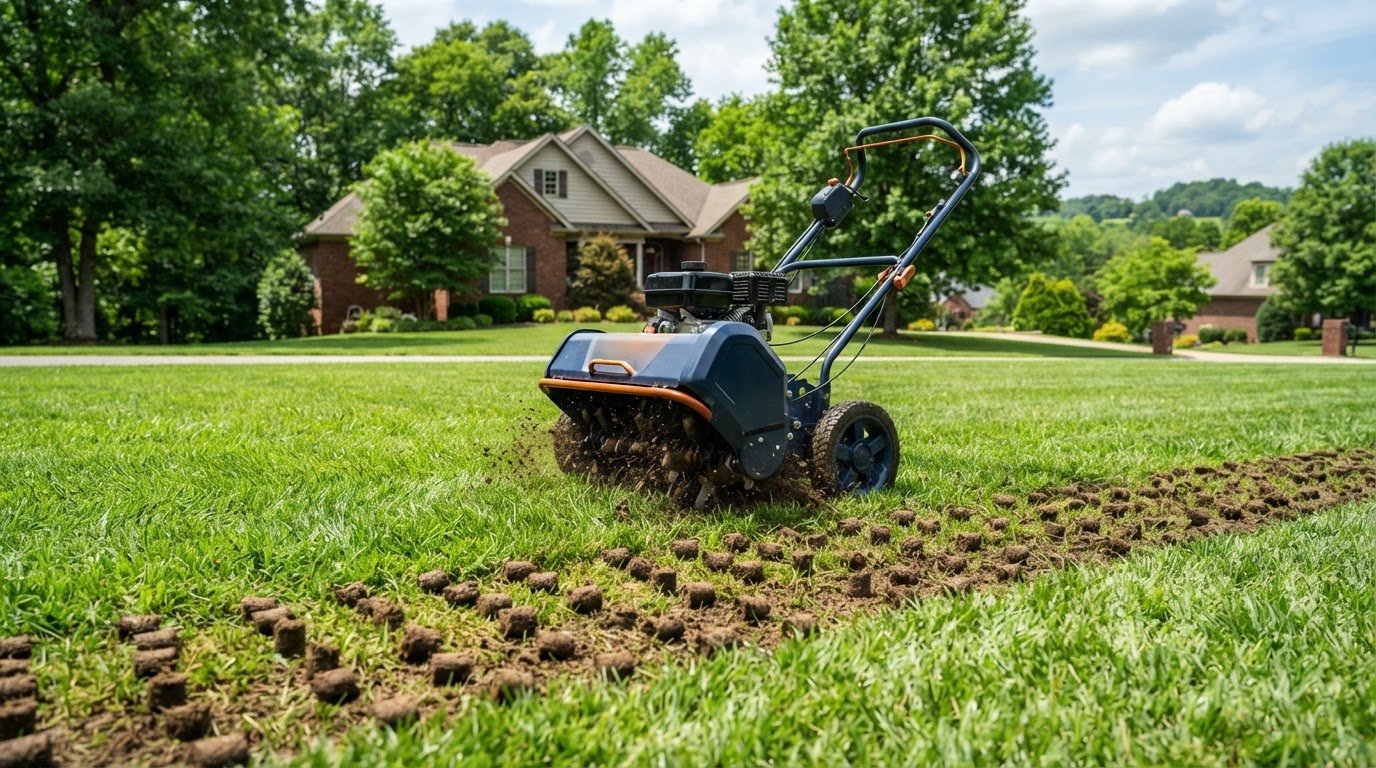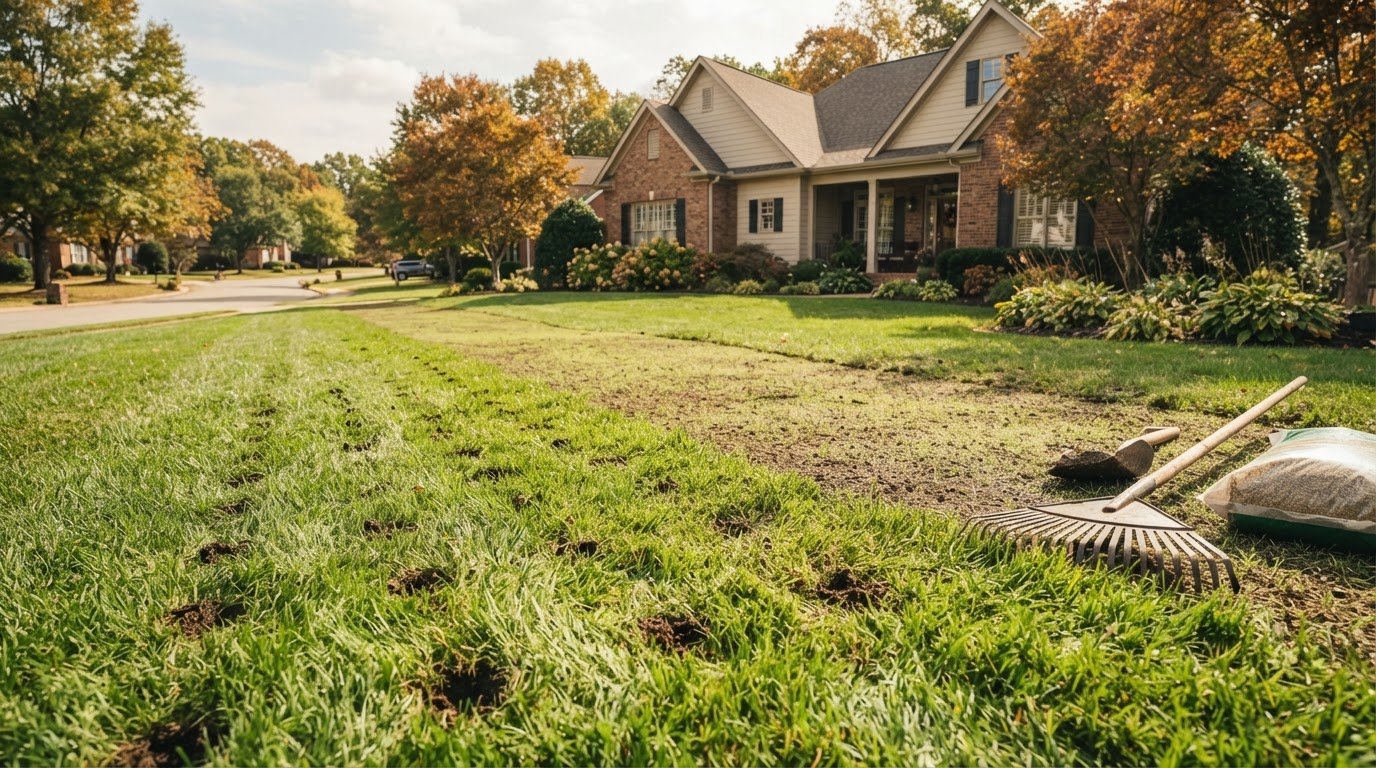


Commercial weed suppression services in Gallatin, TN, combine targeted weed control and fertilization to manage unwanted growth and support healthier commercial turf. The right treatment depends on the weeds present, grass type, and property condition. Consistent care can keep grounds looking orderly, though it does not promise a completely weed-free lawn.
Weeds can make business grounds look neglected, and a one-time treatment may not address the conditions that let them return. A practical plan manages weed pressure while supporting the grass, helping the property maintain a cleaner, more welcoming appearance.
This guide explains what commercial weed control can involve, how treatment plans account for Gallatin properties, and what affects service costs. It also covers why grassy weeds may need a different approach and how professional fertilization and weed control fit into ongoing commercial lawn care. Understanding the process can help you make a confident decision about your grounds.
What commercial weed control services are available in Gallatin, TN?
Commercial weed control in Gallatin typically combines targeted weed treatment with turf care. The approach depends on weed species, grass type, and each property’s condition. Gallatin’s warm summers and mild winters shape local growing conditions. A useful plan addresses visible weeds while supporting the surrounding turf, rather than treating every green plant as the same problem.
Treatment planning starts with assessing the property. A technician identifies the weeds, notes where they grow, and considers turf density and site conditions. Weeds scattered throughout a lawn, for example, may call for a different strategy than growth concentrated along pavement edges. Identifying the problem first helps determine whether to target existing weeds, reduce future emergence, or combine both approaches.
Commercial programs often use two complementary weed-control methods. Pre-emergent treatments target weeds before they appear, while post-emergent treatments address weeds already growing. The method and timing depend on weed type, turf, and seasonal growth. Neither is a universal solution: established weeds, missed treatment windows, and thin turf can all affect results.
- Pre-emergent weed control: Used to limit emergence from weed seeds in suitable areas. Timing follows the target weed’s growth cycle.
- Post-emergent treatment: Applied to identified, actively growing weeds. The product approach must suit both the weed and surrounding turf.
- Fertilization: Supports turf growth as part of a broader lawn-care plan. For example, thin grass can leave open space where weeds establish.
- Ongoing monitoring: Revisits treated areas and identifies new growth. Changes in weed type or location can inform later treatments.
Broadleaf and grassy weeds may require different treatment approaches. Dallisgrass and Johnsongrass are invasive grassy weeds that can be more challenging to manage than common broadleaf weeds. They may not respond to treatments used for typical lawn weeds, so a targeted approach may be recommended. Accurate identification is important: treating a grassy weed as a broadleaf weed can miss the problem.
Effective commercial weed suppression services in Gallatin, TN, account for a property’s turf and weed conditions, not just its size. A shopping-center lawn, office entrance, and roadside turf can each have different pressure points. Start by identifying the main weeds, reviewing turf health, and choosing suitable treatment methods. This helps set realistic expectations and supports a cleaner, healthier-looking landscape through ongoing weed management.
Which local companies provide commercial weed suppression in Gallatin, TN?
In Gallatin, commercial weed suppression is generally handled by lawn-care providers serving business properties. The relevant fit is a company offering commercial turf treatments, not simply mowing. A property manager can narrow the options by matching the service scope to the site: office grounds, retail entrances, and shared business landscapes have different priorities. Begin with the property’s needs, then compare the services described.
Look for a program that addresses both weeds and turf health. Treatment planning should account for the property’s grass type, visible weed pressure, and areas needing attention. A retail site may prioritize entrances and roadside edges, while an office campus may need consistent care across several lawn areas. A clear scope helps keep less visible sections from being overlooked.
Commercial providers may focus on lawn treatments or offer broader commercial lawn care. These scopes are not interchangeable. Lawn-treatment programs center on turf applications, while broader care may address other lawn needs. Match the service description to the work required. If weed suppression and fertilization are the priorities, a provider offering both can coordinate them in one lawn-care plan.
- Property coverage: Identify every turf area, including entrances, signs, and shared spaces.
- Treatment scope: Compare weed control and fertilization with broader commercial lawn care.
- Site-specific planning: Note turf types, bare patches, and recurring problem areas.
- Communication: Establish who receives service updates and manages property access.
Gallatin’s warm summers and mild winters make seasonal planning important for commercial turf care. Treatment timing should reflect local growing conditions and the weeds found on site. A shaded office lawn, for example, may need a different plan from open, sunny retail grounds. Exposure and turf condition help determine practical service priorities.
Before choosing a service, map the grounds and record the main concerns. Mark high-visibility areas, recurring weed patches, and places where turf appears thin. Then compare the service scope with your list. This gives property managers a concrete way to understand coverage, treatment focus, and ongoing care, rather than relying on broad claims.
For a Gallatin property needing commercial turf treatment, a focused discussion can clarify which areas need attention and how weed control fits the grounds’ wider care needs. Discuss your commercial lawn needs with a local lawn-care team.
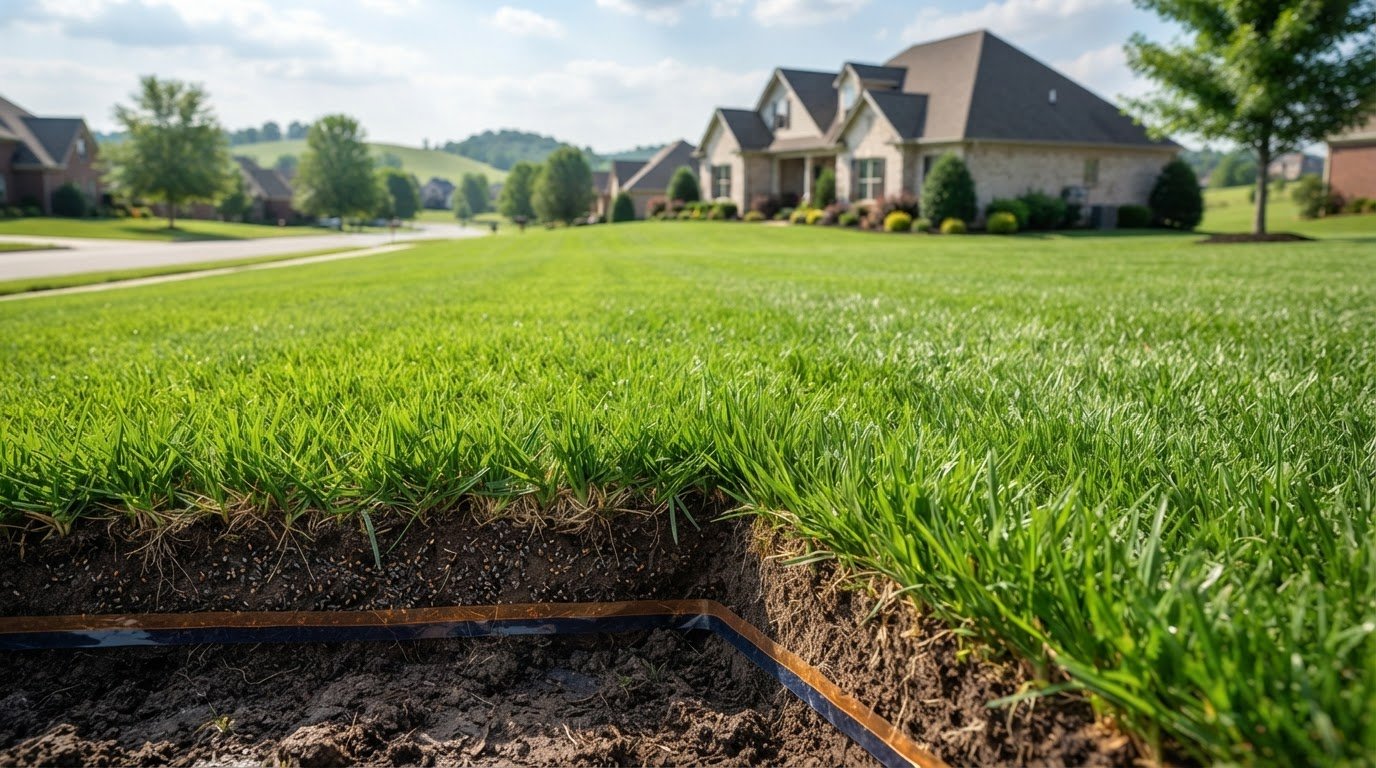
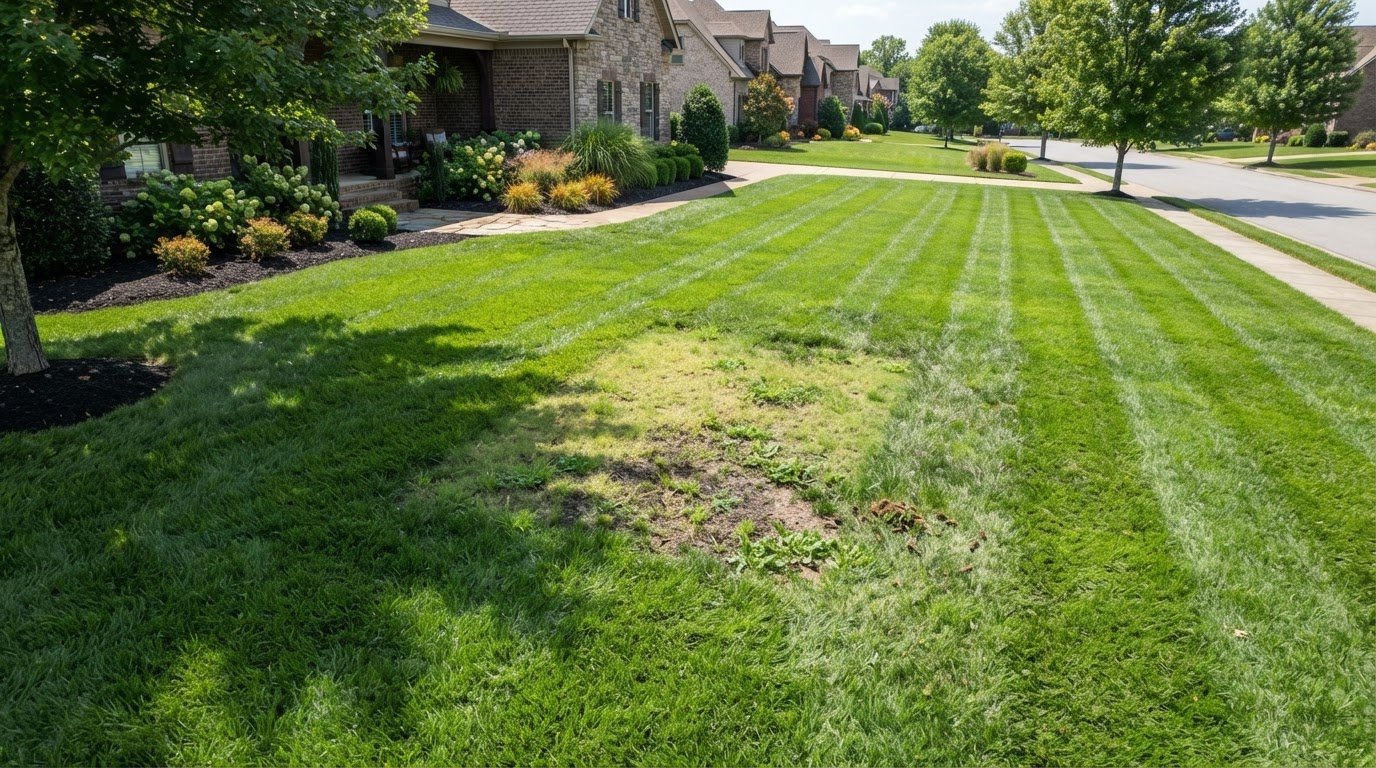
Ask the provider how it would assess turf that lifts easily, rather than treating every thin or damaged area as a weed problem. Grubs damage turf roots, which can make the turf pull up easily. A useful conversation can separate the weed-suppression scope from concerns about the turf itself and clarify whether the property needs an assessment before treatment choices are made. Have the provider identify the areas in question and explain what observations support its recommendation. That makes it easier to compare proposals on the work they actually address, while keeping the treatment plan tied to the site’s visible conditions and the property manager’s priorities.
What types of commercial properties and areas do weed suppression services cover?
Commercial weed suppression can cover many types of property in Gallatin, including office campuses, retail centers, medical buildings, and business parks. Each has different traffic patterns and landscaping priorities. A storefront entrance needs a neat appearance, while a campus lawn may need consistent care across broad turf areas. Defining the property’s purpose helps set treatment priorities.
Start coverage planning with a site map or a careful walk-through. Mark the turf areas needing attention, including front lawns, side strips, and rear grounds. Note slopes, shade, pavement edges, and planting beds. Weeds along a parking-lot curb, for example, may need separate attention from a shaded lawn beside an office. A clear map helps prevent missed sections.
- Office properties: Include entry lawns, sign areas, and shared outdoor spaces.
- Retail locations: Focus on storefront turf, parking islands, and visible road frontage.
- Business parks: Include building perimeters, common greens, and connecting lawn areas.
- Institutional sites: Consider grounds around schools, clinics, and community buildings.
- Industrial properties: Identify maintained turf near offices, gates, and visitor routes.
Property boundaries matter, but so do transitions. Turf beside sidewalks, curbs, fences, and building foundations can develop different weed pressure from open lawns. At a Gallatin retail center, parking islands and walkway edges deserve attention during a property review. Distinguish maintained turf from mulch beds, gravel, and other surfaces, since those areas may need different maintenance methods.
Grass type also affects service planning. Identify fescue and Bermuda sections separately. Bermuda grass that spreads into an established fescue lawn can be extremely difficult to eliminate completely. Management generally focuses on limiting its spread, reducing its presence, and keeping desired fescue healthy and competitive. Ongoing management or additional treatment strategies may be needed.
To organize coverage, create a location checklist. Record each turf zone, its grass type, visible weed concerns, and use. Note whether an area frames a main entrance or receives little foot traffic. These observations help prioritize treatment planning without overlooking less prominent grounds. For commercial properties in Gallatin, a defined scope links weed suppression to each landscape area’s appearance and function.
What weed control methods do local commercial providers use
Commercial turf treatments work best when planned around the property’s conditions. Start by identifying the weeds and grass in each area. A broadleaf weed in an office lawn, for example, calls for different consideration from grassy growth near a parking island. Gallatin’s warm summers and mild winters also shape seasonal turf growth, so treatment timing and method should suit local conditions.
Pre-emergent and post-emergent applications address different stages of weed growth. Pre-emergent products target germinating weeds before they appear; post-emergent treatments address weeds already growing in the turf. The choice depends on weed species, grass type, and lawn condition. Treating an established patch differs from planning for seasonal emergence across a larger lawn.
- Selective weed treatment: Targets identified weeds while considering nearby turf and plants.
- Fertilization: Supports turf growth, which can help dense grass compete for space.
- Spot treatment: Focuses attention on a defined patch, such as weeds beside a sign.
- Follow-up inspection: Checks treated areas and notes new growth or changing conditions.
Fertilization can support weed management by helping desirable grass grow more vigorously. The treatment should suit the turf and site conditions. A thin lawn near a busy entrance, for instance, may need attention to both weed pressure and turf health. Fertilizer alone does not control weeds, but it can contribute to a broader program when paired with suitable control methods.
Providers can also track how treatments affect the overall appearance of a site. A simple record can note the target area, visible changes, and turf condition after service. For example, a grounds manager may compare a treated patch with nearby turf during routine walks. These observations help clarify which areas need attention in future visits and whether the landscape’s priorities have shifted.
Site conditions also guide treatment decisions. During a property review, note shade, compacted ground, bare soil, and heavy foot traffic. A worn path near a commercial entrance, for example, may need turf-health attention alongside weed control. Follow-up observations show whether the treatment addressed the target and where the plan may need adjustment. This ongoing process supports weed suppression across Gallatin business grounds.
How often should commercial properties in Gallatin receive weed treatments
Commercial weed treatments follow seasonal growth, not one fixed calendar interval. Gallatin’s warm summers and mild winters mean treatment timing can span much of the growing season. The target weed, turf type, and property condition all shape the schedule. A plan addressing early-season growth, for example, differs from one responding to visible summer weeds. Regular visits also help managers track changing conditions.
Commercial turf schedules can spread applications across distinct seasonal windows. One schedule places early treatments from late winter into spring, then resumes later in the growing season. These dates illustrate a treatment sequence, not a universal calendar for every Gallatin property. The listed treatment windows are:
- First treatment: February through mid-March.
- Second treatment: Mid-March through April.
- Third treatment: April through mid-June.
- Fifth treatment: Mid-August through mid-October.
- Sixth treatment: Mid-October through November.
The windows overlap at seasonal boundaries, such as April and mid-October, reflecting a sequence of treatments as turf conditions change. The sequence includes a fourth treatment, but its timing is not included here. Use the listed windows to understand how a seasonal program may be distributed, rather than assuming every site receives identical visits.
Weed growth offers another guide. A property with new weeds near a curb may need different attention from a lawn with established patches. Record weed locations after each visit and compare them during the next inspection. Recurring growth beside a parking island, for instance, can flag an area for closer review. Treatment frequency should respond to weed type and turf conditions, not simply the calendar.
Fescue grounds need care beyond weed applications. Commercial fescue properties often require annual overseeding to remain dense. Overseeding supports turf density, while weed treatments address unwanted growth. Keeping these tasks distinct helps managers plan a complete seasonal program. A fescue site, for example, can schedule weed-control visits and annual overseeding as separate parts of its turf-care calendar.
Build the schedule around seasonal timing, observed weed pressure, and turf type. A written site log can track treatment dates, affected areas, and new growth across the property. That record helps managers discuss the grounds’ needs and plan appropriate follow-up. Discuss a commercial treatment schedule for your Gallatin property.
Puryear Farms schedules its first commercial turf treatment for February - Mid March, its second for Mid March - April, and its third for April - Mid June. Its fifth treatment is scheduled for Mid August - Mid October, followed by its sixth treatment from Mid October - November. These windows offer a reference for discussing how a commercial program may be arranged across the growing season, while site conditions guide each property’s needs. Keep the treatment schedule and required notices in view when planning work. Puryear Farms says commercial turf treatment notices are a legal requirement. Managers can include notice planning in treatment discussions and maintain a clear record of scheduled applications. Reviewing the seasonal sequence alongside observed weed growth helps keep follow-up focused on the property and its turf.
Performance Lawns, INC: Lawn Treatments
Performance Lawns, INC provides commercial fertilizer and weed control for properties that need consistent turf care. Its lawn treatments help manage common weeds while supporting healthier grass across business grounds. Property managers can discuss visible weed pressure, thin turf, and areas needing attention. Planning accounts for grass type and condition, particularly when grassy weeds need a targeted approach.
For commercial lawn care in Gallatin, Performance Lawns, INC provides a practical option when weeds affect maintained grounds. Contact Performance Lawns, INC to discuss your property’s lawn-treatment needs.
Set a Clear Plan for Your Commercial Grounds
Turn lawn concerns into a practical property plan by noting which areas matter most to tenants, visitors, and daily operations. Include trouble spots, preferred communication contacts, and site-access considerations. These details give Performance Lawns, INC a useful starting point for discussing treatment planning around how your grounds are used.
Choosing commercial weed suppression services in Gallatin, TN, is an opportunity to set priorities beyond appearance. A well-maintained landscape supports the impression your business makes, and attentive turf care reflects thoughtful property stewardship. Focus on a manageable plan that considers the site’s needs and supports ongoing care.
Performance Lawns, INC can discuss commercial lawn treatment needs and weed control goals for your property. Contact Performance Lawns, INC to discuss your commercial grounds, and take a confident next step toward a more carefully maintained landscape.