Good mosquito control starts with clear expectations, not a one-size-fits-all schedule. Mosquito spraying for residential properties in Lebanon, Tennessee, is available for homeowners who want to make outdoor spaces more comfortable. Treatment time and the re-entry period depend on the product used and its label directions.
It’s reasonable to ask how long a visit may take, when your family and pets can return outside, and what affects the cost before arranging service. These details matter when planning around your yard, a gathering, or everyday time outdoors.
This guide explains what residential mosquito spraying typically involves, which property features can affect treatment time and pricing, and how to prepare outdoor areas. You’ll also learn what to look for in treatment and re-entry instructions, so you can plan with greater confidence and make an informed decision for your property.
Is mosquito service available in Lebanon?
Yes, residential mosquito control is available in Lebanon, Tennessee. The right plan depends on the outdoor areas affected, your household’s routines, and the features of your property.
Lebanon Service Options and Property Types
Homeowners in Lebanon can seek residential mosquito control for outdoor living areas. Start by identifying where mosquitoes interfere most, such as a patio, garden, or shaded seating area. A property with dense planting may need different coverage priorities than an open lawn. Describe those locations and how your household uses them.
Professional treatments and do-it-yourself products work differently. A professional can assess several areas across a property and treat selected locations, while DIY products let homeowners address accessible spots themselves. Removing standing water targets mosquito habitat directly. BioMed Central identifies draining mosquito habitats as one way to help prevent mosquito bites, so pair practical water removal with a suitable treatment approach.
In Lebanon, plan around local mosquito activity and weather conditions. Pay attention as mosquitoes become active around the yard, then note where they gather. Tick concerns need separate attention: identify brushy borders or other places where ticks are found. Tick treatment considers habitat and life stages, rather than treating a mosquito application as a complete tick plan.
Products and Application Methods
Products and application methods vary with the treatment plan and the areas being addressed. A barrier application may target outdoor vegetation and sheltered resting places. Read the product directions and follow the stated instructions for application and re-entry, including precautions for children and pets. The phrase “family- and pet-friendly” alone doesn’t explain how to use a product around children, pets, gardens, or play areas.
Before treatment, list the locations of concern, such as a deck, shaded shrubs, and a garden path. Empty accessible standing water where practical, and point out water sources that need review. Move pet bowls and children’s toys away from treatment areas, and keep people and pets away as directed by the product instructions.
Risks to people, pets, and the environment depend on the product and how it’s applied. Keep treatment within the intended areas and follow label directions for nearby gardens and water. A site review, clear product instructions, and removal of accessible standing water are practical steps for managing mosquito activity around your Lebanon property.
Before choosing a schedule, ask how often applications are planned and whether timing can be adjusted to the property. No Mosquitoes For You says some competing companies may recommend 7 or more mosquito-control treatments for a season, while Waynes recommends consistent, year-round treatment outside homes as a way to prevent pest problems. In South Lebanon, Ohio, treatments are scheduled every 2-3 weeks during the season, and the recommended time to begin is early spring when temperatures regularly reach about 50°F. A mosquito barrier spray treatment there takes 10-20 minutes to apply, depending on yard size and landscaping density. For an event in South Lebanon, Ohio, the mosquito-spraying service recommends scheduling treatment 24-48 hours before the event. Ask a Lebanon provider what areas are covered, how weather affects timing, and what return visits include.
Insecticide and re-entry timing
Re-entry timing depends on the treatment instructions for the product applied. In South Lebanon, Ohio, people and pets can return to the outdoor space after 30 minutes. That interval is specific to the reported Ohio treatment, not a universal rule for Lebanon, Tennessee. Follow the instructions provided for your property, including any direction to wait longer.
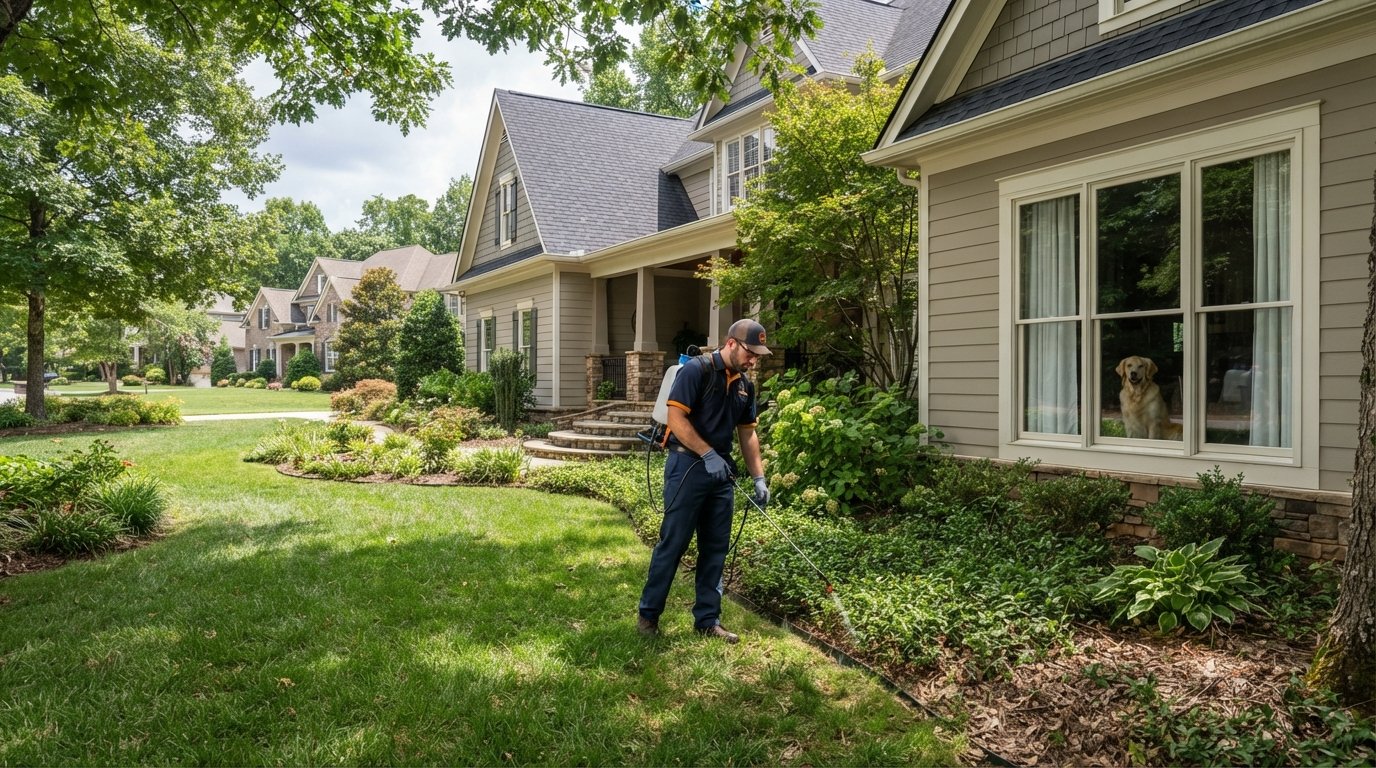
Before treatment, plan for people and pets to stay away from the areas being sprayed. Bring pets indoors, keep children out of the work area, and move toys, bowls, and outdoor cushions where practical. These steps help limit contact with treated surfaces during application. Point out vegetable gardens, play spaces, and pet areas before treatment begins.
After application, use the product directions to determine when treated spaces can be used. Don’t assume a dry-looking surface means the waiting period has ended. Keep pets from licking vegetation or walking through treated areas until the stated re-entry time has passed. If the instructions identify a specific area to avoid, keep that boundary in place.
Ask for clear information about the product and its application before service begins. Useful details include the areas being treated, precautions for children and pets, and re-entry timing. Written instructions can help everyone in the household follow the same steps, especially if someone returns home while treatment is underway.
Mosquito treatment has limits. Mosquitoes may remain in a treated yard if standing water persists, untreated areas provide shelter, or new insects enter the space. Empty accessible containers that collect water, such as plant saucers, and maintain the treatment area. These actions support treatment rather than replace it.
Mosquito bites can carry disease risks, so treatment is one part of an outdoor safety routine. Reduce exposure by using screens, covering skin outdoors, and avoiding areas with heavy mosquito activity. No yard treatment guarantees protection from bites or disease. Both product instructions and household precautions matter.
For a smooth visit, identify the outdoor spaces used most often and note any concerns about children, pets, or sensitive planting. Share those details before application, then keep household members away until the stated re-entry time. To discuss a property-specific plan, use the contact page.
Local pests in Lebanon's hot and humid climate
Homeowners in Lebanon, Tennessee, may encounter mosquito activity around shaded, damp outdoor spaces. Mosquitoes identified in the Lebanon area include Anopheles and Culex, both known disease transmitters. Their presence makes practical prevention worthwhile, but it doesn’t mean every yard has the same pest pressure. Note where mosquitoes gather and when outdoor activity becomes uncomfortable.
Check your property after rain or watering. Look for water in buckets, plant saucers, toys, clogged gutters, and low spots. Empty containers where practical, and note water sources that cannot be drained. BioMed Central identifies draining mosquito habitats as one way to help prevent mosquito bites. Removing standing water reduces potential breeding sites and supports pest control.
Anopheles and Culex are different mosquito genera, so a yard observation alone won’t identify the species. Avoid relying on appearance. Instead, record where and when bites occur, such as near a shaded patio at dusk or beside dense planting after rain. These notes help pest control services understand where activity affects your household and where an outdoor inspection should focus.
Hot, humid conditions can make shaded vegetation and damp corners important places to inspect. Check beneath shrubs, around outdoor seating, and near drainage areas. Mosquitoes may rest in sheltered spots between active periods, so looking only at open lawn can miss useful treatment areas. Keep a brief activity log, noting whether bites occur near the deck, garden, or entryway.
Not every yard concern involves mosquitoes. Ticks may be a concern around brushy edges, while fleas can affect areas used by pets. These pests need different attention from mosquito control. If you notice ticks on clothing or fleas near pet resting areas, record the location and mention it during an inspection. Don’t assume a mosquito-focused treatment addresses every pest.
A focused inspection connects pest activity with your property’s layout. Mark standing water, shaded vegetation, brush borders, and frequently used seating areas. Then prioritize places where people spend time and mosquitoes have been observed. For example, if a patio sits beside shrubs, note both the seating area and nearby vegetation rather than describing the entire property as one problem zone.
Residential pest control works best when observations are specific. Share which outdoor locations show activity, the conditions you noticed, and whether ticks or fleas are also a concern. Anopheles and Culex are the mosquito genera identified locally; naming them can help frame the discussion, but homeowners don’t need to diagnose species. Clear details support a targeted assessment and practical prevention steps.
Mosquito service pricing and property size
For residential mosquito treatment, property size is one factor in a quote, not the only one. A larger lot may have more locations needing attention, while a smaller yard can still contain dense planting, shaded corners, and several outdoor seating areas. The treated area and its layout help determine the work involved.
Estimate the full property area, then identify where mosquitoes are most active. For example, mark a patio beside shrubs, a garden near standing water, and a shaded area under trees. This gives a clearer picture than lot acreage alone because mosquito spraying for residential properties in Lebanon may focus on used spaces and mosquito resting areas.
Landscape density can affect how much inspection and application a yard needs. Open lawn, thick shrubs, and narrow planting beds each present different access and coverage considerations. A small, open patio may need a different treatment plan from a larger yard with several sheltered locations. These differences affect the quote alongside the total area.
Access matters, too. Gates, fenced sections, steep ground, and closely spaced planting can affect how a technician reaches treatment locations. Before requesting a quote, note these features and identify areas to leave outside the treatment plan. Clear details help align the proposed work with your property’s layout and household priorities.
The surroundings can influence mosquito activity and treatment planning. Standing water, dense vegetation, and shaded resting places create different demands across a property. For example, a yard with a water feature and a tree-lined boundary has distinct locations to assess. Removing accessible standing water can complement treatment, but it doesn’t replace a property-specific plan.
Price depends on the property and is provided after a quote request. Factors include property size, landscaping density, access, and the locations included in treatment. For a useful quote, share the estimated lot area, the outdoor spaces you use most, and where mosquito activity is strongest. Note separate areas, such as a side yard or detached seating space, so the requested coverage is clear.
Compare quotes by their stated scope, not just lot size or a broad service label. Check whether the proposed treatment covers the patio, shaded planting, and other priority locations you identified. A precise scope makes it easier to understand what the price covers and whether the plan suits your property’s layout.
Before requesting a quote, organize your notes into three points: approximate property size, high-activity locations, and access or landscaping features. This gives Performance Lawns, INC practical information for preparing an estimate. It also helps distinguish between treating the whole property and focusing on selected outdoor areas.
The advertised offer covers properties of half an acre or less; keep this limit in mind when requesting a quote.
Residential mosquito spraying in Lebanon, Tennessee
Residential mosquito spraying in Lebanon, Tennessee, should focus on the spaces your household actually uses. Note where mosquitoes are most noticeable and when they interrupt outdoor activities. A patio used in the evening, a garden path, and a shaded seating area may need different attention. Homeowners in nearby Mt. Juliet, Gallatin, and Hendersonville can use the same planning approach while describing their own outdoor spaces.
Make a simple property map before arranging treatment. Mark the house, outdoor seating, garden beds, dense shrubs, water features, and property edges. Note where mosquito activity is strongest. This helps distinguish frequently used areas from parts of the yard that need less attention. A tailored plan starts with these details, not just the overall lot shape.
Preparation is practical. Empty accessible standing water where possible, and make a note of sources you can’t safely or easily drain. Move outdoor items that could obstruct access to the treatment areas. Identify garden beds, play spaces, and pet areas so their locations are clear before application. Keep children and pets away as directed by the product instructions.
Homes near neighbors, schools, waterways, or gardens need careful attention to treatment boundaries. Keep application focused on intended areas, avoid drift onto neighboring spaces or water, and follow product label directions and applicable local requirements. One approach won’t suit every site: a garden beside a seating area raises different placement concerns than an open lawn.
Make the service discussion specific. Explain whether activity is concentrated near a deck, along shrubs, or beside a garden. Mention nearby sensitive areas and describe how you use the yard. If mosquito activity changes by location or time of day, include that pattern rather than describing the whole property as equally affected.
After application, follow the product directions for re-entry and any site-specific precautions. Keep the directions available for everyone in the household, including anyone caring for pets or tending the garden. Continue removing accessible standing water as part of routine yard care. These steps support a thoughtful approach without treating spraying as a substitute for property maintenance.
For a useful plan, bring together three things: a map of priority spaces, notes about mosquito activity, and details about nearby gardens or water. This helps make the treatment discussion relevant to your Lebanon property and its outdoor routines. Share your property’s mosquito concerns to discuss the next step.
Performance Lawns: Lawn Treatments
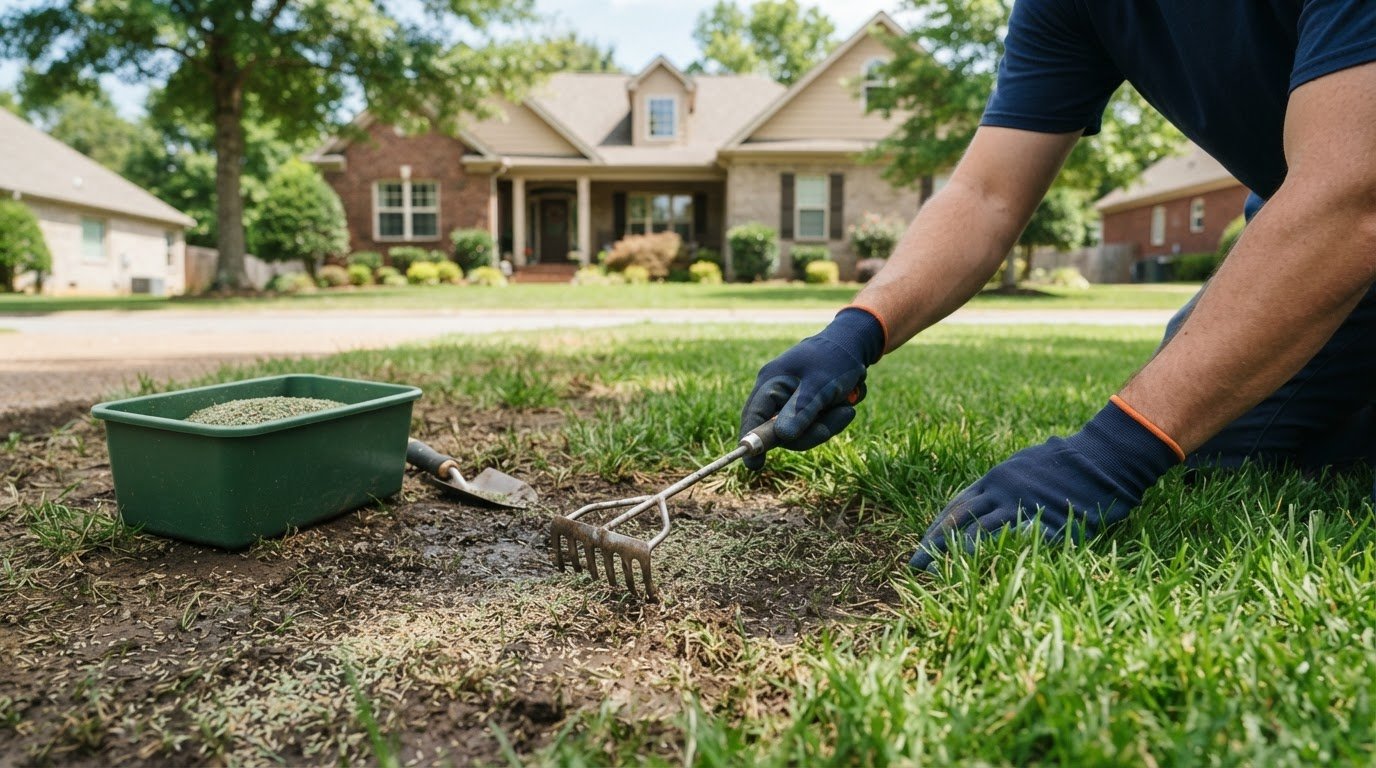
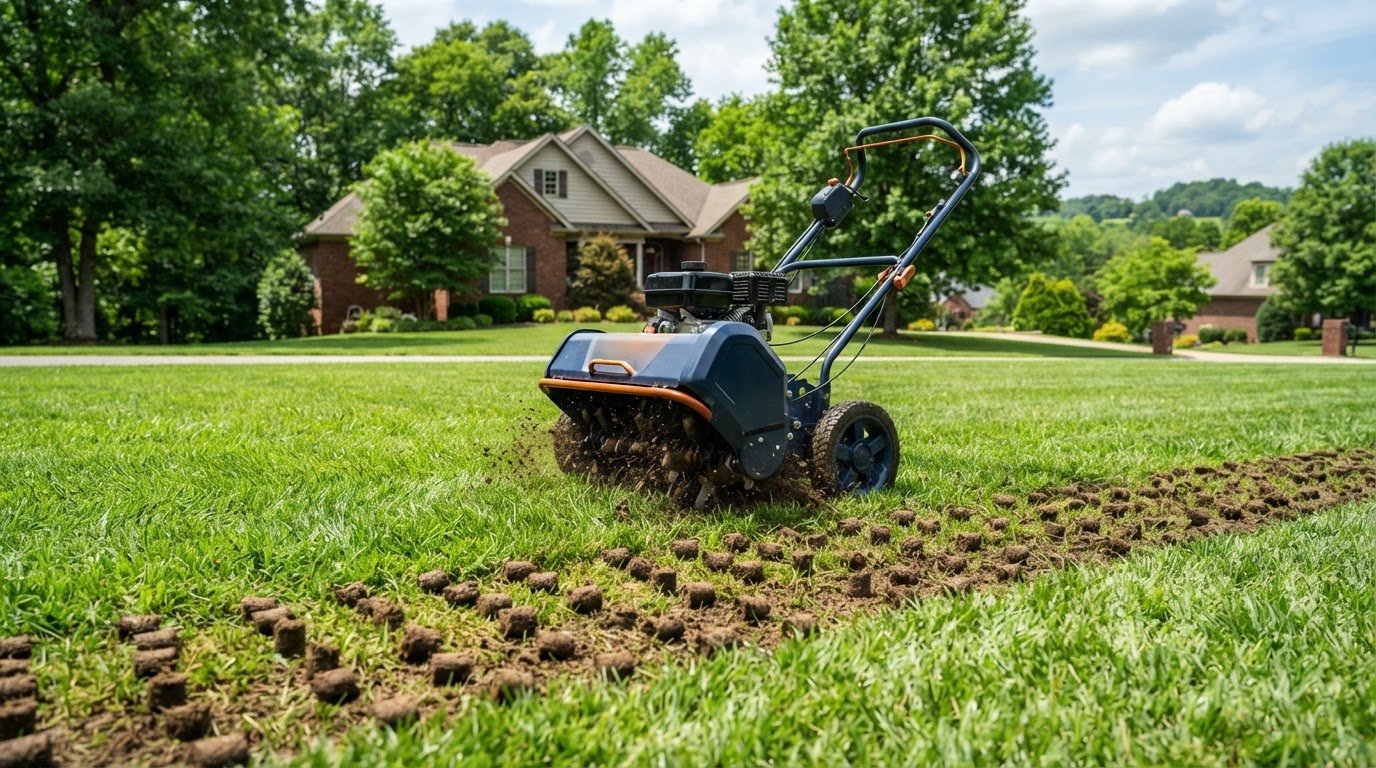
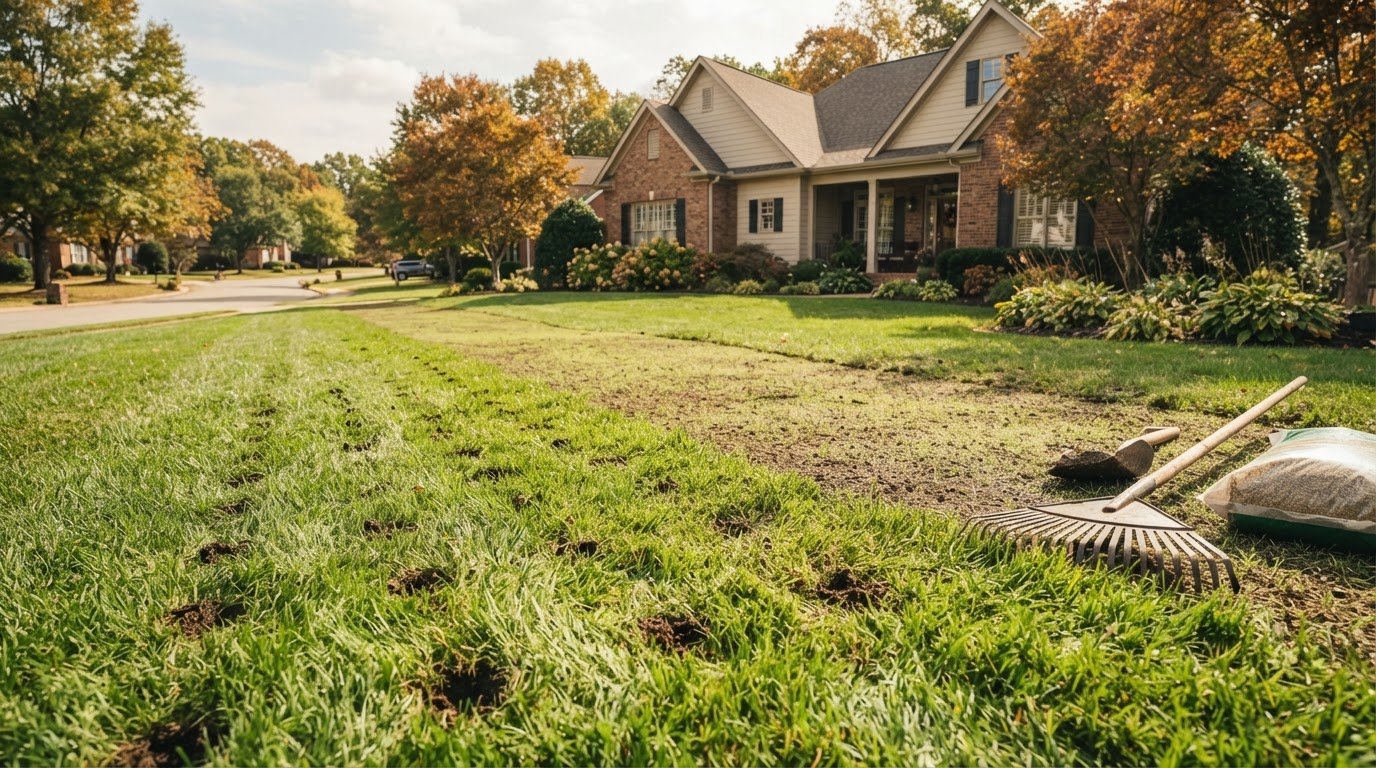
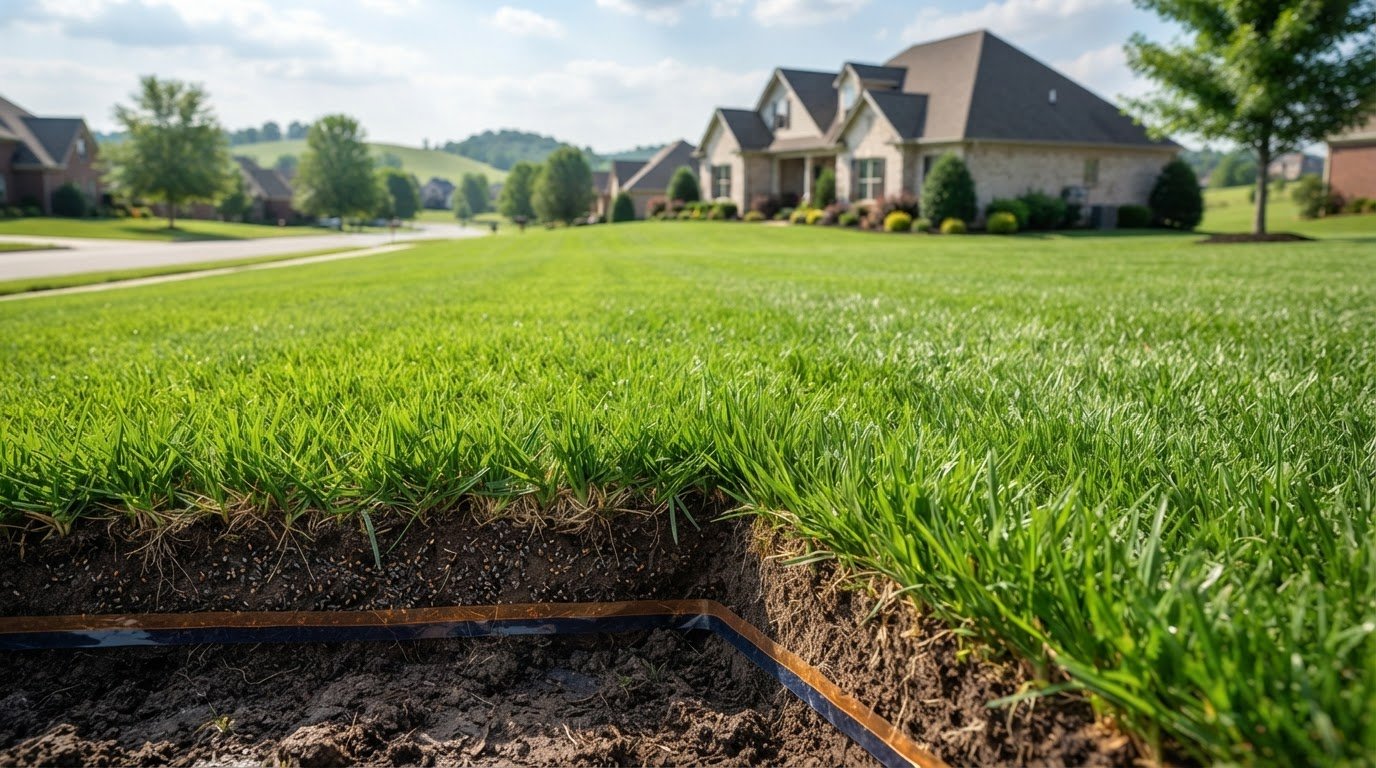
Performance Lawns helps homeowners care for healthy, attractive outdoor spaces through professional lawn treatments. Services include weed control and fertilization, residential aeration and overseeding, and lawn care. These services support turf health and address common lawn-care needs, complementing yard preparation and standing-water reduction.
For example, a lawn with thin turf may benefit from aeration and overseeding, while weed pressure may call for a focused weed-control and fertilization plan. The right service depends on your lawn’s condition and goals. Lawn treatments aren’t a substitute for mosquito control, but they can help maintain the surrounding property.
If you’re considering lawn care for your property, contact Performance Lawns to discuss your needs.
Plan Your Next Step for a More Comfortable Yard
Decide what you want from your outdoor space. A patio used for evening meals may need different attention than a garden visited briefly during the day. For mosquito spraying for residential properties in Lebanon, a clear picture of your household’s routines helps focus the conversation on the spaces that matter most.
Performance Lawns offers residential mosquito, tick, and flea control. Describe your outdoor priorities and the areas you want addressed to start a practical conversation about a plan suited to your property, rather than treating every yard alike.
Thoughtful pest control can support time outside while fitting the way your family uses the yard. Contact Performance Lawns to discuss residential mosquito service and take the next step toward enjoying your outdoor space with greater confidence.
Frequently Asked Questions
How long does it take to do barrier spray treatment, and how long will it last?
Application time depends on the yard’s size, landscaping density, and the outdoor areas included. A compact, open yard generally requires less coverage work than a property with dense planting and several separate spaces. Protection duration depends on the treatment used and its directions. Before planning outdoor activities, follow the specific re-entry instructions and treatment guidance for your property.
How much does mosquito control cost?
Mosquito control pricing depends on the property and treatment scope. For mosquito spraying for residential properties in Lebanon, factors include the area covered, landscaping density, access, and the outdoor locations needing attention. A clear estimate should describe the treatment scope. To make your request useful, note whether you want coverage for the whole yard or specific areas, such as a patio, garden, or shaded seating area.
How much does residential mosquito spraying cost in Lebanon, Ohio?
This article focuses on Lebanon, Tennessee, rather than Lebanon, Ohio. For mosquito spraying for residential properties in Lebanon, Tennessee, the quote depends on property size, landscape, access, and the locations included in treatment. Share where mosquitoes affect outdoor use, such as a deck or planted border, so the scope reflects your property. Lebanon, Ohio, is outside Performance Lawns’ local service area.
How often should a residential property be treated for mosquitoes in Lebanon?
Treatment frequency depends on the service plan, seasonal mosquito activity, and conditions around the property. Track where activity returns and whether it affects the same outdoor spaces, such as a patio or garden path. Note standing water or dense vegetation that may contribute to mosquito activity. These observations help assess whether the treatment schedule and coverage suit your household’s outdoor routines.
When is mosquito season in Lebanon, Ohio, and when should treatments begin?
This page addresses Lebanon, Tennessee, not Lebanon, Ohio. In Tennessee, use local mosquito activity and seasonal conditions to guide treatment planning, rather than relying on a date or temperature from another city. Watch for activity around outdoor spaces as the weather warms, and note where it appears. That information helps shape a seasonal plan around your property and how you use it.
What health and environmental risks are associated with residential mosquito spraying?
Risks to people, pets, and the environment depend on the product and how it is applied. Follow label directions, keep treatment within intended areas, and observe precautions for children, pets, gardens, and nearby water.