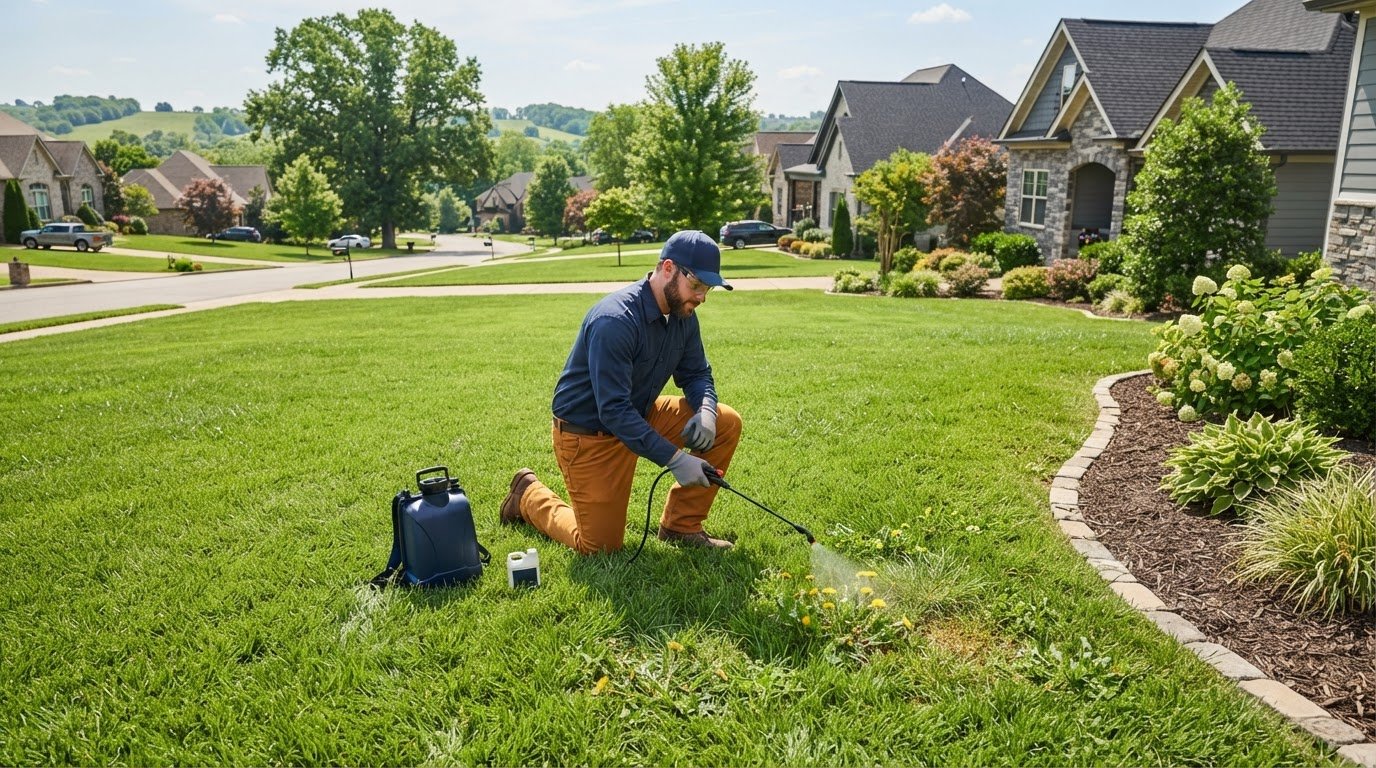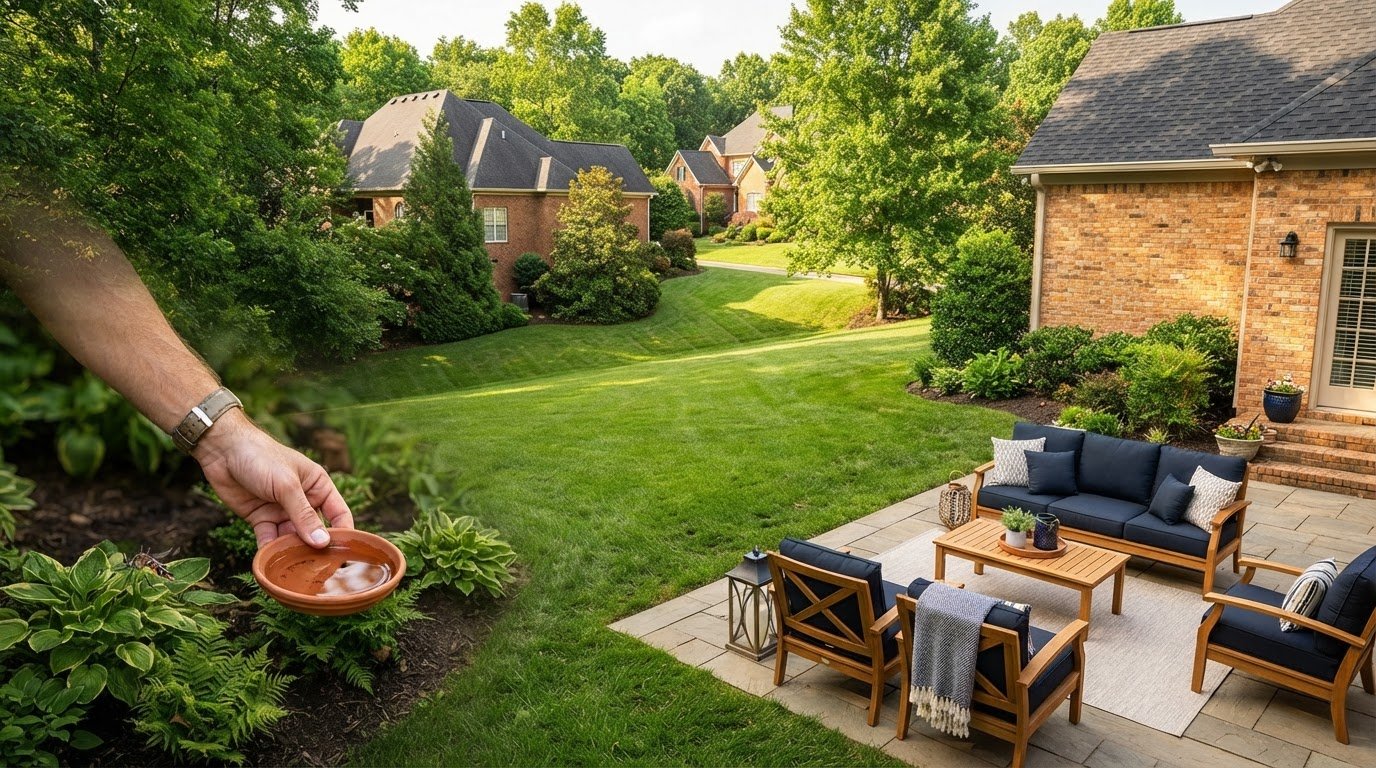


Pet safety depends on the product, where it’s applied, and its directions, so there isn’t one answer for every yard. Professional tick and flea treatment for yards in Hendersonville should focus on likely pest hotspots and account for product instructions around pets.
It’s understandable to want relief from fleas and ticks without adding uncertainty about your pets’ outdoor space. This guide explains how a professional tick and flea treatment for yards in Hendersonville addresses likely hotspots, what pet safety depends on, and why inspection and follow-up matter. You’ll also learn what to consider when evaluating professional tick and flea treatment for yards in Hendersonville, including flea-friendly conditions and the signs that may help guide a treatment decision.
Are flea and tick yard treatment pet safe?
Pet safety depends on the product, where it’s applied, and its directions, so there isn’t one answer for every yard. Professional tick and flea treatment for yards in Hendersonville should focus on likely pest hotspots and account for product instructions around pets.
Flea and tick activity can continue year-round, with more activity during warmer months. Fleas develop in warm temperatures between 70 and 90 degrees, while warm, humid conditions support reproduction. An inspection can identify likely hotspots, including shaded vegetation, leaf litter, and tall grass.
For a visual look at outdoor treatment zones and barrier sprays, watch this video:
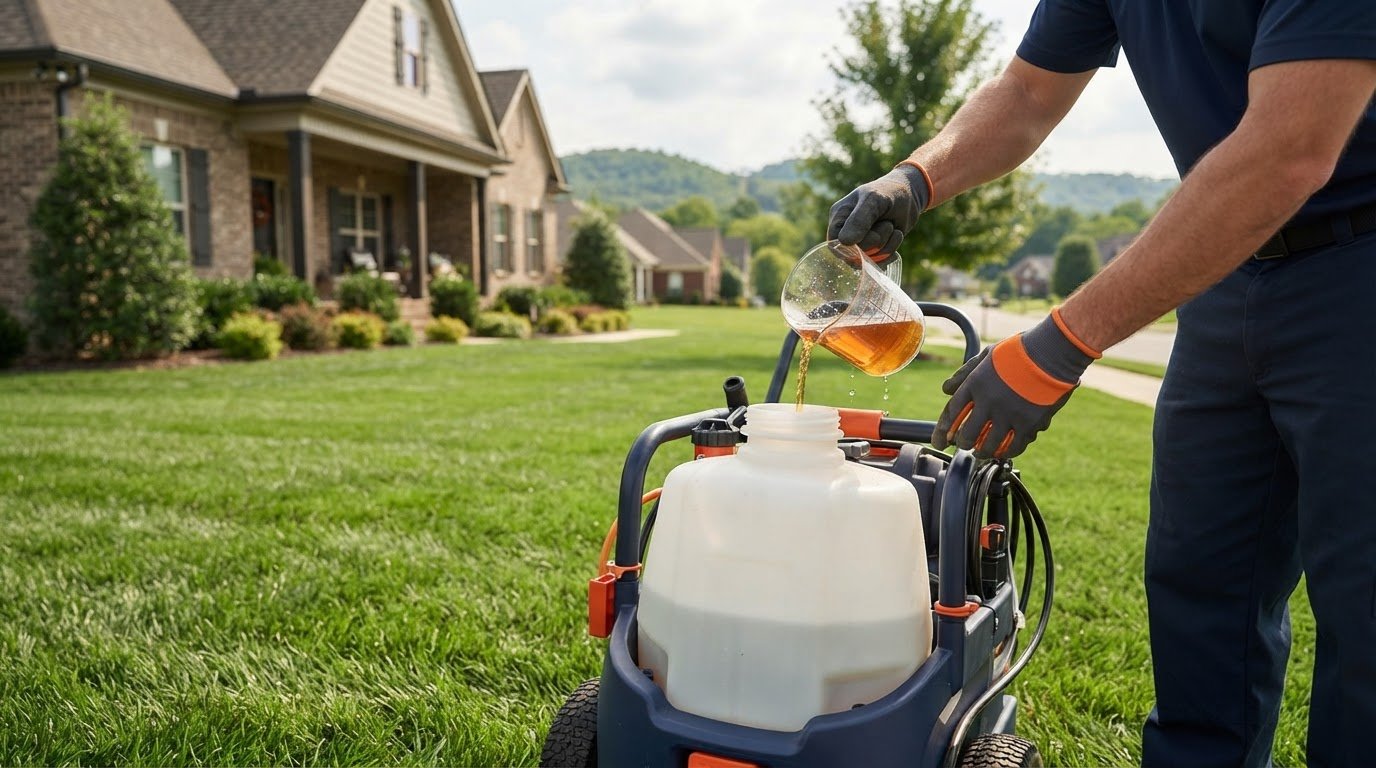
Pet-safe use isn’t determined by the word “outdoor” alone. Read product directions for application areas, drying or re-entry instructions, and pet precautions. Keep animals away from treated areas for the period specified. If those directions differ from general advice, follow the product instructions and applicator guidance.
People and pets should stay off a treated yard for the interval stated in the product directions. Timing depends on the treatment and application, so there isn’t one waiting period for every yard. Keep pets indoors during application and until the stated re-entry conditions are met.
When comparing quotes, look at what each treatment covers, which yard areas are included, and how follow-up is handled. Read guarantee terms and reviews for details, such as whether the service addresses observed activity or includes a defined return visit.
Hendersonville homeowners should look for service-area details that name Hendersonville and relevant Middle Tennessee communities. Nearby locations such as Mt. Juliet, Lebanon, and Gallatin can help clarify local coverage, but a general regional label alone doesn’t establish service in every town.
Do Hendersonville or Tennessee rules restrict outdoor pesticide use or require licensed applicators? Requirements can depend on the product and application, and licensing questions are specific to Tennessee. Product directions and applicable local requirements should guide treatment.
Tick control targets places ticks use for shelter and access to hosts, including yard edges, shrubs, and tall grass. Fleas can build an infestation in protected, humid areas where pets rest or pass. Considering these zones and each pest’s life cycle can make treatment more focused than treating open lawn alone.
Ticks can transmit diseases, including Lyme disease and Rocky Mountain spotted fever. Fleas can cause allergic reactions and transmit tapeworms. Because pets move between the yard and home, consider outdoor hotspots and indoor signs, such as small black flea-feces flecks on bedding.
Grass trimming, leaf litter removal, landscaping upkeep, and barriers between wooded areas and yards help prevent ticks. The company says it has provided lawn care in the greater Nashville area for over 30 years.
Flea and tick health risks
Fleas and ticks pose different health concerns for pets and people. Identifying the pest helps households focus prevention on the animal, person, or indoor area at risk.
Pet Health Risks
For pets, fleas can cause allergic reactions and transmit tapeworms. Ticks can transmit Lyme disease and Rocky Mountain spotted fever. Look for signs of fleas on the animal and consider its resting places, including bedding, rugs, and furniture. These clues help distinguish yard exposure from activity that has spread indoors.
Health Risks to People
For people, ticks matter because they can transmit Lyme disease and Rocky Mountain spotted fever. A tick may stay attached while feeding, so check skin after spending time around tall grass or shrubs. Fleas can also cause allergic reactions, and their eggs and life cycle may persist in indoor fabrics and furnishings.
One pest sighting doesn’t reveal the full extent of an infestation. Fleas can complete their life cycle indoors, especially in carpets, furniture, and pet bedding. Eggs may survive for weeks in fabrics and furniture, so treating only the visible yard area can leave indoor sources untouched.
Use a practical inspection routine after outdoor activity. Check pets’ coats and household members’ skin, then note where contact occurred. For example, a tick found after time near shrubs points to a different exposure pattern than flea activity around a pet’s resting area. Recording these details helps guide follow-up.
Flea control works best as a coordinated household routine. Pair attention to outdoor activity with steps that address indoor sources:
- Wash pet bedding in hot water.
- Vacuum carpets and furniture regularly, including areas where pets rest.
- Use veterinarian-recommended products to treat pets regularly.
- Keep notes on where fleas or ticks are found and when activity appears.
These steps address different parts of the problem: pets may carry fleas indoors, while ticks come from outdoor areas. Yard treatment alone won’t address flea activity in furniture or bedding. Likewise, indoor cleaning won’t remove tick habitat in tall grass or shrubs. Matching each action to the pest and location makes prevention more focused.
When a household is tracking repeated sightings, record the pest, location, and affected pet or person. Those details give a pest professional useful context for assessing activity and discussing an appropriate response. Hendersonville residents can share details about pest activity to help guide that conversation.
Ticks are arachnids that attach to hosts and feed for several days. Tick-related information can include details about attachment and feeding.
Follow-up treatments and reinfestation prevention
Yard treatment is one part of a longer prevention plan. Fleas can survive and reproduce indoors during winter, while some tick species remain active in mild winter temperatures. Follow-up should account for where activity returns, whether pets carry pests indoors, and which outdoor areas provide shelter.
Use a treatment plan that responds to observed activity rather than treating every part of a property identically. Note where fleas or ticks appear, such as a pet’s resting spot, a shaded yard edge, or vegetation beside a wooded area. Share these observations during follow-up so treatment can focus on the affected locations and account for the pest’s life cycle.
Tick prevention also depends on landscape maintenance. Keep grass trimmed, remove leaf litter, and maintain shrubs and other landscaping. Where a yard meets woods, create a barrier between the wooded area and the lawn. For ideas on structural yard features and clean borders, design specialists like landscapebydesignofpalmetto.com illustrate how hardscaping and retaining walls can help define distinct boundaries. These steps reduce sheltered, overgrown spots where ticks may wait for hosts. They support tick control but don’t replace checks after outdoor activity or care for pets.
For dogs, use veterinarian-recommended flea products regularly and keep a consistent routine. Check the dog’s coat after time outdoors, especially after visits to tall grass or brush. Wash pet bedding in hot water and vacuum carpets and furniture, where flea eggs or immature fleas may remain. These indoor steps matter because yard treatment cannot address every stage developing inside the home.
Preventing reinfestation works best when household actions and outdoor follow-up address different sources. Treatment may reduce pest activity in targeted areas, while cleaning and pet care help limit return from indoor reservoirs. No single step should be presented as certain to eliminate fleas or ticks permanently. A promise of complete flea elimination overlooks their ability to persist in protected indoor places.
- Record the date and location of each new flea or tick sighting.
- Keep pet bedding clean and maintain regular veterinary-recommended flea prevention.
- Remove leaf litter and keep lawn edges and shrubs maintained.
- Review recurring activity when deciding whether follow-up treatment is appropriate.
These actions also help households stay attentive to health concerns. Ticks can transmit Lyme disease, and fleas can cause allergic reactions or transmit tapeworms. Preventing exposure involves both reducing pest-friendly habitat and checking pets and people after outdoor time. Avoid harmful pesticide exposure by following product directions and keeping pets away as instructed after treatment.
If fleas and ticks return in the same yard zones, those location notes can help shape the next step. Discuss recurring pest activity and the areas needing attention as part of a practical follow-up plan.
Inspection and treatment process
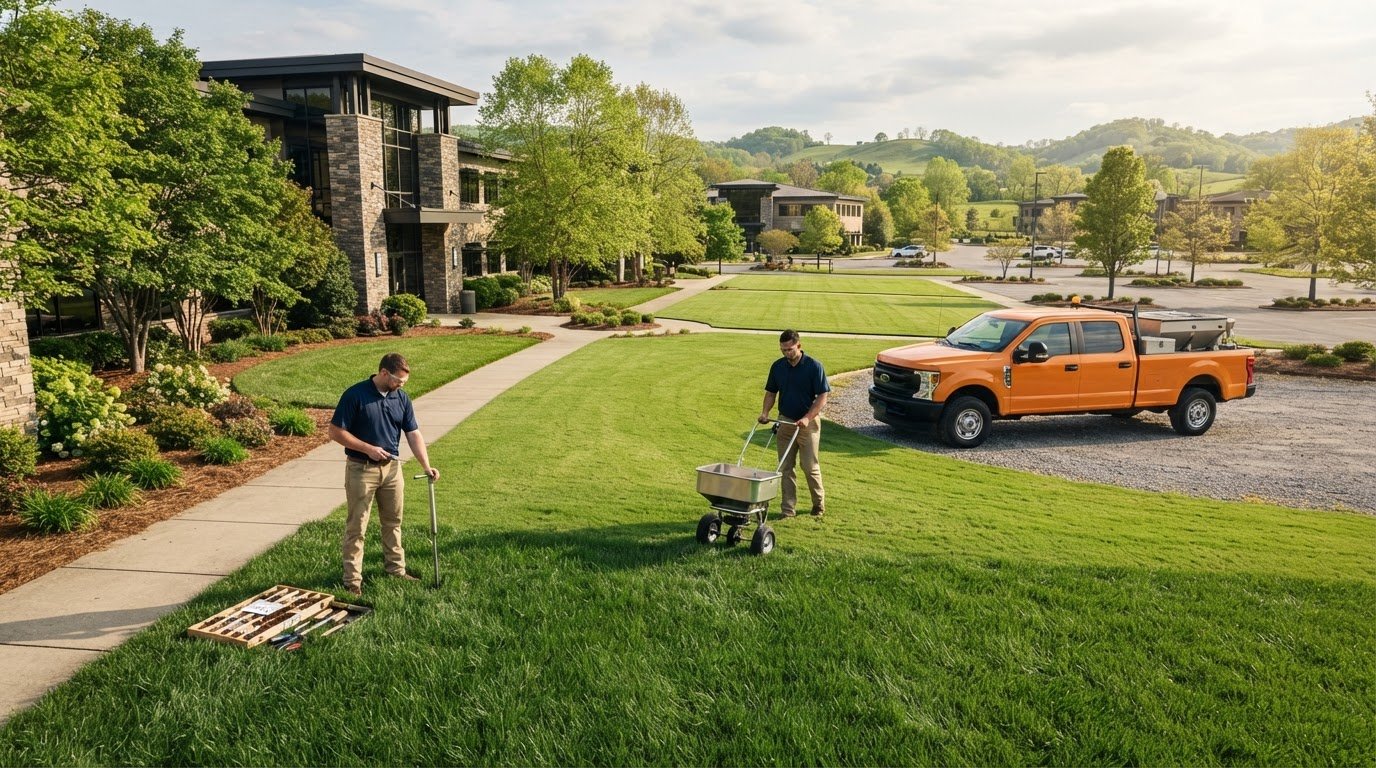
A useful inspection connects pest sightings with places where fleas and ticks can hide or reproduce. In Hendersonville and the wider Nashville area, indoor and outdoor findings help shape treatment around activity and affected areas.
Treatment Methods and Products
Local yard pest-control treatments can include professional applications to exterior areas and, when needed, indoor areas. The treatment plan should reflect pest activity, likely breeding locations, and the parts of the property affected.
Ask which areas the application covers and whether it targets fleas and ticks at different life-cycle stages. Product selection and directions determine how an application is used; no single product or method fits every property. Effective flea control considers indoor sources as well as outdoor activity.
Preparing for Yard Treatment
Before treatment, list recent sightings and their locations, such as a pet’s outdoor resting spot or a shaded yard edge. Point out those areas during the inspection, along with indoor signs that could indicate fleas are reproducing inside the home.
Make affected areas accessible and follow the treatment-specific preparation and re-entry directions. Keep pets and people away as instructed, and mention regular yard use or pet routes so the application plan accounts for those spaces.
An inspection starts with observation, not the assumption that every section has the same pest pressure. Outdoors, ticks are often found around yard perimeters, shrubs, wooded edges, and tall grass. Fleas are more likely to develop in protected, humid areas where pets rest or travel.
Inside, inspect pet bedding, carpets, rugs, furniture, and floor cracks for signs of flea activity. Small black flecks on bedding or carpet can be flea feces. These clues matter because fleas can complete their life cycle indoors, even when the initial concern was a biting pest in the yard.
A thorough visit can follow a clear sequence:
- Walk the outdoor perimeter and note shrubs, tall grass, leaf litter, and wooded borders.
- Identify where pets spend time and where people report bites or sightings.
- Inspect indoor resting areas, including pet bedding, rugs, and furniture.
- Use those observations to tailor treatment to the property and affected locations.
Professional treatments can target indoor and exterior areas, including fleas and ticks at every life-cycle stage. The treatment method depends on the pest, location, and observed activity. A visible pest doesn’t automatically mean every room or lawn area needs identical treatment.
After the inspection, keep a simple record of new sightings and locations. For example, recurring ticks near a wooded boundary call for a different focus than flea signs beside indoor pet bedding. That record helps make the next inspection and treatment plan more precise.
Flea hotspots in yards
Fleas don’t use every part of a yard equally. They favor protected places where pets rest or pass and moisture can linger. Start an inspection with shaded, humid areas, then compare findings with where pets spend time. This helps distinguish a likely flea hotspot from open lawn that pets rarely visit.
Moisture is a useful clue. Flea development is favored by humidity around 75% and higher, so inspect damp, sheltered parts of the property after humid weather. Check beneath dense shrubs, along shaded borders, and beside areas where drainage leaves soil wet. These conditions can make a small, overlooked patch more relevant than a broad stretch of sun-exposed turf.
Pet routes help narrow the search. Follow the path from the door to a favorite resting place, then inspect nearby ground cover and protected edges. A dog that regularly settles beside a porch, for example, may bring fleas to that specific area. Mark the spot and look for nearby signs rather than assuming activity is equal across the yard.
Wooded areas can influence where people look, but ticks and fleas don’t share identical habits. Ticks are commonly associated with yard perimeters, shrubs, and tall grass. For suspected fleas, focus on humid shelter and areas pets use. Keeping those distinctions clear helps direct inspection and treatment to the pest and location involved.
Use a simple hotspot map to guide a careful walk around the property:
- Mark shaded soil and damp ground that remain moist.
- Note pet resting spots near porches, shrubs, or covered areas.
- Check transitions between lawn, garden beds, and wooded areas.
- Compare outdoor findings with indoor signs near pet bedding.
Indoor and outdoor checks belong together because fleas can persist inside a home. If flea activity appears near a back door, inspect the pet’s route and resting areas both outdoors and indoors. Rugs, furniture, floor cracks, and pet bedding can harbor flea activity even when the concern began in the yard. This distinction matters when deciding which areas need attention.
A serious or recurring problem calls for a location-based treatment plan, not the assumption that a blanket application will reach every source. A professional inspection can identify flea and tick activity, potential breeding locations, and affected areas, then tailor treatment to the property. The key is to target protected, humid flea zones and assess tick-prone yard edges separately.
After identifying likely hotspots, note where pets spend time and where activity returns. Request help assessing yard pest hotspots and share those locations to support a focused treatment discussion.
Performance Lawns, INC: Lawn Treatments
Performance Lawns, INC provides residential mosquito, tick, and flea control for homeowners managing pest activity around their property. Inspections consider indoor and outdoor areas to identify pest activity, potential breeding locations, and affected spaces.
Treatment plans are tailored to the property, pest activity, and areas needing attention. Professional treatments can target indoor and exterior areas and address fleas and ticks at every life-cycle stage. Share where pets spend time and where you’ve noticed pests to help focus the assessment. For broader turf needs, lawn treatments can also support ongoing property care.
If recurring flea or tick activity is affecting your yard, contact Performance Lawns, INC to discuss your property.
Take the next step toward a more usable yard
A yard should support everyday life, from letting pets outside to enjoying time with family. Choosing professional tick and flea treatment for yards in Hendersonville is a practical next step when recurring pest activity makes outdoor spaces harder to use. Share what you’ve noticed and where it occurs so the conversation can start with your property’s needs.
Performance Lawns, INC offers residential mosquito, tick, and flea control, along with lawn treatments, weed control and fertilization, and residential aeration and overseeding. These services address different property concerns, from pest activity to turf care. The right starting point depends on the issue you want to address now.
For a property-specific conversation, contact Performance Lawns, INC about yard treatment. A thoughtful next step can help you care for your outdoor space with greater confidence and enjoy it more comfortably.
Frequently Asked Questions
What causes fleas in my lawn?
Fleas can reach a yard through animals and build up in sheltered places pets use. Moisture matters: flea development is favored by humidity around 75% and higher. A dog’s regular resting spot beneath a covered porch, for example, can be more relevant than an exposed patch of lawn. Check shaded, humid areas where pets linger, then compare those findings with indoor signs.
Can I get fleas even without pets?
Yes. A home without pets can still have flea activity if other animals have carried fleas into sheltered outdoor or indoor spaces. Fleas can also complete their life cycle inside, including in carpets, furniture, and fabrics. If you notice bites or flea signs, look beyond pet bedding: inspect rugs, floor edges, and places where animals may have entered or rested.
Can fleas and ticks make my family sick?
Yes, fleas and ticks can affect people’s health. Ticks can transmit Lyme disease and Rocky Mountain spotted fever; flea bites can cause allergic reactions, and fleas can transmit tapeworms. A tick may stay attached while feeding, so finding one on a person is a different concern from noticing flea bites. Identifying which pest is present helps clarify the potential exposure.
Which professional companies treat yards for ticks and fleas in Hendersonville?
Performance Lawns, INC provides residential mosquito, tick, and flea control in Hendersonville. Its pest-control service includes inspections of indoor and outdoor areas to identify activity and potential breeding locations, then tailors treatment to the property and affected areas. When comparing options, consider whether the service addresses the pest and locations involved rather than assuming every yard needs the same approach.
How often should a yard be treated for ticks and fleas in Hendersonville?
There isn’t one treatment interval that fits every yard. Follow-up timing should reflect observed pest activity, affected areas, and whether pests continue appearing after treatment. Keep a simple record of sightings, including location and date, and use that pattern to guide the next discussion. Fleas may also persist indoors during winter, so outdoor treatment frequency alone doesn’t address every possible source.
Are yard tick and flea treatments safe for children, pets, pollinators, and wildlife?
Safety depends on the product, application, and directions for people, pets, and the surrounding environment. Keep children and animals away from treated areas for the period specified in the directions. Before application, identify play spaces, pet routes, flowering plants, and areas frequented by wildlife. These details help focus treatment and make label instructions relevant to how the property is used.
What yard conditions attract ticks and fleas, and how can homeowners reduce them?
Fleas favor humid, sheltered places, while ticks are often found around yard perimeters, shrubs, wooded edges, and tall grass. Reduce potential habitat by trimming grass, removing leaf litter, and maintaining landscaping. Where lawn meets woods, create a barrier between the areas. Then inspect pet routes and shaded resting spots, since even a tidy open lawn may have protected zones that need attention.