

A weed-removal visit should do more than clear visible weeds: it should help manage unwanted growth over time. Lawn weed removal services in Mt. Juliet can include targeted weed control and follow-up treatments as needed. Local lawn-care programs may also pair weed control with fertilization to support turf health.
It’s reasonable to want a clear picture of what a visit includes, what affects a quote, and why weeds may return between treatments. The right approach depends on the weed type, where it is growing, and how it responds to treatment. This guide explains what weed-control visits cover, how to compare quotes by scope, and why follow-up can be part of ongoing management. It also covers how to plan around household routines by understanding the treatment instructions you receive. Knowing what to expect makes it easier to choose care that suits your lawn.
What does a weed pulling service include in Mount Juliet?
A weed-control visit can include identifying unwanted growth, selecting an appropriate treatment, and planning follow-up. Lawn weed removal services in Mt. Juliet can combine treatment for visible weeds with pre-emergent control intended to prevent weeds before they appear.
Crabgrass and dandelions are common in Mt. Juliet lawns. Treatment timing depends on the weed’s growth stage and whether it has emerged.
For an example of physical weed clearing, watch this backyard project:
Pre- and Post-Emergent Weed Control
Pre-emergent treatments target weeds before they appear, while post-emergent treatments address visible growth. Crabgrass prevention and established dandelions, for example, call for different timing and treatment choices. The weed’s identity, growth stage, and lawn’s grass type help guide the approach. These treatments can help manage common weeds, but they do not mean every weed will be removed in one visit.
Fertilization and Weed Control
Pairing fertilization with weed control addresses both turf nutrition and unwanted plants. Mt. Juliet lawns may contain tall fescue or bermudagrass, so grass type and condition matter when planning treatments. Fertilizer supports desirable turf, while weed control targets weeds. Fertilization alone does not control established weeds, and weed treatment does not replace the care needed to support healthy turf.
Nutsedge and Tough-Weed Control
Nutsedge and invasive grassy weeds may need a targeted approach rather than the treatment used for broadleaf weeds. Dallisgrass and Johnsongrass can be harder to manage than common broadleaf weeds and may require separate treatment. Bermuda grass in an established fescue lawn is also difficult to eliminate completely. Management focuses on limiting its spread and helping fescue remain competitive.
For homeowners comparing quotes in Mt. Juliet, ask what the proposed visit targets and how follow-up is handled. A quote should distinguish an initial visit from any additional treatment; free re-treatments aren’t a standard feature to assume. Weed type, treatment scope, and the lawn’s response can all shape whether another visit is appropriate.
Performance Lawns, INC and its Mt. Juliet bed weed control service remove unwanted weeds and use strategies to prevent their return as part of their stated approach.
How to compare local weeding quotes
Compare the work included, treatment approach, and follow-up terms, rather than looking at the estimate alone. Lawn needs in Mt. Juliet vary with the affected area, weed type, and property conditions.
Reviews are most useful when they describe specific experiences, such as clear communication, explained treatment steps, and follow-up. Free estimates and service plans vary by provider, so compare what each plan includes and how visits are scheduled.
Provider Reviews
Look for repeated details across reviews, not just an overall rating. A comment explaining how a company handled a missed area or described a treatment gives more context than a general statement about appearance. Notice whether reviewers mention the same strengths or concerns over time. Those patterns can help you assess communication and consistency without relying on one unusually positive or negative account.
Then compare review details with the written quote. Does it identify the lawn areas included, the treatment scope, and how follow-up works? For example, a quote covering only the front lawn differs from one that includes both front and back yards. A clear proposal for Mt. Juliet properties makes it easier to compare estimates on equal terms.
Free Estimates and Service Plans
Estimate policies and service plans differ among local companies. Review the written terms for included lawn areas, treatments, visit scheduling, and follow-up. A plan should explain the sequence of work clearly. That helps you understand whether the estimate covers one treatment or an ongoing program, without assuming every company structures service the same way.
Describe the same property conditions when requesting estimates. Note where weeds appear, whether bare patches need attention, and whether seeding is part of your lawn goals. These details make proposals easier to compare. Keep mowing separate from weed treatment: a mowing quote describes cutting, not a weed-control plan.
Mt. Juliet’s heavy clay soil can contribute to compaction and poor drainage, affecting turf condition and where weeds establish. Ask each quote to distinguish weed treatment from soil or turf work, such as aeration or seeding. Otherwise, estimates with similar service descriptions may cover different tasks.
Mowing prices are not a useful substitute for a weed-control quote. Mowing is commonly priced per cut, while a weed-treatment estimate should describe its own scope. Compare lawn area, affected sections, target weeds, treatment approach, and included visits. The cost depends on the lawn and proposed work, so compare estimates that cover similar services.
Use this checklist to compare Juliet:
- Confirm the quote identifies the affected areas and target weeds.
- Separate weed treatment from mowing, aeration, or seeding work.
- Compare follow-up terms and the visits included in a plan.
- Look for review details about communication and completed work.
To describe your lawn and request a tailored quote, share your property details.
Retreatments for weeds between visits
Most homeowners in Mount Juliet schedule weed pulling every 4-6 weeks during the growing season. That interval answers how often lawns receive attention, but it doesn’t mean every lawn needs the same treatment at each visit. Weed type, growth stage, and whether new growth has appeared shape the work between appointments.
A follow-up visit can address missed weeds, regrowth, or new seedlings that emerged after the previous treatment. For example, removing visible dandelions does not stop crabgrass seeds from sprouting later. A follow-up plan should distinguish new weeds from the original plants, then match the response to the weed and affected area.
Use this simple check between visits to make the next treatment more useful:
- Mark where weeds remain or have returned, such as a lawn edge or thin patch.
- Note whether the growth looks like the same weed or a different plant.
- Record when the area was last treated and whether new seedlings appeared afterward.
- Share those observations at the next visit so the treatment can target current growth.
Seasonal changes also affect which weeds become visible. Crabgrass may emerge at a different time from broadleaf weeds such as dandelions, so one visit cannot address every growth stage equally. Pre-emergent control is intended for weeds before emergence; post-emergent treatment addresses visible growth. The next step should reflect the growth stage, rather than automatically repeating the same approach.
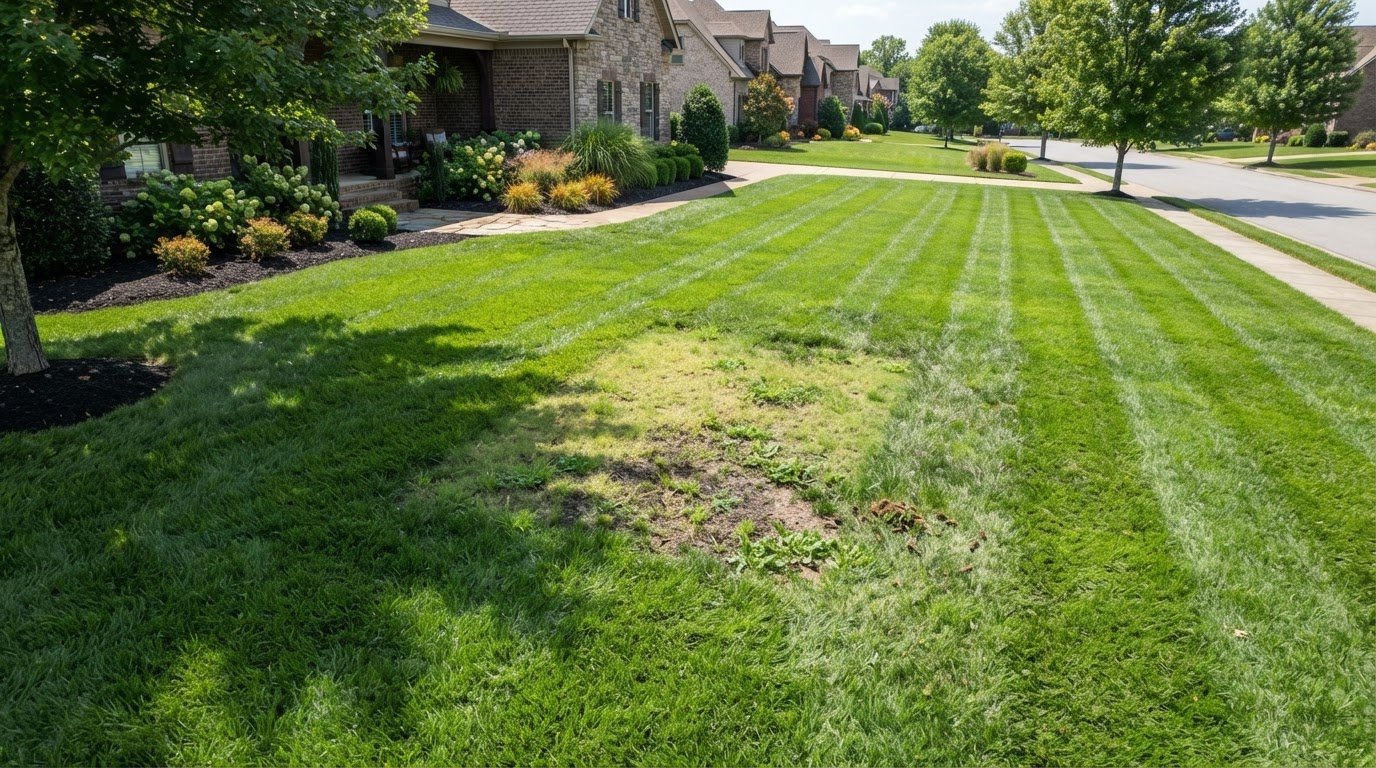
Conditions can make one lawn look different from another. A thin, disturbed strip beside a walkway may show new weeds while thicker turf nearby has fewer. In Mt. Juliet, hot summer weather can strain lawns without adequate watering, and stressed turf may leave openings where weeds establish. A visit should account for the affected area and lawn condition, not just the number of visible plants.
Follow-up treatment also isn’t the same as reacting to every change in lawn color. A brown patch, for example, may signal a turf or disease concern rather than a weed problem; applying weed treatment without identifying the cause won’t address it. Identify the plant or symptom first, then choose a response that fits.
Between visits, avoid treating the calendar as a command to reapply. The 4-6-week interval describes common weed-pulling timing during the growing season, while treatment plans use the target weed and its growth stage to guide follow-up. This distinction can reduce unnecessary work and hassle while keeping expectations realistic: ongoing weed control manages pressure over time, rather than preventing every new weed.
Pet and family safety after application
Plan lawn treatment around how your household uses the yard. Before an application, identify children’s play spaces, pet routes, and outdoor gathering areas. For example, note whether your dog regularly crosses the back lawn or your children play near a particular garden bed. Sharing those details helps clarify which spaces matter at home.
Ask for a clear description of the planned application, including the lawn areas covered and what the treatment is intended to address. If crabgrass appears in the front yard but not the backyard, explain that distinction. Knowing the scope helps you understand the planned work and how it fits your household’s outdoor routines.
Use a short preparation checklist to organize those details:
- Mark the lawn areas children use for play or family activities.
- Describe pets’ usual routes and favorite outdoor spots.
- Identify garden beds, flowering plants, and outdoor gathering areas.
- Ask for a plain-language explanation of the treatment planned for those locations.
Household routines can change with the season. A family may use a patio more often in warm weather, while a dog’s regular route may cross a different section of grass. Sharing those patterns gives the lawn-care professional useful context when discussing the work. It also helps everyone understand which areas are included in the planned service.
Keep treatment information with your lawn-care notes. Record the date of an application, the lawn area covered, and the weed-control purpose. These details can help distinguish one visit from another if you later discuss a new concern. They also give household members a shared record instead of relying on memory.
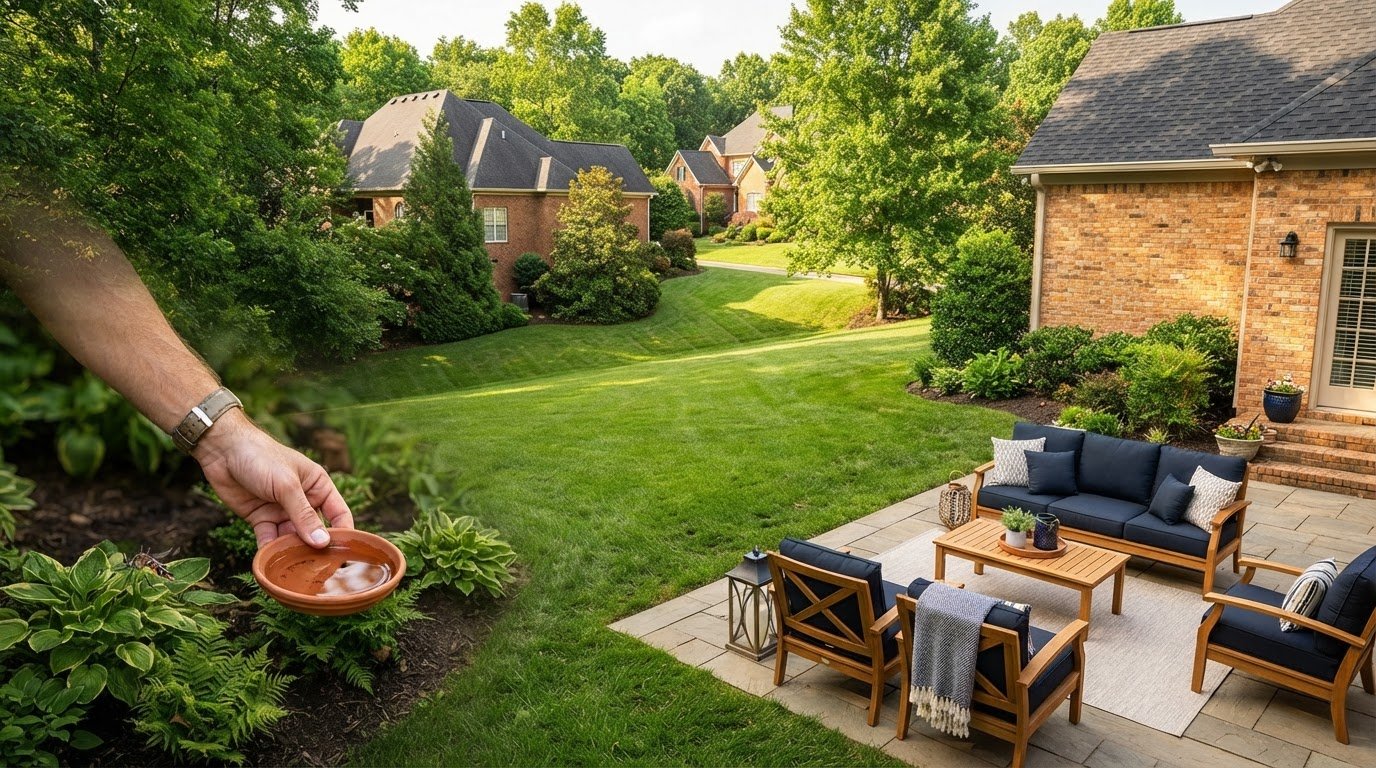
Pollinator-friendly spaces can also be part of the conversation. If flowering plants or garden beds sit beside the lawn, point out their location when discussing the treatment area. A clear map of lawn and garden spaces helps distinguish turf from other parts of the landscape, especially where planting beds and grass are close together.
Good planning starts with specific information, not assumptions about every treatment. Describe the yard, explain how children and pets use it, and understand the intended scope. These steps help homeowners make informed lawn-care decisions while keeping household routines in view. A shared understanding of the plan supports an organized visit and a clear record of lawn care over time.
Service area in Wilson County
For Wilson County homeowners, Mt. Juliet is the local reference point for understanding lawn conditions. The city sits 15 miles east of Nashville and has almost 40,000 residents.
A neighborhood does not have a uniform landscape. A property in Mt. Juliet, Lebanon, Gallatin, or Hendersonville may have compacted soil, poor drainage, shaded areas, or open turf. Each condition affects where weeds appear and which lawn treatments may suit the property. Compare the actual yard, not just its location.
Heavy clay soil in Mt. Juliet can contribute to compaction and poor drainage. Compacted soil can affect how water moves, while stressed or thin turf can leave space for weeds. When comparing lawn-care approaches, note where water collects, where grass looks sparse, and where weeds repeatedly appear.
A useful property walk-through can focus on three areas:
- Mark recurring weed growth along beds, walkways, or lawn edges.
- Note bare or thin turf where soil is exposed.
- Identify compacted or poorly draining areas, especially after rain.
These observations help distinguish weed-treatment needs from broader lawn concerns. Weeds concentrated in one thin strip, for example, may call for a different plan from growth spread across the lawn. Describing affected areas also makes quotes easier to compare, since each estimate can address the same parts of the property.
Soil condition can matter beyond weed control. Aeration alleviates soil compaction and helps air, water, and nutrients penetrate the soil. Annual aeration is recommended as a lawn-care solution for local Mt. Juliet conditions. It addresses soil structure, while weed treatments target unwanted plants; one does not replace the other.
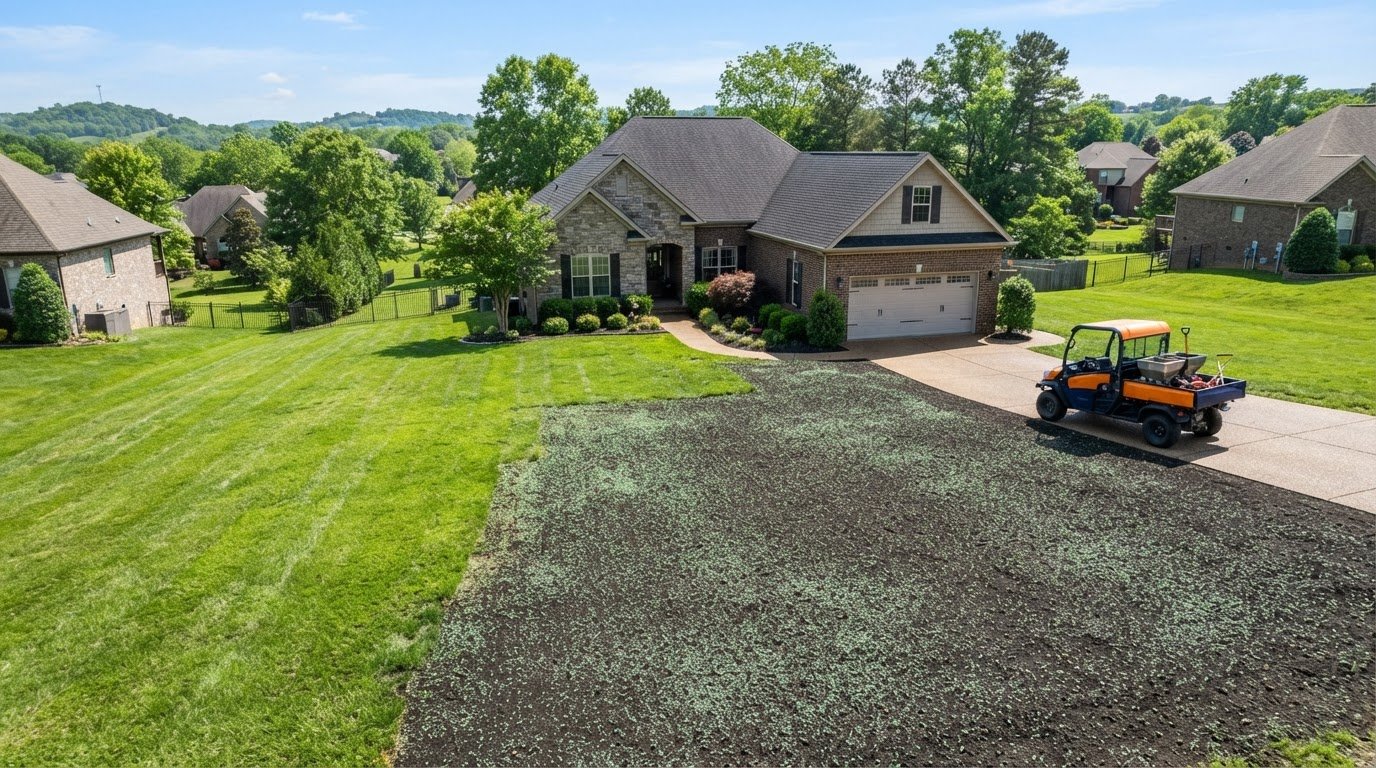
For a lawn with thin turf, consider how seeding fits into the broader plan. Aeration and overseeding support turf establishment, while weed control focuses on managing unwanted growth. Coordinating these activities requires attention to the lawn’s condition and the sequence of work, rather than treating every part of the landscape as the same task.
Location alone doesn’t explain what a lawn needs. A home in Mt. Juliet with compacted clay, for instance, may have different priorities from a nearby property with dense turf and isolated dandelions. Share the lawn’s location, visible problem areas, and drainage concerns when describing the work you want. Describe your Mt. Juliet lawn care needs to take the next step.
Performance Lawns: Lawn Treatments
Performance Lawns, INC helps homeowners in Mt. Juliet manage weeds and support healthier turf through lawn treatments. Its weed control and fertilization service targets unwanted growth while supporting the lawn’s overall condition.
Consider professional treatment when weeds keep returning, spread across multiple areas, or need a targeted approach. For thin turf or compacted soil, residential aeration and overseeding can complement weed control by supporting stronger grass growth. The right combination depends on the lawn’s condition and your goals for the property.
For a practical next step, describe the weeds you’re seeing and any thin or stressed areas. Contact Performance Lawns, INC about your lawn.
Take the next step toward a healthier lawn
A lawn-care plan is most useful when it reflects your property’s conditions and how you use the space. Performance Lawns, INC provides lawn treatments, weed control and fertilization, and residential aeration and overseeding. These services address different needs, from managing unwanted weeds to supporting thicker turf.
If you’re considering lawn weed removal services in Mt. Juliet, start with the areas that concern you most. Note where weeds return, where grass looks thin, and what you want your lawn to support, whether outdoor play or a welcoming place to gather. Those details give the conversation a practical starting point because each yard has different needs.
When you’re ready to discuss your property and possible next steps, contact Performance Lawns, INC. A thoughtful plan can help you care for your lawn with confidence, season by season.
Frequently Asked Questions
What if weeds come back between visits?
Record where new growth appears and whether it looks like the same weed treated before. For example, note if it returns along a lawn edge or appears in another section. This can help distinguish regrowth from a new weed problem. Share the location and your observations during your next lawn assessment so the treatment discussion can focus on current conditions.
Will the treatments hurt my grass, kids, or pets?
Effects on turf and the surrounding yard depend on the treatment product, application, and site conditions. Grass type and condition are useful details to discuss, especially if the lawn includes recently seeded areas or sensitive plantings. For children and pets, ask for an explanation of the planned treatment and its intended coverage. This gives your household clear information about the work.
Which lawn weed removal providers operate in Mt. Juliet, Tennessee?
Performance Lawns serves Mt. Juliet, Lebanon, Gallatin, and Hendersonville. Its lawn treatments include fertilizer and weed control for residential and commercial properties. To determine whether a service fits your needs, compare the proposed treatment scope with the weeds and lawn areas you want addressed. A clear description distinguishes turf treatments from other outdoor property work.
What weed control services do Mt. Juliet lawn care companies offer?
Performance Lawns provides fertilizer and weed control for residential and commercial lawns, along with treatments to manage unwanted plants. The company also offers residential aeration and overseeding for turf needs beyond weed management. Compare service descriptions by the work they cover, such as nutrient applications, weed treatment, or turf establishment.
How much does professional lawn weed removal cost in Mt. Juliet?
The cost depends on the lawn and proposed work. Factors include the lawn area, weed types, distribution, and treatment scope. For a useful estimate, describe the affected areas and any recurring growth. Compare quotes only after confirming they cover similar work, since a proposal for one lawn section differs from a whole-property treatment plan.
What herbicides and treatment methods do local weed control services use?
The treatment method depends on the weeds being targeted and their growth stage. Lawn programs may distinguish between treatments aimed at weeds before they appear and those addressing visible growth. Broadleaf and grassy weeds can require different approaches. Ask for the treatment category and target weeds in plain language; that is more useful than assuming a particular active ingredient is used.
Are Mt. Juliet lawn weed treatments safe for children, pets, and pollinators?
The considerations depend on the product and application. Describe how children and pets use the yard, and point out flowering plants or garden beds near the lawn. Then review the treatment’s intended coverage and approach. These details help you understand how the planned lawn work relates to outdoor spaces used by your household and pollinators.
How do local lawn weed removal companies compare on guarantees and scheduling?
Compare the written service scope and schedule, including what each visit covers and how recurring treatments are arranged. Performance Lawns offers professionally scheduled, recurring lawn treatments. Weed-control results are best understood as ongoing management, not a promise that new weeds will never appear. Clear scheduling terms and treatment descriptions help you understand the program’s role in maintaining your lawn over time.