

What if a brown zoysia lawn in winter isn’t failing, but simply following its natural cycle? That seasonal pause can be confusing, especially when advice for fescue or Bermuda doesn’t fit your yard. A practical guide to zoysia lawn care middle tennessee homeowners can use starts with one principle: follow the grass’s growth, not a generic lawn calendar.
It’s reasonable to wonder when zoysia should green up, when it needs attention, and whether weeds, shade, or summer stress signal a bigger problem. Middle Tennessee’s changing seasons affect when this warm-season grass becomes active and how it responds to care. Understanding that rhythm can help you make timely choices without treating every brown patch or weed as a lawn emergency.
This guide explains what to expect from zoysia through spring, summer, fall, and winter, along with care practices to consider in each season. You’ll also learn how fertilization and professional weed control can support healthier turf, where those treatments have limits, and when a persistent issue may call for a different approach.
How Zoysia Grows in Middle Tennessee: What That Means for Lawn Care
Zoysia is a warm-season turfgrass, so it grows most actively in warm weather and slows as temperatures drop. That rhythm matters in Middle Tennessee, where a lawn can move from cool, wet spring conditions into summer heat, then face a sharp change in fall. Zoysia may green up later than cool-season grasses, and timing can vary from one yard to another.
Middle Tennessee sits in a transition zone where conditions can support both warm-season and cool-season grasses, but neither has ideal growing weather all year. A warm spell doesn’t necessarily mean zoysia is ready for active care if cooler weather follows. For homeowners, zoysia lawn care middle tennessee works best when decisions follow the turf’s growth and local conditions rather than a fixed date. The characteristics and uses of zoysia grass provide helpful background on this diverse group of turfgrasses.
Warm-season growth describes when zoysia grows actively, not whether it stays green all year. In winter, established zoysia typically becomes dormant and turns brown. That color change is a normal seasonal response, not proof by itself that the lawn has died or needs extra fertilizer.
When does zoysia green up and go dormant in Middle Tennessee?
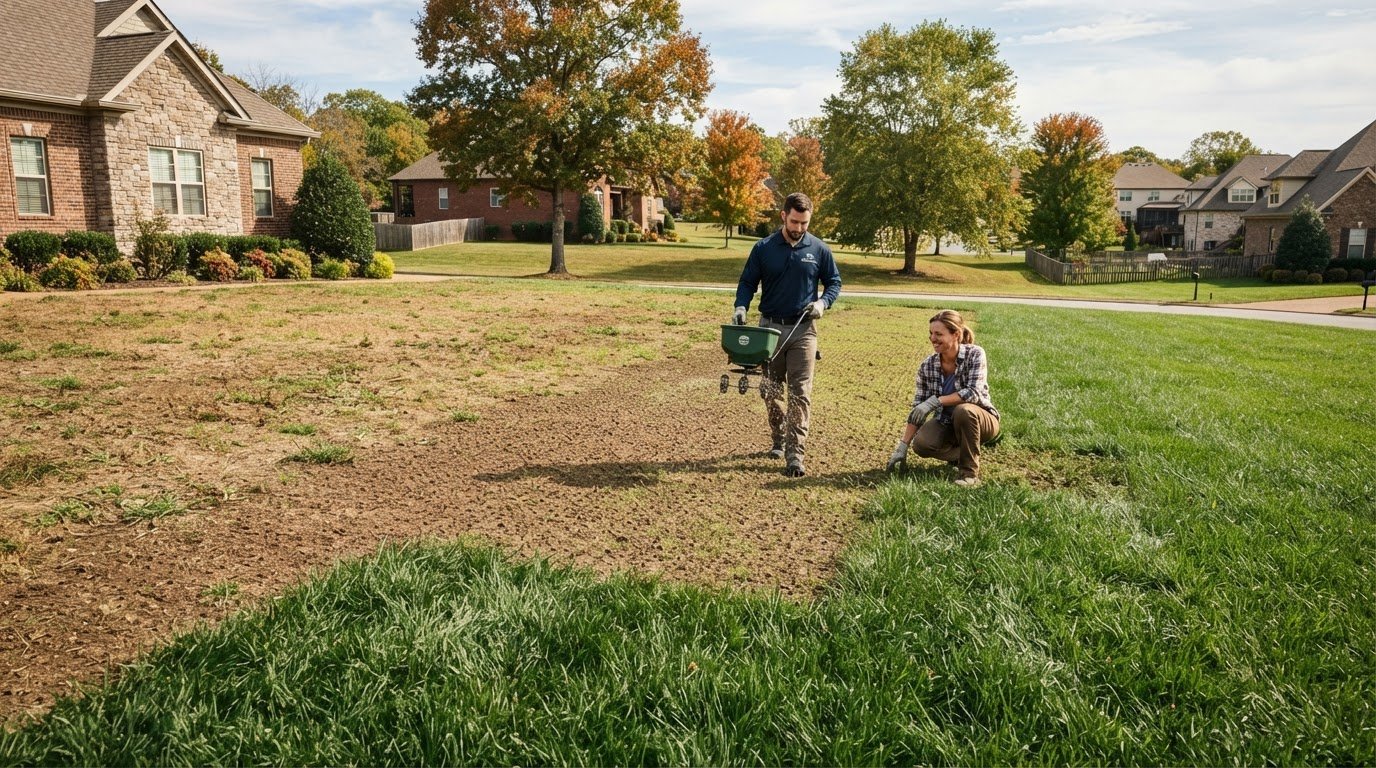
Spring green-up follows warming conditions, not one guaranteed calendar date. A cool spring can delay visible growth, while a warm stretch may bring earlier changes. The site and zoysia cultivar also matter, so neighboring lawns may green up at different times. Avoid judging lawn health from color alone. Look for growth to resume as conditions become consistently favorable.
As fall cools and winter arrives, zoysia slows and enters dormancy. It may remain brown through winter, then resume growth when conditions warm again. There’s no single local date or soil-temperature threshold that applies to every lawn, so treat calendar estimates as a guide, not a guarantee.
What does zoysia need from its growing site?
Site conditions shape how well zoysia establishes and performs. Sun exposure, drainage, soil condition, and cultivar all influence turf density and seasonal growth. Zoysia generally performs best in sunny areas. Persistent shade can weaken growth or leave thin spots, though the effect depends on the grass and site. A variety’s shade claims shouldn’t be treated as a promise for every established lawn.
- Sunlight: Observe which areas receive direct sun and where shade lasts through much of the day.
- Drainage: Notice where water lingers after rain, since consistently wet conditions can stress turf.
- Soil condition: Compaction can restrict root growth and water movement, while soil testing can help guide nutrient decisions.
- Cultivar: Different zoysia types may respond differently to shade, cold, and local conditions.
These details help set realistic expectations and guide seasonal care. A thin, shaded area may need a different plan from dense turf in full sun. Start by understanding the site, then match lawn-care choices to what the grass is doing. That applies whether your lawn is in Mt. Juliet, Lebanon, Gallatin, Hendersonville, or elsewhere in Middle Tennessee.
A Middle Tennessee Seasonal Care Plan for Zoysia
With zoysia, the right task at the wrong stage can add stress instead of helping. A useful zoysia lawn care middle tennessee plan follows visible growth and current conditions, not a rigid calendar. The Zoysia lawn care calendar from NC State Extension offers seasonal reference points, but Middle Tennessee weather and each lawn’s site should guide the timing.
Spring: Watch for active growth
As temperatures warm, look for consistent green-up and new growth before treating zoysia as fully active. Clear lingering leaves, check for bare or compacted areas, and resume mowing as the grass grows. Avoid scalping dormant turf in an attempt to force green-up. Time professional fertilization and weed control to the lawn’s condition and treatment guidance, rather than applying treatments simply because spring has arrived.
Summer: Support steady, healthy turf
During active growth, mow often enough to keep the lawn even without removing too much leaf at once. Sharp mower blades help avoid ragged tips. Water needs depend on rainfall, heat, soil, and exposure. If dry weather persists, watch for signs of stress and follow local guidance for watering. Zoysia generally needs less nitrogen than Bermuda grass, and UT Extension recommends smaller fertilizer applications during the growing season rather than one heavy dose. Professional fertilization can support turf, but it can’t make up for poor drainage, inadequate sunlight, or other site limits.
Weed control is part of seasonal care, not a promise that every weed will disappear. Dallisgrass and Johnsongrass are invasive grassy weeds that can be more challenging to manage than common broadleaf weeds. They may need a separate or targeted treatment because they might not respond to the same products used for broadleaf weeds.
Fall: Ease back as growth slows
As cooler conditions reduce growth, adjust care instead of carrying summer practices forward unchanged. Keep mowing as needed while the grass is growing, and don’t make late-season fertilization decisions based on a calendar alone. A professional treatment plan can account for the turf’s condition and seasonal stage. Performance Lawns, INC provides lawn treatments for homeowners and businesses in Middle Tennessee. Details about its services are available through the company’s contact page.
Winter: Let dormant turf rest
Brown, dormant zoysia generally needs less intervention than actively growing turf. Avoid applying warm-season fertilizer or expecting summer growth in cold weather. Keep the lawn clear of heavy debris where practical, and note recurring thin spots or drainage issues to assess when growth resumes. Winter is a time to observe and plan, not to force dormant grass into activity.
Seasonal summary: Spring is for watching green-up, summer for supporting active turf, fall for scaling back with growth, and winter for allowing dormancy and planning ahead.
Is Zoysia Really Low-Maintenance in Middle Tennessee?
Zoysia can be a practical choice for a durable lawn, but “low-maintenance” doesn’t mean “no maintenance.” It still needs mowing during active growth, observation through seasonal changes, and care suited to its site. Its dense growth can help limit the open spaces where weeds establish, and its nitrogen needs are generally lower than Bermuda grass’s. Those advantages can reduce some demands, but they don’t remove them.
Expectations matter, too. Shade may thin turf, poor soil conditions can restrict growth, and winter dormancy means zoysia won’t stay green year-round. A lawn in full sun with healthy, dense turf may perform differently from one with persistent shade or compacted soil. For zoysia lawn care middle tennessee , outcomes depend on the grass’s condition, site factors, treatment timing, and ongoing care, not the grass type alone.
Why can weeds still appear in an established zoysia lawn?
Even established turf can develop thin areas. Shade, soil stress, heavy wear, or uneven growth may leave openings where unwanted plants can take hold. Dense zoysia can help reduce weed pressure, but it can’t guarantee weeds won’t appear. Inspect thin spots and consider what may be weakening the turf instead of treating the visible weed as the whole problem.
Correct identification matters. Common broadleaf weeds differ from grassy weeds, and treatment should match the plant and the turf. Persistent grassy weeds such as Dallisgrass or Johnsongrass may need a targeted approach.
When might zoysia need a different treatment approach?
Treatment choices depend on the grass, the weed or other problem being addressed, and the lawn’s condition. A product or approach suitable for one turf type may not be appropriate for another, and timing can affect results. Don’t assume a standard weed-control treatment will address every weed. Identifying the problem first helps set realistic expectations and guide the next step.
For common lawn weeds, professional weed control can help reduce weed pressure and support healthier turf, though it can’t promise that every weed will be eliminated. A weed control and fertilization program can be one component of a broader plan, alongside appropriate mowing and attention to site conditions.
Think of low-maintenance as manageable with informed, consistent care. Keep an eye on changes in turf density, note where weeds return, and consider whether shade, soil, or stress may be contributing. That approach helps match treatment to the actual lawn rather than relying on a one-size-fits-all fix.
How to Turn Zoysia Lawn Care into a Practical Annual Plan
A useful annual plan doesn’t start with a list of products. It starts with what’s actually happening in the lawn. For zoysia lawn care middle tennessee , a simple cycle of identifying, assessing, prioritizing, and reviewing helps keep care connected to the turf’s condition and the season.
- Identify the grass. Make sure the lawn is zoysia, since care and treatment choices can differ among grass types.
- Assess the site and turf. Note whether the lawn is established and actively growing, or thin, shaded, compacted, or showing stress.
- Set seasonal priorities. Choose the most relevant task for the grass’s current growth stage instead of trying to address every concern at once.
- Review what changes. Track green-up, thin patches, weed pressure, and visible stress, then consider whether conditions or care should be adjusted.
What should you assess before choosing lawn treatments?
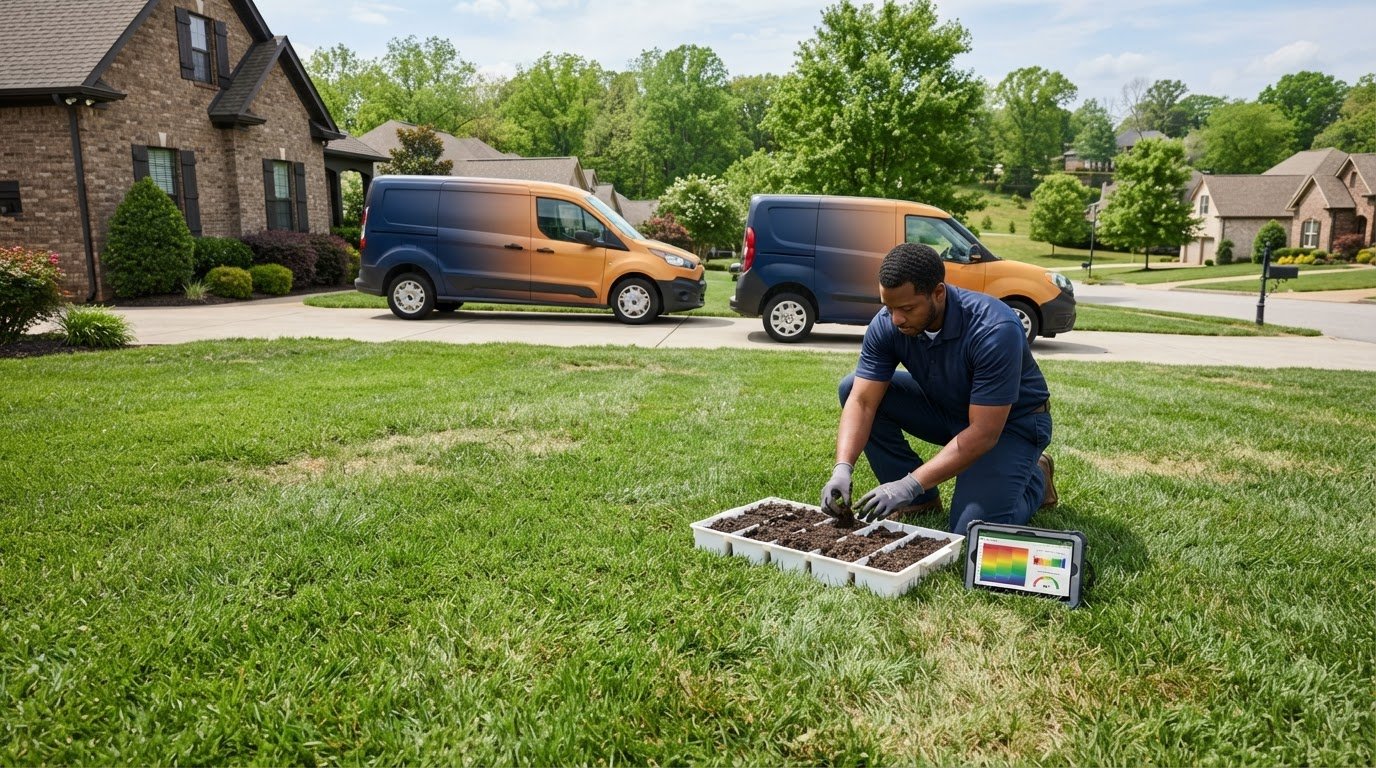
Look at the whole lawn before focusing on one symptom. A thin area under a tree may have a different cause than a similar patch in an open, sunny spot. Consider whether the turf is actively growing, how much shade it receives, whether water drains well, and whether foot traffic or compacted soil could be contributing to weak growth.
Identify weeds before deciding on treatment. Broadleaf weeds and grassy weeds may call for different approaches, and a product intended for one grass type may not suit another. Nutrient decisions also benefit from evidence rather than guesswork. A soil test can help clarify whether nutrients are needed and inform fertilization choices. Professional fertilization and weed control can be one part of a plan tailored to the turf’s condition, not a substitute for assessing the site.
How can you keep the plan realistic throughout the year?
Give each season a manageable priority, then note what you observe. For example, record when green-up begins, where turf remains thin, whether weeds are concentrated in a particular area, and whether stress follows dry or wet weather. These notes make it easier to recognize patterns over time without assuming that one treatment will resolve every issue.
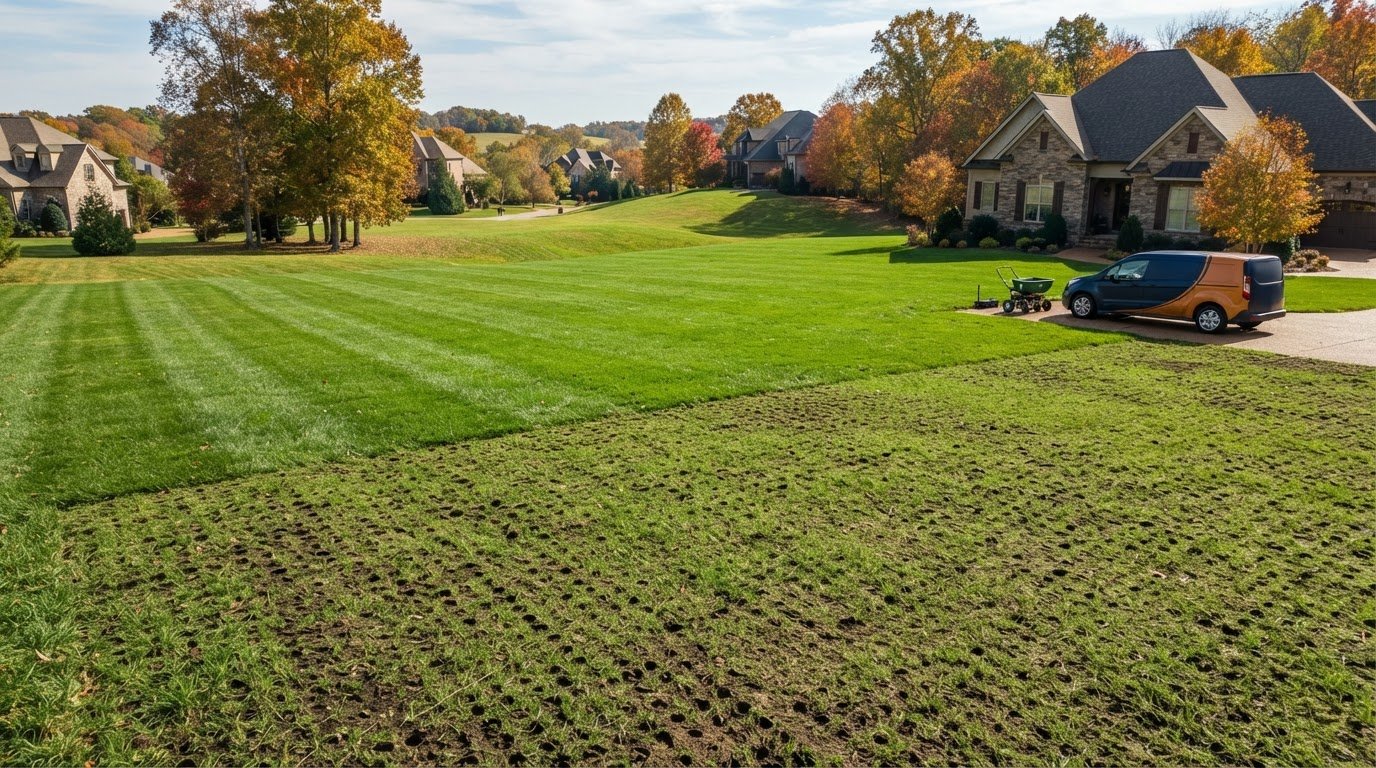
Keep expectations grounded. Weather varies, and lawns respond according to their condition, site, and care history. If soil compaction appears to be limiting growth, residential aeration may be relevant; it addresses a different concern than fertilization or weed control. Reassess after care rather than judging results from a single day or a temporary change in color.
A clear assessment makes the next step easier. Details about Performance Lawns, INC’s lawn treatments are available on the contact page.
Professional Zoysia Lawn Treatments in Middle Tennessee: What Support Can Add
Professional treatments can make seasonal lawn care more informed and consistent, especially when fertilization or weed identification feels uncertain. They work best as part of a broader plan that also accounts for the lawn’s growth, site conditions, and homeowner maintenance. For zoysia lawn care middle tennessee homeowners can rely on, the goal is to support healthy turf and manage concerns realistically, not promise a perfect lawn.
What can professional fertilization and weed control contribute?
Fertilization supplies nutrients based on the lawn’s needs, while weed control can help manage common unwanted plants. Neither treatment can correct every underlying issue. Shade, poor drainage, compacted soil, weather stress, and the turf’s condition can all affect how a lawn responds. Treatment choices should reflect the grass type, weeds present, and seasonal conditions rather than assume one approach fits every yard.
For nutrient decisions, a soil test can help indicate whether fertilizer is needed and guide appropriate application choices. The University of Tennessee Extension provides research-based information for homeowners seeking to understand soil and lawn-care recommendations. Professional treatment can complement that broader assessment, but it doesn’t replace observation and sound site care. A fertilization and weed control program can help support turf health and reduce weed pressure without guaranteeing that every weed will be removed.
Weed identification matters. Dallisgrass and Johnsongrass may need a separate or targeted approach rather than the treatments typically used for broadleaf weeds. Even a well-planned program has limits, and outcomes depend on the weed, timing, turf condition, and surrounding conditions.
When should a Middle Tennessee homeowner seek lawn-care support?
Consider professional input if the same weeds keep returning, the turf is thinning, or you’re unsure whether a lawn is ready for a treatment. A focused assessment can help distinguish a weed issue from broader stress and clarify which steps may be useful. Performance Lawns, INC brings more than 15 years of lawn-care experience to treatment support in Middle Tennessee.
It helps to share what you’ve observed: where weeds are appearing, whether thin areas are shaded, and how the lawn has changed with the seasons. Those details provide context for treatment decisions. Fertilization and weed control can support a seasonally informed plan, but mowing, drainage, sunlight, and other site conditions also influence results. No single application should be expected to solve every concern.
Information about lawn treatment services for properties in Mt. Juliet, Lebanon, Gallatin, and Hendersonville is available through Performance Lawns, INC.
Put Your Next Zoysia Care Decision in Motion
A healthier lawn doesn’t require solving every concern at once. Choose one useful next step: note where turf is thinning, identify a weed you’re unsure about, or plan to assess soil before making nutrient decisions. Those observations can turn seasonal care into a clearer plan and help you decide when professional treatment could be useful.
With zoysia lawn care middle tennessee , steady attention is more valuable than reacting to every change in color or growth. Performance Lawns, INC serves homeowners in Mt. Juliet, Lebanon, Gallatin, and Hendersonville with lawn treatments, including fertilization and weed control.
Contact Performance Lawns, INC to discuss your Middle Tennessee lawn and the treatment support that may fit its needs. Start with what you’re seeing in your yard, and build from there. A thoughtful plan can help you care for your lawn with confidence through the seasons.
Frequently Asked Questions
Is zoysia grass a good fit for Middle Tennessee lawns?
It can be a good fit, particularly for homeowners who want a warm-season turf and are comfortable with its seasonal appearance. Before choosing zoysia, consider how much direct sun the yard receives, how quickly the soil drains, and whether brown winter turf suits your expectations. These factors matter in Middle Tennessee communities such as Mt. Juliet, Lebanon, Gallatin, and Hendersonville, where conditions can differ from one property to another.
Does zoysia turn brown in winter?
Yes. Brown color is usually dormancy, not proof that the grass has died. Avoid judging the lawn during a cold spell alone. As conditions warm, look for emerging shoots and gradual color change across the lawn. If one section remains bare while nearby areas resume growth, note its location and look for site differences such as shade, standing water, or concentrated foot traffic.
Can zoysia grow in a shady yard?
Zoysia may struggle where shade limits its growth, and a yard with dense tree cover can develop thin or weak patches. Check the affected area at different times of day to see how sunlight and tree shade shift. Also notice whether fallen leaves remain over the grass. If the site stays heavily shaded, changing fertilizer or weed treatments alone may not address the underlying limit on turf growth.
Can broadleaf weed treatments control Dallisgrass and Johnsongrass?
Broadleaf weed treatments generally aren’t designed for Dallisgrass or Johnsongrass. As noted above, these grassy weeds may call for a different treatment approach. Identify the weed before choosing a product, and follow its label directions carefully. Using a treatment without confirming the weed and turf type may fail to address the problem or harm desirable grass.
Can I overseed zoysia with fescue to keep my lawn green in winter?
You can introduce fescue into a zoysia lawn, but it won’t make the same turf stay green without tradeoffs. Fescue and zoysia grow actively in different seasons, so they may compete during transitions and need different care. Bermuda grass in an established fescue lawn presents a separate challenge: it can be extremely difficult to eliminate completely. Management generally focuses on limiting its spread and helping the desired fescue stay healthy and competitive.
Does zoysia need fertilizer every season?
No. Fertilizer decisions should reflect the lawn’s nutrient needs and growth, rather than an automatic application in every season. A soil test can help show whether nutrients are needed; vigorous growth alone doesn’t prove that more fertilizer is appropriate. Avoid treating dormant turf as though it were actively growing. For a Middle Tennessee lawn, use local, research-based guidance to inform the timing and amount of any nutrient application.