

What if the right fix for a thinning lawn isn’t simply more seed? Lawn renovation and overseeding can help restore turf density, but the right approach depends on why the grass is struggling and how much of the lawn is affected. Homeowners in Mt. Juliet, Lebanon, Gallatin, and Hendersonville may wonder whether bare patches will fill in, whether weeds or unwanted grass will return, and when to act.
This guide explains how to assess your lawn and choose between overseeding and a more complete renovation. You’ll learn why preparation matters, how seed establishment and follow-up care affect results, and when professional core aeration and overseeding may help.
Timing matters, too. For tall fescue lawns, Middle Tennessee’s main seeding window generally runs from late August through mid-October, with September often a strong target. Local conditions, including compacted soil and the type of grass you want to maintain, help shape practical next steps for a healthier, denser lawn.
Lawn renovation and overseeding: recognize what your yard needs
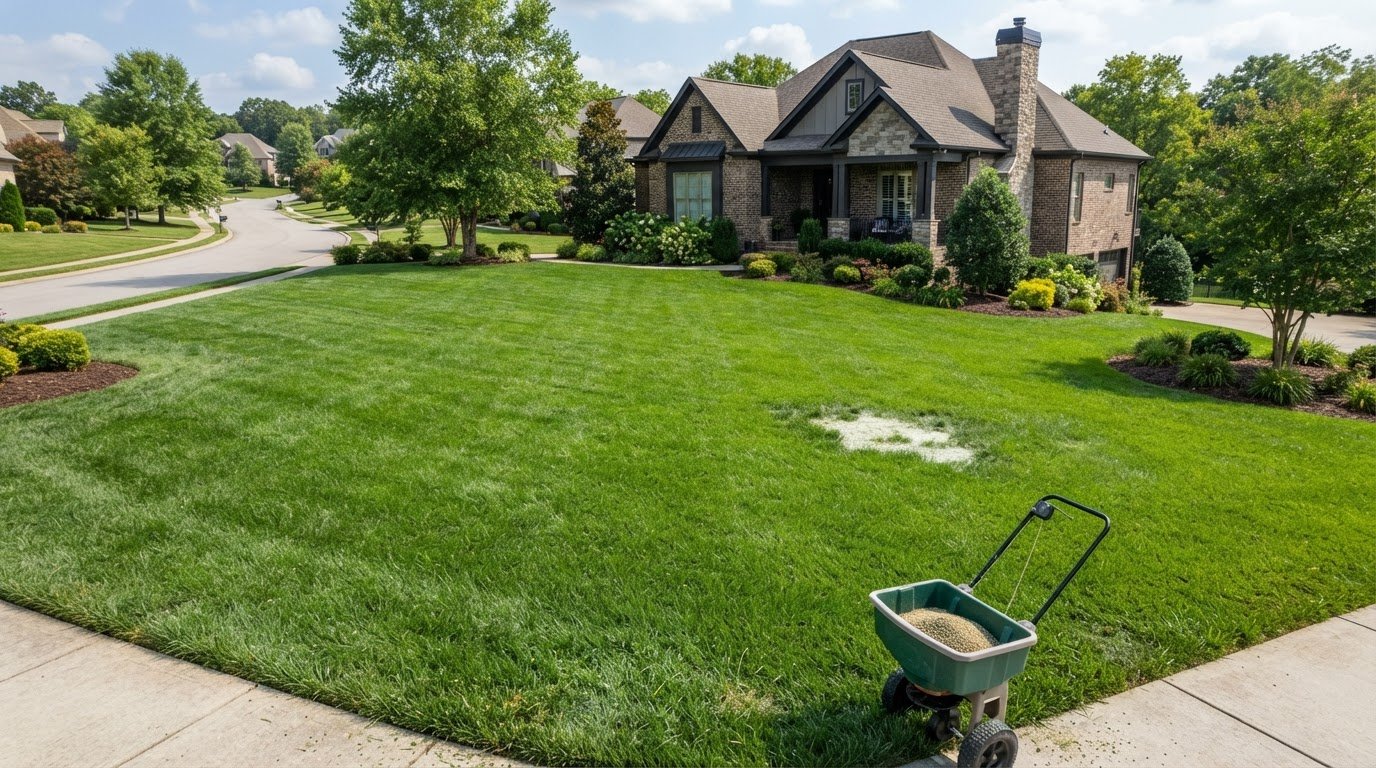
A thin-looking lawn doesn’t always need the same solution. Overseeding adds grass seed to existing turf to increase density or fill thinner areas. Renovation is a broader restoration effort for a lawn that has declined more extensively or isn’t responding well to routine care. The right scope depends on what’s happening beneath and among the grass, not just how the yard looks at a glance.
Persistent thin patches, bare soil, declining density, and weak recovery after ordinary care are reasons to take a closer look. Compacted soil, poor initial establishment, unsuitable grass, or growing conditions that don’t suit the lawn can all contribute. Adding seed without addressing an underlying problem may leave the same areas struggling again.
This video offers a practical look at the overseeding process:
When does a lawn need more than routine care?
Recurring bare spots or thinning that spreads across the yard call for closer assessment. A small, isolated area of damage may suit a targeted repair, while decline across much of the lawn may call for a broader renovation plan. Appearance alone can’t confirm the cause: a bare patch might reflect wear, poor seed establishment, or a soil issue, and widespread thinning can have several contributing factors.
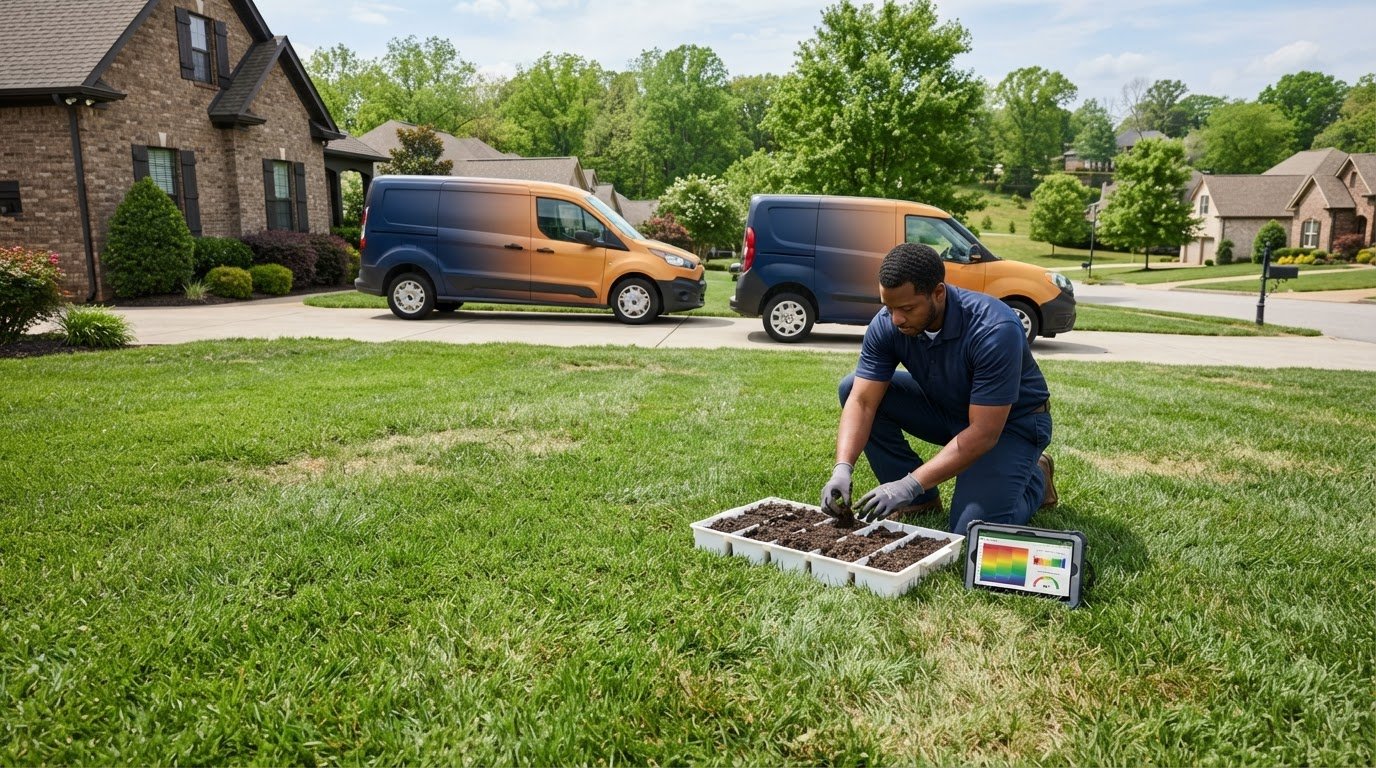
Before choosing seed or deciding how much turf to restore, consider where the trouble occurs, whether it keeps returning, and whether the surrounding grass is healthy. That assessment helps match the work to the problem instead of treating every symptom as a seed shortage.
What renovation and overseeding can, and can’t, do
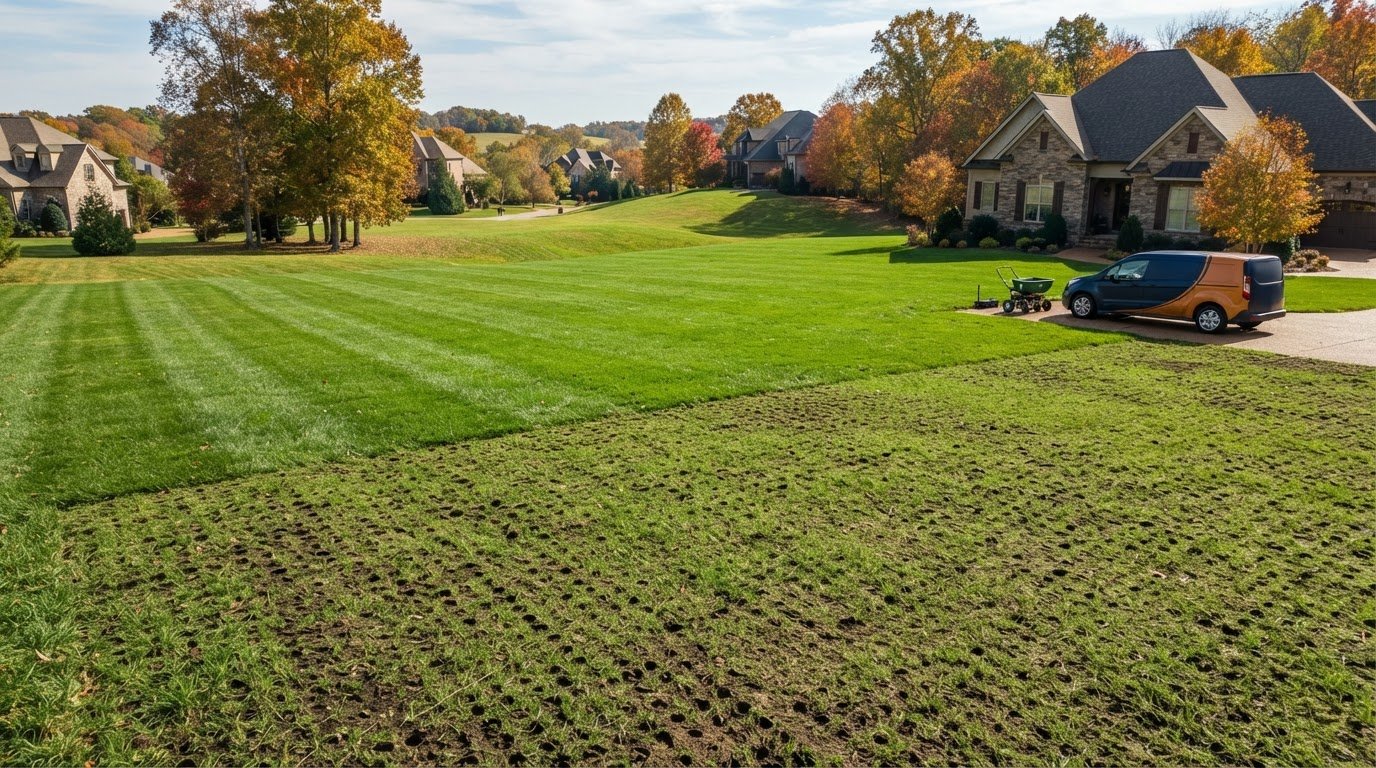
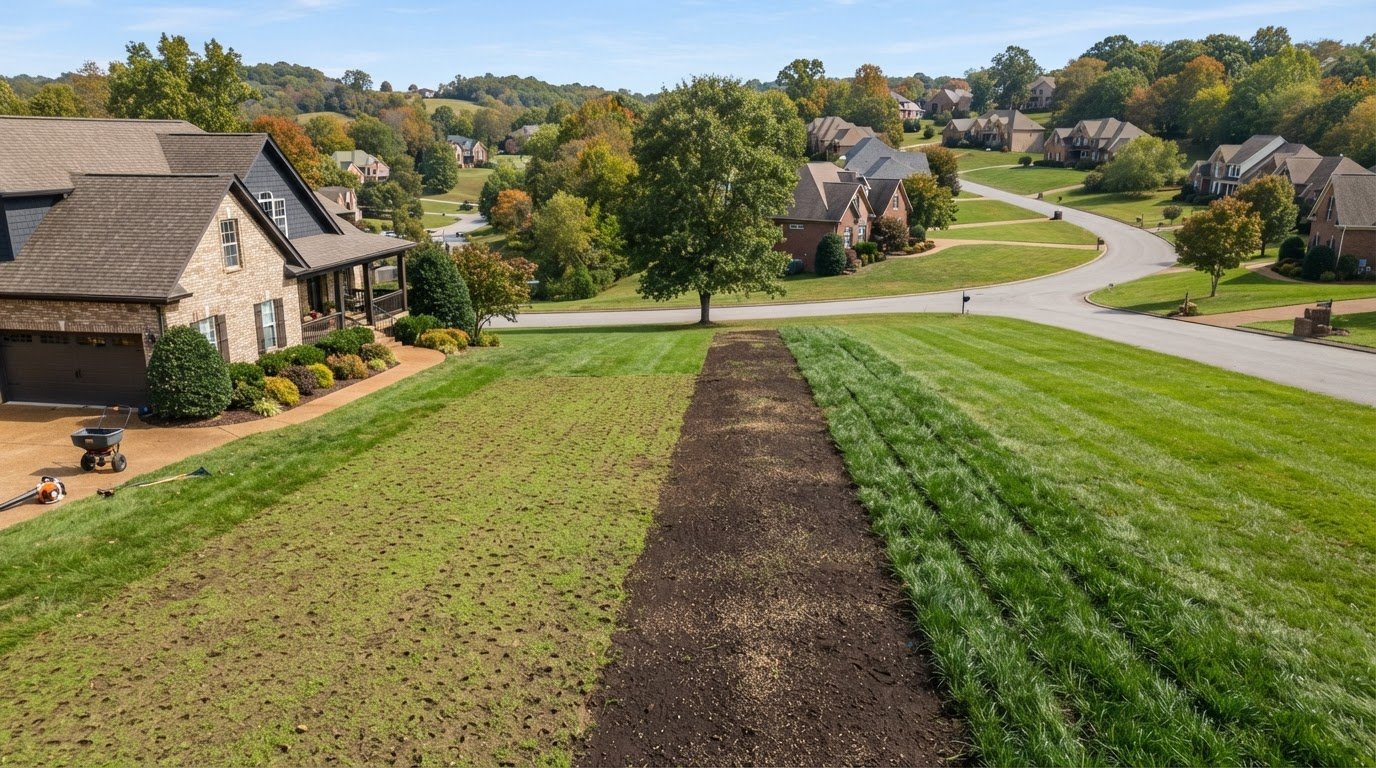
Added seed can help thicken suitable existing turf, improve the lawn’s appearance, and support a more resilient stand of grass when seedlings establish successfully. Preparation matters: seed needs suitable contact with soil, favorable growing conditions, and consistent follow-up care. Professional core aeration and overseeding can support establishment by creating openings in the soil while introducing seed into existing turf.
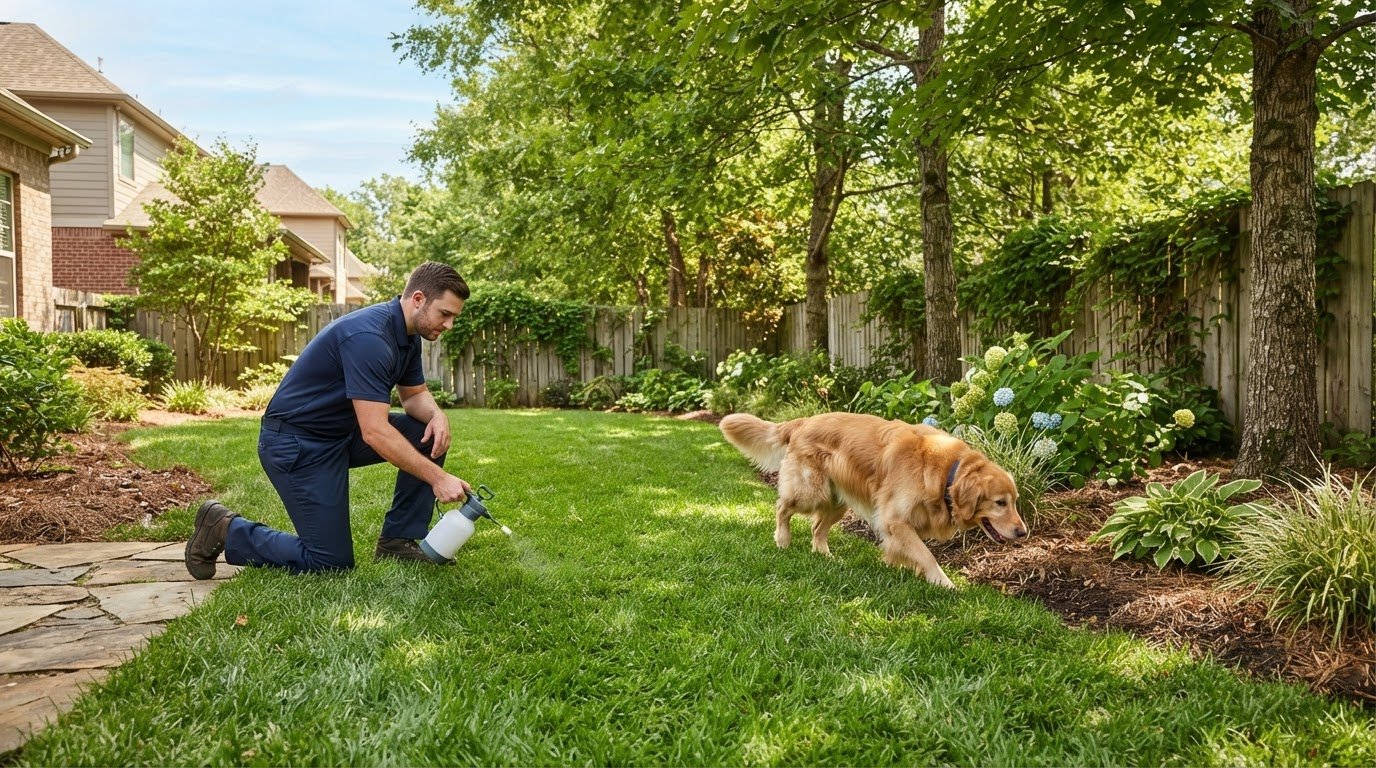
Seeding isn’t a cure-all. It won’t automatically resolve compaction, unsuitable grass, or ongoing care issues, and it can’t guarantee that unwanted weeds won’t return. Bermuda grass that has spread into an established fescue lawn can be extremely difficult to eliminate completely. Management generally focuses on limiting its spread, reducing its presence, and helping the desired fescue remain healthy and competitive. A realistic lawn renovation and overseeding plan starts with the cause, then sets a scope that the lawn’s condition and follow-up care can support.
How lawn renovation and overseeding support new turf growth
New grass needs more than seed spread across the lawn. For seedlings to establish, seed must reach the soil, receive suitable moisture, and grow under conditions that fit the grass type. In Middle Tennessee, compacted soil can make this harder by limiting the movement of water and air through the root zone. Core aeration and careful follow-up can help create better conditions, though no preparation method guarantees an even result across every part of a yard.
Think of the work as a chain: soil condition affects seed contact, seed contact affects establishment, and successful establishment can contribute to denser turf. If one link is weak, the lawn may remain thin despite added seed.
What core aeration contributes to overseeding
Core aeration removes small plugs of soil from the lawn. The openings can ease compaction, help water move into the soil, and create channels that support air exchange and root growth. In clay-heavy Middle Tennessee soils, relieving compaction can be a useful part of preparing turf for new seed. Core aeration and overseeding combine soil preparation with seeding, but aeration alone won’t correct every cause of poor growth.
For example, aeration won’t make an unsuitable grass type thrive in a challenging site, nor will it resolve every issue tied to lawn care or growing conditions. It’s a preparation technique, not a complete diagnosis or cure.
Why seed-to-soil contact and establishment care matter
Seed resting on dense grass, thatch, or loose debris may have less opportunity to contact soil, where it can take up moisture and begin growing. Preparing the lawn to expose soil gives seed a better starting point. After seeding, consistent moisture supports germination, but the right care depends on the seed and site. Follow seed-specific guidance and adjust for local conditions rather than relying on a one-size-fits-all schedule.
As you plan, consider how these factors work together:
- Soil condition: Compaction can make it harder for water and air to move through the root zone.
- Seed placement: Seed needs meaningful contact with soil, not just coverage over existing grass or debris.
- Grass type and site: Sun exposure, existing turf, and the selected grass influence how well seedlings establish.
- Follow-up care: Moisture and appropriate care after seeding help support germination and early growth.
These details matter because a lawn can respond unevenly. One area may establish well while another remains thin due to shade, soil differences, or inconsistent moisture. The University of Tennessee Turfgrass program offers a Tennessee-focused reference for turfgrass information. Use guidance that suits your grass and site conditions. Lawn renovation and overseeding work best as a coordinated effort, with preparation and aftercare supporting the seed rather than treated as optional extras.
For homeowners considering professional aeration and seeding, Performance Lawns can discuss your lawn care needs.
Overseeding or full renovation? Choose a scope that fits the lawn
The right scope depends on how much healthy, desirable turf remains and what is interfering with its growth. Overseeding adds seed to a lawn that still has grass worth preserving. Broader renovation may be appropriate when decline is widespread, bare areas are extensive, or the existing stand doesn’t suit your goals. Before deciding, assess the grass, bare areas, compaction, and competing vegetation. A plan based on those conditions is more useful than treating every lawn the same way.
Use this comparison as a starting point, not a diagnosis based on appearance alone:
| Lawn condition | Possible approach | Key limitation |
|---|---|---|
| Mostly desirable grass, with thin areas | Overseed existing turf | Preparation and follow-up care still affect establishment. |
| Thinness across much of the lawn, but useful turf remains | Assess whether overseeding with added soil preparation is suitable | Persistent site or care issues can undermine new growth. |
| Extensive bare ground or a poor, unsuitable stand | Consider a more complete renovation plan | More work may be needed to address existing vegetation and site conditions. |
| Desirable grass is crowded by unwanted vegetation | Identify the competing vegetation before choosing a seed plan | Seeding alone may not reduce competition. |
When overseeding may be a reasonable approach
Overseeding can be practical when healthy, desirable turf remains but has thin sections or needs more density. Because the existing grass stays part of the plan, prepare the lawn so seed can reach soil rather than simply settle on dense foliage or debris. Follow-up care matters, too. If the same areas keep declining, investigate the cause before assuming that adding seed will resolve the problem.
How to set expectations for fescue and grassy weeds
Consider whether the grass you want to establish can compete with what’s already growing. In a fescue lawn, identify areas where other grasses are spreading and decide whether the goal is to strengthen the desired turf or address competing growth as part of a broader plan. Seed selection and treatment decisions should account for the plants present. Overseeding by itself doesn’t determine which grass will dominate.
Before settling on a plan, note whether desirable turf remains throughout the lawn, whether thin sections are isolated or widespread, and whether compaction or competing vegetation may be involved. Those observations help clarify whether new seed can strengthen the existing lawn or whether a broader renovation deserves consideration. The best lawn renovation and overseeding plan matches the lawn’s condition, preparation needs, and realistic follow-up care rather than relying on a universal recipe.
Plan lawn renovation and overseeding for Middle Tennessee conditions
A successful plan follows the lawn’s needs and the season, not a calendar copied from another region. Middle Tennessee’s climate supports different grass types, and the right seeding period depends on what’s already growing, site conditions, and local weather. For tall fescue, the main aeration and overseeding window is generally late August through mid-October, with September often a strong target. University of Tennessee guidance and current local conditions can help refine the timing.
For tall fescue, the research-backed target is to seed between September 1 and October 15, allowing time for establishment before soil temperatures drop below 50°F. Weather can still affect the best day to begin. A general calendar from another region isn’t a substitute for local conditions in Mt. Juliet, Lebanon, Gallatin, Hendersonville, or elsewhere in Middle Tennessee.
Use this sequence to organize the work:
- Assess the lawn: Note thin and bare areas, the amount of healthy turf, and whether decline is isolated or widespread.
- Identify the grass: Determine what’s growing now and which grass you want to maintain. Seed choice and timing should suit the intended turf.
- Review the site: Consider sun exposure, drainage, compacted areas, and competing vegetation that could affect establishment.
- Set the timing: For fescue, use the local fall window as a guide and adjust for actual weather and site conditions.
- Prepare and seed: Match soil preparation and seeding to the lawn’s condition. Professional core aeration and overseeding can be part of that preparation.
- Monitor new growth: Keep track of moisture and seedling development, then adapt care as the grass establishes.
Build a local plan before choosing a seeding date
Before scheduling, write down the existing grass, sunny and shaded sections, areas that hold water, and places where turf repeatedly thins. These observations help shape a realistic plan and prevent one date or seed choice from being applied blindly across the property. Cool-season grass timing should reflect Middle Tennessee conditions, not a generic national calendar. Verify the current local window and grass recommendation before starting.
Care for newly seeded areas as they establish
Germinating seed needs consistent moisture, adjusted for rainfall, temperature, soil, and exposure. Follow guidance for the seed and site rather than relying on a fixed watering schedule. Limit avoidable foot traffic and other disturbance while seedlings are young. Mowing and follow-up treatments should wait until growth and product instructions indicate they’re appropriate; premature activity can disrupt developing turf.
Renovation is a process, not a single service date. Contact Performance Lawns about aeration and overseeding as you plan local preparation and seeding.
Get professional lawn renovation and overseeding support in Middle Tennessee
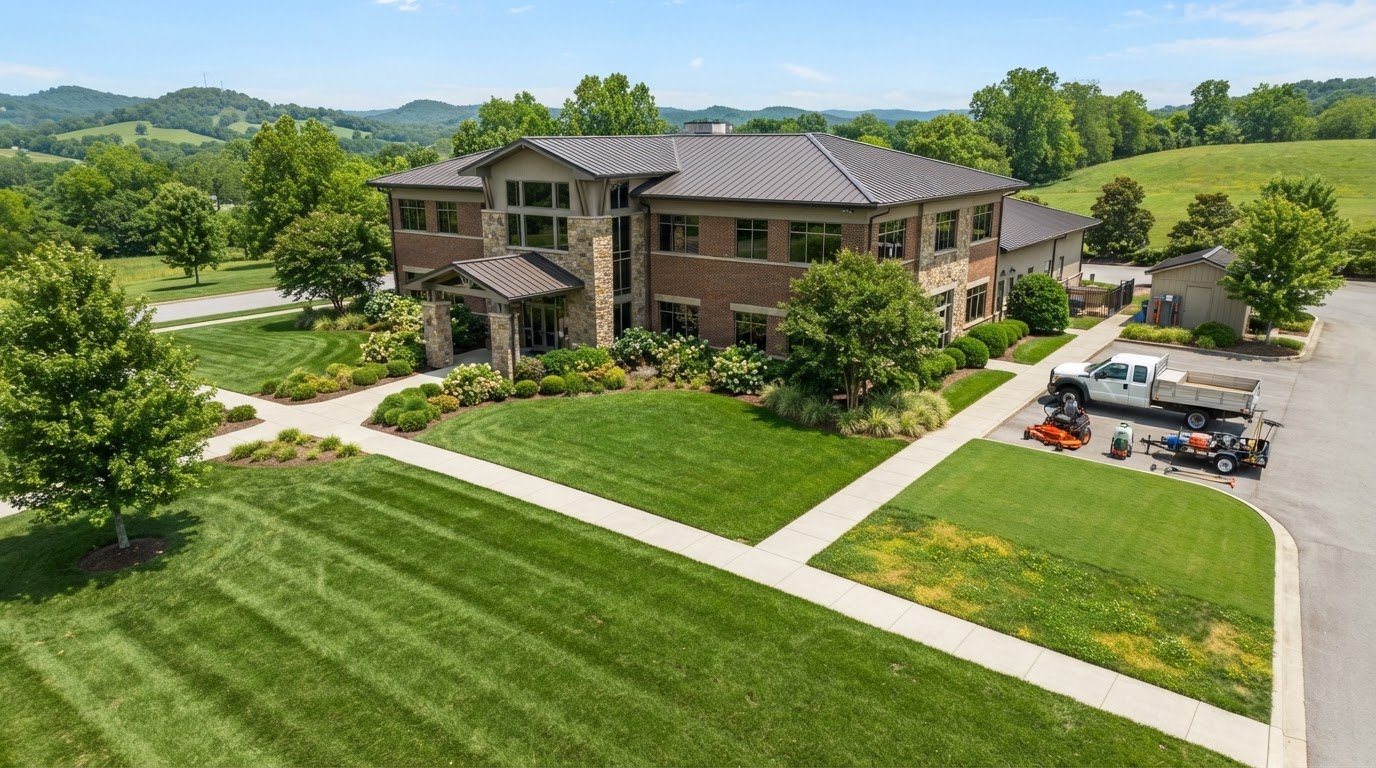
A local lawn plan should reflect the grass already growing, the condition of the turf, and the needs of the site. Performance Lawns provides residential core aeration and overseeding for homeowners in Mt. Juliet, Lebanon, Gallatin, Hendersonville, and Middle Tennessee. With over 15 years of experience, the team provides professional preparation and seeding suited to the lawn’s needs, without assuming the same outcome for every yard.
Core aeration removes small soil plugs, which can help relieve compaction and support water movement into the soil. Paired with overseeding, it can create useful conditions for seed establishment and a denser lawn. Results still depend on factors such as existing grass, weather, soil, seed establishment, and care after seeding. A site-aware plan starts with understanding what the lawn needs.
What local professional aeration and overseeding can support
Professional preparation can be especially useful when compacted soil or thin turf makes it harder to establish new grass. The approach should suit the lawn’s current condition and intended grass, rather than applying the same treatment without regard to the site. Learn more about residential core aeration and overseeding and how the service can support a thoughtful lawn plan.
Aeration and seeding are steps toward stronger turf, not a guarantee that every bare area will fill evenly or that all underlying problems will disappear. Seed needs appropriate conditions and follow-up care. Local professional support can help organize preparation around those needs while setting realistic expectations for establishment.
Take the next step toward a healthier Middle Tennessee lawn
A useful conversation starts with a clear picture of the yard. Share where the lawn is thin, what grass you believe is present, how the problem has changed over time, and what you hope to improve. Details such as sunny and shaded areas or spots that stay wet can also help describe the site and its needs.
Before reaching out, it may help to note:
- Whether thinning is limited to a few areas or spread across the lawn.
- Which parts of the yard receive full sun or more shade.
- What seeding or aeration has already been done, if known.
- What you’d most like to improve, such as turf density or recovery in thin sections.
This information gives the discussion a practical starting point for residential aeration and overseeding. The right next step depends on the lawn, its growing conditions, and the care new grass can receive as it establishes. Homeowners in Performance Lawns’ Middle Tennessee service area can discuss their lawn and possible next steps with the team.
Take the next step toward a stronger lawn
A lawn doesn’t need a one-size-fits-all fix. The most useful next step is a clear conversation about what you’re seeing and what you want your yard to become. That gives your lawn renovation and overseeding plan a practical starting point, whether the goal is to improve thin sections or consider a broader restoration approach.
Performance Lawns brings over 15 years of experience to residential aeration and overseeding in Mt. Juliet, Lebanon, Gallatin, Hendersonville, and Middle Tennessee. Share where the turf is struggling, what you’ve noticed over time, and what outcome matters most to your household. Those details can help shape a thoughtful discussion about a suitable next step, with expectations grounded in the lawn’s condition and the care new grass will need.
Talk with Performance Lawns about your lawn and take a practical first step toward healthier turf. With a well-matched plan and attentive follow-up, your lawn can have a stronger foundation for the seasons ahead.
Frequently Asked Questions
Can I overseed my lawn without core aeration?
Yes, overseeding can work without core aeration if the soil isn’t compacted and seed can reach it through the existing grass. If the lawn is easy to penetrate and water soaks in rather than pooling, aeration may not be necessary for every area. Consider the lawn’s history, too. If seedlings repeatedly fail in the same spots, reassess the conditions before repeating the same lawn renovation and overseeding approach.
How long does it take for overseeded grass to germinate?
Germination timing varies by grass seed type and growing conditions. Check the seed label for expected germination guidance, then consider soil moisture and temperature at your site. Dry soil or cool conditions can slow emergence, while favorable conditions may produce visible sprouts sooner. Keep the seedbed appropriately moist and avoid judging success only by the first few days. Look for gradual emergence across seeded areas.
Can I overseed a lawn in the spring in Middle Tennessee?
Yes, spring overseeding is possible, but it may be less favorable for cool-season grass such as fescue. Young seedlings need time to establish, and later heat and weed competition can challenge them. Success depends on the grass type, local weather, preparation, and follow-up care. Before seeding, consider whether the site can support establishment and use current Middle Tennessee guidance rather than relying on a date from another region.
Should I fertilize before or after overseeding?
Fertilizer timing depends on the product, seed type, and lawn’s condition, so follow the product label and any seed-specific directions. Some products are intended for use around seeding, while certain weed-control treatments can restrict when new grass may be planted. Check reseeding instructions before applying a treatment, and don’t assume that more fertilizer will help seedlings establish. If you’re using several products, make sure their directions are compatible.
Can new grass grow in a shady lawn?
It can, if the area receives enough light for the selected grass to grow. Shade beneath trees or beside buildings can limit growth, and tree roots may also compete for water and nutrients. Observe how much direct and filtered light the area receives, then choose seed suited to those conditions. If the shade is dense, even well-prepared seed may establish poorly, so set realistic expectations for coverage and density.
What should I do if Bermuda grass is growing in my fescue lawn?
Start by noting where Bermuda grass appears and whether those areas change over time. Photos taken from the same viewpoints can help track its location and spread, while a simple lawn sketch can show whether it’s near edges, beds, or other boundaries. Keep those observations with notes about previous seeding and treatments. Bermuda grass that has spread into an established fescue lawn can be extremely difficult to eliminate completely. Management efforts generally focus on limiting its spread, reducing its presence, and helping the desired fescue remain healthy and competitive.
Can I overseed a lawn that has a lot of weeds?
Possibly, but identify the competing plants before choosing a seeding and treatment plan. Record where they’re concentrated and check product labels for any restrictions on planting grass seed after application. Dallisgrass and Johnsongrass are invasive grassy weeds that can be more challenging to manage than many common broadleaf weeds. They may need a separate or targeted treatment approach rather than the treatments normally used for broadleaf weeds. Identify the plants and consider how treatment timing may affect seeding before proceeding.