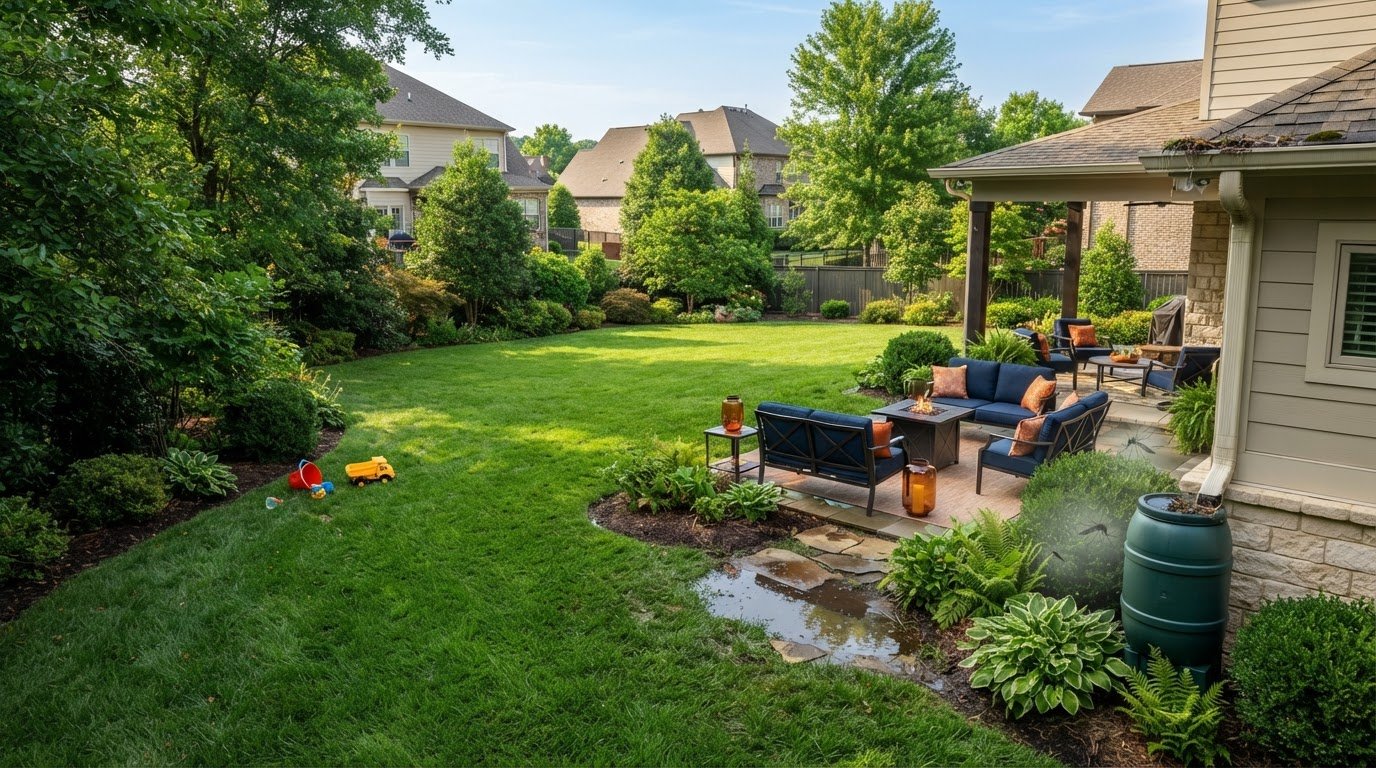


What if a thicker fescue lawn depends less on spreading more seed and more on getting the timing and preparation right? If you’re planning fescue grass overseeding in Middle TN, past thin or uneven results can make it hard to know what to change. The right season matters, but so do seed-to-soil contact, moisture, and competition from weeds or other grass.
In Middle Tennessee, late August through mid-October is generally the recommended window, with September often the most reliable month. The season is a starting point, not a guarantee of ideal weather. This guide covers how to choose a suitable time, prepare the lawn, and care for new seed, while setting realistic expectations: establishment depends on lawn and weather conditions, and overseeding takes consistent follow-through.
You’ll also learn what can interfere with new fescue, when core aeration may help seed reach the soil, and how professional aeration and overseeding can fit into a broader lawn-improvement plan. Performance Lawns, INC has more than 15 years of local experience matching lawn care to the property’s condition.
When to Overseed Fescue Grass in Middle Tennessee
Fall is commonly favored for fescue overseeding in Middle Tennessee. The usual regional window runs from late August through mid-October, and September is often the most reliable month. Treat those dates as a seasonal guide, not a fixed appointment with perfect weather. The right timing depends on current temperatures, rainfall, and whether the soil is ready to receive seed.
Fescue is a cool-season grass, so new seedlings need conditions that support germination and early growth without excessive heat stress. As temperatures ease, the soil can remain warm enough for seed to sprout while cooler air is less demanding on young grass. For background on the grass family, see About Fescue Grass.
In Middle Tennessee, time fescue overseeding for a stretch of suitable growing weather, not a date circled on the calendar. That’s a practical rule for homeowners planning fescue grass overseeding in Middle TN.
How Middle Tennessee weather shapes the seeding window
Heat can dry the surface quickly and stress tender seedlings, while irregular rainfall may leave seed without the steady moisture it needs to germinate. Rain can help, but heavy rainfall may move seed before it settles into the soil. Seed resting on leaves or thick thatch is less likely to establish than seed placed against prepared soil, so seed-to-soil contact matters.
Use the seasonal window alongside local conditions. Check the forecast, notice whether the soil is drying quickly, and consider whether you can keep the seedbed consistently moist after sowing. Conditions can vary from one fall to the next, so base your timing on the weather you’re experiencing rather than relying on a date alone.
Is fall the right time for every fescue lawn?
For routine overseeding across thin turf, fall is generally preferred because it gives young fescue a chance to establish under cooler conditions. But the calendar alone can’t tell you whether a particular lawn is ready. Compacted soil, heavy thatch, poor seed-to-soil contact, or dry weather can all affect the outcome. Core aeration may help address compaction and create openings for seed to reach the soil. Performance Lawns, INC provides residential core aeration and overseeding as part of lawn improvement.
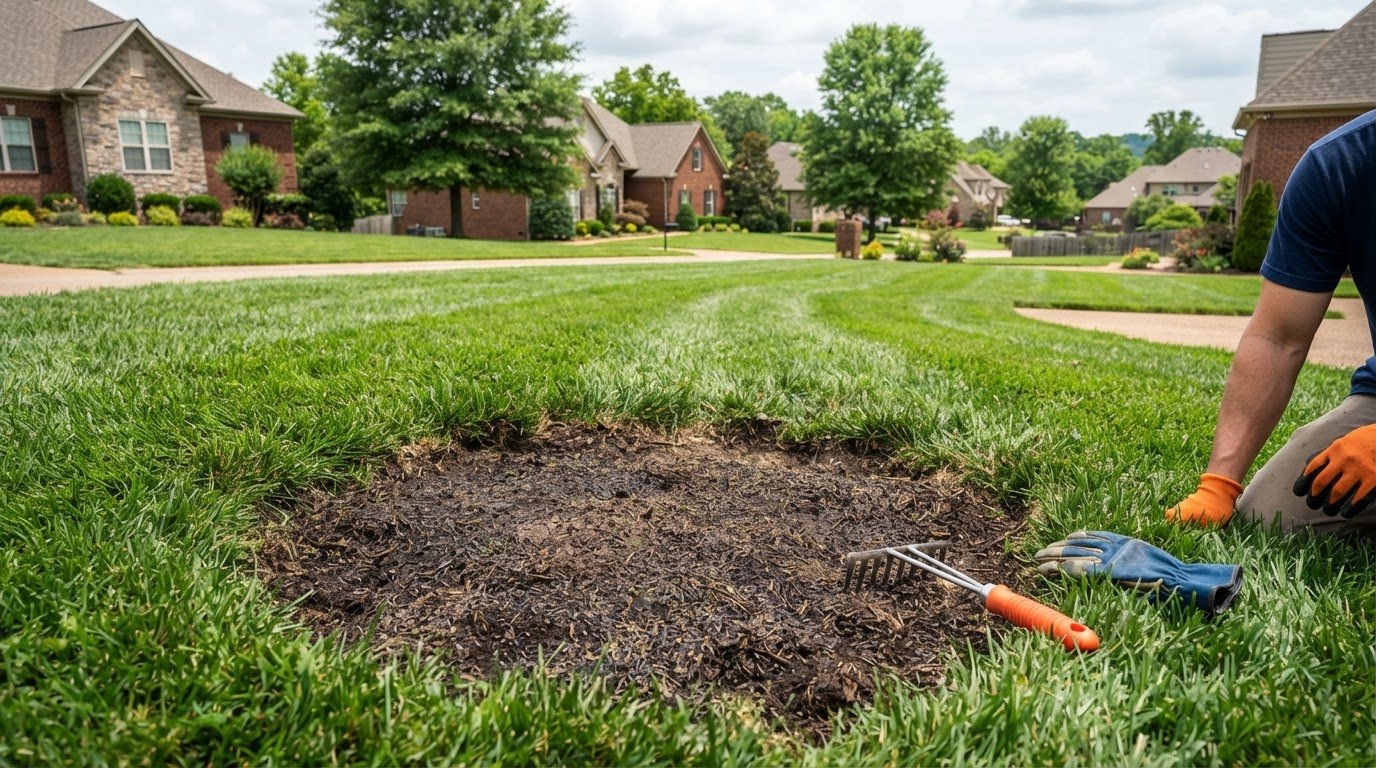
An isolated bare spot may need attention before the next broad overseeding cycle, especially if erosion or ongoing wear is exposing soil. Assess the cause and current weather first. A small repair still needs suitable growing conditions and reliable moisture; sowing into hot, dry conditions may waste seed rather than restore coverage.
Before choosing a date, consider:
- Whether temperatures are easing from summer heat.
- Whether rainfall and your watering routine can keep the seedbed moist.
- Whether the lawn is prepared to give seed contact with soil.
A favorable window improves the opportunity for establishment, but it can’t guarantee uniform growth. Match the timing to the lawn’s condition and the weather you’re actually experiencing.
What Helps Fescue Seed Establish in a Middle Tennessee Lawn?
Overseeding means adding fescue seed to existing turf to thicken coverage and help fill thin areas. The seed needs more than a favorable season: it must reach the soil, encounter conditions that support germination, and receive consistent care afterward. A lawn with bare patches, compacted ground, or vigorous competing grass may need a different approach from one that’s simply a little thin.
Successful fescue overseeding depends on seed placement, suitable growing conditions, and steady follow-up care, not seed alone. Keep those factors in mind when planning fescue grass overseeding in Middle TN.
Prepare the surface so seed can make contact with soil rather than resting on leaves, debris, or thick thatch. After seeding, keep the surface from drying out. Newly sown areas need consistent moisture. Keep the top inch of soil moist during the first two to three weeks, often with light, frequent watering, and adjust to rainfall and local watering requirements.
How core aeration can support fescue overseeding
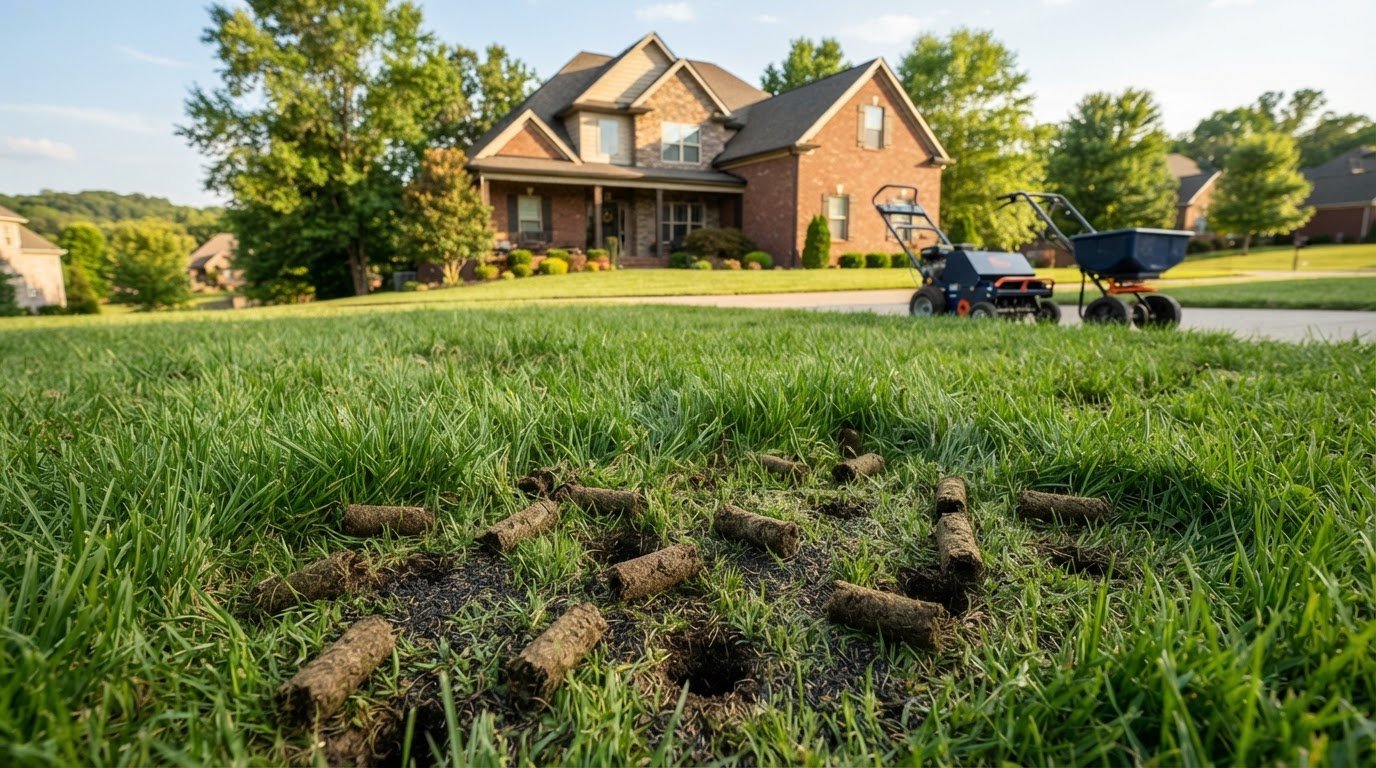
Core aeration and overseeding are related, but they aren’t interchangeable. Aeration creates openings in compacted turf that can help seed reach the soil; overseeding introduces the seed itself. Aeration may be useful where compacted ground makes establishment harder, but it doesn’t replace appropriate seed placement and follow-up care.
For a broader seasonal reference, NC State Extension’s Tall Fescue Maintenance Calendar outlines maintenance considerations for tall fescue. Performance Lawns, INC provides residential core aeration that can be paired with overseeding when the lawn’s condition calls for both.
What can limit new fescue establishment?
Seed may struggle if it lands on thatch instead of soil, if weather is too hot or dry, or if moisture is uneven across the yard. Existing turf can also compete for light, water, and space. Seed tucked beneath dense grass, for example, has less opportunity to establish than seed placed in a thin area with clear soil contact.
Bermuda grass that has spread into an established fescue lawn can be extremely difficult to eliminate completely. Management generally focuses on limiting its spread, reducing its presence, and keeping the desired fescue healthy and competitive. Overseeding alone shouldn’t be expected to resolve the issue.
After seeding, check the lawn regularly rather than assuming rainfall will keep every area moist. Sloped ground, sunny edges, and sheltered spots can dry at different rates. Keep foot traffic light while seedlings establish, and follow product-label directions if lawn treatments are part of the plan. Results vary with site conditions and care, so a thicker stand may take time.
If you’re weighing whether aeration and overseeding fit your lawn’s condition, learn about residential lawn improvement from Performance Lawns, INC.
Thin Fescue, Bare Spots, or Competing Grass: Which Lawn Needs What?
Before adding seed, identify the pattern in the lawn. A thin stand of living fescue, a few exposed patches, and areas occupied by other grass can call for different next steps. Overseeding introduces seed, but it won’t automatically correct the reason turf is sparse. First decide whether your goal is to thicken existing fescue, repair specific spots, or address competition before adding more seed.
| Lawn condition | What to assess | Question to ask |
|---|---|---|
| Thin established fescue | How much living fescue remains, and is the thinning consistent across the lawn? | Can new seed build on the existing turf? |
| Isolated bare areas | Are patches linked to wear, runoff, shade, or another recurring site condition? | What is likely to keep this spot from filling in? |
| Competing grass or weeds | Which plants are present, and where are they concentrated? | Should competition be addressed as part of the lawn plan? |
When overseeding may suit an established but thin fescue lawn
Overseeding may suit a lawn where fescue is still growing but coverage looks uneven. Look closely at sparse areas: if blades are present between small openings, adding seed may help build density over time. If large sections have little or no turf, consider whether the cause is broader than low seed coverage. For fescue grass overseeding in Middle TN, assessing the existing grass first helps set realistic expectations.
Compare thin areas with healthier parts of the yard. Differences in shade, foot traffic, or surface drainage can help explain why coverage varies. Overall lawn health matters too, so fertilizer and weed-control decisions should fit the condition of both established turf and new seed. A fertilization and weed control program can be part of a broader care plan, with treatment timing guided by product directions and the seeding program.
When weeds or other grasses complicate overseeding
Identify competing plants before sowing. Dallisgrass and Johnsongrass are invasive grassy weeds that can be more challenging to manage than common broadleaf weeds. They may need a separate or targeted treatment approach rather than the treatments typically used for broadleaf weeds. If Bermuda grass is present, note where it occurs and how much of the lawn it occupies. Overseeding itself isn’t a treatment for Bermuda grass.
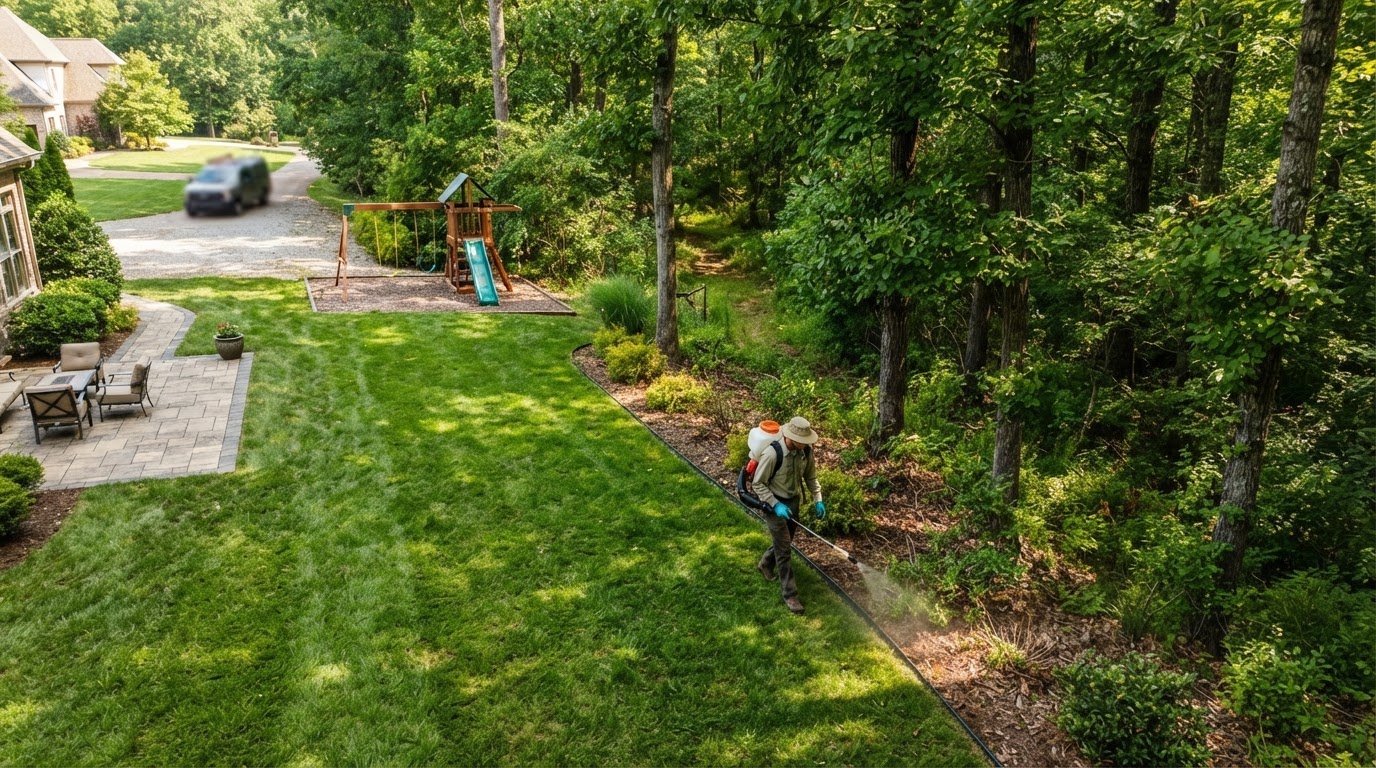
Weed control can help manage common lawn weeds, but it doesn’t mean every unwanted plant will disappear. New seed also needs consideration when planning herbicide use, since some products can damage establishing grass. Follow product-label directions and coordinate treatment timing with seeding. A lawn assessment can clarify whether the immediate priority is adding fescue, addressing a specific competing plant, or investigating why turf is declining. Matching the work to the problem is more effective than expecting seed alone to solve it.
A Practical Middle Tennessee Fescue Overseeding Plan
A dependable overseeding plan is a sequence, not a single application. Assess the lawn, choose a suitable window, prepare the surface, apply seed, then follow care instructions suited to the seed and property. This helps identify obstacles before investing effort in areas where seed may struggle. Homeowners planning fescue grass overseeding in Middle TN should tailor each step to the lawn’s condition and current weather.
- Assess the turf. Decide whether the lawn is thin but established, patchy, extensively bare, or affected by competing grass. Look for compacted areas, thick thatch, and recurring sources of damage that could undermine new growth.
- Choose the timing. Use the fall window as a guide, then consider current temperatures, rainfall, and the time available for follow-up care. Don’t treat a calendar date as a guarantee of favorable conditions.
- Prepare the area. Clear surface debris and consider whether seed can reach the soil. Where compaction is a concern, core aeration may support seed placement. Performance Lawns, INC provides professional aeration and overseeding for residential lawns.
- Apply seed and follow the care plan. Use a rate and method appropriate to the lawn and seed program. Watering, treatment timing, and mowing guidance can vary, so follow the instructions for the specific work rather than assuming one schedule fits every yard.
What to assess before scheduling overseeding
Walk the property and note whether thin coverage is widespread or limited to a few spots. Check how shade changes across the lawn, whether water drains or collects unevenly, and where foot traffic repeatedly wears turf down. These observations help identify likely challenges, but they don’t replace an assessment of the property. A shaded strip and a sunny, high-traffic path, for example, may need different expectations even within the same yard.
Consider whether competing grass or weeds are concentrated in certain areas or spread throughout the lawn. Overseeding may add fescue, but it won’t automatically correct the conditions that caused poor coverage. Understanding those conditions helps shape a practical plan before seed is applied.
What to expect after seed is applied
Establishment takes time. Germination and growth depend on seed-to-soil contact, weather, moisture, and existing turf, so don’t expect instant, uniform coverage or rely on a fixed timeline. Follow the care instructions for the particular lawn and treatment, including guidance on watering, mowing, and lawn products. If conditions change, such as rainfall becoming scarce, consistent attention may be especially important.
Professional help can bring preparation and follow-through into one coordinated lawn-improvement plan, while still allowing site conditions to shape expectations. Explore residential overseeding with Performance Lawns, INC.
Professional Fescue Overseeding in Middle Tennessee: What Local Service Adds
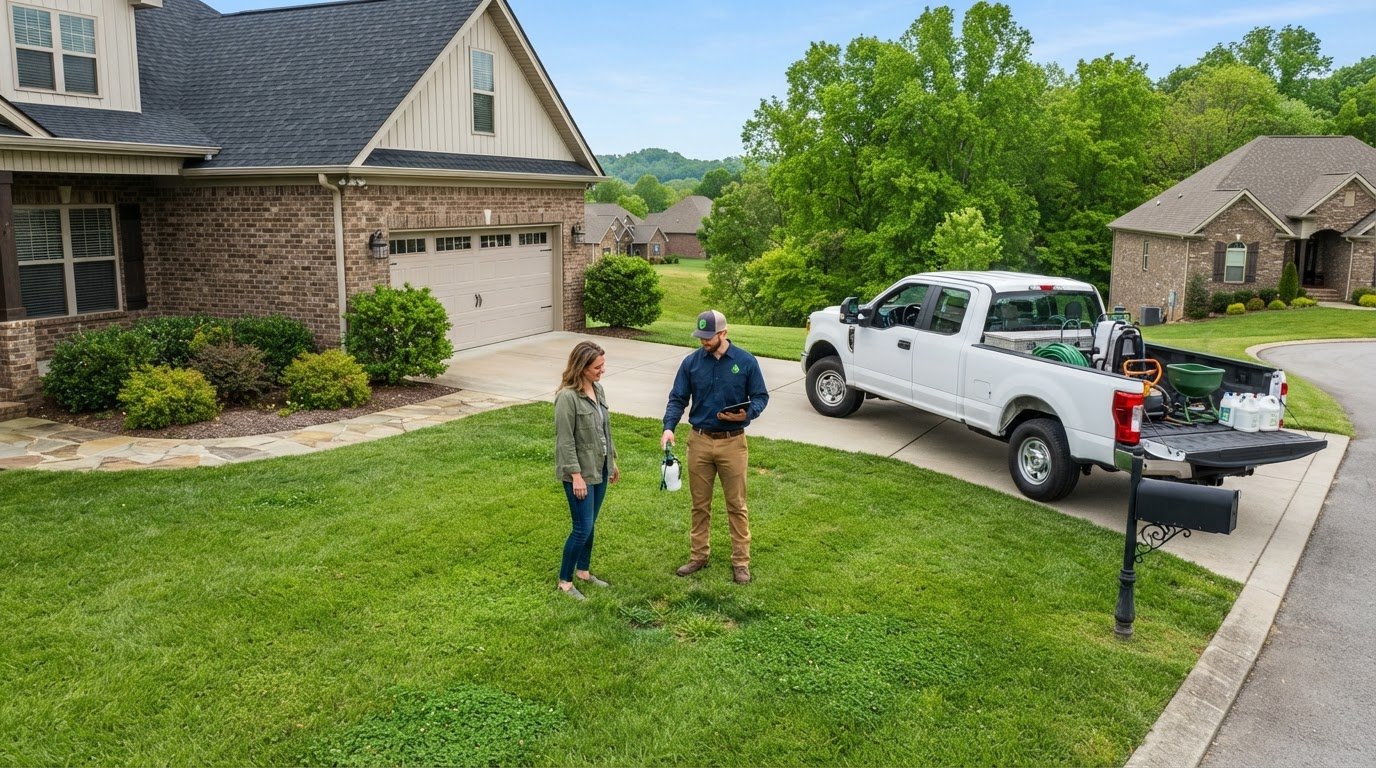
Professional help can connect the lawn’s condition to the work plan. Before recommending core aeration and overseeding, an assessment can consider whether fescue is thin, where bare areas occur, and whether compaction may be limiting turf growth. That context helps determine whether both services fit, rather than treating every lawn as if it needs the same approach.
Performance Lawns, INC provides residential core aeration and high-quality overseeding in Middle Tennessee. Core aeration can support soil oxygenation and water penetration, while overseeding adds fescue seed to existing turf. Together, these services can be part of a plan to improve lawn density, but they don’t automatically resolve weeds, disease, drainage issues, or every cause of thin grass. Results still depend on site conditions and follow-up care.
How Performance Lawns, INC approaches residential aeration and overseeding
With more than 15 years of experience, Performance Lawns, INC brings local lawn-care knowledge to the planning process. The goal is to match the work to the property: assess where the lawn could benefit from aeration, determine whether overseeding fits its condition, and set clear expectations for establishment. These services can support healthier turf, but they can’t promise that every seed will grow or every thin area will fill evenly.
Good planning also means recognizing when overseeding is only one part of the picture. If unwanted plants or another persistent problem is affecting the fescue, that issue may call for additional management. An assessment helps place aeration and seed in a broader lawn-improvement plan without overstating what those services alone can accomplish.
Local service for Mt. Juliet and nearby Middle Tennessee communities
Performance Lawns, INC serves homeowners in Mt. Juliet, Lebanon, Gallatin, and Hendersonville. Local experience is useful because choosing a plan means considering the lawn in front of you, not relying on a one-size-fits-all prescription. Shade, drainage, traffic, turf density, and current weather can differ from property to property, even within the same community.
For homeowners considering fescue grass overseeding in Middle TN, professional guidance can connect those observations to practical next steps. You’ll get a clearer picture of how core aeration and overseeding may fit the lawn’s needs, along with the importance of care after seed is applied. The aim is steady improvement, with expectations grounded in the conditions each lawn presents.
Performance Lawns, INC includes a no-risk guarantee with its lawn care services. Plan around the lawn’s condition and support new seed with appropriate care. To discuss a plan for a healthier, denser fescue lawn, talk with Performance Lawns, INC about fescue overseeding.
Give Your Fescue Lawn a Thoughtful Next Step
A lawn-improvement plan doesn’t have to begin with a perfect picture of the finished yard. Start with a clear goal: fuller coverage, stronger growth in a problem area, or a better understanding of what’s holding the turf back. That goal can guide the next decision and keep expectations grounded in the lawn’s actual condition.
For homeowners planning fescue grass overseeding in Middle TN, a measured approach means considering what the lawn needs, how much ongoing care is practical, and whether professional support would make planning easier. Establishment takes time, and each property responds to its growing conditions. A thoughtful plan can move the lawn in a healthier direction without promising instant or uniform results.
Performance Lawns is ready to help you plan the next step for your fescue lawn. Talk with Performance Lawns about fescue overseeding.
Frequently Asked Questions
Can you overseed fescue in Middle Tennessee in the spring?
Yes, spring overseeding is possible, but fall is generally the preferred window for fescue in Middle Tennessee. Spring seedlings have less time to establish before summer heat can add stress, so results may be less dependable. For homeowners in Mt. Juliet, Lebanon, Gallatin, and Hendersonville, local weather and the lawn’s condition still matter. If you’re considering spring seeding, plan for careful follow-up and realistic expectations rather than assuming the season alone will ensure success.
Does a fescue lawn need aeration before overseeding?
No, not every fescue lawn needs aeration before seed is added. Core aeration can be useful where compacted soil limits seed’s access to the ground, but a lawn with open, receptive soil may not have the same need. Consider how easily water enters the soil and whether the ground feels hard underfoot. Aeration and overseeding serve different purposes, so let the lawn’s condition guide whether they’re paired.
How long does fescue take to grow after overseeding?
There isn’t one reliable timeline for every lawn. Seed variety, soil contact, temperature, and moisture all influence when seedlings appear and how quickly they fill in. Some areas may show growth before others, especially if sunlight and soil moisture vary across the yard. Care for the seedbed according to the instructions for the seed program, and avoid judging success by a single early check. Establishment is gradual, not instant.
Can overseeding fix bare spots in a fescue lawn?
Overseeding can add fescue to bare areas, but it won’t correct the reason those areas formed. A patch beneath a downspout, for example, may need attention to water flow as well as new seed; a worn path may keep thinning if traffic continues. Prepare exposed soil for good seed contact, then follow the recommended care instructions. If bare ground covers a large part of the lawn, assess the cause and scope before choosing a repair approach.
Can Bermuda grass be removed from a fescue lawn by overseeding?
No. Overseeding adds fescue seed; it isn’t a Bermuda grass removal treatment. Before deciding how to proceed, note whether Bermuda is limited to a few patches or appears throughout the lawn, since the scale of the issue affects the broader plan. Keep the two goals distinct: adding fescue may improve coverage where it establishes, but it shouldn’t be expected to resolve the Bermuda grass present in the lawn.
Should I fertilize a fescue lawn when I overseed it?
Fertilizer may be appropriate, but the right choice and timing depend on soil conditions, the lawn’s needs, and the seed-care plan. A soil test can help identify pH or nutrient concerns rather than relying on guesswork. Coordinate any fertilizer application with overseeding instructions, especially if other lawn treatments are planned. Avoid assuming that more fertilizer will make seed establish faster; let the lawn’s condition and product directions guide care.
Will overseeding control weeds in my fescue lawn?
Overseeding isn’t a weed-control treatment and won’t reliably remove existing weeds. A denser fescue stand may help the desired turf compete for space, but weed pressure can still require separate management. Treatment timing matters because some herbicides can harm new seedlings; follow each product’s label for use around newly seeded grass. Grassy weeds may also need a different approach from broadleaf weeds, so identify what’s growing before planning treatment.