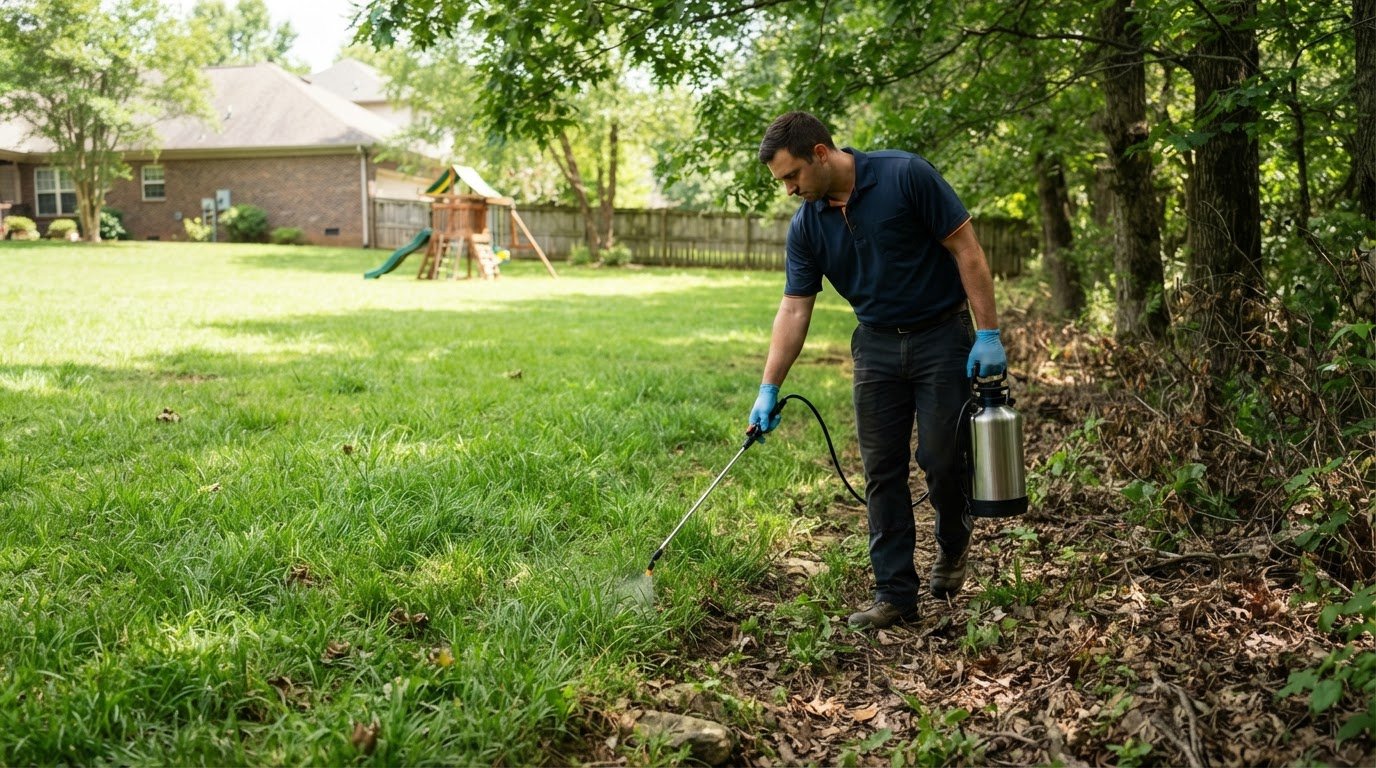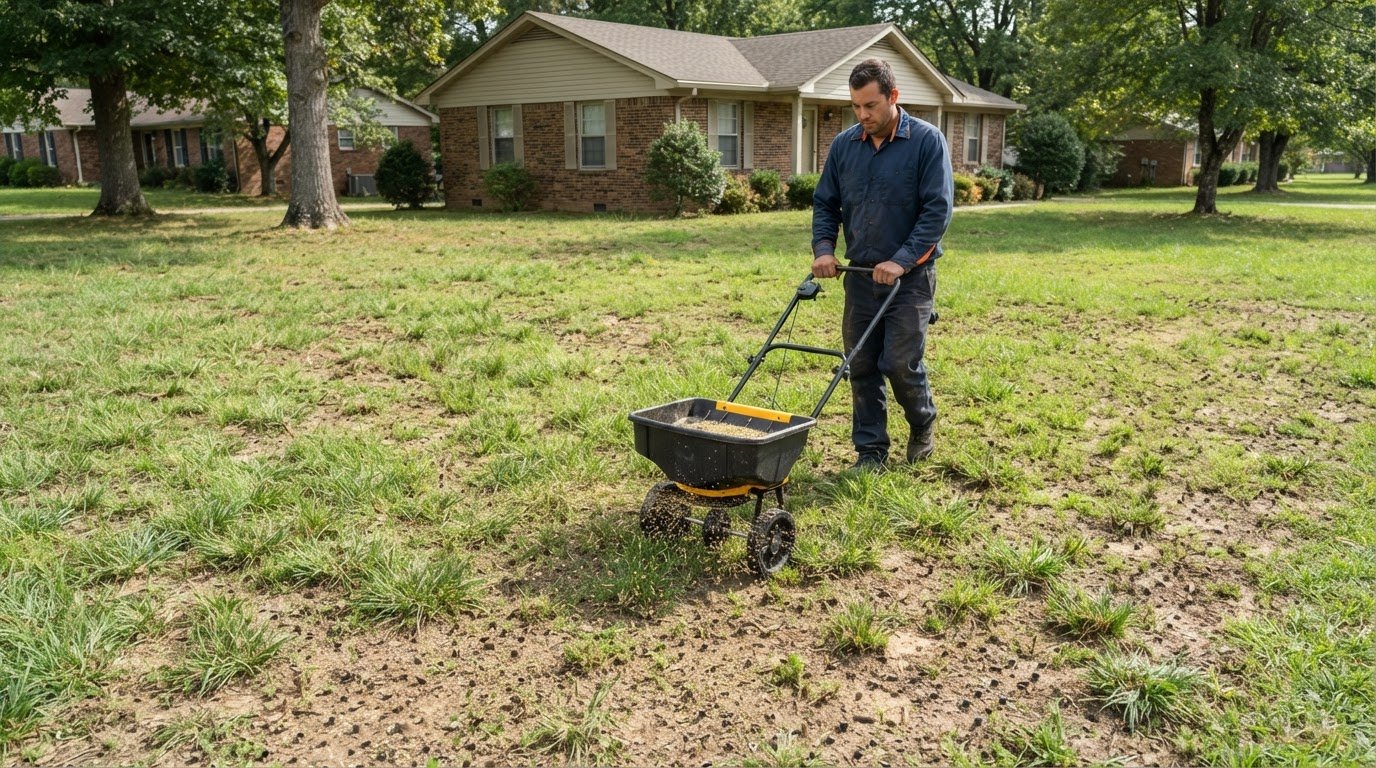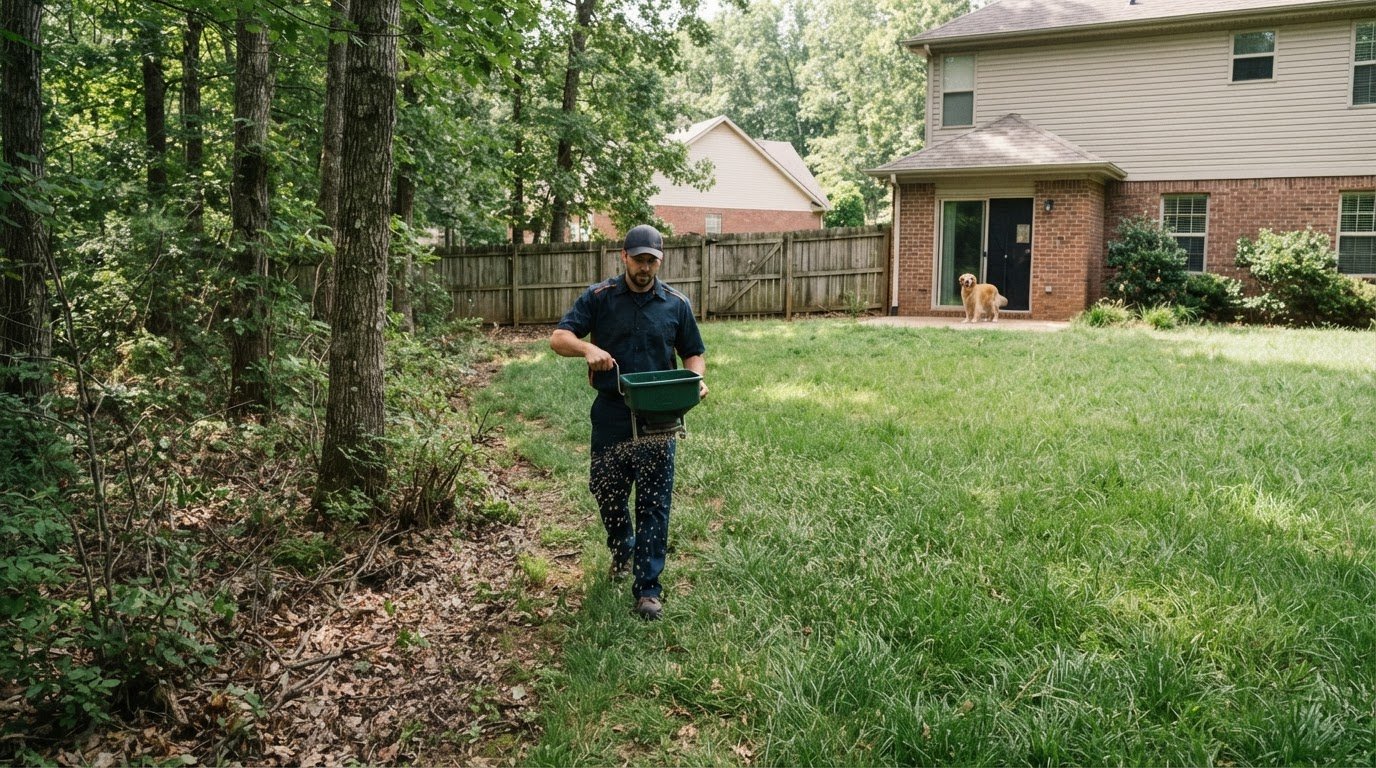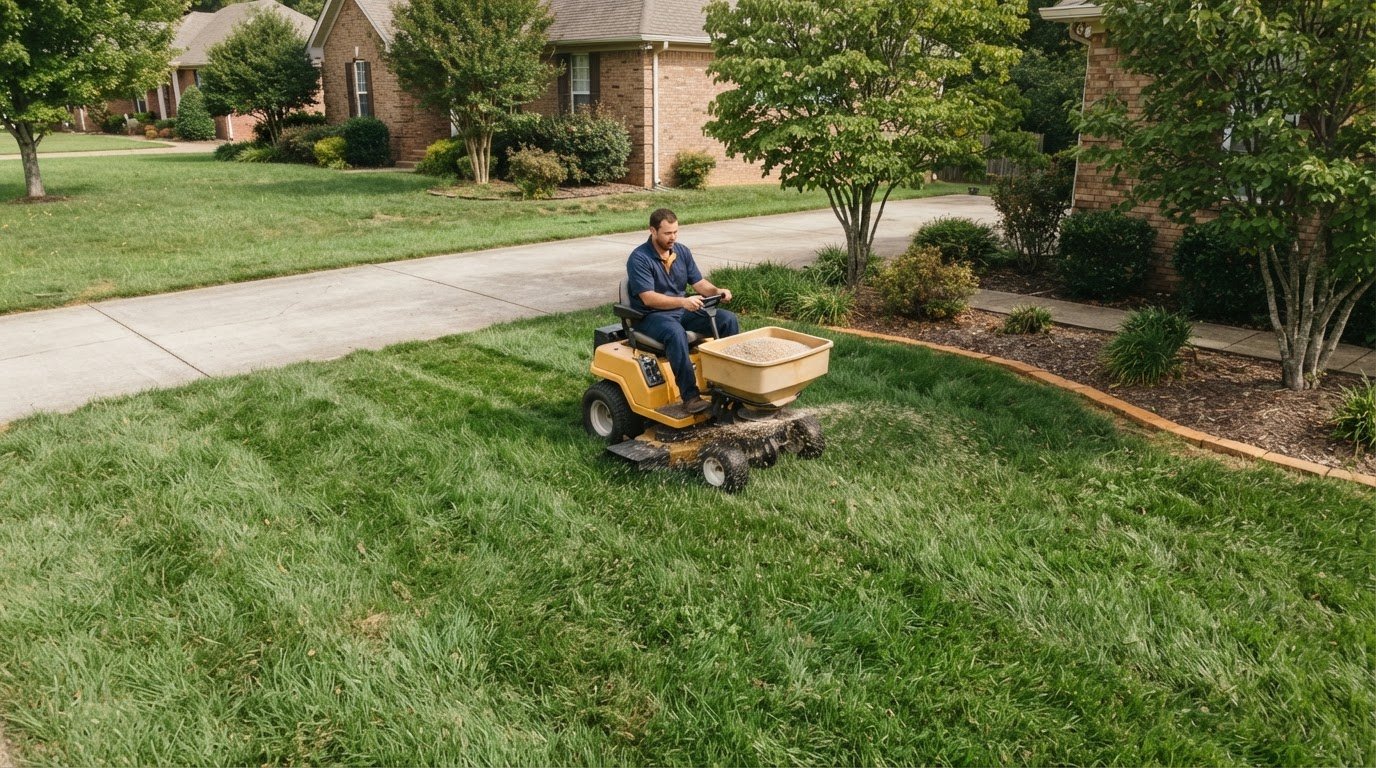
A lawn treatment should be guided by where pests are active, not applied by guesswork. For pest control for ticks and fleas in Hendersonville lawns, an inspection helps identify shaded, damp areas and landscape edges that may need attention, while pets and children should return to treated areas according to the service guidance provided.
It’s reasonable to want effective pest control without guessing when your family can use the yard again. The right approach considers your lawn’s conditions and the pests present instead of treating every property the same way.
Here, you’ll learn how inspections guide targeted control for fleas, ticks, fire ants, and other surface insects, what affects treatment and re-entry guidance, and what guarantees may exclude. You’ll also see how vegetation, drainage, and pet traffic can shape a plan, so you can understand what a professional evaluates and what to expect from a practical, property-specific approach.
Flea and tick harborage in shaded turf and landscape edges
Effective pest control for ticks and fleas in Hendersonville lawns starts by identifying active areas, not treating every part of the turf alike. A professional can recommend managing leaf litter and excess moisture, maintaining suitable grass height, and addressing dense landscape edges. Routine pet care and attention to resting spots also matter.
Recognizing Infestation Signs
Look for repeated flea or tick sightings near shaded borders, dense ground cover, shrubs, and mulched beds. These areas can provide more favorable conditions than short, exposed turf, especially where dampness and leaf litter collect.
Pets may scratch or show visible fleas, while finding an attached tick after outdoor activity is a reason to inspect the yard’s edges. In an apartment lawn, repeated sightings along shared pet routes or communal planting beds may indicate a localized concern. A professional inspection can map those locations and distinguish them from open lawn areas.
Location matters. Fleas and ticks are generally less associated with closely mowed lawns than with taller vegetation and landscape margins. In Hendersonville, pay attention to shaded, damp corners, transitions in ground cover, areas beneath shrubs, and regular pet resting spots.
Pet and Yard Prevention Steps
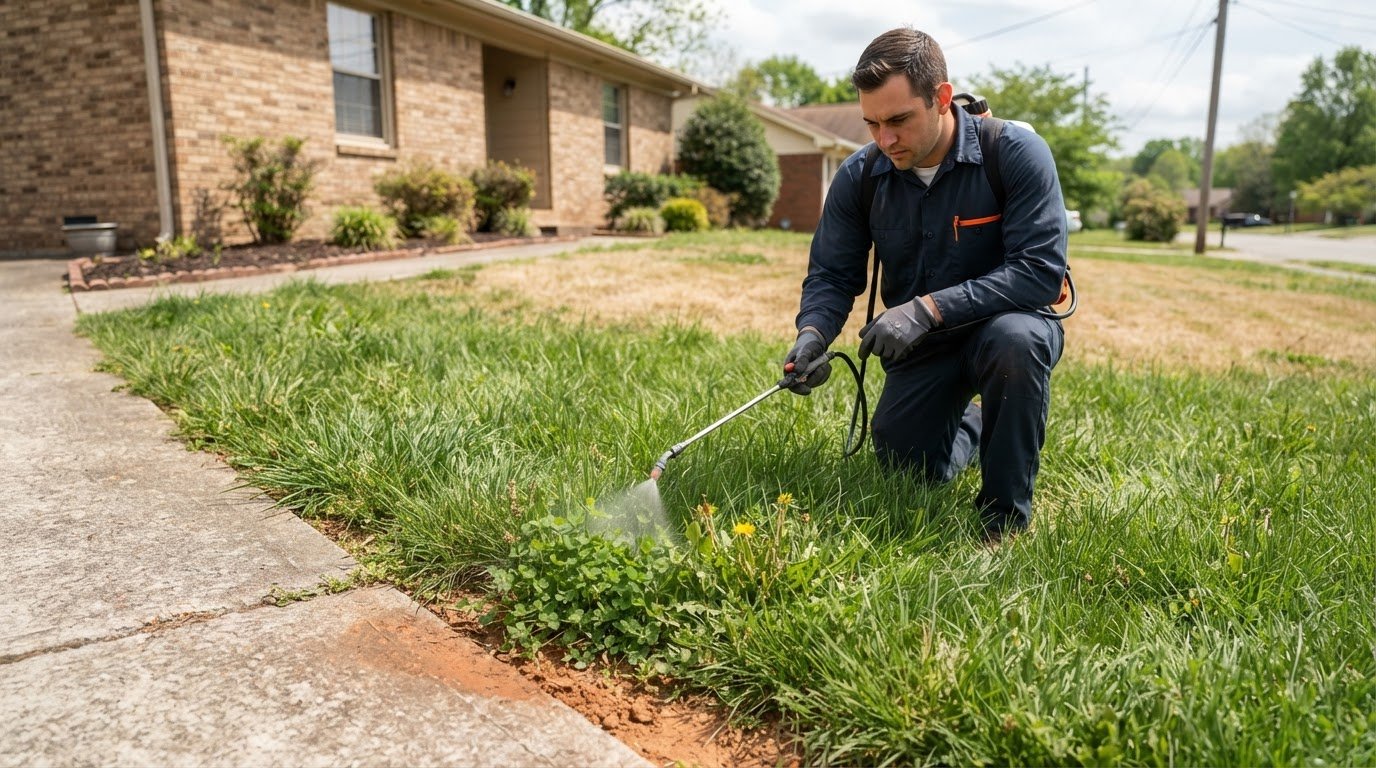
Professional lawn treatment can focus on identified harborage, such as shaded edges, dense ground cover, and places where pets rest. A useful inspection considers vegetation, moisture, and pet traffic together, since each can affect where outdoor pests concentrate. Identifying active zones makes treatment more targeted than assuming the whole lawn has the same conditions.
For the yard, professionals can recommend clearing leaf litter, managing excess moisture, maintaining suitable grass height, and trimming bushes. These steps complement treatment by reducing sheltered areas where fleas and ticks may persist. For pets, guidance can include routine checks after outdoor time and following a veterinarian’s flea and tick care recommendations.
Apartment residents can share the locations and timing of sightings with property management, especially near shared beds or pet paths. That information helps an inspection account for connected landscape areas, not only one unit’s lawn. Prevention works best when yard conditions and pet activity are considered together.
Pest Coverage Options
Fleas and ticks are key targets of residential outdoor pest control, but homeowners may also ask about chiggers and earwigs. A professional inspection can identify active pests and define the areas being addressed. Don’t assume chiggers and earwigs receive the same treatment approach as fleas or ticks.
Mosquitoes use different outdoor resting and breeding areas than lawn-edge pests, so coverage should distinguish those targets. Hendersonville homeowners can review residential mosquito control alongside flea and tick concerns when planning outdoor pest management. Clear pest identification helps set a practical scope for shaded turf, landscape borders, and gathering areas.
For any coverage plan, note where activity appears, such as a pet’s resting place or a shaded shrub border. These observations give the inspection a useful starting point and help match treatment areas to pest activity.
When can families and pets return to serviced areas?
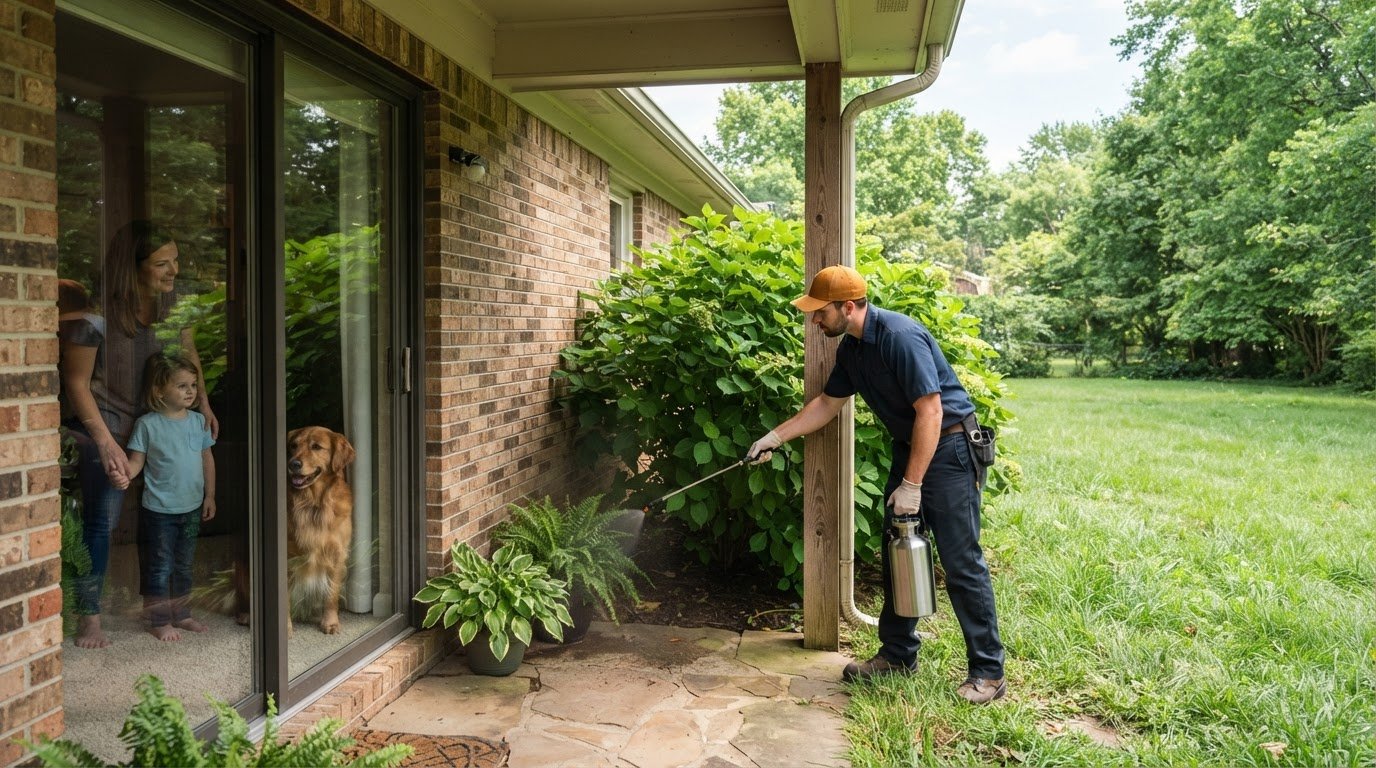
People and pets should follow the guidance provided for treated areas after an application. Return timing depends on the treatment instructions, including any direction to wait until the application has dried. A scheduled visit should include clear access guidance, so household members know which lawn sections or perimeter areas to avoid and when they can use them again.
Coverage may focus on identified pest activity or include broader lawn and perimeter treatment. A full-property approach can address lawn sections and the exterior boundary, while a targeted plan concentrates on specific areas. An inspection might identify a pet’s regular resting place, a fence-line edge, or a shaded strip beside the home as a priority.
Pet activity areas deserve attention because repeated use can make them important parts of the inspection and treatment plan. Depending on the service scope, exterior treatment may address the lawn or perimeter around those spots. Before the scheduled application, residents can point out where pets spend time and children play, helping the professional account for those patterns.
After treatment, follow the instructions for that specific application rather than assuming every product or treated surface has the same re-entry interval. If the guidance says to keep children or pets away until the lawn is dry, follow it for the treated area. Keep gates, play equipment, and pet routes in mind when planning outdoor access.
For apartment lawns, access may involve shared courtyards, walkways, or common pet areas. Residents and property managers can coordinate around treated sections and share the service guidance with people who use those spaces. Clearly explaining the boundary can help prevent anyone from entering a treated area before the stated return time.
Treatment pricing depends on the case and is provided after a quote request; lawn square footage, treatment scope, and included perimeter areas affect the quote. A full-property plan may cover a different area than treatment limited to a pet activity zone. Describing the property layout and areas of concern helps establish what the requested service includes.
For a clearer plan, request a lawn treatment quote and identify the areas used by pets and children. That context helps align the scheduled work, coverage boundaries, and return guidance with the way your household uses the yard.
Inspection of vegetation, drainage, and pet traffic
A useful property inspection maps pest habitats before treatment areas are selected. The professional evaluates vegetation, drainage, shade, and outdoor pet routes. A damp strip beneath shrubs, for example, may need different attention than an exposed, frequently used lawn. Regular evaluations help identify changing activity, especially where pets gather or moisture lingers.
Vegetation offers important clues. Inspectors look along tall grass, dense ground cover, mulched beds, fence lines, and shrub borders, where shade and shelter overlap. They also note leaf litter and overgrown edges that create protected spaces. In summer, these features can help distinguish likely harborage from open turf. The inspection records where conditions meet, such as a shaded bed beside a pet path.
Drainage deserves equal attention. A professional checks low spots, downspout outlets, and areas that stay damp after rain. These observations show where moisture persists and whether runoff moves toward landscape edges. Pet traffic adds another layer: worn routes, resting spots, and gates reveal where people and animals repeatedly enter or pause. Together, these details help define relevant outdoor treatment zones.
An outdoor inspection focuses on lawn conditions and the perimeter, while an indoor review looks for signs that help explain household concerns. Repeated flea sightings near an entryway, for example, may prompt closer attention to the adjoining porch, pet route, and nearby planting bed. Indoor findings don’t replace an exterior assessment; they add context about where activity has been noticed.
Share specific observations during the inspection, such as which doorway pets use, where they rest, and which yard sections stay damp. A simple property map can mark a shaded patio edge, a drainage swale, and the route from the back door to the lawn. These details connect reported activity with vegetation and moisture patterns instead of treating unrelated areas alike.
Inspection findings also provide a baseline for later evaluations. If activity is reported again, the professional can compare the same locations, such as a mulched fence corner or a shaded path beside the house. Changes in leaf litter, drainage, vegetation, or pet use may explain shifts in pest activity. Comparing observations keeps attention on visible property conditions and active areas.
Performance Lawns, INC provides residential mosquito, tick, and flea control, with lawn evaluations helping identify changing outdoor pest activity and track the conditions that matter.
Targeted control for fleas, ticks, fire ants, and surface insects
Effective outdoor pest control begins by identifying which pests are active and where. Fleas and ticks often call for attention to sheltered lawn edges, while fire ants form distinct activity zones around visible mounds. Surface insects may appear elsewhere on the property. Treating every concern alike can overlook important differences in location and inspection priorities.
A professional assessment connects pest sightings with the property’s layout. An inspector might note flea or tick activity near a shaded border, a fire ant mound beside a walkway, and surface insects around another outdoor feature. These observations help define treatment areas and tailor the plan to the pests and conditions present.
Targeted work also considers how people use the yard. A fire ant mound near a frequently used path raises a different access concern than activity at a remote boundary. Likewise, flea or tick activity near a pet route can direct attention to that section and its surrounding vegetation. Mapping these locations gives each visit a practical focus.
Coverage should name the pests being addressed instead of relying on a broad label such as “yard pests.” Fleas, ticks, fire ants, and surface insects are separate targets; identifying them clarifies which areas the service is intended to address. Mosquito activity is another distinct concern, so include it explicitly when relevant to your household’s outdoor-use goals.
Follow-up visits may be appropriate if pest activity persists after treatment. A later assessment can revisit the original locations, such as a shaded edge or a mound beside a walkway, and note whether activity has changed or appeared elsewhere. Comparing observations helps focus subsequent work instead of assuming the entire property needs the same response.
For Hendersonville homeowners, the key is to match treatment scope to observed pests and active areas. A tailored plan distinguishes lawn edges, fire ant locations, and other insect activity, then considers how the household uses those spaces. Visit frequency depends on ongoing activity and the service plan, not an assumed schedule. This supports clear expectations and a more precise discussion of coverage.
How can homeowners compare Hendersonville pest control companies and treatment plans?
Compare treatment plans by scope, pest targets, inspection details, and written expectations. A useful plan identifies whether fleas, ticks, fire ants, or other surface insects are included. It also describes which outdoor areas receive attention, such as lawn edges, perimeter zones, or pet activity areas. These details make proposals easier to compare.
Start with the inspection process. A plan based on property conditions should identify active areas and explain how vegetation, drainage, and household use shape treatment decisions. A shaded landscape border and a fire ant mound, for example, are different targets. A proposal that distinguishes them is clearer than one that describes only general yard treatment.
Next, look for precise boundaries. Does the proposed work cover the full lawn, selected sections, or exterior areas around the home? Are shared apartment spaces or pet routes included in the stated scope? The distinction matters: treatment focused on a lawn edge should not be mistaken for treatment of indoor areas or every outdoor surface.
Ask how the plan addresses continued activity and later visits. A written service description should explain how follow-up is considered, what observations prompt another evaluation, and which pests remain in scope. Ongoing flea activity and a newly noticed fire ant mound, for instance, may call for different assessments. Clear terms align expectations without assuming one visit addresses every concern.
Review the guarantee language carefully. A guarantee is meaningful only when its terms identify covered pests, treated locations, and any follow-up conditions. Read exclusions to understand what falls outside the commitment, such as pests or areas not included in the stated treatment scope. Don’t interpret a general satisfaction statement as coverage for every pest or part of a property.
Compare the practical details together, not as isolated claims:
- Inspection: Which property conditions and pest activity does the evaluation consider?
- Coverage: Which pests and areas are included in the proposed treatment?
- Access: What instructions apply to pets and children after application?
- Follow-up: How are persistent or newly observed activity areas addressed?
- Terms: What does any guarantee cover, and which exclusions apply?
For a treatment plan matched to your yard’s pest concerns and use patterns, request a lawn pest control quote. Sharing whether the concern involves a pet route, shaded border, or fire ant mound helps clarify the areas to assess and the coverage being discussed.
Performance Lawns: Residential Mosquito, Tick & Flea Control
Performance Lawns, INC provides residential mosquito, tick, and flea control for homeowners seeking help with outdoor pest activity. When ticks or fleas affect lawn edges, pet routes, or other yard areas, this service is a practical next step once you’ve identified the concerns and treatment scope. Lawn pest control addresses outdoor pest issues, while lawn treatments and weed control and fertilization support broader property care.
Understanding where pests appear and how your household uses the yard can guide a focused conversation about treatment. Share the areas of concern, such as a shaded border or a frequently used pet path, when discussing service.
Contact Performance Lawns, INC to discuss residential tick and flea control for your lawn.
Make your next lawn-care decision with confidence
A more comfortable yard starts with a plan that fits how your household uses the space. If pest activity is affecting your outdoor time, pest control for ticks and fleas in Hendersonville lawns can be a focused next step, guided by the areas of concern and your treatment priorities.
Performance Lawns, INC also offers lawn treatments, weed control and fertilization, and residential aeration and overseeding. These services address different lawn-care needs, from managing weeds to supporting turf growth, and can be considered separately or as part of broader property care when relevant.
Share what you’ve noticed and how you use your yard to start a practical conversation about service. Contact Performance Lawns, INC about lawn pest control, and take the next step toward enjoying your outdoor space with greater peace of mind.
Frequently Asked Questions
Is the treatment safe for pets and kids in Hendersonville?
Families and pets should follow the guidance provided for treated areas after an application. Before treatment, identify play spaces, pet routes, and gates so the service plan accounts for household use. Keep children and pets away from treated areas for the period specified in the application instructions. If guidance distinguishes lawn sections from other surfaces, follow those boundaries before returning to the yard.
When and how often do you treat?
Treatment timing and repeat visits depend on the service plan and observed pest activity, not a universal calendar. A professional evaluation considers where pests appear, which areas are included, and whether activity continues after treatment. A home with recurring outdoor pest concerns, for example, may need a different schedule from one with an isolated sighting. Follow the scheduled service guidance for your property.
Can I expect my yard to be free from insects?
No. Outdoor treatments can help manage targeted pests, but they can’t make a yard permanently free of insects. Pest activity can continue as insects move through outdoor spaces or conditions change. Expect reduced activity in the areas addressed, not the absence of every insect. If sightings continue, note which pest appears and where, so the next evaluation can assess that specific concern.
Do ticks in Sumner County really come from the lawn?
Not necessarily. Ticks can be encountered beyond mowed lawns, including in taller vegetation, shrubs, and landscape edges. Finding a tick after time outdoors doesn’t by itself show where it came from. Contact may happen near a property boundary or in another outdoor area, for example. An inspection can identify yard locations that warrant attention without assuming open turf is the sole source.
Why would you not treat my lawn for fleas and ticks?
A lawn application isn’t the right response when the concern is limited to an indoor source or a pest outside the treatment scope. Fleas inside a home, for example, may require attention beyond an outdoor lawn service. An assessment helps distinguish the reported problem, affected area, and requested service, keeping the plan focused on outdoor conditions the treatment is intended to address.
What lawn conditions attract ticks and fleas, and how can professional treatment and recommended yard maintenance help reduce them?
Ticks and fleas are more commonly associated with taller vegetation, shrubs, and mulched beds than closely mowed turf. Professionals can identify sheltered outdoor areas for targeted attention. Yard maintenance can complement treatment: clear leaf litter, manage excess moisture, keep grass at a suitable height, and trim bushes. Clearing accumulated leaves beside a shrub border, for instance, reduces sheltered debris where outdoor pests may linger.
Which outdoor tick and flea treatments are effective for lawns?
Professional outdoor treatment should target the pests and areas identified during an inspection. A plan for fleas and ticks can focus on relevant lawn and landscape zones instead of assuming equal activity across the property. The treatment scope and application guidance clarify which pests are targeted, which areas are treated, and how household members should use those spaces afterward.
What do professional tick and flea lawn treatments cost in Hendersonville, Tennessee?
Treatment pricing depends on the property and service scope, and is provided after a quote request. Lawn square footage, included areas, and whether treatment covers selected zones or a broader lawn and perimeter affect the quote. Describing the property and locations of concern helps establish the requested coverage and gives a clearer basis for discussing the work in Hendersonville.