

Why can fleas still appear after a treatment? Flea eggs, larvae, and pupae can remain hidden as they develop, so seeing activity doesn’t always mean treatment has failed. For homeowners seeking residential tick and flea control in Lebanon TN, understanding that life cycle is an important part of setting realistic expectations.
It’s frustrating to treat a home and still notice fleas on a pet or in a room. Flea pupae can remain protected in cocoons until movement or warmth prompts adult fleas to emerge, so activity may continue even as treatment interrupts the life cycle.
This guide explains why fleas may persist after treatment, how fleas and ticks affect homes, pets, and people, and how coordinated home and yard care can help address their life cycles. You’ll also learn why seasonal attention matters in Middle Tennessee, where tick activity and indoor flea pressure can continue beyond a single treatment.
Year-round tick control and lifecycle-breaking treatments
Effective control considers where fleas and ticks live, how they develop, and when outdoor activity rises. A year-round plan connects inspection, targeted treatment, and follow-up expectations.
Seasonal Granular Tick Applications
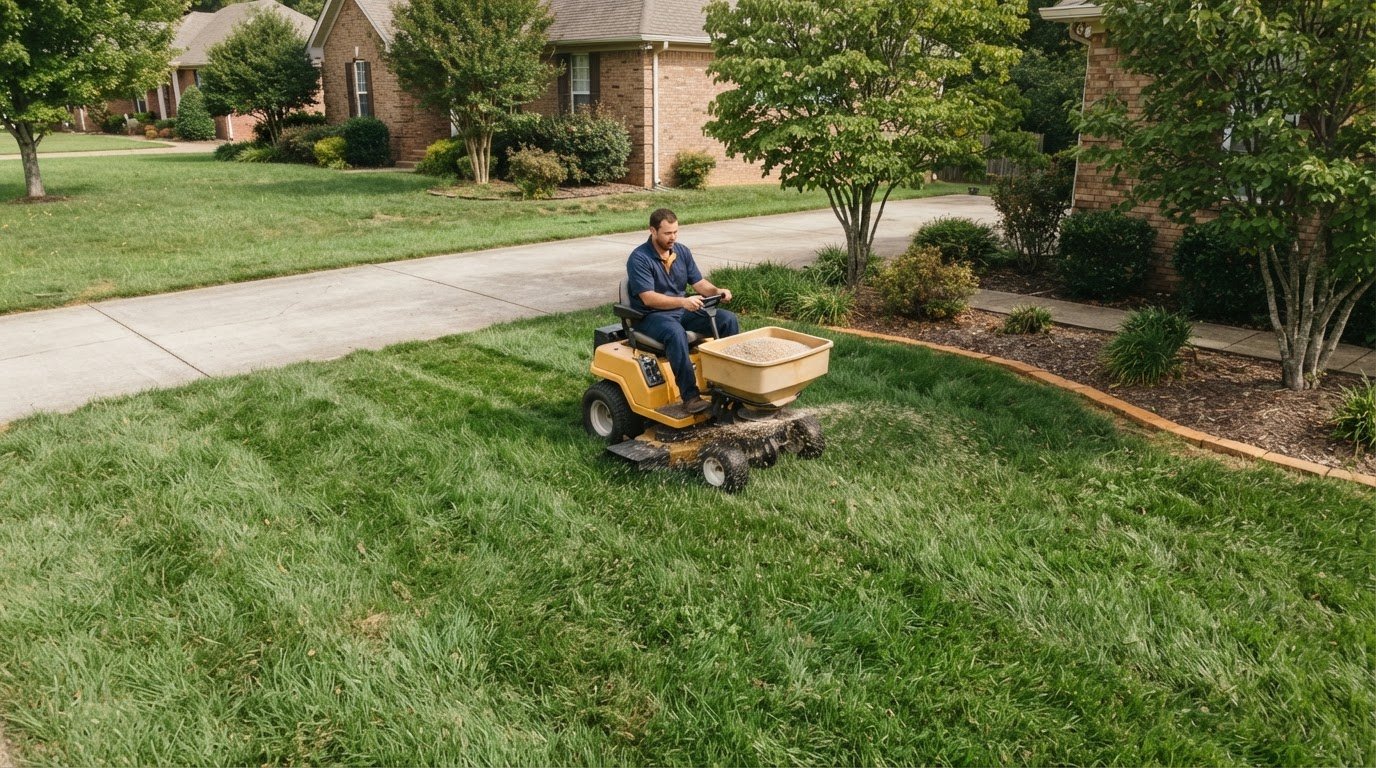
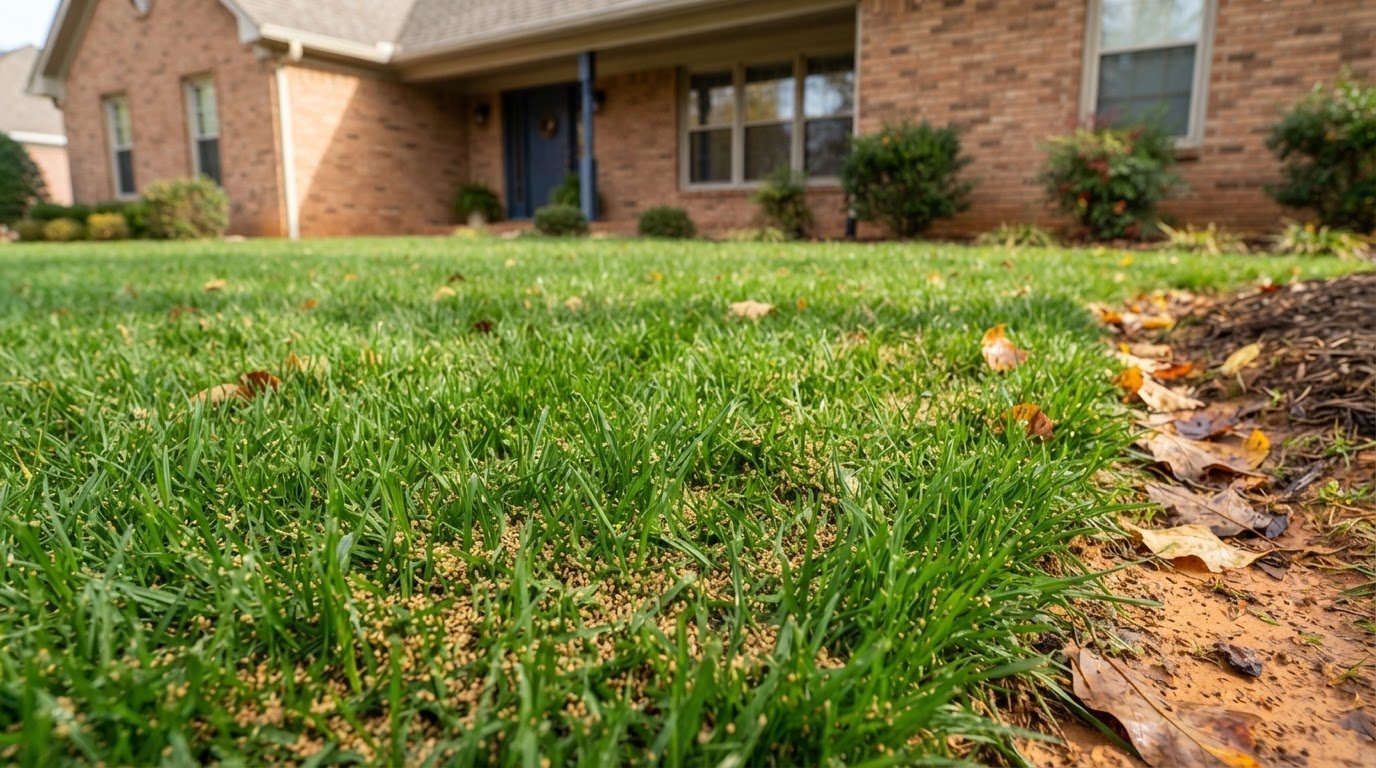
Tick treatments can include granular applications in fall and late winter, with inspection guiding where outdoor attention is needed. In Tennessee, ticks are most active from spring through summer, while blacklegged ticks may remain active on mild winter days. Tick control addresses a three-host life cycle: larva, nymph, and adult ticks each need a blood meal from a different host. Timing applications across seasons helps address changing activity rather than relying on one visit. Outdoor mosquito and tick control addresses yard pests as part of a recurring approach.
Flea Life-Cycle Control
Fleas develop through four stages: egg, larva, pupa, and adult. In an indoor infestation, eggs and larvae account for roughly 95 percent of the population, so adult fleas seen on a pet are only part of the problem. Flea life-cycle treatments may combine targeted treatment with an insect growth regulator, which disrupts immature flea development. Pupae inside cocoons can keep emerging as adults for two weeks or more after treatment, especially when movement or warmth prompts emergence. That’s why visible activity can continue as treatment interrupts the cycle.
Treatment Components and Home Preparation
A typical flea and tick control plan considers three areas: pets, the indoor environment, and outdoor conditions. An inspection can identify likely activity indoors and out, including carpets, furniture, pet bedding, and floor cracks where fleas may develop, as well as vegetation and property edges where ticks may be found. Before an indoor treatment, arrange access to affected rooms and share where pets have been scratching or where fleas have appeared. The areas addressed depend on where activity is found: signs in one room call for a different focus than signs across several areas.
Treatment Timing and Local Application Rules
Homes in Lebanon benefit from prevention throughout the year because outdoor tick activity is seasonal, while fleas can persist indoors in warm winter homes. The right treatment interval depends on inspection findings, pest activity, and the product label, rather than one schedule for every property. People and pets should stay out after indoor flea treatment until treated surfaces are dry, usually for a few hours. Tennessee pesticide applicator licensing is administered under Tennessee Code Annotated § 43-8-101 et seq.; federal pesticide application is subject to the Federal Insecticide, Fungicide, and Rodenticide Act (FIFRA), whose label instructions applicators must follow.
Can fleas make my family or pets sick?
Yes. Fleas can cause itchy bites and skin irritation, and a severe infestation can affect a pet’s health. Bites on people often appear as itchy red bumps in clusters or lines around the ankles, feet, and lower legs. Children exposed to infested carpets or furniture may also have bites on their arms and torso. Repeated scratching, hair loss, or irritated patches on a pet may indicate flea activity.
Yard conditions can influence tick encounters in Tennessee. Ticks commonly wait in tall grass, shrubs, leaf litter, wooded areas, and along property edges, then attach to people or animals passing through vegetation. A professional inspection can identify these areas and guide targeted outdoor prevention. Maintaining grass below 3 inches, trimming overgrowth, and removing leaf litter can also reduce suitable tick habitat around the home.
Pet prevention is a separate part of addressing the flea life cycle. Keep household pets on a veterinarian-approved flea and tick preventive year-round, and ask the veterinarian which product is suitable for each animal. Products aren’t interchangeable across species. For example, permethrin isn’t approved for direct application to cats’ skin. A veterinarian should guide pet treatment, while home and yard pest control addresses the surrounding environment.
Regular checks can help you spot activity early. After outdoor time, examine pets’ heads, necks, ears, feet, and between their toes for ticks. Check people’s scalp, behind the ears, armpits, groin, and backs of the knees. Wash pet bedding in hot water every week or two, and pay attention to furniture and rooms where pets rest. These steps support prevention, but don’t replace treatment when fleas are established indoors.
Fleas can pose health concerns beyond itchy bites. The Centers for Disease Control and Prevention provides information about flea-borne diseases, cat scratch disease, and flea tapeworm. Pale gums in a pet can signal anemia associated with a severe flea infestation, so contact a veterinarian promptly if you notice this sign. A veterinarian can address the animal’s health; environmental pest control focuses on reducing flea activity in the home and yard.
For lasting prevention, coordinate veterinary protection with professional attention to the property. Recurring inspection and treatment can account for outdoor conditions, indoor activity, and changes in flea or tick pressure through the year. If you’re seeing signs in your home or yard, discuss your pest control concerns and the conditions around your property.
For prevention to hold, keep veterinarian-recommended flea products in place for pets as part of breaking the flea cycle, alongside home and yard treatment. Regularly treating pets with veterinarian-recommended products can help prevent fleas. Washing pet bedding in hot water every week or two, trimming grass, and removing leaf litter are also recommended prevention steps.
Make checks part of the routine after outdoor time, especially if a pet is scratching. Regularly checking for flea and tick bites can help you notice a concern early. Pair those checks with preventive care for pets and attention to the home and yard, so the measures work together to help prevent fleas and ticks.
Flea and tick infestations in homes and yards
An infestation can involve a pet’s resting places, indoor rooms, and outdoor areas. In Middle Tennessee, flea activity in yards can rise from March through May, peak from June through August, and continue near homes from September through November. Warm homes can support indoor flea activity from December through February. A quiet yard in winter therefore doesn’t necessarily mean fleas have disappeared from carpets, furniture, or pet bedding.
Look for patterns, not just a single flea. Flea eggs can fall from pets wherever they travel, then develop out of sight in fabrics, floor cracks, and resting areas. Eggs can survive for weeks in furniture and fabrics. A light infestation may remain isolated to one room for one to four weeks, while signs in several rooms suggest activity has spread. Recording where people notice bites and where pets rest can help an inspection identify likely treatment areas.
Ticks create a different kind of property concern. In Tennessee, the greatest number of tick encounters is expected from April through July in grassy and wooded areas. A black-legged tick nymph can be about one to two millimeters long, making it easy to overlook. Ticks may remain attached to a person for several days while feeding. A property inspection should consider vegetation, wooded edges, wildlife activity, and the routes pets take through the yard.
Outdoor conditions matter beyond the middle of the lawn. Tall grass, shrubs, leaf piles, and property borders can provide places where ticks wait for passing hosts. Flea eggs may also fall into shaded yard areas used by pets. In Lebanon, Mt. Juliet, Gallatin, and Hendersonville, spring growth, nearby vegetation, and pets’ movements can create different exposure points from one property to another.
Effective assessment connects signs to their source. A licensed pest professional can inspect indoor rooms and outdoor areas, note where activity appears, and identify whether fleas, ticks, or both are present. Treatment intensity depends on the infestation’s extent and location, not simply on whether one pest was spotted. A treatment plan should describe the inspection findings and areas addressed; a broad guarantee alone doesn’t explain how the property will be evaluated.
After treatment, newly emerging fleas may still be visible as immature stages develop. Vacuuming floors, rugs, and furniture daily during this period can help emerging adults contact treated surfaces; empty the vacuum outside. If flea activity continues about three weeks after treatment, contact the provider for guidance. This follow-up point can help distinguish expected emergence from activity that needs further attention.
Flea-related health concerns for people and pets
Flea bites can cause itchy red bumps, often in clusters or lines around the ankles, feet, and lower legs. Children exposed to infested carpets or furniture may also develop bites on their arms and torso. Repeated scratching can further irritate skin, so note where bites appear and whether pets spend time in those rooms. In Middle Tennessee, connecting bite locations with indoor activity can help identify where fleas may be present.
Pets may show signs beyond scratching. Flea dirt, hair loss, and irritated patches can point to flea activity. Pale gums may indicate anemia from a severe flea infestation, making prompt veterinary attention important. Flea eggs and larvae can develop out of sight around pet resting areas, allowing activity to spread beyond the animal. A veterinarian can assess the pet’s health and recommend an appropriate preventive; environmental treatment addresses flea activity in the home.
Fleas can pose health concerns beyond skin irritation. The Centers for Disease Control and Prevention provides information about flea-borne diseases, cat scratch disease, and flea tapeworm. If a pet scratches persistently or a person develops concerning symptoms after bites, seek guidance from a healthcare professional or veterinarian. Note when symptoms appear and whether household pets or wildlife may have brought fleas near the home.
Tick bites deserve attention, too. After outdoor activity near wooded areas, inspect people and pets for attached ticks. Check warm, moist areas on people, including the scalp, behind the ears, armpits, groin, and backs of the knees. A bull’s-eye rash appearing days after a tick bite requires immediate medical attention. Ticks can stay attached for several days while feeding, so a careful inspection after exposure matters even if no bite was felt.
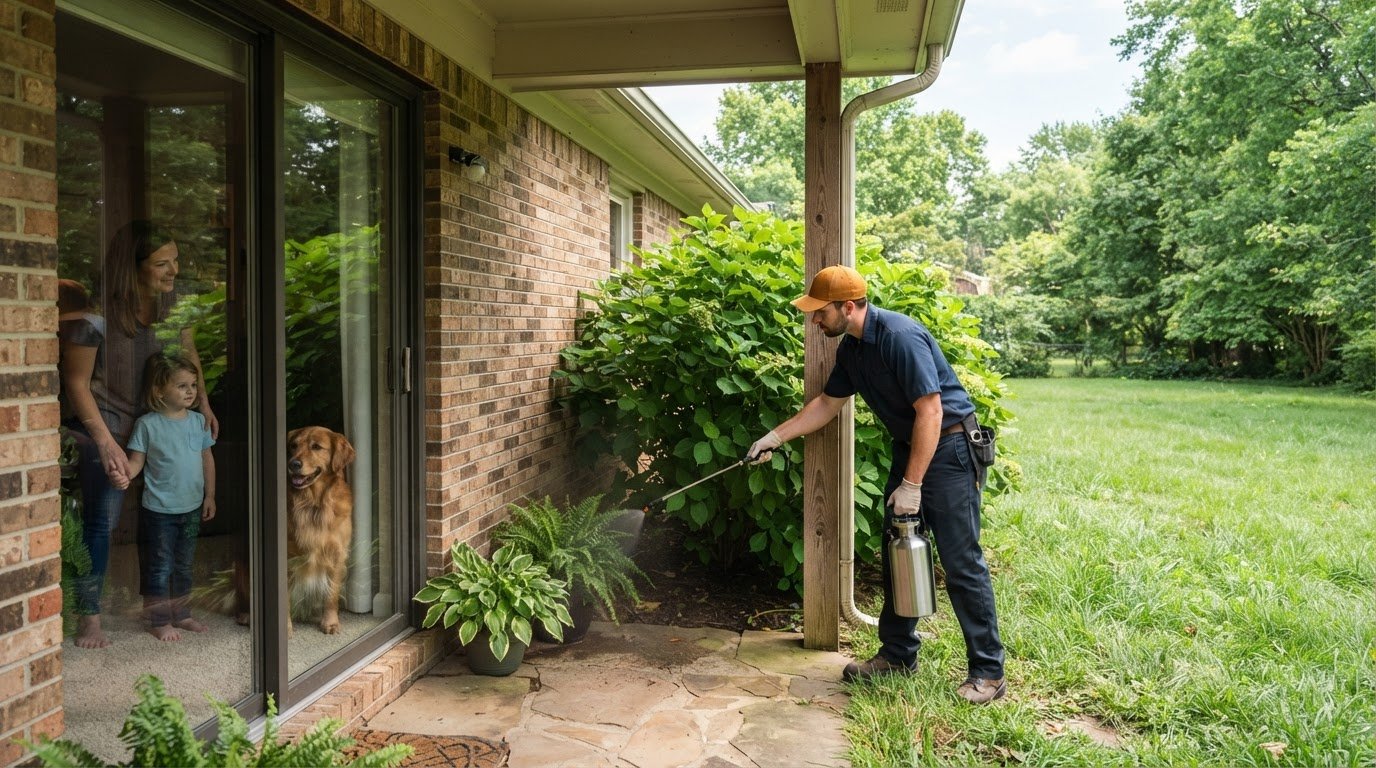
Keep children and pets away from treated indoor surfaces until they are dry, usually for a few hours after flea treatment. The U.S. Environmental Protection Agency says pesticide application is subject to the Federal Insecticide, Fungicide, and Rodenticide Act, and applicators must follow registered pesticide label instructions. Those directions govern application and re-entry precautions. Pet treatment is separate: a veterinarian should guide animal preventives, while pest control addresses the home and yard.
In Middle Tennessee, a prevention plan works best when it accounts for pets, indoor resting spots, and outdoor exposure near wooded edges. Veterinary-recommended preventives help protect animals, while professional inspection can locate flea or tick activity around the property. Share bite patterns, scratching, and the rooms pets frequent; these details help focus attention where activity may develop and spread.
Residential tick control in Lebanon
Residential tick control in Lebanon works best when inspection and treatment reflect a property’s specific exposure points. Wooded edges, wildlife movement, and pets’ outdoor routes can all influence where ticks appear. If you’re looking for residential tick and flea control in Lebanon TN, describe these details to help focus attention on your property’s concerns.
Residential Tick Treatment Options
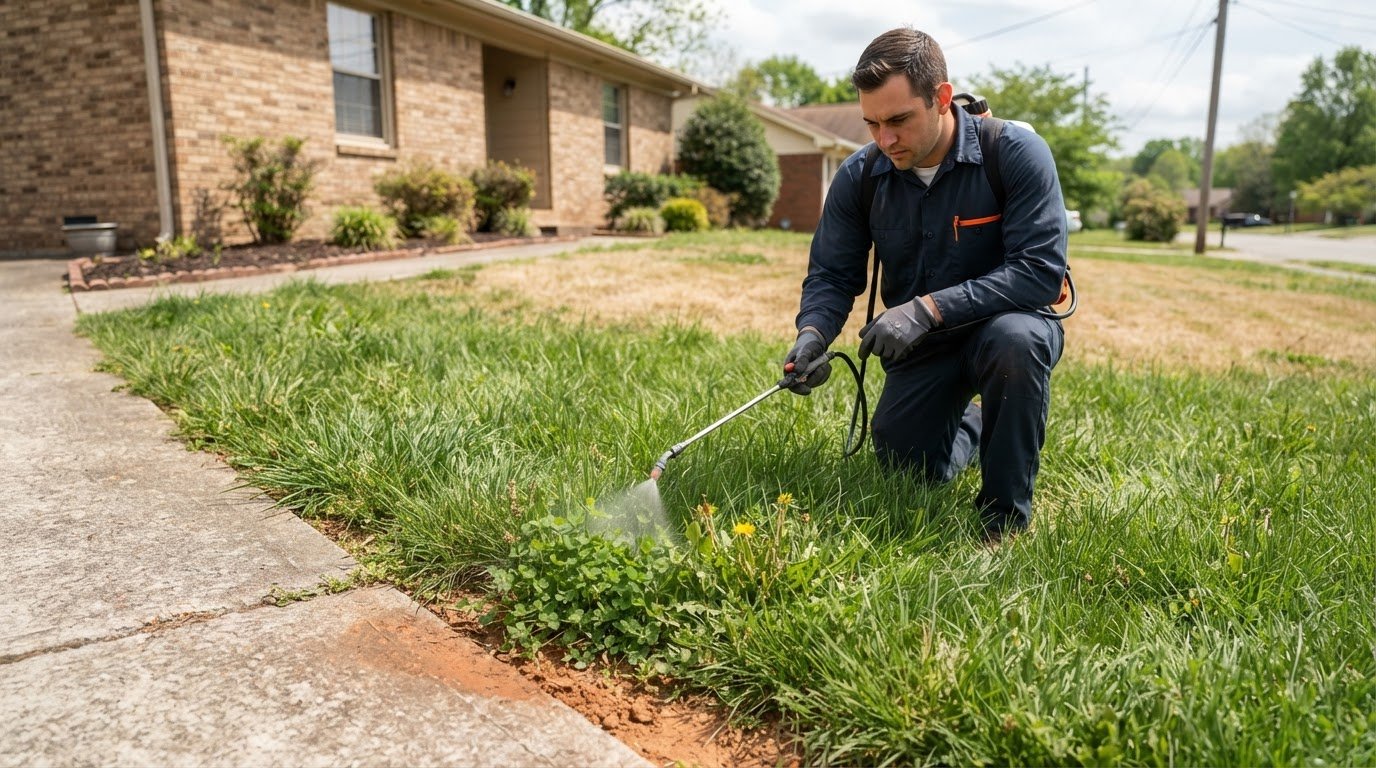
A residential inspection should consider likely tick habitat, including shrubs, leaf piles, tall vegetation, and borders near wooded areas. Treatment can then focus on relevant outdoor zones instead of treating every part of the yard alike. For residential tick and flea control in Lebanon TN, choose an approach tied to observed activity and property conditions, with a clear explanation of the areas addressed.
Choosing a Local Treatment Provider
Residential tick and flea treatment in Lebanon is offered by pest-control providers serving homes. Look for an inspection that considers outdoor tick habitat alongside indoor flea activity, not just a single pest sighting. A provider should explain the areas the service covers and how follow-up observations are handled. A clear description of treatment scope is more useful than relying on a guarantee alone.
Ticks often reach residential spaces indirectly. Wildlife can carry them near a home, while people and pets may bring them across lawns and paths. Note where exposure happens, such as a wooded boundary, shrub bed, or pet’s regular route. These details can help distinguish a likely outdoor source from isolated activity inside the home.
Fleas call for a different inspection focus. Their eggs may fall from pets into bedding, rugs, carpets, and floor cracks, while later life stages remain hidden. A vacuum can collect debris from floors and furniture, but finding fleas in one room doesn’t establish the full extent of an infestation. Include pet resting spots and rooms where activity has appeared when identifying areas of concern.
Tick encounters and flea activity can overlap around a property. A pet may cross a brushy yard edge, then rest on indoor furniture. Tracing both routes can help identify where outdoor treatment and attention to indoor areas may be relevant. This connects recurring activity to a possible source instead of treating every sighting as unrelated.
Before a service, clarify which pests and areas need attention, along with any preparation or re-entry directions. Registered pesticide products must be applied according to their label instructions. Clear directions help residents understand the treatment and how it fits household routines, including children’s play areas, pet access, and shared outdoor spaces.
For a property-specific discussion of tick or flea concerns, request help with your home’s pest concerns.
Performance Lawns: Residential Mosquito, Tick & Flea Control
Performance Lawns provides residential mosquito, tick, and flea control for homeowners managing recurring yard pest activity. In Middle Tennessee, the service runs year-round and treats for fleas, ticks, and mosquitoes on every visit. This ongoing approach can suit homes where outdoor conditions and pet traffic bring recurring pest pressure, while pet preventives remain a veterinarian’s responsibility.
For a home in Lebanon, professional yard treatment can complement indoor flea control and veterinary prevention by addressing pest activity outdoors. Learn more about residential mosquito, tick, and flea control, then contact Performance Lawns to discuss your property.
Make a property-specific plan for the seasons ahead
The next step is to connect pest activity with the way your household uses its outdoor space. For residential tick and flea control in Lebanon, TN, a plan grounded in your property’s conditions can help address areas important to your family, pets, and routines. Share where you’ve noticed activity and which parts of the yard or home need attention.
Healthy, comfortable outdoor spaces also depend on ongoing lawn care. Performance Lawns provides Lawn Treatments, Weed Control and Fertilization, and Residential Aeration & Overseeding. Dallisgrass and Johnsongrass may need targeted treatment beyond a standard weed control and fertilization program. These services support turf care alongside residential mosquito, tick, and flea control, giving homeowners options for maintaining their property as needs change through the seasons.
Contact Performance Lawns to discuss the pest concerns around your home and a suitable next step. A thoughtful plan can help you move forward with greater confidence and enjoy your property.
Frequently Asked Questions
Why am I still seeing fleas after treatment?
A few flea sightings don’t show whether activity is declining or continuing. Note where and when you see fleas, such as near a pet’s favorite resting spot or in another room. Tell the pest professional whether pets have started or continued veterinarian-guided prevention. These details can help distinguish emerging fleas from an ongoing source and inform the next assessment.
How do I get started?
Contact Performance Lawns, INC and describe your property and pest concerns. Include your Lebanon address, whether activity is in the yard, inside the home, or both, and where you’ve noticed signs. Mention pets’ regular outdoor routes and any recent treatment. These details give the team useful context for discussing residential mosquito, tick, and flea control and the next step for your home.
How much does flea control cost?
The cost depends on the property and treatment scope, and is provided after a quote request. Factors include whether activity is indoors, outdoors, or in both settings, how many areas need attention, and the extent of the infestation. A yard treatment and an indoor flea treatment address different locations, so describe the affected spaces when requesting a quote. No single price applies to every home.
How soon can you come out?
Contact Performance Lawns, INC to discuss scheduling for your property. Share your address, whether you need help with indoor fleas, outdoor ticks, or both, and any recent treatment details. Appointment timing depends on the schedule and work needed. Providing clear information at the outset helps the team understand your request and discuss a suitable time for service.
How much does residential flea and tick control cost in Lebanon, Tennessee?
Residential flea and tick control pricing in Lebanon depends on the services requested and the property’s needs. The treatment area, indoor or outdoor focus, signs of activity, and whether the request covers both fleas and ticks can affect the quote. Performance Lawns, INC provides pricing after a quote request, so describe the areas of concern and pest activity you’ve noticed.
How can professional treatments help homeowners prevent fleas and ticks in yards and homes in Middle Tennessee?
Professional treatments can address pest activity in outdoor living areas and help homeowners plan around recurring exposure. For example, a home near a wooded edge may need attention to different yard zones than a property where activity is tied mainly to pets’ routines. Pairing property treatment with veterinarian-directed pet prevention addresses separate parts of a household’s prevention plan.