One weed treatment rarely tells the whole story. In Lebanon, a well-timed program can be more effective than scattered, one-off visits. Weed control professionals in Lebanon TN can tailor treatments to the lawn’s grass, seasonal conditions, and use. Clay soil, summer drought stress, and broadleaf weed pressure all influence the approach.
It’s understandable to want weeds handled quickly, but timing and conditions matter as much as the treatment. This guide explains how local conditions in Lebanon affect weed control, why seasonal timing matters, and how lawn use can shape a plan for a home or business. You’ll also learn what ongoing weed management can accomplish and why the focus is on reducing weed pressure while supporting healthier, more attractive turf.
Lebanon, Tennessee turf challenges
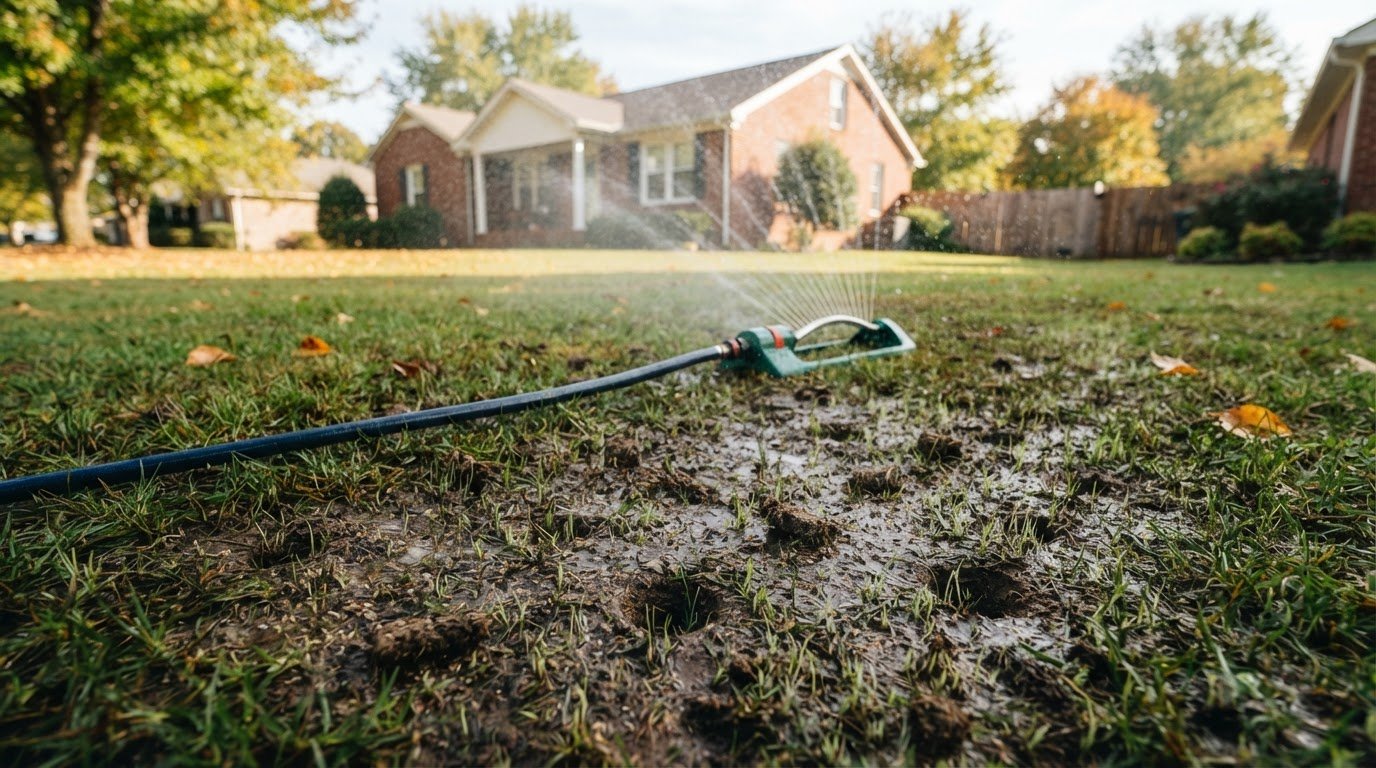
Lebanon lawns face clay soil, summer drought stress, and broadleaf weed pressure. Clay can hold water and compact, while dry summer weather can weaken turf. Thin or stressed grass leaves openings where weeds can establish. For example, bare ground near a driveway may invite broadleaf weeds after the surrounding turf loses vigor. Weed treatments work best alongside practices that support grass, rather than as an attempt to eliminate every unwanted plant.
Grass type matters, too. Dallisgrass and Johnsongrass are invasive grassy weeds that can be harder to manage than common broadleaf weeds. They may need targeted treatment separate from products used for typical broadleaf weeds. Bermuda grass creates another challenge when it spreads into an established fescue lawn. It can be extremely difficult to eliminate completely, so management focuses on limiting its spread, reducing its presence, and helping the desired fescue remain competitive.
Seasonal conditions affect what lawn owners see. Brown patch can be prevalent on Tennessee lawns in early summer. Discolored turf may reflect disease, drought stress, or another lawn condition, not necessarily weeds. Identifying the cause helps guide the response. A disease program can typically manage brown patch, while weed treatments target weeds. Distinguishing between the two helps avoid treating a disease as a weed problem.
- Clay soil: Compaction and uneven moisture can leave areas thin, creating room for weeds.
- Summer drought: Heat and limited moisture can stress turf, especially in exposed areas.
- Grassy weeds: Dallisgrass and Johnsongrass may call for targeted treatment.
- Fescue competition: Bermuda grass in fescue requires ongoing management, not a promise of complete removal.
Thatch is another condition to assess, not remove automatically. When a Lebanon lawn’s thatch layer is typically more than half an inch thick, removal may be worth considering. A slight layer can insulate roots against temperature and moisture fluctuations. The response depends on whether thatch is excessive and how the turf performs. Unnecessary removal can take away a useful layer without addressing the cause of poor growth.
Weed control also differs from pest control. Rodents and spiders are not lawn weeds, so weed treatments don’t address those pests. Match lawn care to the problem, whether it’s broadleaf weeds, invasive grassy weeds, disease, or an outdoor pest. That distinction keeps treatment focused on the condition you want to manage.
For a lawn with brown patches, first identify whether disease, drought stress, or another turf issue is causing the symptoms. A disease program can typically manage brown patch, while the appropriate response depends on the diagnosed condition. Separating disease concerns from weed concerns helps direct care toward the actual source of the lawn’s decline.
Seasonal weed management in Lebanon
Weed pressure shifts as Lebanon lawns move through active growth, summer stress, and cooler weather. A multi-application treatment program can address weeds more consistently than scattered, one-off visits. Repeat visits let professionals respond as weeds emerge and adjust treatment choices to the lawn’s condition. A single application may miss weeds that appear later or reach a less suitable growth stage.
Seasonal planning connects weed control with turf care. Dense grass can compete with weeds for space, light, and resources. Suitable grass height, consistent mowing, and healthy turf help limit openings where weeds can establish. The right mowing height depends on the grass and its condition, so a fixed setting may not suit every Lebanon lawn. Thin, stressed areas need a different assessment from dense turf with scattered weeds.
- Identify the weed: Broadleaf weeds and grassy weeds can require different treatment approaches.
- Plan application timing: Space treatments to address weeds as seasonal growth changes.
- Support turf: Match mowing and lawn care to the grass and current conditions.
- Assess progress: Observe whether target weeds decline or need another approach.
Before choosing a weed control company, ask which weeds its program targets, how seasonal timing shapes applications, and what follow-up is included. Ask how the company explains product directions and selects treatments for the lawn. Clear answers make the plan and its intended use easier to understand.
Environmental context matters near aquatic areas. The U.S. Environmental Protection Agency says aquatic herbicide treatments have been associated with drastic reductions in aquatic plants and animals, including fish. This concern relates to aquatic herbicide treatments, not every lawn application. For a property near water, the treatment area and intended application are important parts of understanding the approach.
Weather and property use also affect scheduling. A shaded lawn, sunny frontage, and commercial space with steady foot traffic may need different treatment timing. Rain or heat can affect application plans, while newly emerging weeds may need attention at another point in the season. A tailored program accounts for the lawn, target weeds, and use of the outdoor space rather than treating every visit identically.
For a seasonal plan suited to your property, share your lawn care needs with Performance Lawns, INC.
Local turf experts recommend maintaining grass at a height of 3.5 inches to help suppress weed growth. Treat that recommendation as a useful reference when discussing mowing, rather than assuming one height suits every lawn. Grass type and current condition still matter, so compare the suggested height with the needs of the turf on your property. If an area is thin or stressed, consider its condition alongside the weed treatment plan before changing mowing practices.
A seasonal review can help assess whether mowing and applications are working together. Share observations about weed activity and changes in the lawn, and discuss whether the mowing approach remains appropriate as growth and conditions shift. Keeping the discussion focused on the grass, target weeds, and property conditions can clarify follow-up decisions. The goal is a coordinated plan that supports healthy turf while addressing weeds as they emerge.
Weeds surrounding business properties
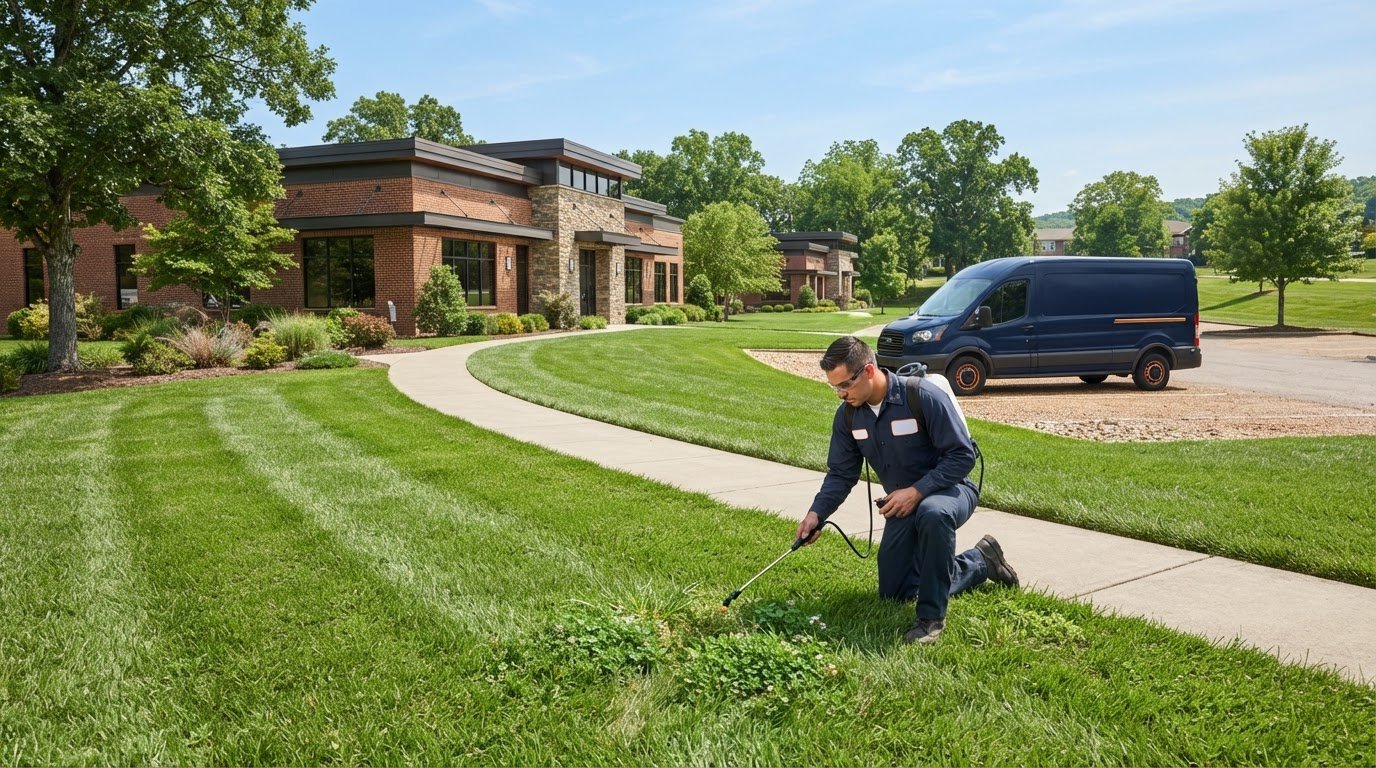
A business lawn shapes the arrival experience. Weeds along Lebanon storefronts, office entrances, and parking islands can make maintained spaces look neglected. Commercial weed control starts by mapping where weeds grow and how people use each area. A technician can distinguish turf weeds from plants growing through pavement joints, landscape beds, or fence lines. Those locations may need different attention.
Foot traffic changes the plan. Grass beside an entrance may receive daily wear, while a rear lawn stays undisturbed. A tailored approach identifies high-visibility areas, narrow borders, and difficult corners before selecting treatments. For example, a property with weeds around a sign and along a loading area has different priorities from one with scattered weeds across open turf. The goal is to manage unwanted growth while supporting the surrounding lawn.
Weather matters because treatment timing and turf condition are connected. Lebanon’s summer drought stress can affect exposed business lawns, especially near pavement that receives direct sun. A dry, thin strip beside a parking lot may need different attention from a shaded lawn near a building. Rain, heat, and changing growth can also affect when an application makes sense. A consistent program considers these conditions rather than treating every visit identically.
- Entrances and walkways: Review visible turf edges and pavement joints near customer routes.
- Parking islands: Note compacted or thin grass where weeds can become noticeable.
- Building edges: Separate lawn areas from planting beds and hard surfaces.
- Rear and service areas: Consider loading zones, fences, and employee access.
Weed treatments are not the same as pest control. Insects around a property may require a separate pest-control response, while lawn weeds need identification and turf-focused management. Keeping these concerns distinct helps property managers describe the problem accurately and avoids mistaking a lawn treatment for insect control.
Business schedules are another practical factor. A property open throughout the day may need treatment planning that accounts for customer movement and staff access. The treatment area, product directions, and any applicable access precautions should be communicated clearly. Good communication helps employees understand which spaces are being treated and how to follow product instructions.
For an orderly exterior, property managers can prioritize the areas customers notice first, then address less visible borders and turf. A tailored lawn-care plan connects those priorities with weed types, grass condition, and weather. This keeps the work focused on the property’s needs and supports ongoing weed management without promising complete elimination.
Which weed control and management companies serve Lebanon, TN?
Lebanon property owners can consider lawn-care providers offering weed control, commercial turf care, or pest control alongside a separate lawn program. The best fit depends on the property and the problem. Broadleaf weeds in a home lawn, for example, call for a different service focus than recurring growth across business grounds. Treatment should aim to manage weeds and support healthy turf, not promise complete elimination. Homeowners comparing weed control providers in Lebanon, TN can begin by matching the service to their lawn’s needs.
Start with the property type and its priorities. Residential lawns vary in grass, growing conditions, and weed pressure. Commercial grounds may include entrances, parking islands, and customer-facing turf that need attention for different reasons. Ask how the provider assesses the site and plans applications over time. One visit may not address weeds that emerge later, so find out how the program adapts as the lawn and season change.
- Residential lawn care: Discuss the weeds and turf conditions across the home lawn.
- Commercial turf care: Identify important entrances, parking areas, and visible lawn spaces.
- Pest control: Separate insect or rodent concerns from weed treatment.
- Specific weed concerns: Ask how the plan addresses the weeds on your property.
Compare the proposed approach rather than a broad promise. Ask which weeds the program targets, how seasonal timing affects applications, and what follow-up is planned. If Dallisgrass or Johnsongrass is present, ask how the treatment plan addresses it. If Bermuda grass has spread into established fescue, discuss management goals that protect the desired turf and limit further spread.
Business owners should also discuss operating hours and site access. A storefront with customers arriving throughout the day differs from a rear service area with limited traffic. The provider should describe planned treatment locations and explain the applicable product directions. Clear communication helps staff understand the work and distinguish lawn weed control from services intended for insects or rodents.
Ask for a plain-language explanation of the program. A useful answer connects the weeds identified, the treatment approach, and the follow-up process. For example, scattered weeds in a residential lawn may lead to different priorities than weeds around a commercial entrance. Ask how weather could affect application timing and how progress is assessed. These details help you judge whether the plan fits your property.
The right company is one whose services match the lawn’s needs, whether residential turf, commercial grounds, or a particular weed concern. A conversation with weed control professionals in Lebanon, TN should leave you with a clear understanding of the proposed work and realistic expectations for ongoing weed management.
How do Lebanon, TN weed control companies compare by services, reviews, and guarantees?
Compare what a program covers, not just its label. A service may target broadleaf weeds, while Dallisgrass or Johnsongrass can need a separate approach. A property with established fescue and invading Bermuda grass presents another management challenge. Clear service descriptions should explain which lawn conditions and weeds the treatment addresses, and where additional strategies may be needed.
Scope matters on commercial grounds, too. A storefront may need attention around entrances, parking islands, and visible turf, while a residential lawn has different use patterns. A useful program explains how applications fit seasonal weed growth and how follow-up observations inform later treatments. Lebanon’s clay soil and summer drought stress can affect turf condition, so the plan should account for the lawn, not just the property address.
Reviews are most useful when they describe the specific work performed. Look for comments mentioning weed identification, communication about treatment directions, repeat visits, or management of a particular lawn condition. A general positive rating may not reveal whether the reviewer had lawn weed control, pest control, or another service. For example, feedback about mosquito treatments does not establish how a provider handles broadleaf weeds.
- Service scope: Identify which weed types and property areas the program addresses.
- Seasonal plan: Understand how timing and follow-up support ongoing weed management.
- Review relevance: Separate lawn-treatment feedback from reviews about unrelated services.
- Outcome language: Look for realistic goals, such as reducing weed pressure and supporting turf.
Read guarantees carefully. A guarantee should define its scope, the outcome it covers, and any conditions that affect it. Weed control is ongoing management, not a promise that every weed will disappear. A broad claim without clear limits says little about how treatment responds to invasive grassy weeds, drought-stressed turf, or new growth later in the season.
For a practical comparison, consider how well the treatment plan matches the lawn’s grass, weed pressure, and use. A small home lawn with scattered broadleaf weeds differs from a commercial property with recurring weeds along high-traffic borders. Clear explanations of treatment focus and progress make it easier to understand the service without relying on a perfect-result claim.
If you’re weighing a weed-control plan for a Lebanon property, discuss your lawn’s needs.
For context, pest control services in Lebanon, Tennessee have an average homeowner rating of 4.6 stars. That figure concerns pest control, so it should not substitute for reviews about lawn weed treatments. Axiom says warm, humid weather and mild winters in Tennessee contribute to long pest seasons and year-round pest pressure, which is relevant background when comparing broader property-care services but does not establish how a company controls weeds. All-American Pest Control recommends keeping outdoor trash cans away from the exterior of a home to help prevent pests. Keep that advice separate from weed-control comparisons, and base a lawn-service choice on its stated treatment scope, follow-up, and relevant customer feedback.
Performance Lawns
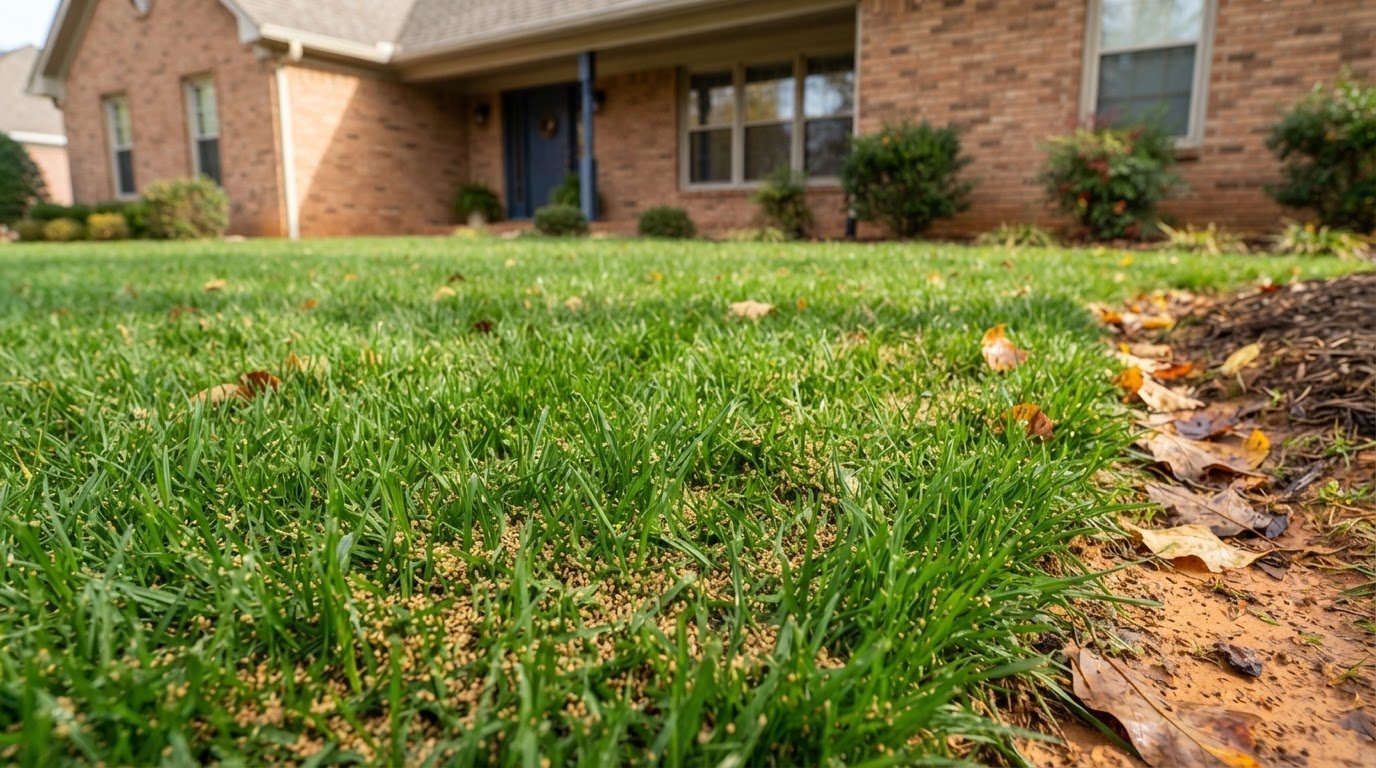
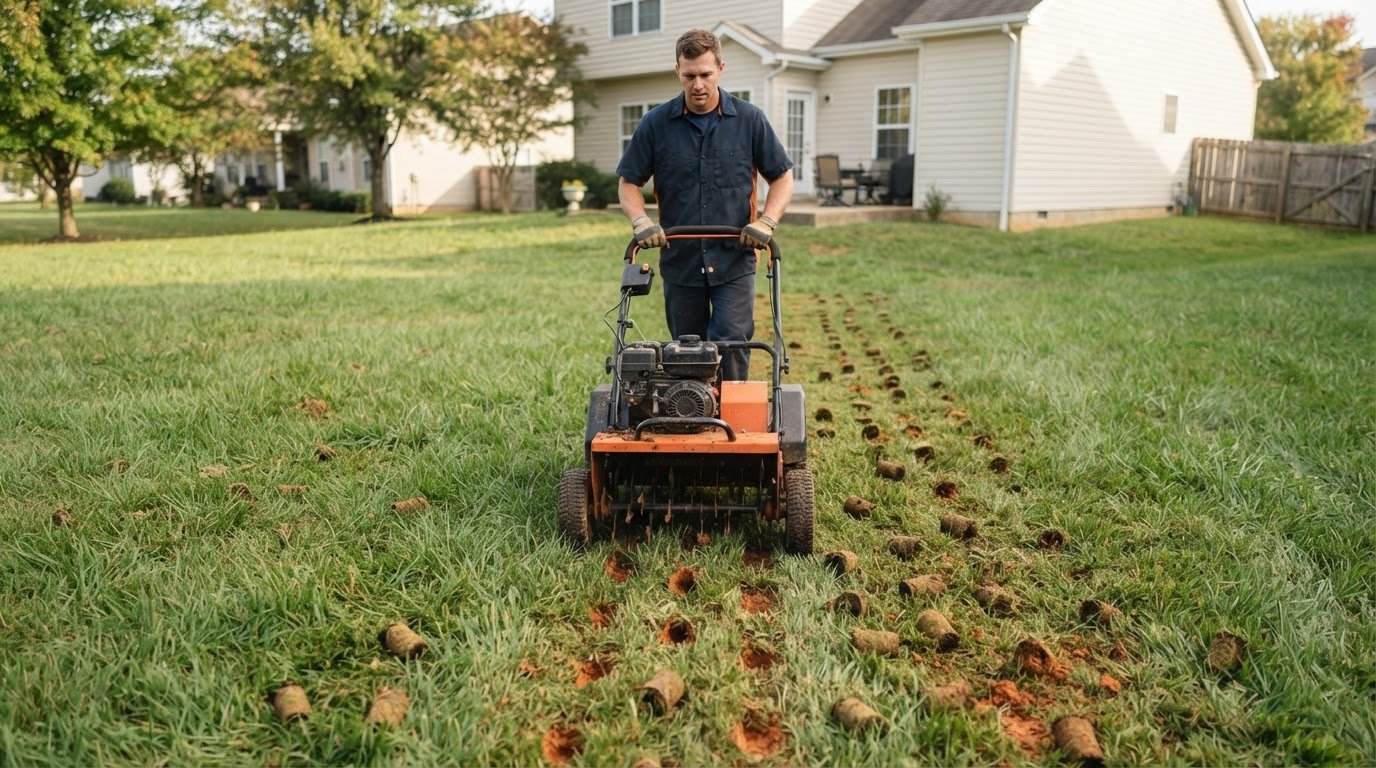
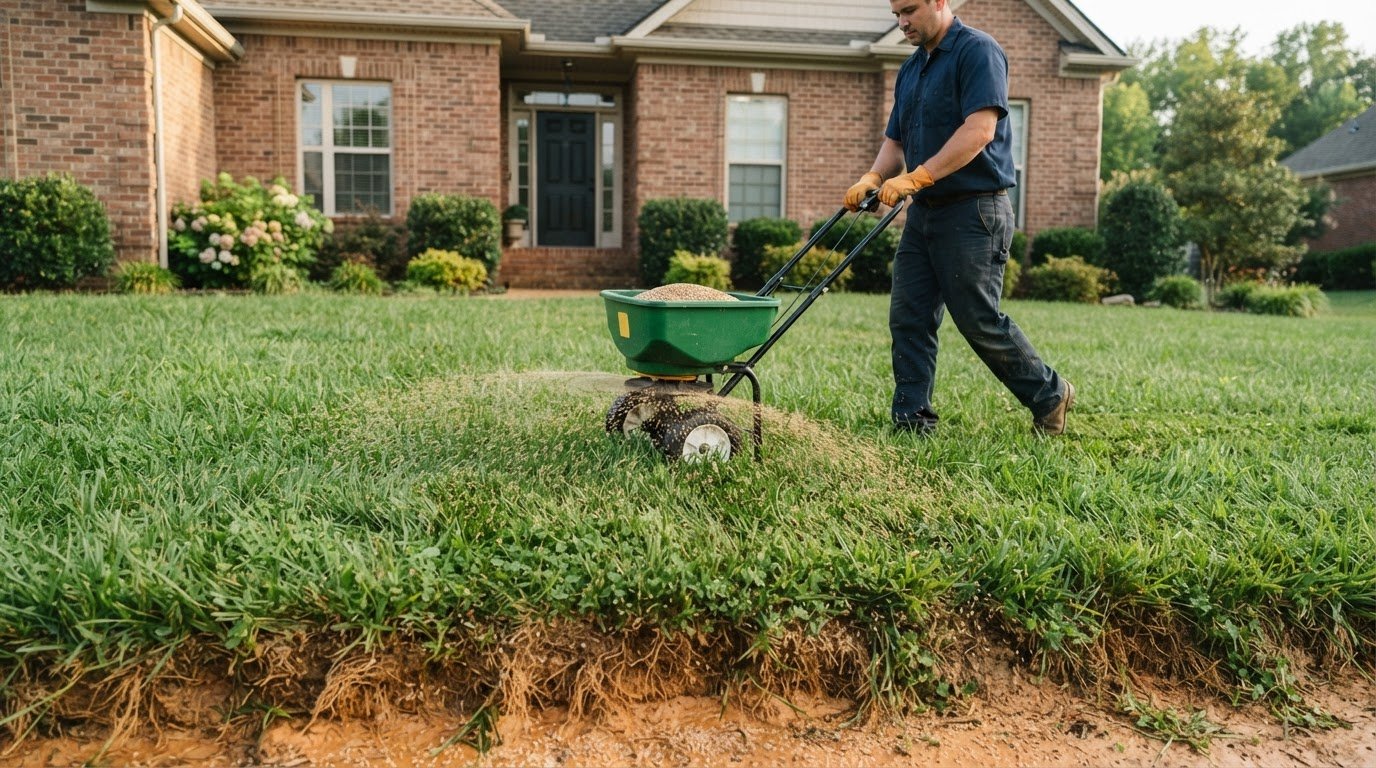
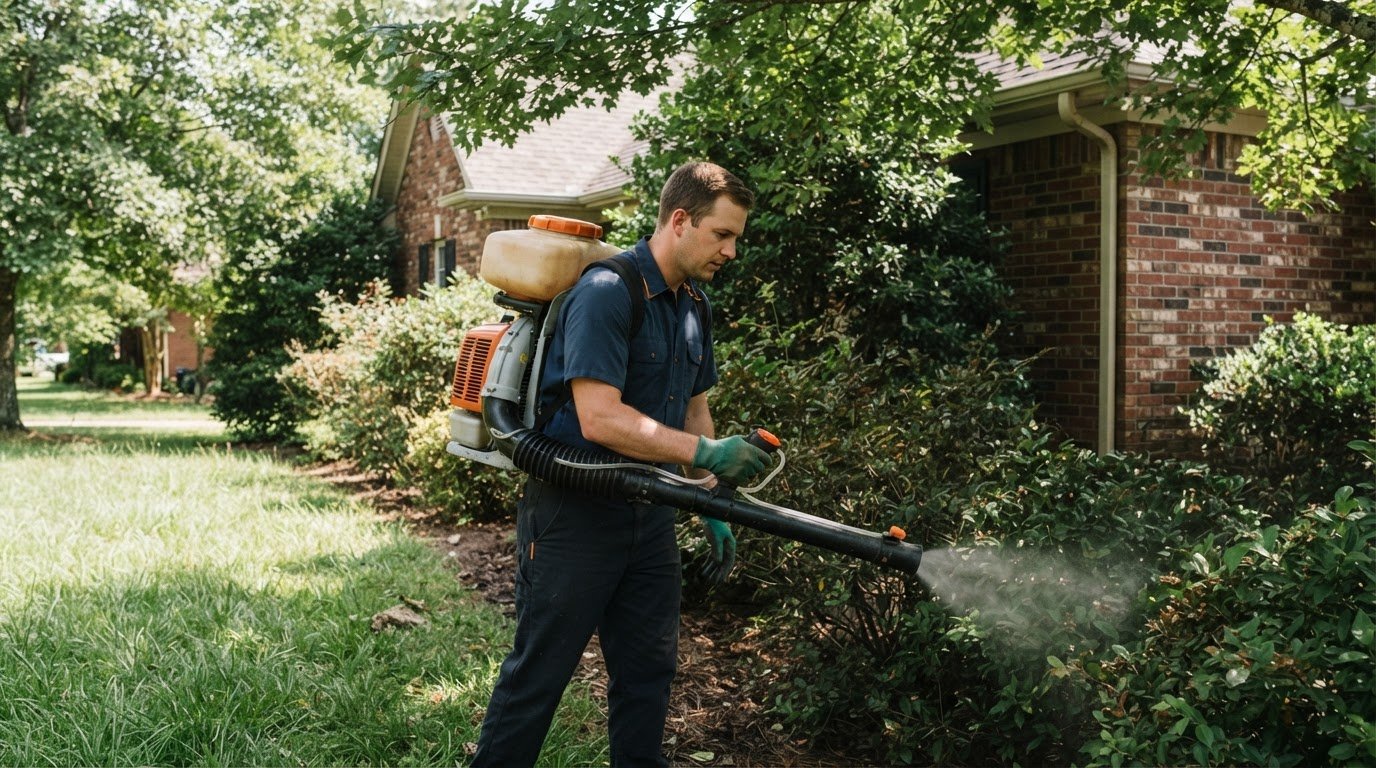
Performance Lawns, INC helps residential and commercial property owners manage weeds with lawn treatments, including fertilizer and weed control. The approach considers the turf, weeds present, and property use, with the aim of reducing weed pressure and supporting healthier grass. Homeowners seeking broader turf support can also choose residential aeration and overseeding to improve soil health and encourage thicker growth.
Turn to Performance Lawns, INC when weeds keep returning, your lawn needs consistent treatment, or business grounds need care suited to their setting. Weed control is ongoing management, not a promise of complete elimination. Treatments can be tailored to the lawn’s conditions and weed challenges.
Contact Performance Lawns, INC to discuss your property’s lawn care needs.
Choose a practical next step for your lawn
A useful weed-control plan starts with the result you want from the space. A homeowner may prioritize an even, inviting front lawn, while a business may focus on a tidy customer entrance. Sharing those priorities helps shape a plan around the property’s purpose, not just the weeds visible today.
Working with weed control professionals in Lebanon TN can help turn that priority into a clear direction for ongoing lawn care. Describe where weeds are most noticeable and how you use the area. That context helps guide a conversation about suitable treatment and realistic expectations for managing unwanted growth over time.
Healthy turf is an investment in the comfort and character of your property. Choose an approach that supports those values season after season, with room to adapt as the lawn changes. Contact Performance Lawns about weed control to discuss your property’s needs and take the next step with confidence.
Frequently Asked Questions
How do you get rid of weeds in Lebanon?
Getting weeds under control in Lebanon starts by identifying the weed and assessing the surrounding turf. Broadleaf weeds and grassy weeds may call for different treatments. A recurring program can address growth that appears at different points in the season, while a single application may miss later-emerging weeds. For example, a thin lawn may need weed management alongside care that encourages thicker grass. The aim is to reduce weed pressure, not promise perfect elimination.
What weed removal services do Lebanon, TN lawn care experts offer?
Services include lawn treatments and fertilizer and weed control for residential or commercial turf. Performance Lawns also offers residential aeration and overseeding to support denser grass as part of broader lawn care. For a home lawn, the focus may be weeds in the turf and improving growing conditions. Commercial plans can account for the property’s use and visible lawn areas. Performance Lawns serves Lebanon and nearby communities, including Mt. Juliet, Gallatin, and Hendersonville.
What herbicides and weed removal methods do local experts use?
Professionals select weed treatments based on the weed, turf type, and application area. A treatment suited to broadleaf weeds may not manage Dallisgrass or Johnsongrass, which can require a targeted approach. Depending on the situation, weed management may also involve physically removing isolated plants and improving turf density to limit open growing space. Product selection and application directions matter; a general product name alone cannot tell whether a treatment fits a particular lawn.
Are there seasonal weed control recommendations for Lebanon, TN and Middle Tennessee?
Yes. Plan weed control around seasonal growth rather than choosing one fixed treatment date for every lawn. In Lebanon and Middle Tennessee, timing should account for the weeds present, turf condition, and current weather. For example, a lawn under summer drought stress may need its condition considered before treatment, while new weed growth later in the year may call for follow-up. A seasonally adjusted program keeps attention on changing lawn needs.