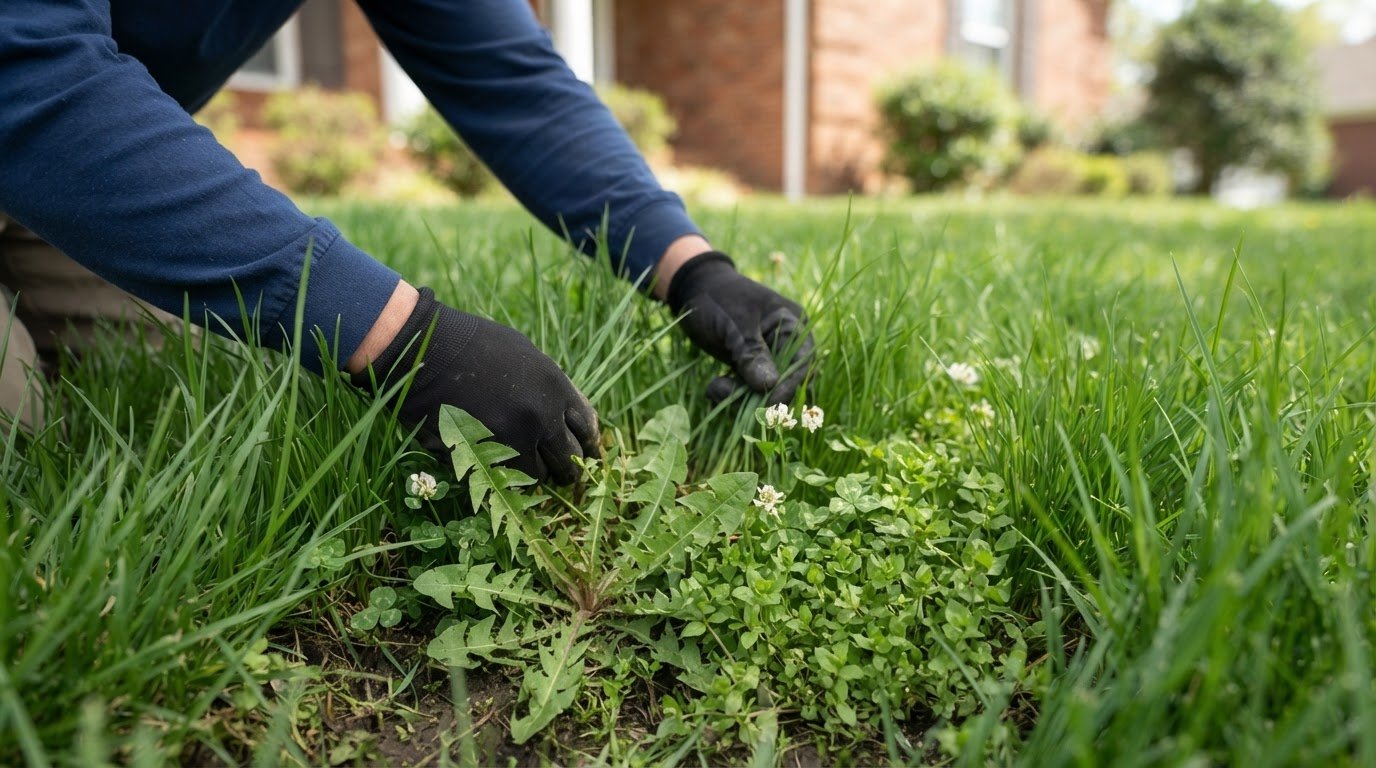


In Mt. Juliet, a healthier lawn starts below the surface. Clay-heavy soil can compact, hold surface moisture, and restrict deeper root growth. That’s why soil conditioning and lawn fertilization in Mt. Juliet should account for the soil and grass type, rather than follow a one-size-fits-all schedule.
Before choosing professional care or DIY applications, consider the work your lawn needs. Lawn size, grass type, soil condition, and the treatments involved all affect the plan.
This guide explains how local soil conditions affect lawn health, why aeration and overseeding are often considered in fall, and what to weigh when choosing professional service or doing the work yourself. It also covers how soil testing can inform fertilizer and soil-conditioning decisions, helping you focus treatments on what your lawn needs.
Fall aeration and seeding timing in Mt. Juliet
For cool-season lawns in Mt. Juliet, fall is the main window for aeration and overseeding. Grass type, soil compaction, and summer damage help determine the right timing.
Fall Aeration and Seeding Schedule
Mt. Juliet’s fall seeding window is September 28 to October 19. This period suits tall fescue lawns recovering from summer wear. Scheduling aeration and seeding within that window helps seed reach loosened soil during the suitable season. Warm-season grasses, including Bermuda, follow a different seasonal rhythm, so identify the lawn’s grass before planning annual seeding.
Bermuda grass that has spread into an established fescue lawn can be extremely difficult to eliminate completely. Management generally focuses on limiting its spread and keeping the desired fescue healthy and competitive. Overseeding can thicken thin areas, but adding fescue seed does not by itself stop Bermuda from spreading.
Aeration equipment should fit the property’s layout and access. Compact equipment can maneuver around narrow gates, trees, and planting beds; larger, open lawns may suit higher-capacity equipment. The average Mt. Juliet lawn is 5,036 square feet, though individual properties vary. Slopes, tight turns, and obstacles also affect equipment access and coverage.
Fertilize actively growing lawns when temperatures stay between 50°F and 85°F. Cool-season grasses such as tall fescue are generally fertilized in fall rather than just before summer heat. A minimum-maintenance lawn program places its single annual application in late summer. Avoid fertilizing during the hot, dry middle of summer, when lawn grasses are usually semi-dormant.
Overfertilizing can stress turf and encourage excessive, weak top growth. Fertilizer applied before heavy rain may wash away, spread unevenly, or run off the lawn. Follow the product label and avoid applying fertilizer when runoff is likely. Careful timing helps protect turf and nearby areas.
Overseeding and Soil Compaction
Core aeration removes small soil plugs, opening channels for air, water, and nutrients. Overseeding afterward places fescue seed near exposed soil, helping fill bare patches and thicken thin turf. This pairing can benefit areas where foot traffic or clay compaction has left grass sparse. Residential aeration and overseeding combines these steps for lawn renewal.
Core and liquid aeration work differently. Core aeration physically removes plugs, leaving visible openings in the soil. Liquid aeration applies a treatment but does not create those same physical openings. For dense, compacted clay, the right approach depends on the lawn’s symptoms, equipment access, and whether seed-to-soil contact is a priority.
Look for compacted areas where water puddles, the ground feels firm, or grass grows thin despite suitable care. Core aeration can address compaction before overseeding, leaving openings for seed-to-soil contact. Timing the work to Mt. Juliet’s fall window can support recovery after summer wear.
Lawn-care service costs and DIY application
Professional lawn-care costs in Mt. Juliet depend on the work the property needs, not fertilizer alone. Lawn size, grass type, soil condition, and the number of treatments all shape a quote. A lawn needing fertilizer and weed control has different requirements from one also needing soil conditioning. The price depends on the case and is provided after a quote request.
DIY application can reduce labor costs, but correct calibration matters. First, measure the lawn area and read the fertilizer label for its nitrogen percentage. A product containing 10% nitrogen should be applied at 10 lbs. per 1,000 sq. ft. to supply 1 lb. of nitrogen. For comparison, 15% nitrogen requires 7 lbs. per 1,000 sq. ft., while 20% nitrogen requires 5 lbs. per 1,000 sq. ft.
Keep each application to 1 lb. of actual nitrogen per 1,000 sq. ft. A moderate lawn-maintenance program includes 2 fertilizer applications per year. A high-maintenance program involves 4 or 5 applications annually, while a minimum-maintenance plan may use one application late summer. These are different approaches, not a reason to apply more fertilizer automatically. Grass type, growth, and soil-test results help guide the choice.
Lawn treatments in Mt. Juliet and Middle Tennessee should reflect the local growing season. Cool-season turf is generally fertilized in fall, rather than just before summer heat. Timing also depends on the lawn’s condition and the treatments involved. When requesting a quote, describe the property, visible concerns, and services you’re considering so the proposed plan can address those details.
Delivery timing can’t be reduced to one schedule for every lawn. Seasonal demand and the correct treatment window influence when work should take place. For example, a fall treatment for tall fescue needs to fit its growing season; an application outside that window may not match the lawn’s needs. Planning ahead helps align service timing with the treatment rather than treating every visit alike.
When requesting service, include the Mt. Juliet property location, the lawn areas needing attention, and the grass type if you know it. Say whether you’re looking for fertilization, weed control, or both, and describe issues such as thin turf or visible weeds. These details help shape a plan for soil conditioning and lawn fertilization in Mt. Juliet around your property’s needs.
DIY is practical for a straightforward fertilizer application when the lawn area is measured and the spreader is calibrated. A professional lawn-care service is useful when the plan involves several treatments, uncertain soil needs, or coordinated weed control and fertilization. For soil conditioning and lawn fertilization in Mt. Juliet, choose the approach that fits your time, equipment, and lawn’s condition. To discuss a plan for your property, send a lawn-care service request with its location and needs.
Local soil type, pH, and nutrient profile
Mt. Juliet soil is composed of 15% sand, 64% silt, and 21% clay. That mix influences drainage, moisture retention, and how roots access nutrients. The typical local soil pH is 6.9, while reported levels include 157 ppm potassium, 111 ppm phosphorus, and 2,363 ppm calcium. These figures describe area-level conditions, not a test of an individual yard.
Soil testing helps distinguish a lawn’s actual needs from regional averages. Collect samples from 10 to 20 places, using soil from 3 to 5 inches deep. Mix the samples together, then submit about 1/2 pint for testing. Use the results to guide nutrient choices; don’t add lime simply because a lawn looks pale or grows slowly.
The local pH figure of 6.9 is useful context, but a yard’s test result should guide treatment. Lime is recommended when a soil test shows the soil is more acidic than it should be. Adding amendments without testing can shift soil conditions unnecessarily. A test also helps separate nutrient needs from problems caused by compaction, drainage, or summer moisture stress.
For fertilizer use in Tennessee, follow the product label and base nutrient additions on soil-test results. Seasonal lawn-care recommendations are not automatically legal requirements, so don’t treat a suggested schedule as a state or local rule.
Mt. Juliet lawns may face crabgrass, dandelion, clover, and nutsedge, as well as grubs and chinch bugs. Symptoms matter because weeds compete with grass, while feeding pests can damage turf directly. Dallisgrass and Johnsongrass are invasive grassy weeds that can be more challenging to manage than common broadleaf weeds and may require targeted treatment.
Local knowledge matters because soil-test results need to be considered alongside each property’s conditions. Lawns in Mt. Juliet, Lebanon, Gallatin, and Hendersonville can differ in shade, drainage, traffic, and irrigation, even when the broad soil profile is similar. Those factors affect how quickly soil dries after rain and how roots take up nutrients. Summer heat can stress turf, and winter growth patterns vary by grass type.
Use a simple sequence to make the soil profile actionable:
- Sample several lawn areas rather than relying on one spot.
- Record soil-test pH and nutrient results before choosing amendments.
- Match fertilizer choices to identified nutrient needs and the grass type.
- Reassess thin or discolored areas for compaction, moisture, weeds, or pests.
This approach gives homeowners in Mt. Juliet, Lebanon, Gallatin, and Hendersonville a clearer basis for soil-conditioning and fertilizer decisions than relying on a neighborhood average alone.
Compacted Middle Tennessee clay soils
Soil conditioning and lawn fertilization in Mt. Juliet should account for local clay-based soil and its effects on root growth. Conditioning targets soil structure or compaction; fertilizer supplies nutrients. Treating one issue as if it were the other can leave the underlying lawn problem unresolved.
Clay Soil Compaction
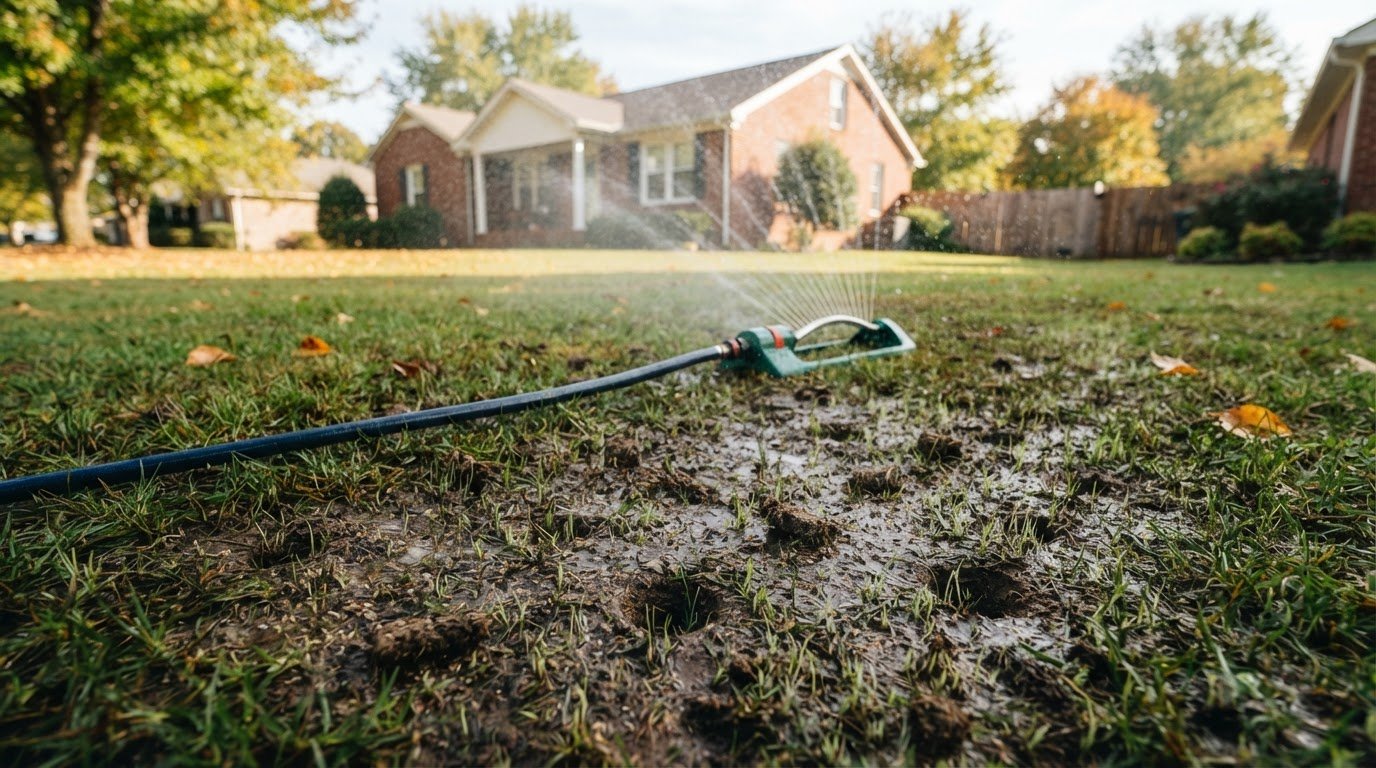
Clay particles pack closely, restricting air and water movement through the soil. In Mt. Juliet, clay-based soil can hold surface moisture while limiting deeper root growth. Look for puddles after rain, firm ground, or thin grass along frequently used paths. These signs may point to compaction. Fertilizer addresses nutrient needs, not tightly packed soil.
Local soil contains 4.33% organic matter, but individual yards vary. A neighborhood lawn can differ because of grading, construction, traffic, or earlier soil disturbance. Check affected areas separately: a worn route between the driveway and backyard may be compacted, while a shaded corner may stay damp for another reason. Matching the treatment to the cause helps avoid unnecessary amendments.
Conditioners for Clay and Drainage
Organic matter, such as mature compost, can support soil structure during renovation or as suitable topdressing. Core aeration opens compacted soil; compost adds organic material. They serve different purposes. A soil conditioner won’t correct poor grading or standing water by itself, so identify the source of drainage trouble first.
For a compacted lawn, use a sequence that fits the condition:
- Identify puddles, hard soil, and thin turf, separating compaction from shade or grading concerns.
- Use core aeration where tightly packed soil restricts water and root movement.
- Apply organic matter appropriately during renovation, rather than spreading an unknown amendment indiscriminately.
- Reassess drainage and turf growth before choosing further treatments.
Avoid treating every clay lawn with sand. A small amount of sand added to clay can create dense soil rather than improve drainage. Changing soil texture broadly calls for a considered renovation plan, not a quick surface application. Lime isn’t a general clay conditioner; use it only when soil-test results indicate a need.
Grass type and season shape recovery. Fescue and Bermuda respond differently to seasonal conditions, so time renovation for the desired grass. In a high-traffic Tennessee yard, reducing pressure on wet areas can help protect loosened soil. A walkway or changed traffic pattern may limit fresh compaction while roots establish.
For soil conditioning and lawn fertilization in Mt. Juliet, match each treatment to the cause: aeration for compaction, organic matter for soil structure, and separate attention to grading-related drainage. This approach helps roots access air and water without confusing surface symptoms with fertilizer needs.
Which local lawn care companies offer soil testing and conditioning in Mt. Juliet?
In Mt. Juliet, soil testing and soil conditioning are related but distinct. A soil test identifies characteristics such as pH and nutrient levels; conditioning addresses physical issues such as compaction or poor soil structure. A useful lawn-care plan connects those findings to the turf problem instead of treating every thin or discolored area with fertilizer.
Choose an approach that distinguishes diagnosis from treatment. Yellow grass, for example, may reflect a nutrient imbalance, restricted roots, or excess moisture. Fertilizer alone won’t resolve every cause. Soil results can guide nutrient decisions, while visible drainage problems may call for a different response. This distinction clarifies what each treatment is intended to address.
Local expertise matters because Mt. Juliet properties can vary even within one neighborhood. A shaded lawn beside a tree line may stay damp longer than open turf, while a worn path can show compaction from repeated foot traffic. A thoughtful assessment considers those site conditions alongside grass type and soil results. It avoids assuming that every yard needs the same amendment or treatment schedule.
Soil testing and lawn treatment are separate steps: soil-test results can inform fertilizer decisions, and a lawn-care plan can match treatments to the findings. Lime recommendations, for instance, should follow a soil test rather than a guess based on grass color. Conditioning should also target the identified issue, such as compaction or limited drainage, instead of being treated as a universal fix.
When comparing treatment plans, focus on the work involved and the intended outcome, not just the treatment name. A useful plan should explain:
- Which lawn symptoms or soil conditions the work addresses.
- Whether soil testing is part of the process or a separate step.
- How soil-test results influence fertilizer or amendment choices.
- How compaction, drainage, and grass type affect the recommended approach.
For a Mt. Juliet lawn with thin turf and standing water, these details help distinguish a soil concern from a fertilizer need. A clear explanation also shows the purpose of each treatment and how it fits the property. Soil conditioning and fertilization work best when they address the lawn’s needs rather than follow a generic neighborhood schedule.
If you’d like to discuss lawn-care needs for your property, send a lawn-care service request with the location and symptoms you’re seeing. Details such as compacted areas, drainage concerns, or uneven grass growth can help frame the conversation around the right next step.
Performance Lawns, INC: Weed Control and Fertilization
Performance Lawns, INC helps homeowners in Mt. Juliet address turf needs with fertilizer and weed control, lawn treatments, and residential aeration and overseeding. Fertilizer and weed control support lawn nutrition and weed management. When compaction or thin turf is a concern, aeration and overseeding can complement a broader lawn-care plan by improving soil conditions and helping fill sparse patches.
Soil-test results can guide fertilizer decisions, while visible compaction may call for aeration rather than additional nutrients. Matching the treatment to the issue keeps the plan focused. Performance Lawns, INC offers lawn treatments, fertilizer and weed control, and residential aeration and overseeding.
Contact Performance Lawns, INC to discuss your Mt. Juliet lawn and the care it needs.
Set a Clear Direction for Your Lawn
For soil conditioning and lawn fertilization in Mt. Juliet, make the next step a clear account of what you want your lawn to do. A fuller fescue lawn, fewer visible weeds, or healthier growth in a worn area each points to a different priority. Naming the goal helps keep decisions focused on your property rather than a generic treatment schedule.
Before reaching out, note which parts of the yard concern you and what changes you hope to see. Mention whether you’re considering professional care or comparing it with DIY applications. These details give Performance Lawns, INC a practical starting point for discussing your lawn’s needs and suitable care options.
A thoughtful plan begins with the condition of the lawn and the outcome you value. Contact Performance Lawns, INC to discuss your lawn and take the next step toward a healthier, more welcoming outdoor space.
Frequently Asked Questions
What soil conditioning and lawn fertilization services are available in Mt. Juliet, TN?
Homeowners in Mt. Juliet can get lawn treatments, fertilizer and weed control, and residential aeration and overseeding from Performance Lawns, INC. These services address turf nutrition, weed pressure, and soil compaction through different treatments. Soil testing is a separate step that can identify pH and nutrient needs. Performance Lawns also serves homeowners in Lebanon, Gallatin, and Hendersonville.
How much does lawn fertilization cost in Mt. Juliet, TN?
Lawn fertilization costs depend on the property and work involved, so request a quote for your lawn rather than relying on a general figure. Factors include lawn area, grass type, visible weed pressure, and whether the plan involves fertilization alone or additional lawn treatments. Share your location and the issues you’re seeing when requesting a quote to give the service team useful context for discussing a suitable plan.
What soil types and pH levels are common in Mt. Juliet, Tennessee?
Mt. Juliet soil commonly contains 15% sand, 64% silt, and 21% clay, with a typical pH of 6.9. Those are local profile figures, not a measurement of every property. For example, a newly graded yard may behave differently from established turf nearby. Use a test from the specific lawn before deciding whether to adjust pH or nutrients, especially before applying lime or choosing a fertilizer blend.
How can I test my lawn soil in Mt. Juliet, and where can I get a soil test?
Collect soil from several representative spots across the lawn, combine the samples, and submit the mixture to a soil-testing laboratory. If one area stays wet while another dries quickly, sample those areas separately. A soil-testing service can report pH and nutrient levels. Use the results to guide amendment decisions; lawn color alone doesn’t show which nutrient or soil condition needs attention.
Which fertilizers are best for cool-season and warm-season lawns in Mt. Juliet?
The best fertilizer depends on grass type, growth season, and soil-test results, rather than a single brand or formula. Tall fescue is a cool-season grass, while bermudagrass is warm-season; their active growth periods differ. Choose a product whose nutrient analysis fits the lawn’s needs, then follow its label rate. A general nutrient ratio such as 3:1:2 can be a reference, but soil results should guide actual nutrient selection.
How do professional lawn fertilization plans compare with DIY treatment in Mt. Juliet?
DIY treatment gives homeowners control over product choice and application timing, but requires measuring the lawn and calibrating the spreader accurately. Professional care can coordinate fertilization with weed control and other lawn treatments, simplifying recurring maintenance. Either way, match the product and application rate to the grass and soil needs. Uneven growth or mixed grass types are important factors when choosing an approach.