

A healthy lawn is the best defense against broadleaf weeds. For broadleaf weed elimination in Lebanon, TN, focus on controlling existing weeds while helping turf grow thick enough to compete for water, nutrients, and sunlight. Broadleaf weeds are non-grass plants with wide leaves and visible veins, and some can return if roots remain in the soil.
It’s frustrating to see dandelions, clover, or chickweed spread across a lawn you work hard to maintain. Consistent care can reduce weed pressure and support healthier turf, although no approach can promise a completely weed-free lawn.
This guide explains how to identify common broadleaf weeds, why they take hold, and which lawn-care habits can limit their return. It also covers how weed treatments fit into ongoing care, and why timing, turf condition, and weed type matter.
Broadleaf weed identification and common lawn species
Identify a lawn’s broadleaf weeds by looking at leaf shape, growth pattern, and roots. These clues help distinguish plants that spread across turf from those that can return from deep roots.
Identifying Broadleaf Lawn Weeds
Broadleaf weeds are non-grass plants with wide leaves and visible veins, unlike the narrow blades of lawn grasses. Look at how each plant grows, not just its color. A rosette grows close to the ground, while a creeping weed sends stems across nearby turf. Accurate identification matters because growth habits affect how weeds spread and respond to removal or treatment.
Check the leaf arrangement and how the plant connects to the soil. Dandelions, plantain, and dock form low rosettes and develop deep taproots. If a root remains after pulling, the plant can regrow. Some broadleaf weeds spread along creeping stems that may root at multiple points. Removing only the visible leaves can leave rooted sections behind.
Common Weeds in Lebanon and Middle Tennessee
Common broadleaf weeds in Lebanon and nearby Middle Tennessee communities include dandelion, plantain, dock, clover, chickweed, and lespedeza. Each grows differently, so identify the plant before choosing a control method. Dandelion leaves grow from a ground-level rosette, while clover spreads through creeping stems. Recognizing these differences helps match treatment to the weed instead of treating every patch alike.
Other broadleaf weeds include henbit, knotweed, and spurge. A single lawn can contain several types, especially where turf is thin or bare. Note where patches appear and whether plants grow upright, form rosettes, or creep outward. These observations can help show whether a weed spreads by seed, roots, or stems.
Root structure explains why some weeds return after removal. Dandelions, plantain, and dock can regrow when their taproots remain. Clover, chickweed, and lespedeza can persist if stem sections root at multiple points. Hand-pulling isolated weeds works best in moist soil, when roots are easier to remove. For larger patches, identifying the species helps guide a targeted weed-control approach.
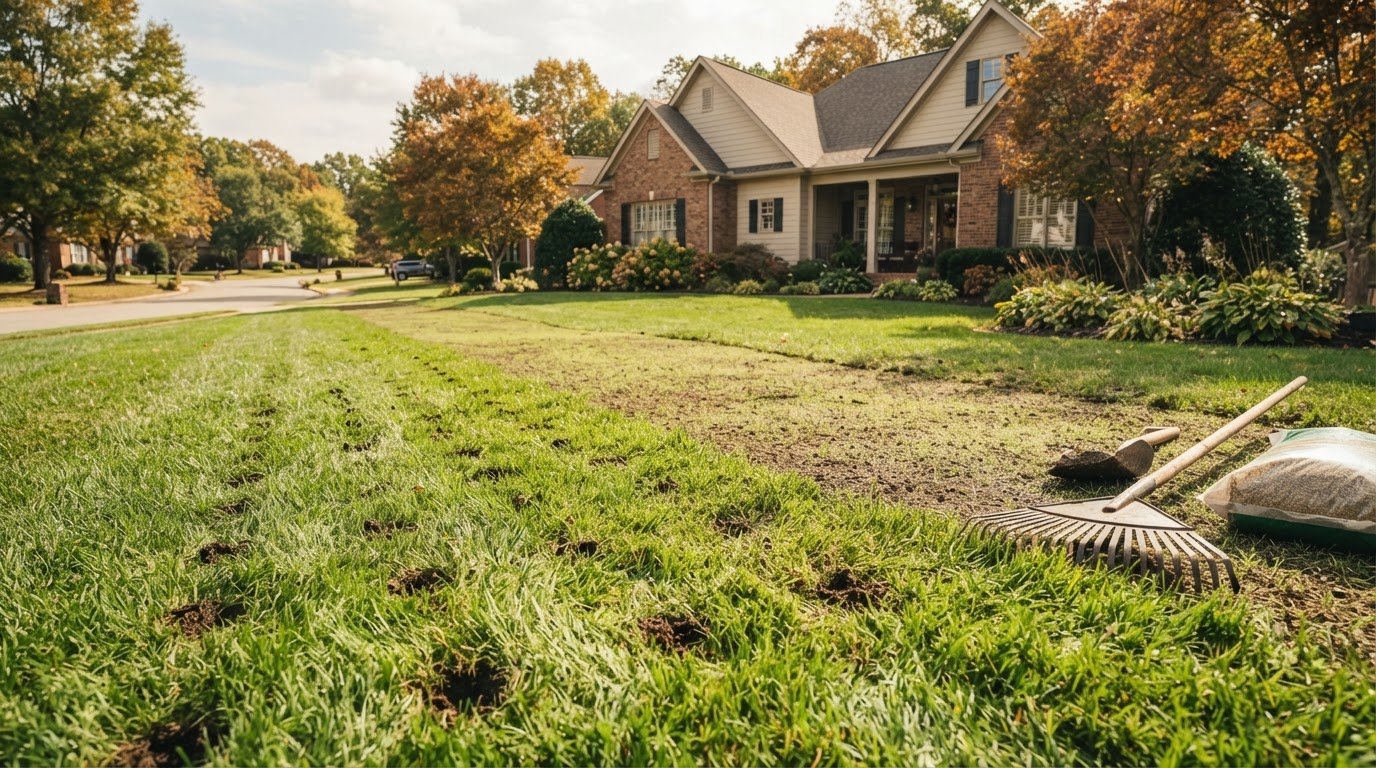
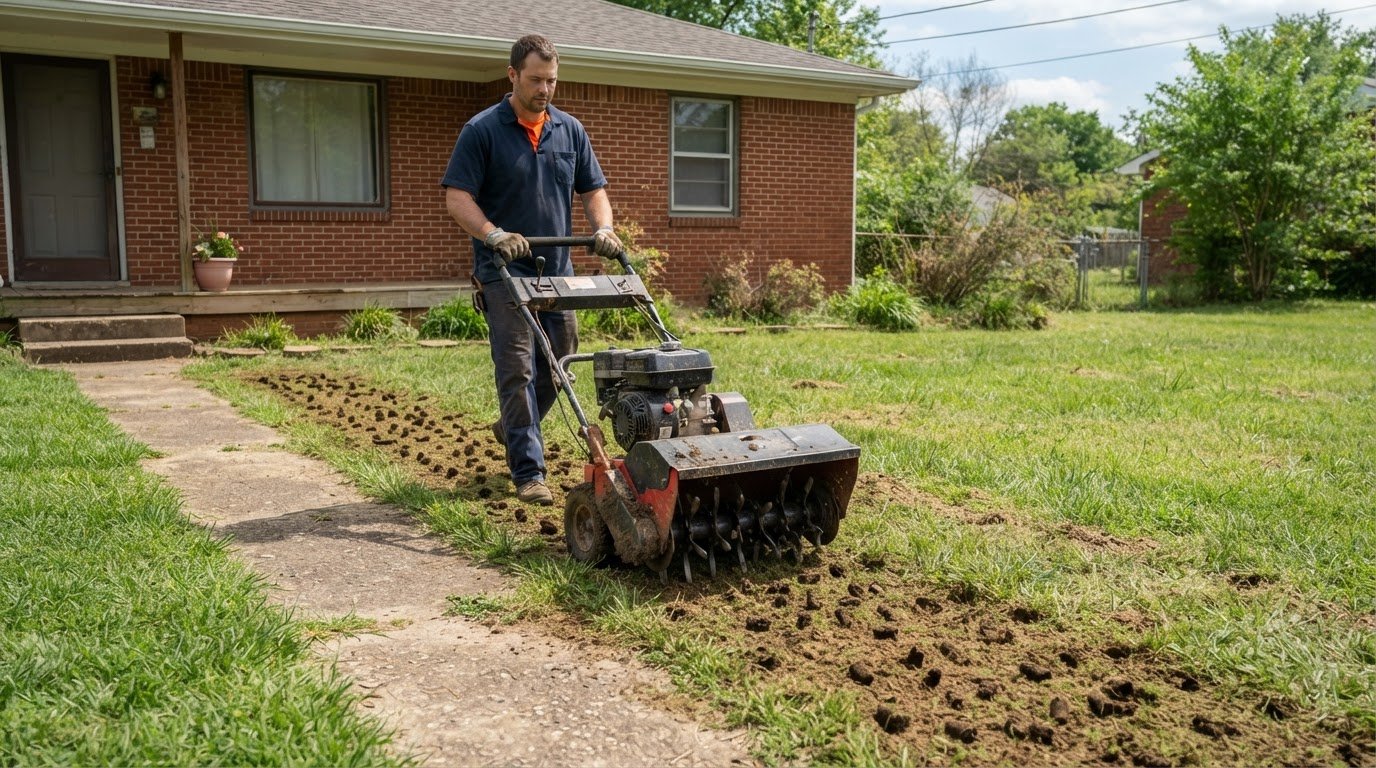
Turf health also affects weed pressure. Broadleaf weeds compete with grass for water, nutrients, and sunlight, while thin turf leaves open ground for new growth. Appropriate fertilization can support stronger turf, and aeration or overseeding can help address thin areas. Proper mowing and watering also contribute to a denser lawn that competes more effectively with weeds.
Not every unwanted plant is a broadleaf weed. Dallisgrass and Johnsongrass are invasive grassy weeds that can be harder to manage than common broadleaf weeds. They may need a separate, targeted approach because typical broadleaf treatments may not work on them. Identify the plant type first to avoid using an unsuitable treatment and keep lawn-care decisions focused on the actual problem.
Lawn maintenance to prevent weeds
Prevention starts with a routine that supports even turf growth across the property. Treat recurring thin areas as clues, not isolated blemishes. A shaded strip beside a fence, for example, may need different care from an open lawn. Matching maintenance to each area helps avoid repeating the same response where conditions differ.
Mow to support steady turf growth. Set equipment for the grass and conditions, and avoid removing too much leaf growth at once. Sharp mower blades make cleaner cuts than dull ones, which can tear grass and leave a rough finish. A consistent mowing pattern also makes it easier to spot changes in lawn density and recurring trouble areas.
Keep lawn equipment in good working order. A clogged mower deck can distribute clippings unevenly, while dull blades may leave ragged tips. Clear equipment after working through areas with seed heads or attached plant material, so debris isn’t carried across the yard. These habits support orderly maintenance and make new growth easier to spot.
Plan routine care around the lawn’s changing condition instead of relying on a fixed response. If a section starts thinning, consider whether shade, foot traffic, or drainage has changed. A path used often by children, for instance, may need a different maintenance plan from an unused corner. Addressing the cause can help prevent repeated stress in the same area.
Keep a simple record of where and when unwanted plants appear. Note whether a patch follows a wet period, heavy use, or a change in mowing. These observations can distinguish a one-time flush from a pattern tied to the site. Maintenance decisions are more precise when they reflect what the lawn is experiencing.
Healthy turf care is ongoing. Consistent mowing, attentive observation, and timely adjustments help maintain a more uniform lawn and reduce opportunities for unwanted plants to establish. If recurring patches persist despite routine care, professional lawn-care guidance can help connect the problem with the conditions behind it.
Maintaining thick, healthy turf through proper mowing, fertilization, watering, aeration, and overseeding can help prevent broadleaf weeds from returning. Thin or bare turf, compacted soil, poor drainage, improper mowing, and a lack of fertilization can create conditions that favor broadleaf weeds.
Vinegar-based spot treatments may help control young weeds, while corn gluten meal is used as a pre-emergent option. These approaches address targeted young growth and weed prevention, but lawn conditions still matter.
Local climate and soil conditions affecting weeds
Treat broadleaf weeds in Lebanon, TN, while they’re actively growing, which may be in spring, summer, or fall. Weather, soil moisture, and turf condition affect how well a treatment reaches growing weeds, so the calendar alone doesn’t determine the best application window.
Lebanon lawns can have different growing conditions from one property to another. A sunny front lawn may dry faster than a shaded backyard, while a low area may hold moisture after rain. These differences affect grass growth and weed activity. Note where dandelions, chickweed, or clover appear, then consider site conditions as well as the season.
Rainfall changes soil moisture, affecting both weed growth and lawn work. Moist soil makes hand-pulling isolated weeds easier, while saturated ground can make foot traffic or equipment damaging to turf. During dry periods, grass may struggle to compete, leaving weak patches where new weeds can establish. Time treatments for actively growing weeds and workable lawn conditions.
Soil compaction can restrict water and air reaching grass roots. Repeated foot traffic, such as along a path from a driveway, can thin turf and create openings for weeds. Poor drainage presents another challenge: water may collect in low spots, while elevated areas dry sooner. Addressing these differences helps turf grow more evenly across the property.
Sunlight and shade create different growing zones within one yard. Grass beneath a tree may grow differently from turf in an open area, and mowing practices may need to account for that. If weeds repeatedly appear along a shaded fence or in a sunny bare patch, note the location and conditions. Treating visible weeds without addressing the site pattern may leave the same opening for regrowth.
Seasonal timing matters because weeds respond to growing conditions, not just dates. A dandelion actively growing in spring may be more suitable for treatment than one stressed by dry weather. Chickweed and clover can behave differently across a lawn, so identify active growth before choosing an approach. Perennial weeds with established roots may need attention across multiple seasons.
Weather can affect how long a treatment stays on target. Rain soon after application may interfere with some treatments, while wind can carry spray away from the intended patch. Follow the product label for weather limits, application method, and restrictions. Granular products and spray treatments can have different directions, so don’t assume their timing is the same.
For broadleaf weed elimination in Lebanon, TN, use the growing season as a guide, then assess the lawn itself. Active weeds, workable soil conditions, and healthy turf all matter. Observing dandelions, chickweed, and clover through the season can help distinguish a short-lived flush from recurring pressure tied to drainage, shade, or compacted ground.
Treatment safety for lawns, children, and pets
For residential lawn herbicides in Tennessee, follow the specific product label. Check its permitted use sites, application directions, and precautions before treating a lawn. Instructions vary by product, so don’t assume directions for one herbicide apply to another. Keep children and pets away from treated areas for the period stated on the label.
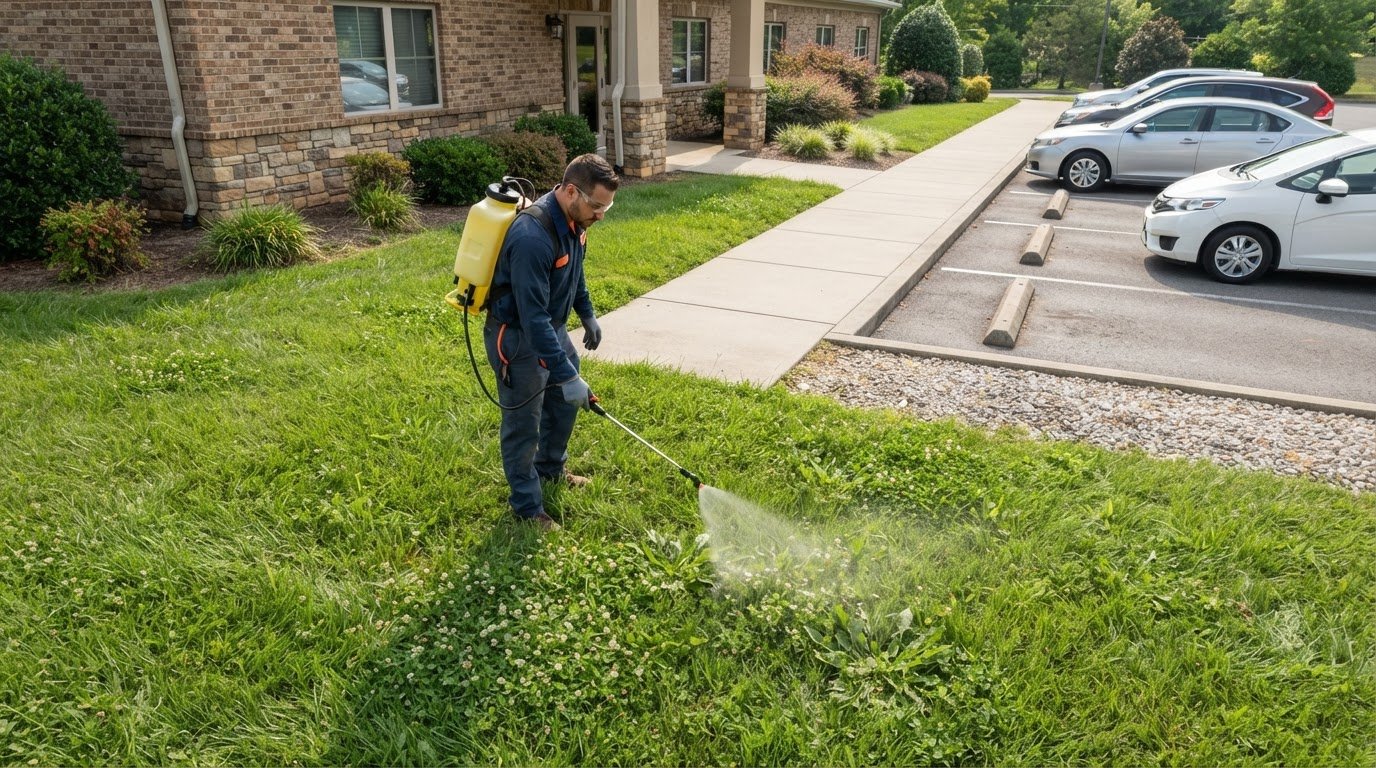
Choose a treatment suited to both the weed and the grass. Selective broadleaf herbicides target broadleaf weeds while sparing desirable grass when used as directed. Non-selective options can injure turf as well as weeds. A vinegar-based spot treatment, for example, may affect any grass it touches, so use it carefully around lawn edges.
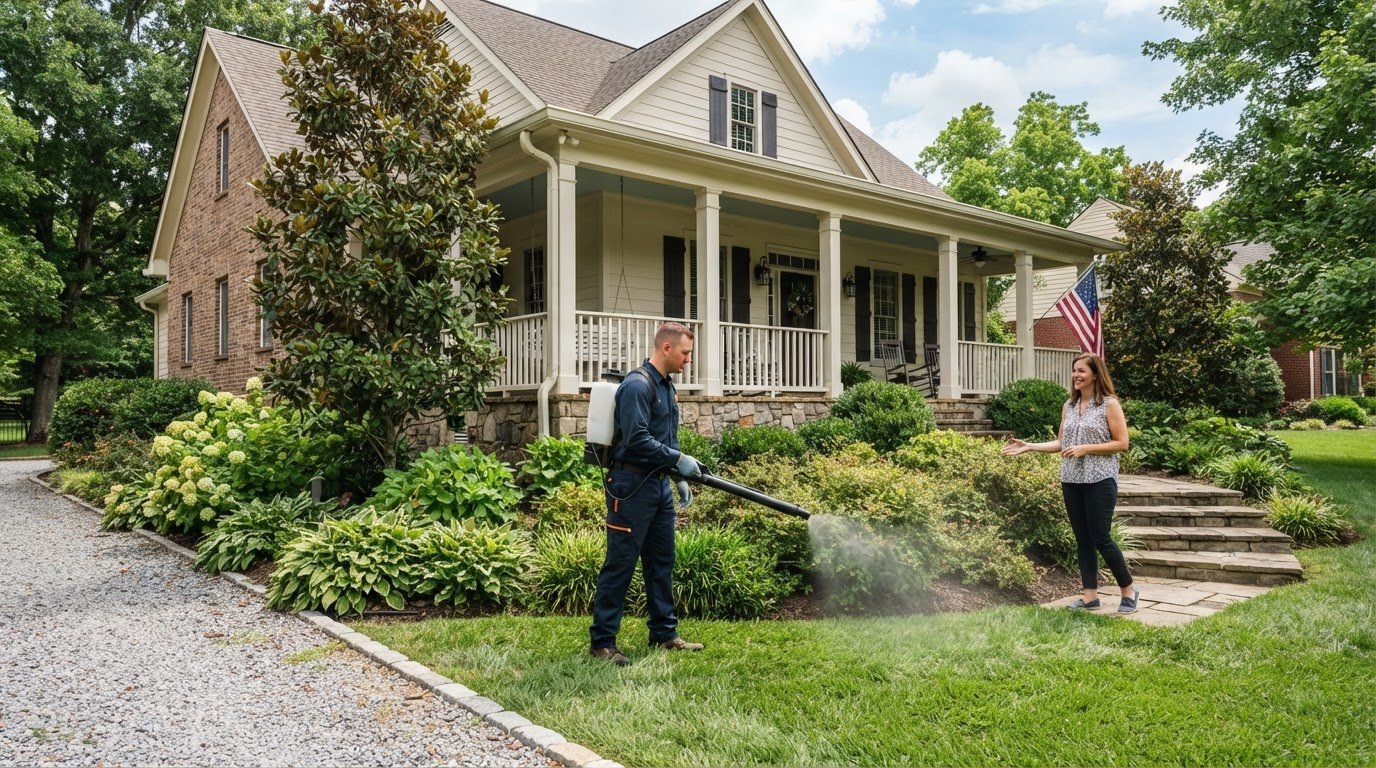
Protect nearby plants before spraying. Dandelions beside a flower bed or clover near a vegetable garden need careful targeting. Avoid spraying on windy days, when droplets can drift beyond the intended patch. Keep products away from storm drains, ponds, and other water features unless the label allows that use.
Granular products and liquid sprays require different handling. A spreader can scatter granules beyond a small weed patch if used carelessly. Sprays can reach nearby leaves or surfaces through drift or runoff. Follow the label’s application method, wear any protective equipment it specifies, and store remaining product in its original container.
Children and pets may touch treated turf, toys, or outdoor furniture. Before applying a product, move toys, bowls, and pet items away from the treatment area. Afterward, follow label directions for when people and animals may return. Don’t guess at a waiting period, since product instructions can differ.
Protect the lawn, too. Applying a product to the wrong grass type or outside its listed use can injure desirable turf. Keep the label available while treating, and use only the amount and method it directs. If a product contacts skin or eyes, follow its first-aid instructions rather than relying on general advice.
Are there Tennessee rules or label restrictions for residential lawn herbicides? Applicable restrictions depend on the product, so read its label for lawn-use directions, precautions, and re-entry instructions. The label also clarifies whether the treatment suits the grass and site.
Careful application helps control weeds while limiting unintended contact with turf, children, pets, and nearby plants. Spot-treating a small dandelion patch, for example, differs from applying a product across an entire lawn. In either case, the product label is the practical guide to appropriate use.
Professional herbicide application and monitoring
Effective weed control starts with choosing a treatment suited to the weeds present and the lawn’s condition. An assessment can distinguish a scattered patch from widespread pressure and help match the application to the situation. Applying the same product across every area may overlook differences in weed growth, turf density, and treatment needs.
Pre-emergent treatments are generally applied in early spring and fall, while post-emergent treatments may be used as needed during the growing season. They address different stages: pre-emergent products target weeds before they emerge, while post-emergent products address visible growth. Weed species and growth stage help guide treatment selection.
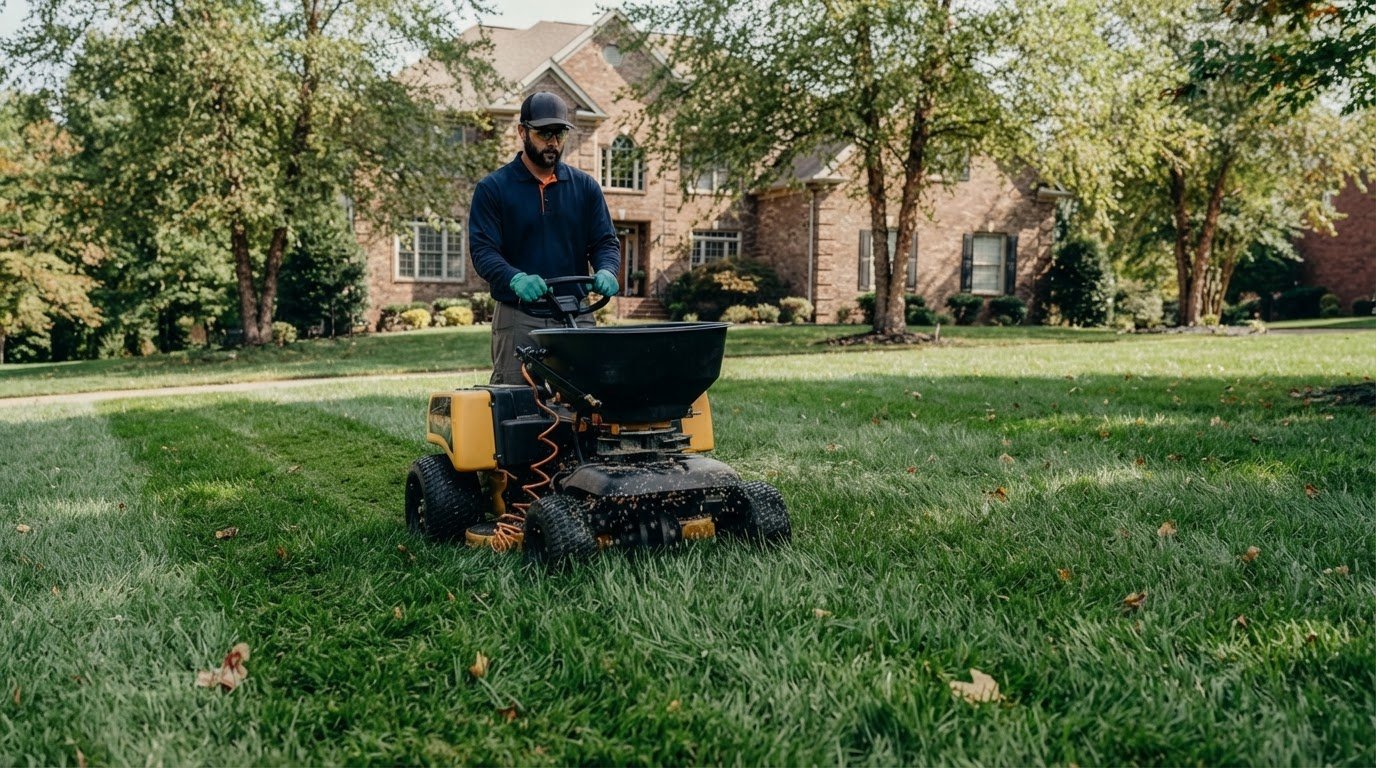
Consistent application matters. A rotary spreader distributes granular products across the treatment area, while liquid products require the application method specified on their labels. Uneven coverage can leave part of a patch untreated or place product where it isn’t needed. Professionals account for the lawn’s layout, product directions, and target area when planning an application.
DIY treatment can suit a small, clearly identified patch when the homeowner follows the product label. Professional lawn care adds a broader assessment of recurring weeds, turf condition, and application coverage. This can help when a lawn has several weed types or repeated problem areas. Either approach depends on choosing a suitable product and using it as directed.
Monitoring after treatment helps guide the next steps. Observe whether targeted weeds decline, new plants emerge, or turf shows signs of stress. Record persistent patches; a recurring area near a walkway, for example, may need attention to both treatment and lawn conditions. Don’t apply more product automatically, since the label governs application intervals.
Perennial broadleaf weeds may need repeated herbicide applications over several seasons to weaken established root systems. Visible decline after one treatment doesn’t necessarily mean the roots are fully affected. Follow-up observations can show whether weeds are returning from established growth or appearing anew, and help guide an ongoing plan.
Professional lawn treatments can combine targeted weed control with attention to the turf’s overall condition. The goal is to manage unwanted growth while supporting healthier grass, not to promise that weeds will never return. For help assessing recurring patches and treatment needs, discuss your lawn’s weed-control needs.
Performance Lawns
Performance Lawns, INC helps Lebanon homeowners manage broadleaf weeds with lawn treatments, weed control, and fertilization. Its approach considers visible weeds alongside turf health, since thin or stressed grass can leave openings for new growth. For lawns with bare or weak areas, aeration and overseeding can support thicker turf and complement ongoing weed management.
Recurring patches, spreading weeds, or uncertainty about treatment timing can make professional lawn care a practical next step. Weed control can help reduce common broadleaf weeds, while attentive turf care supports a healthier, more resilient lawn. Contact Performance Lawns, INC to discuss your lawn’s weed-control needs.
Set a stronger course for your Lebanon lawn
A lawn-care plan works best when it fits the yard you want to enjoy, not just the weeds visible today. Consider which areas matter most, how you use the space, and what changes you want to see over time. That perspective can clarify the next treatment decision and keep lawn care focused on lasting turf health.
For broadleaf weed elimination in Lebanon, TN, a practical next step is to connect your current concerns with a clear plan for ongoing care. Performance Lawns, INC can help you consider the right approach for your property and lawn goals. Connect with Performance Lawns, INC about your lawn, and take the next step toward a healthier, more inviting yard.
Frequently Asked Questions
What are Broadleaf Weeds and Why are They a Problem?
Broadleaf weeds are non-grass plants that can disrupt a lawn’s uniform appearance. Distinguishing them from grassy weeds matters because herbicides are formulated for different targets. A broadleaf treatment won’t necessarily address a grass-like plant, even if it grows in the same patch. Identify the plant first to narrow the treatment choice and avoid using a product for the wrong weed type.
What if weeds come back between visits?
New plants between treatments may reflect fresh seed germination or persistent growth, rather than simply a missed spot. Note where plants return and whether they match the previous weeds. That pattern can guide the next assessment. Don’t apply another dose just because new growth appears; follow product directions for repeat applications and allow the specified time for treatment to work.
Will the treatments hurt my grass, kids, or pets?
Products labeled for broadleaf weed control in lawns are designed for specified turf types, but grass type and application directions matter. Using the wrong product or going against its label can damage turf. For children and pets, follow the product’s specific precautions and re-entry instructions. There’s no single waiting period for every herbicide.
What broadleaf weeds are common in lawns in Lebanon, TN?
Lebanon lawns may have henbit, knotweed, spurge, plantain, or dock, among other broadleaf weeds. The mix can vary from one yard to another, even on neighboring properties. Henbit and spurge, for example, have visibly different growth forms, so one treatment plan may not suit every patch. Identify the plants before deciding what kind of control fits the lawn.
Which herbicides control common broadleaf lawn weeds in Middle Tennessee?
Choose a product whose label lists both the target weed and the lawn type. Lebanon Broadleaf Weed Killer with Trimec is a granular product described for dandelion, chickweed, knotweed, plantain, henbit, and spurge. Its listed package is a 20-pound bag covering 10,000 square feet. Product formulations and directions differ, so those details shouldn’t be assumed to apply to other herbicides.
What local lawn care companies offer broadleaf weed treatment in Lebanon, TN?
Performance Lawns, INC provides lawn treatments, weed control, and fertilization in Lebanon, Mt. Juliet, Gallatin, and Hendersonville. These services address broadleaf weed concerns as part of overall lawn care, rather than treating weed appearance as separate from turf condition. The lawn and weed types help determine an appropriate treatment approach.
How should broadleaf herbicide be applied safely to lawns, pets, and children?
Follow the application method and protective measures on the product label, and keep the label available during application. Don’t transfer herbicide to an unmarked container, which can make product identification and directions harder to follow. Keep children and pets away according to the label’s re-entry instructions. For granular products, use the equipment and coverage directions specified on the label.
What weather conditions affect broadleaf weed treatment effectiveness in Tennessee?
Wind and rain can interfere with some applications: wind may carry spray beyond the target, and rain can affect product contact. Directions for Lebanon Broadleaf Weed Killer with Trimec recommend application the morning of heavy dew or the day after rain. That timing applies to this product; other formulations may have different weather guidance. Follow the label for the product being used.