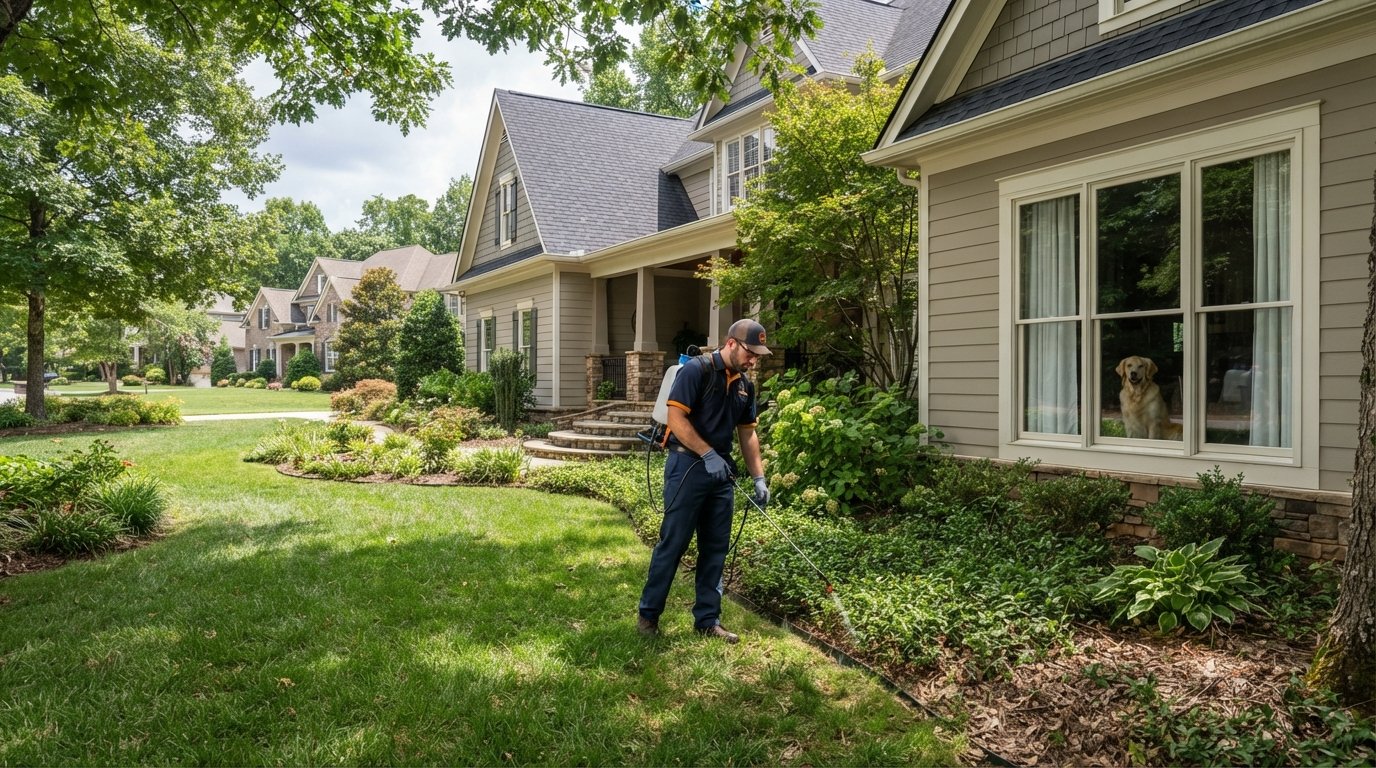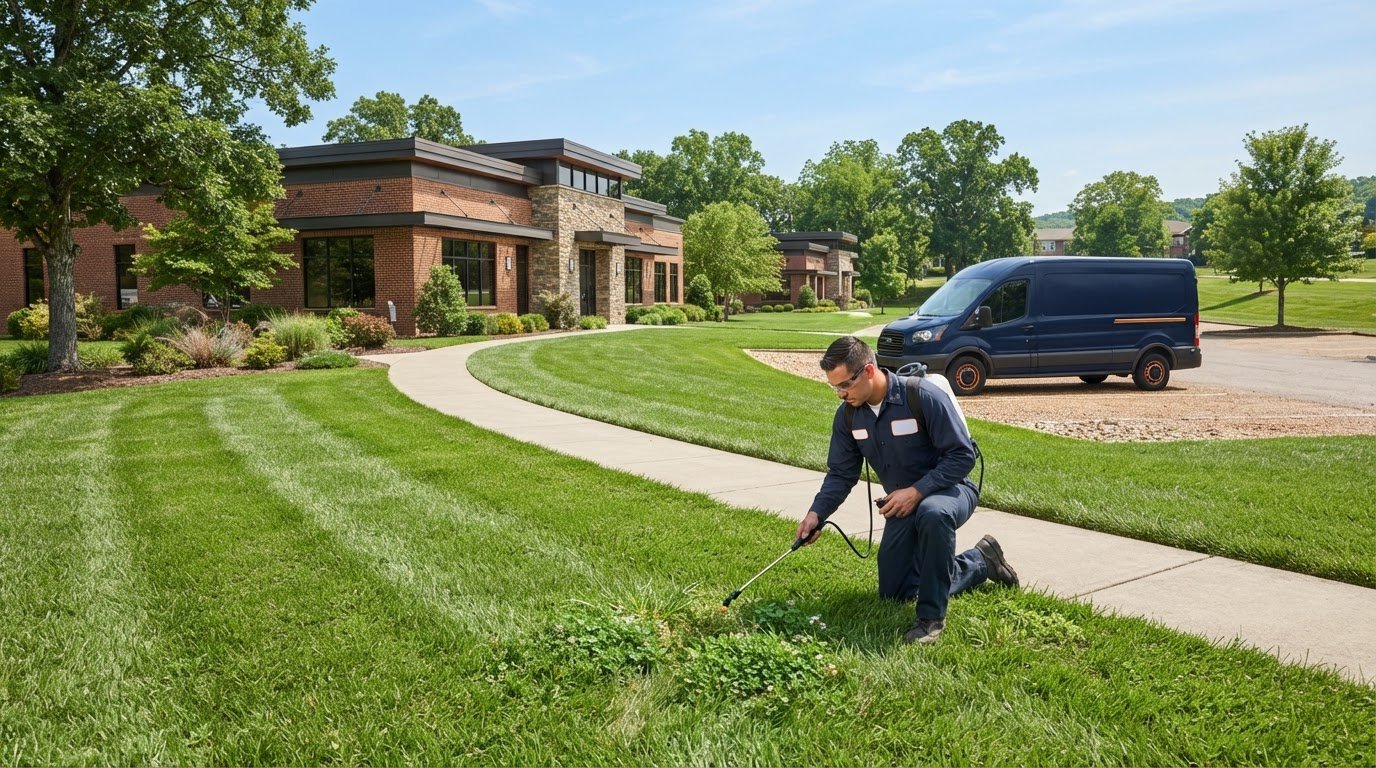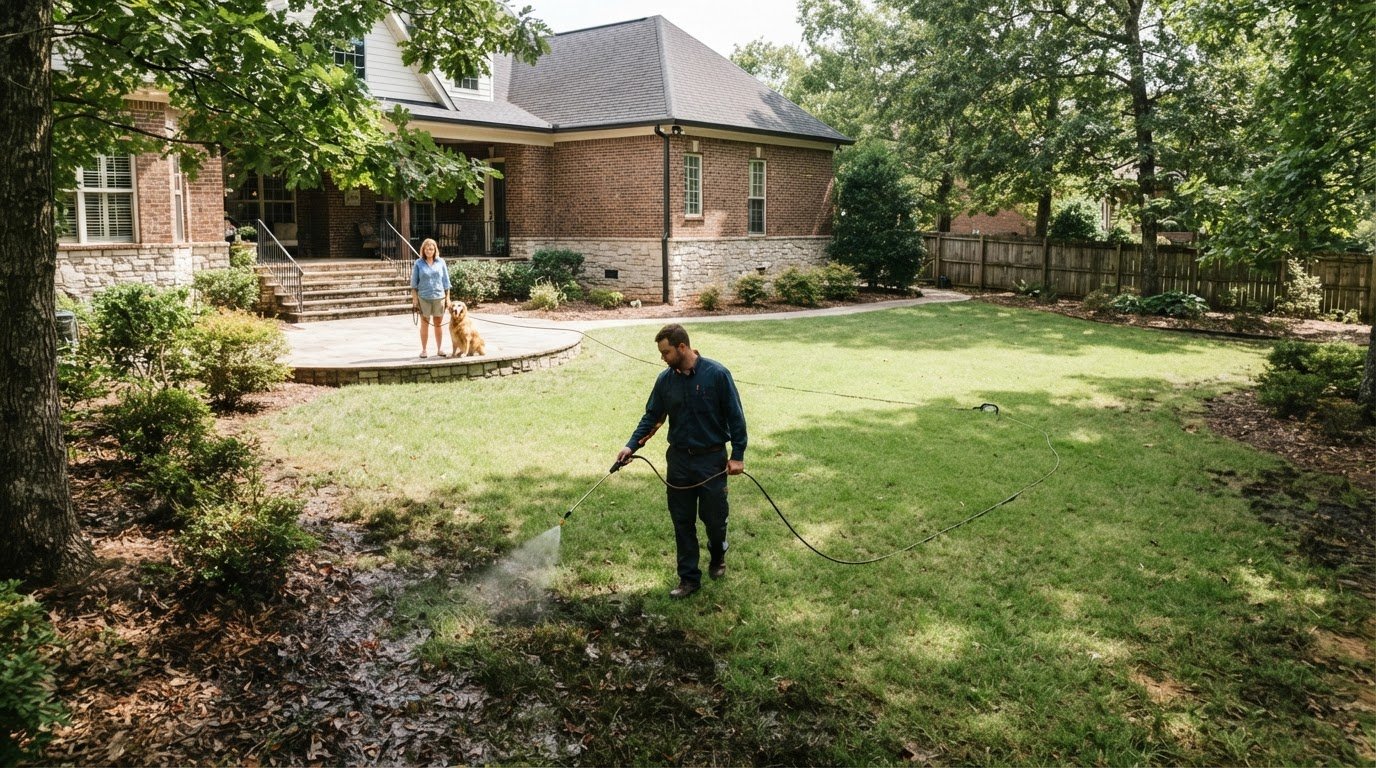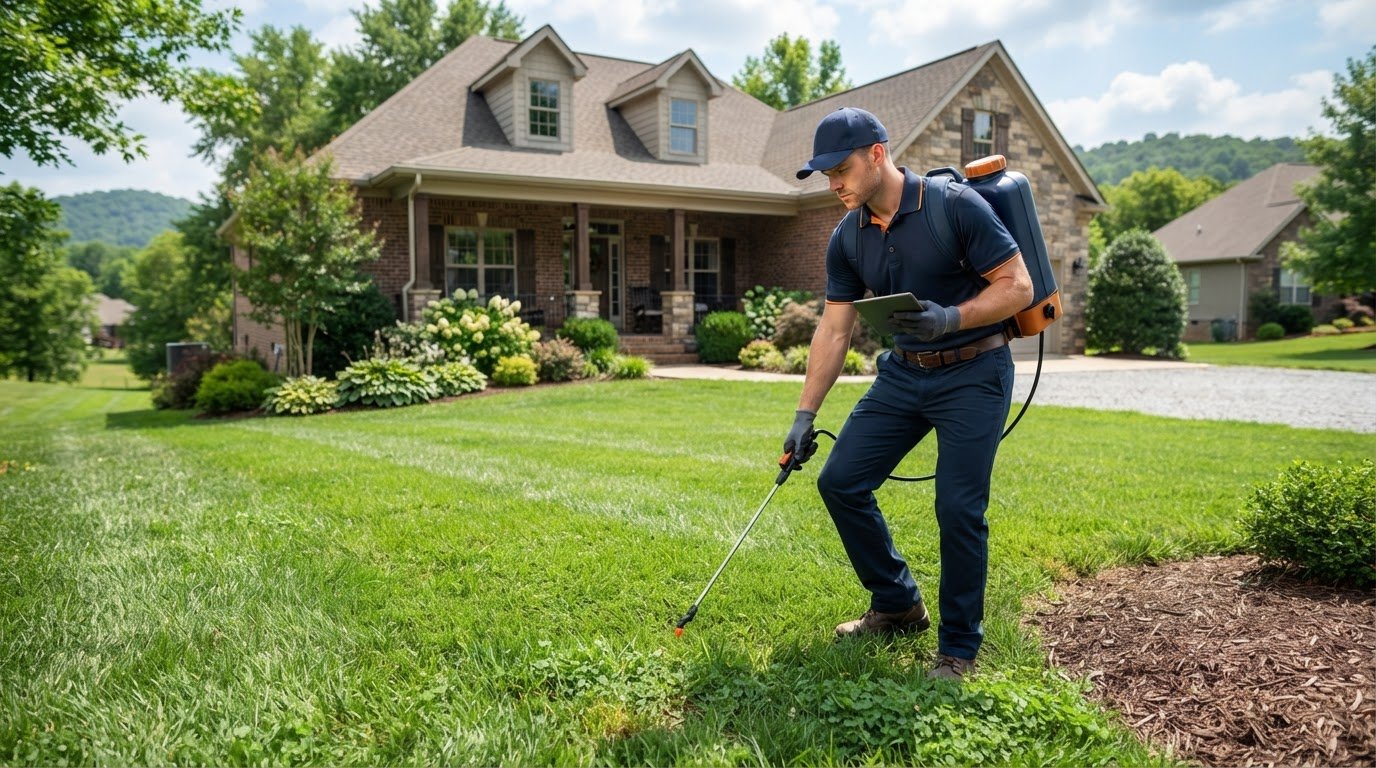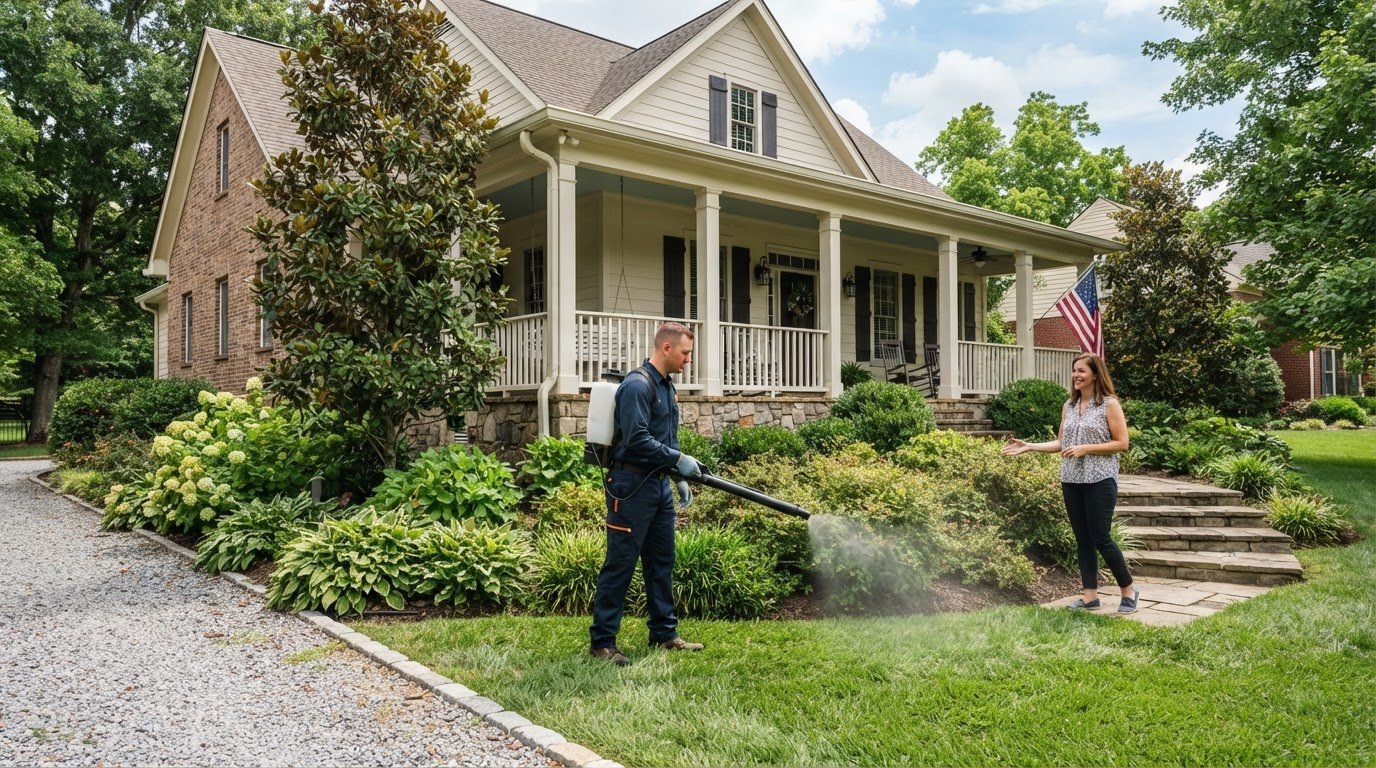


A Mt. Juliet lawn needs treatments timed to grass growth and weed activity, not a one-size-fits-all calendar. Seasonal lawn care treatments in Mt. Juliet can include pre-emergent weed control before soil temperatures wake weed seeds, while fertilizer is best applied when temperatures stay between 50°F and 85°F and grass is actively growing. Fall is also a time for slow-release fertilizer to support roots as they store energy for winter.
It’s understandable to wonder whether you need to be home for a lawn treatment visit. The seasonal plan depends on your grass type, local conditions, and what your lawn needs at that point in the year. Those factors help determine which treatments to use and when.
This guide explains how spring, summer, fall, and winter affect fertilization and weed control in Mt. Juliet, and why fescue and Bermuda need different care. You’ll also learn how clay soil, summer heat, and recurring weeds shape a practical treatment plan, helping you make informed decisions about a healthier, more resilient lawn.
Season-timed fertilization and weed control
In Mt. Juliet, lawn treatments should follow grass growth, weed emergence, and soil conditions. Fertilization supports actively growing turf, while weed control targets weeds at the right growth stage. For homeowners in Wilson County, the practical approach is to base treatment timing on the lawn’s condition rather than assume one schedule suits every property.
Seasonal Fertilization and Soil Health
Fertilizer adds nutrients, but soil condition helps determine what the lawn can use. Mt. Juliet soil has an average organic matter content of 4.33% and a typical pH of 6.9. A soil test can help identify nutrient needs and excessive acidity; when excessive acidity is shown, lime may help rebalance pH. These results guide soil conditioning more reliably than applying amendments by habit.
Clay soil can compact, restricting drainage and root growth. Aeration helps relieve compaction and lets air, water, and nutrients reach the soil. Fertilization alone won’t correct compacted ground. Look for signs such as thin turf over hard soil, then address those areas rather than treating every part of the lawn the same way.
Seasonal Treatment Timing and Rates
Mt. Juliet lawns should be fertilized when temperatures stay between 50°F and 85°F and grass is actively growing. Fall is a time for slow-release fertilizer, supporting roots as they store energy for winter. Cool-season grass generally needs fertilizer timed for fall, rather than just before summer heat. Extra winter fertilizer is generally skipped unless managing cool-season grass.
There is no single application amount for every lawn. The right amount depends on soil-test results, grass type, product concentration, and the area being treated. These factors also help you assess a fertilization program such as VitaminLawn: compare its nutrient content and intended use with your lawn’s needs instead of judging by the program name alone.
Spring pre-emergent treatment is intended to stop weeds before they emerge, while post-emergent treatment addresses weeds already growing. The target weed guides the choice. Crabgrass and dandelions are common in Mt. Juliet. Dallisgrass and Johnsongrass are distinct grassy weeds and may need targeted treatment, unlike common broadleaf weeds.
Weather, the treatment target, and active growth all affect application decisions. Applying fertilizer while grass is not actively growing won’t follow local timing guidance. The timing for pets or children to return cannot be determined from the season alone, as it depends on the specific treatment directions. Plan each application around the lawn’s condition and the treatment’s purpose, rather than combining products or repeating treatments without a clear target.
Pre-emergent and post-emergent weed control
In Mt. Juliet, start weed control by checking whether weeds have emerged. Pre-emergent treatments target weeds before they appear; post-emergent treatments address visible growth. Because they serve different purposes, inspect the lawn and note what is growing before choosing an approach. Also account for the turf you want to protect.
Spring pre-emergent timing depends on soil conditions, not a fixed date. Apply before soil temperatures wake weed seeds, as seasonal guidance recommends. If crabgrass is already visible, a pre-emergent treatment is not the same tool as a treatment for growing weeds. Identify established weeds and choose an approach suited to both the plant and the lawn’s grass type.
Mt. Juliet lawns commonly encounter crabgrass and dandelions, but the two look and grow differently. Dandelions are broadleaf weeds; crabgrass is a grassy weed. A treatment intended for one category may not address the other. Dallisgrass and Johnsongrass also need to be identified as distinct grassy weeds. Bermuda grass spreading into established fescue presents a separate management challenge, so protecting the desired turf is part of the decision.
Weeds aren’t the only cause of thin or discolored turf. Lawn disease and insect injury can resemble other kinds of stress, so inspect the affected area before choosing a treatment. Brown patch and dollar spot can typically be managed through a lawn disease program. Pythium can develop and spread rapidly, making it harder to manage. Disease treatment depends on the diagnosis, conditions, severity, and how early the problem is noticed.
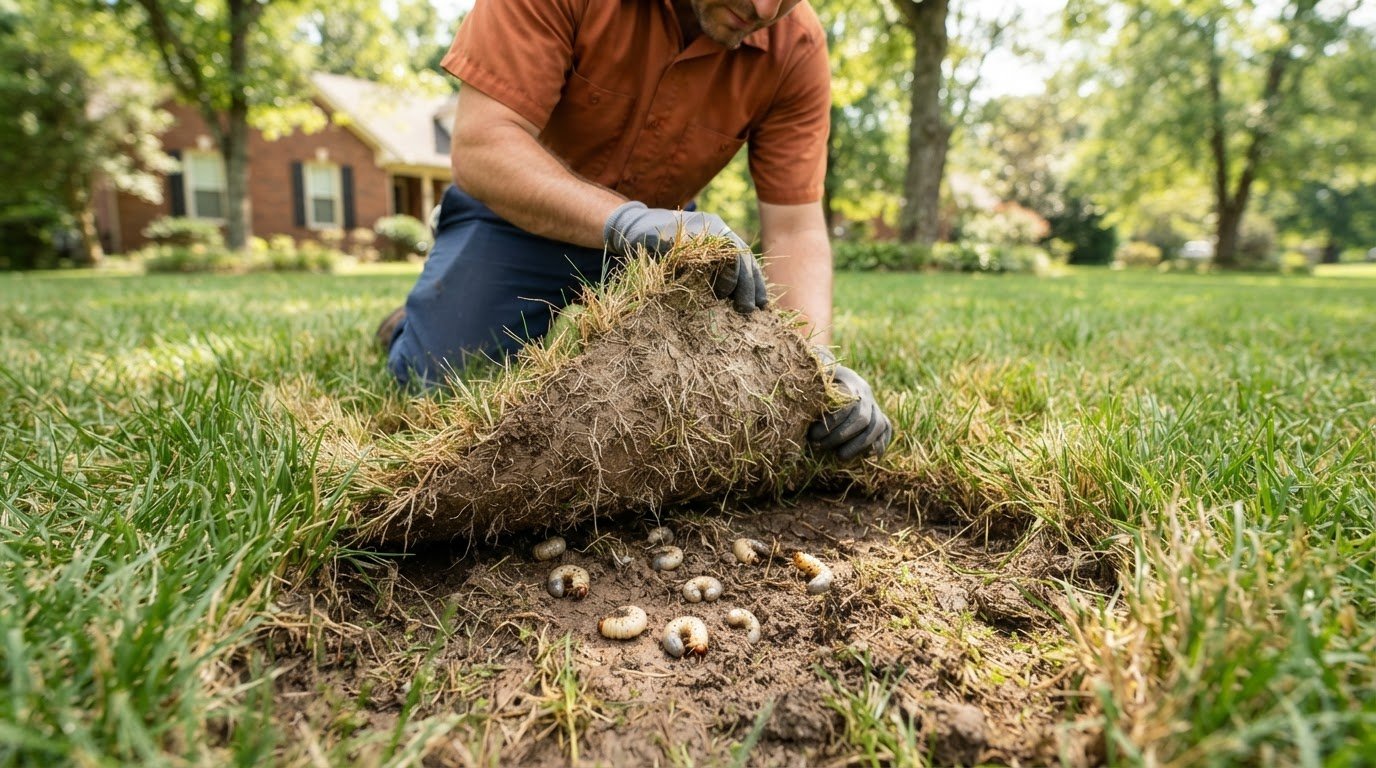
Grubs and chinch bugs can also damage Mt. Juliet lawns. Inspect thinning areas and look for insects before selecting pest control. Visible insects or a distinct damage pattern can help distinguish a pest issue from weeds or disease. Identify fire ants and mole crickets correctly before considering pest-specific treatment.
Use a simple inspection sequence: note the affected area, identify visible weeds or insects, and look for signs of disease in the turf. Then match treatment to the actual cause. This avoids treating every brown or thin patch as a weed problem and focuses care on what’s really happening, whether that’s weeds, disease, or lawn pests.
For a lawn with several symptoms, keeping brief notes about where and when they appear can make the next assessment more specific. If you’d like help discussing a lawn concern, share your lawn care questions.
Local lawn challenges in Mt. Juliet
Mt. Juliet sits 15 miles east of Nashville, with Long Hunter State Park covering more than 2,600 acres nearby. That regional setting offers context, but conditions at an individual home shape the lawn’s needs. Compare sunny and shaded sections, note where water collects, and track which areas thin after heavy use. A simple property map can help distinguish one recurring trouble spot from a yard-wide issue.
Conditions can vary from one Mt. Juliet street to the next. Mature trees may shade one lawn while a nearby yard stays sunny; slopes and low spots also affect water movement. After rainfall, look for puddles, runoff paths, and areas that remain damp. In fall, clear leaves before they form thick, soggy mats. In winter, limit heavy foot traffic on dormant turf.
Crabgrass and dandelions are common Mt. Juliet weeds. Note where they appear and whether they return in the same spots. Dallisgrass and Johnsongrass may also occur, and Bermuda grass can spread into fescue lawns. Correct identification distinguishes grassy weeds from broadleaf plants and helps prevent a mistaken diagnosis from driving the treatment choice.
Grubs and chinch bugs can damage local lawns, but thinning turf has several possible causes. Inspect the boundary between healthy and affected grass, look for visible insects, and note whether damage follows a sunny area or a damp low spot. These patterns offer more useful clues than color alone. Record when symptoms begin, especially after hot weather or heavy rain.
Recent mowing prices are not a useful measure of seasonal treatment needs. Mowing and lawn treatments address different tasks, and a mowing quote can vary with lawn area, slope, obstacles, grass growth, and visit frequency. For routine mowing, use grass height as the cue: mow when it reaches 3 to 4 inches, and avoid removing more than one-third at once. This helps keep a service schedule distinct from treatment planning.
Different lawn needs call for different services through the year, including aeration, fertilization, and pest management. You might prioritize identifying pests where turf is damaged, while thin areas or compacted soil call for a different approach. Keep these goals distinct when planning care. Start with a clear description of the affected area, its symptoms, and when they began.
Clay soil in Mt. Juliet can contribute to compaction and poor drainage. It can hold moisture near the surface while limiting deep root growth, so a damp surface doesn’t necessarily mean roots are getting the moisture they need. Hot summers can also stress lawns, making watering part of the local challenge alongside drainage.
Lawn care in Mt. Juliet can include aeration, fertilization, and pest management, each addressing a different need. Consider lawn treatments separately from mowing when planning care, since treatments support turf health while mowing is a distinct task.
Year-round lawn care customized by grass type
Mt. Juliet lies in Middle Tennessee’s transition zone, where warm-season and cool-season grasses can grow on the same street. A neighbor’s schedule may not suit your lawn. Identify the turf, then match fertilization, weed control, and seeding to its growth pattern. A plan based on grass type times treatments to the lawn’s needs instead of relying on one calendar for every yard.
Tall fescue is common in Mt. Juliet and can stay green much of the year with proper care. As a cool-season grass, it benefits from fertilizer timed for fall, rather than just before summer heat stresses the turf. Extra winter fertilizer is generally skipped unless managing cool-season grass. Check whether your lawn is mostly fescue before choosing a seasonal nutrient schedule.
Bermuda grass is a warm-season option suited to sunny Mt. Juliet lawns. It can handle heavy use from children and pets, making it a good fit for active outdoor spaces. Its growth cycle differs from tall fescue, so a fescue treatment schedule may not suit Bermuda. In a mixed lawn, identify the desired grass before planning weed control or fertilization.
Consider the site as well as the grass type. Compare sunny and shaded areas, note where turf is thinning, and think about how you use the lawn. A sunny play area with Bermuda has different needs from a fescue lawn intended to stay green through much of the year. These observations help you prioritize nutrients, seeding, or other seasonal care.
For fescue-heavy lawns, fall is the recommended time for aeration and overseeding to repair summer wear. Aeration relieves compaction and helps air, water, and nutrients enter the soil. Overseeding adds grass seed to thin areas and existing turf. Before seeding, identify bare patches and check that the existing grass is the type you want to strengthen. Seeding a different grass can change the lawn’s appearance and seasonal needs.
The order of care matters when establishing grass. Prepare thin or worn areas for overseeding, then give new seed the conditions it needs to establish while limiting stress on recovering turf. In mixed lawns, plan for each grass type separately: fall overseeding can suit fescue sections, while Bermuda sections need care timed to their growth. This helps treatments support the intended grass instead of simply adding more product.
Review the lawn through the seasons. Note which areas thrive in summer, which thin after heat, and whether fescue remains the grass you want. This record helps refine next fall’s aeration and overseeding choices and keeps fertilization aligned with grass type and active growth.
Lawn care program application frequency
Mt. Juliet lawns need a treatment rhythm, not repeated applications by habit. Match each visit to active grass growth, seasonal weed activity, and the lawn’s condition. Fertilization, weed control, aeration, and overseeding serve different purposes, so they don’t share one frequency. A written seasonal record helps avoid unnecessary overlap and shows which areas need attention next.
Use grass growth as a practical cue for fertilization. Apply when temperatures stay between 50°F and 85°F and grass is actively growing. For cool-season fescue, fall is the key period for fertilizer, rather than feeding just before summer heat. Slow-release fertilizer in fall supports roots storing energy for winter. Extra winter fertilizer is generally skipped unless managing cool-season grass.
Weed treatment follows its own schedule. In spring, time pre-emergent treatment before soil temperatures wake weed seeds; post-emergent control addresses visible weeds such as crabgrass or dandelions. These serve different purposes and aren’t reasons to repeat the same product automatically. Reassess the lawn as weeds emerge and identify the plant before choosing a treatment. Dallisgrass and Johnsongrass may need a targeted approach distinct from broadleaf weed control.
Aeration and overseeding are seasonal renovation tasks, not routine replacements for fertilizer. For fescue-heavy lawns, fall is recommended for aeration and overseeding after summer wear. Aeration opens compacted soil to air, water, and nutrients; overseeding adds seed to thin turf. Mt. Juliet’s fall seeding window is September 28 to October 19. The spring seeding window is April 10 to May 2, but grass type should guide the choice.
- Spring: Time pre-emergent treatment before weed seeds germinate, then monitor visible weeds and turf growth.
- Summer: Watch for heat stress, insect damage, and disease symptoms before adding treatments.
- Fall: Schedule fescue-focused fertilization, aeration, and overseeding around active growth and repair needs.
- Winter: Limit heavy traffic on dormant turf and avoid extra fertilizer unless managing cool-season grass.
Use this sequence as a planning framework, then record the application date, target, and lawn response. Keep fertilizer and weed-control treatments distinct from lawn pest or disease management; brown patch, dollar spot, and Pythium require diagnosis by symptoms and conditions. A beautiful lawn comes from timely, purposeful care, not simply more frequent applications. For a schedule built around your lawn’s condition and grass type, discuss your lawn care schedule.
Performance Lawns: Lawn Treatments
Performance Lawns, INC helps Mt. Juliet homeowners coordinate seasonal lawn treatments with their turf’s needs. Its lawn care includes weed control and fertilization, plus residential aeration and overseeding for compacted soil or thin areas. Turn to the team when you’re unsure how to sequence seasonal applications or when fescue needs fall renovation after summer wear. Treatment timing can match grass type, growth, and lawn condition, giving each step a clear purpose. For help planning your next step, contact Performance Lawns, INC.
Make your next lawn-care decision count
Start simply: choose one area of the yard that needs attention, then decide what result matters most. You might want to strengthen thin turf, reduce weed pressure, or plan care around the grass already established. A focused starting point makes seasonal care manageable instead of turning it into a list of disconnected tasks.
Keep brief notes throughout the year. Record where turf thins, when weeds appear, and how the lawn responds to treatment to guide future decisions. Share those observations when discussing your lawn so the conversation starts with your property’s actual needs.
For help choosing a practical next step, get in touch with Performance Lawns, INC. A thoughtful plan can make lawn care feel more organized and help you enjoy your outdoor space with confidence.
Frequently Asked Questions
Do I need to be home for the visits?
You usually don’t need to be home for a routine exterior lawn treatment visit. Before the appointment, clear toys, hoses, and movable items from the areas being treated, and keep pets indoors during the work. If a gate is locked or a specific part of the lawn needs attention, arrange access and share that detail beforehand. These steps help keep the visit focused on the lawn.
When should I start?
Start by identifying the lawn’s current need, such as visible weeds, thinning turf, or signs of insect damage. For seasonal lawn care treatments in Mt. Juliet, match the next step to the season and grass type instead of applying products just because the season has changed. A lawn with spreading weeds needs a different first step from fescue recovering from summer wear.
What grass types are common in Mt. Juliet and how do their seasonal care needs differ?
Tall fescue and Bermuda grass both grow in Mt. Juliet. Fescue is a cool-season grass, so its care emphasizes fall growth and recovery; Bermuda is warm-season and suits sunny spaces with regular activity. If your lawn contains both, assess each area separately before choosing treatments. Bermuda spreading into established fescue can be difficult to eliminate, so management focuses on limiting its spread and supporting the desired turf.
Which local lawn care companies offer seasonal treatment plans in Mt. Juliet?
Performance Lawns, INC provides lawn treatments, weed control and fertilization, and residential aeration and overseeding. Its seasonal lawn care serves homeowners in Mt. Juliet, Lebanon, Gallatin, and Hendersonville. If your lawn has both weeds and thin turf, discuss them as separate needs rather than treating every problem with one application. The right combination depends on the lawn’s grass type and condition.
What pre-emergent and post-emergent weed treatments work best for Middle Tennessee lawns?
The right choice depends on whether the target weed has emerged and on the turf you want to protect. Pre-emergent products target weeds before they appear; post-emergent treatments address weeds already growing. Identify the weed first: broadleaf dandelions and grassy crabgrass need different treatment choices. Dallisgrass and Johnsongrass may require targeted management distinct from common broadleaf weed control.
When is the best time to aerate and overseed lawns in Mt. Juliet?
Fall is generally the best time to aerate and overseed a fescue-heavy lawn in Mt. Juliet, especially when summer has left thin or worn areas. Aeration helps relieve compacted soil, while overseeding adds grass to gaps and supports denser turf. The fall seeding window is September 28 to October 19. Choose seed suited to the existing lawn, and prepare the area before spreading it.
Choosing seasonal lawn care treatments in Mt. Juliet starts with identifying your grass type and the lawn’s most immediate need.