

A large-yard flea treatment in Hendersonville doesn’t have one fixed price. The cost depends on the area treated, the places fleas are active, and the treatment needed; pricing is provided after a quote request. Understanding those factors can help you compare the scope of treatment with what your yard actually needs.
Cost matters, especially when pets and children use the yard, but signs of activity matter too. Shaded resting spots, repeated flea sightings, and bites can help identify areas that may need attention. Flea eradication for large yards in Hendersonville, TN starts with understanding where fleas may be developing and how your household uses the property.
This guide explains what can affect treatment scope, how outdoor treatments address flea activity, and what to consider for pet and child safety. You’ll also learn how to spot possible flea or tick activity and which steps can support treatment around your home.
Is the treatment safe for pets and kids in Hendersonville?
Fleas favor shaded lawns, moist soil, and places where pets rest or play. Trim tall grass, clear leaf litter, and keep outdoor pet areas tidy to reduce sheltered spots and make flea activity easier to notice.
Safety depends on the treatment product and its label directions. Keep children and pets away from treated areas until the product has dried, and follow any additional re-entry instructions on the label. A yard treatment does not treat pets directly, so discuss pet prevention with a veterinarian.
Professional treatment versus over-the-counter products
Homeowners can apply over-the-counter products, but the label determines where and how each product may be used. A professional approach starts by identifying likely flea activity, such as shaded areas beneath shrubs or places where a dog regularly rests. Treatments may target adult fleas, larvae, and eggs, while insect growth regulators can stop larvae from maturing into adults.
That distinction matters because visible adult fleas are only part of an infestation. Eggs and larvae may be present in outdoor resting areas or inside carpets, furniture, and pet bedding. A yard treatment addresses outdoor areas; it doesn’t replace indoor cleaning or veterinary care for pets.
Inspection, cleaning, and treatment timing
Before treatment, consider where pets spend time, where people see fleas, and which sections stay damp or shaded. These details help focus attention on relevant areas instead of treating the whole property as if activity were evenly spread. In spring and summer, pay closer attention to pet paths, shaded edges, and resting places.
After treatment, wash pet bedding, throw blankets, and rugs in hot water. Vacuum carpets and furniture frequently, then empty the vacuum. These steps help remove flea stages that may remain indoors. Because fleas develop in stages, some infestations require more than one treatment visit. Follow-up timing depends on the treatment plan and observed activity.
Aftercare for families and pets
Wait until treated surfaces are dry before allowing children or pets back into those areas, and follow the product label for any other precautions. Store household products securely, and don’t apply yard insecticides directly to animals. Fleas swallowed during grooming can expose pets to tapeworms, so ongoing pet protection belongs in a veterinarian-guided care routine.
For a large Hendersonville yard, map the places pets use most, note damp or shaded patches, and keep grass trimmed. This record can help distinguish likely flea habitat from areas with little activity, while regular vacuuming and clean bedding support indoor control.
How do I get rid of fleas in Hendersonville?
In Hendersonville, address flea activity with outdoor treatment and consistent seasonal prevention. Treatment of a large yard should account for shaded habitat, pet-use areas, and seasonal changes, rather than focus only on visible adult fleas.
For flea eradication for large yards in Hendersonville TN, look for an approach that accounts for the property’s layout and observed activity. The appropriate treatment area depends on where fleas are active and how the yard is used.
Seasonal Flea Activity
Hendersonville’s warm, humid climate can make outdoor spaces suitable for flea activity. Activity may be more noticeable in spring and summer, so watch shaded lawn edges, moist areas, and places where pets regularly rest.
Weather and yard conditions matter together. Damp, sheltered spots can support flea activity, while dry, exposed areas may be less inviting. Note where pets spend time and where sightings occur. Those observations help identify active zones for treatment planning.
Seasonal and Ongoing Maintenance
Flea control isn’t only a one-time response to visible pests. Professionals may recommend periodic yard treatments during peak flea seasons, including spring and summer, with timing guided by activity and property conditions.
Between treatments, maintain grass, reduce leaf litter, and limit wildlife access where practical. For indoor prevention, wash pet bedding and vacuum furniture and carpets regularly. Ask a veterinarian about ongoing flea prevention for pets; most flea preventatives should be applied monthly for continuous protection.
Choosing a treatment schedule
A useful schedule starts with a record of sightings, pet activity, and yard conditions. Mark recurring problem areas, such as shaded paths or a favorite resting spot, and share those observations when arranging treatment. This helps focus attention on areas with signs of activity.
Starting treatment during the season can address current outdoor activity; you don’t need to wait until spring. Some infestations require more than one visit because fleas develop in stages. A schedule should account for those stages and ongoing activity, rather than assume one application will eliminate every flea.
A practical plan for flea eradication for large yards in Hendersonville TN also considers the home and the yard. Fleas can move indoors, where eggs and larvae may persist around carpets, pet bedding, or furniture. Continue routine cleaning while outdoor treatment addresses yard areas. For a property-specific next step, request a yard treatment plan and describe where activity has appeared.
Tick control may also matter in yards with wooded edges, tall grass, or dense shrubs. Maintain those areas and note where people or pets encounter ticks. Flea and tick activity can overlap outdoors, but treatment decisions should reflect the pest observed and the conditions across the property.
How flea eggs, larvae, and cocoons sustain infestations
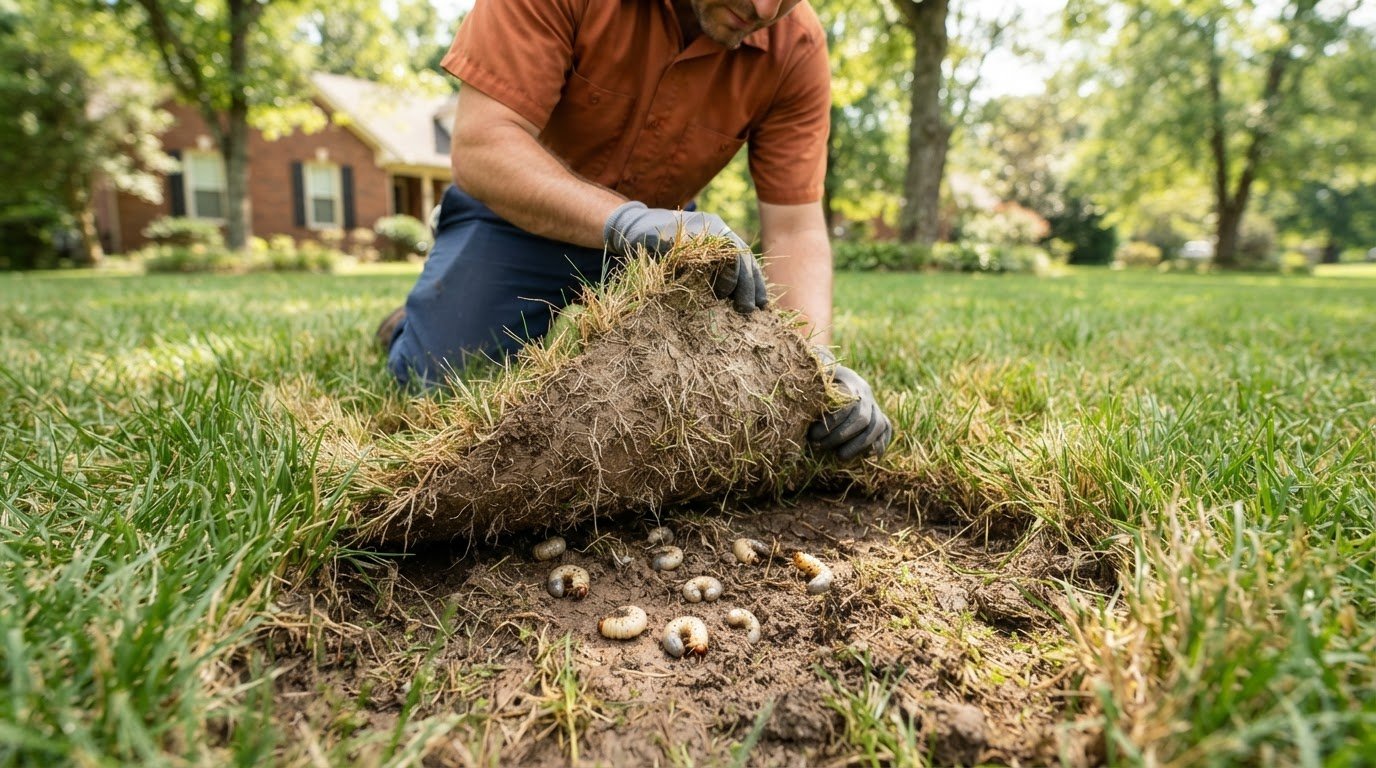
A flea infestation can continue after adult fleas become less visible because immature stages remain in the environment. A single flea can lay up to 50 eggs per day, and eggs can fall into carpets, pet bedding, furniture, flooring cracks, and lawn areas. These small deposits are easy to overlook during a quick inspection, especially in shaded outdoor spots where pets rest.
Eggs hatch into larvae, which develop in protected places before forming pupae inside cocoons. This stage helps explain why activity can persist after visible fleas decline: a treatment aimed only at adult fleas may not address every stage. Indoors, eggs and larvae can remain in furniture, bedding, carpets, and floor gaps, so consider signs inside the home alongside yard activity.
Untreated, a few fleas can multiply into thousands in a home in just three weeks. That timeline makes early action useful, but location is the practical clue: note where fleas appear, where pets sleep, and where people notice bites. In Tennessee yards, also record shaded pet-resting areas and the routes animals take between indoors and outdoors.
People may notice itchy welts after flea bites, while pets can scratch or groom more often. Neither sign alone identifies the source, so inspect pet bedding, carpet edges, upholstered furniture, and places pets settle. Fleas can be hard to spot; repeated sightings or bites in the same household areas can reveal a pattern.
Fleas can bite people and may transmit diseases, including murine typhus and cat scratch fever. Pets that swallow fleas while grooming can be exposed to tapeworms. If a pet shows persistent discomfort or possible illness, contact a veterinarian. Yard treatment does not replace veterinary diagnosis or care.
Follow-up visits may be needed because eggs, larvae, and pupae develop at different stages, and a single treatment may not reach them all at once. Track activity after treatment in the same indoor and outdoor locations, such as a pet’s sleeping area and a shaded lawn corner. Continued sightings provide useful information for planning the next treatment step.
Vacuuming helps remove flea stages from carpets and furniture; empty the vacuum after each session. Wash pet bedding and nearby washable fabrics, then check those areas for renewed activity. For a large property, a simple map of sightings can distinguish recurring hotspots from places with no observed fleas and support a focused response.
Signs of flea or tick activity
Start with locations, not assumptions. In Middle Tennessee, fleas may cluster in shaded lawn areas, outdoor pet-resting spots, and damp soil. Ticks are commonly found in tall grass, wooded areas, shrubs, leaf piles, and along property edges. A large yard can contain several different habitats, so one sighting doesn’t show where activity is concentrated.
Watch pets’ behavior and inspect the places they use. Repeated scratching after time in one part of the yard can point to a hotspot, especially near a kennel, porch, or shaded path. Check pet bedding and resting areas too. Fleas can also travel indoors on pets, clothing, or shoes, then become harder to notice around carpets and furniture.
- Record the location: Mark the lawn edge, shrub bed, or outdoor resting area where you saw a pest or noticed scratching.
- Check indoor routes: Look around carpets and furniture near doors, pet beds, and rooms pets use often.
- Inspect tick habitat: Note tall grass, leaf piles, shrubs, and wooded boundaries used by people or pets.
- Track repeated signs: Write down where sightings recur and whether they follow outdoor activity.
Flea bites can cause itchy welts, but bites alone don’t identify the source. Look for a pattern: bites after time in a particular yard area, fleas seen on a pet, or activity around an indoor resting place. Record the date and location of each observation. These details help distinguish a recurring hotspot from a single encounter.
For tick activity, pay attention to the boundary between maintained lawn and unmanaged vegetation. A tick found on a pet after it passes through tall grass provides a useful location clue. Inspect the animal after outdoor time, including around its ears, legs, and collar area. Contact a veterinarian if you’re concerned about a tick attached to your pet.
A practical treatment plan begins with a property map. Mark shaded corners, pet routes, shrubs, wooded edges, and each reported sighting. Then identify whether evidence points to fleas, ticks, or both. This matters because the target pest and the areas it occupies shape the treatment approach, not the total yard size alone.
Hendersonville homeowners can use the same checklist to compare activity across a large property after each outdoor visit. Keep notes together, including sightings near property boundaries or shared fences. A clear record reveals patterns and gives a treatment professional specific places to assess, instead of relying on memory or treating every section as equally active.
Which outdoor flea treatments are safe and effective for lawns, shrubs, and shaded areas?
Outdoor flea treatment works best when it matches the places fleas use, rather than treating every yard area alike. In Hendersonville, fleas are more likely to thrive in shady areas, moist soil, and places where pets rest or play. A useful plan considers those conditions alongside the product label and household routines.
Match treatment to flea life stages and habitat
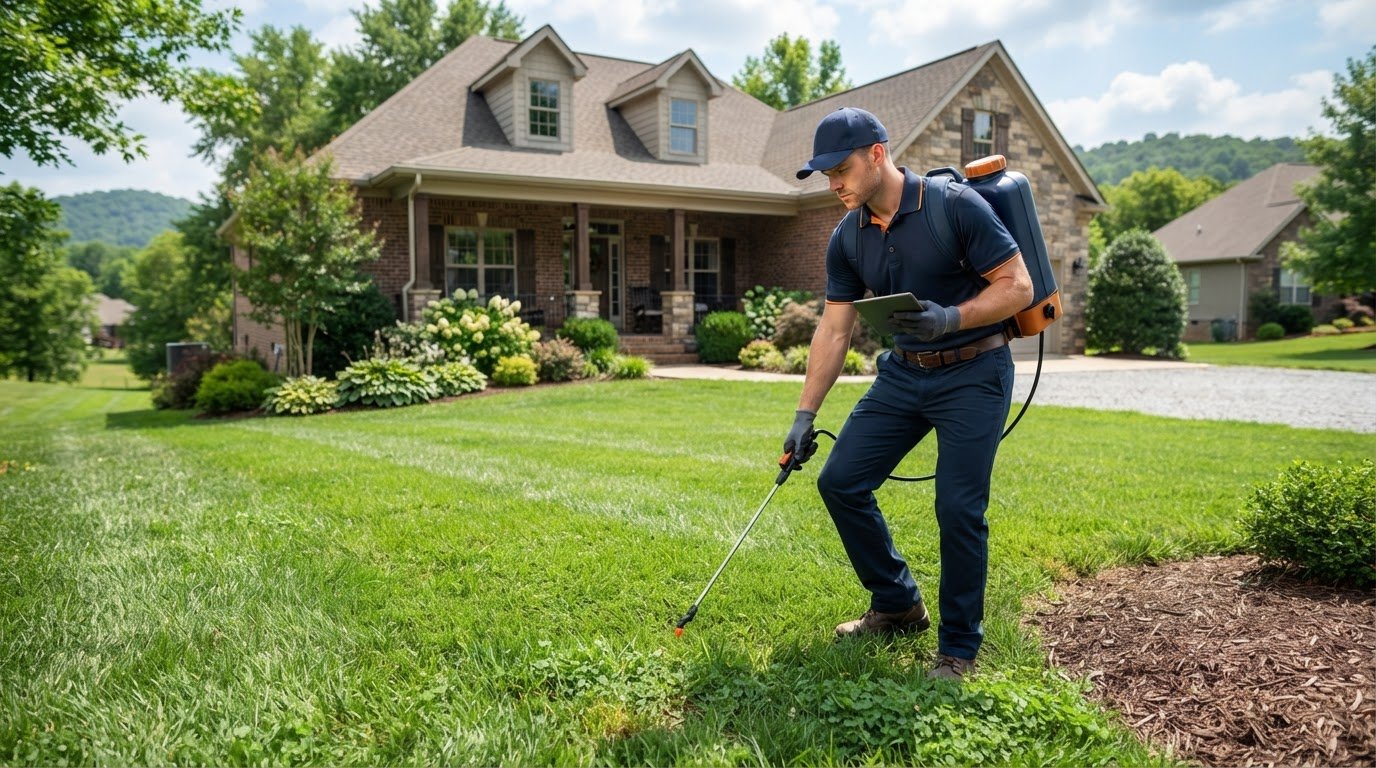
Professional yard treatments can target adult fleas, larvae, and eggs. Some use insect growth regulators to stop flea larvae from maturing into adults. Because these approaches address different parts of the flea life cycle, treatment choices should reflect the activity and habitat identified during an inspection.
Focus on shaded lawn edges, areas beneath shrubs, damp ground, and pet resting spots. These locations may provide more suitable conditions than sunny, open sections. A large property may have several distinct zones, such as a dog’s favorite spot near the patio and a shaded border beside trees. Mapping them helps guide treatment.
Effectiveness depends on matching the treatment to the pest and site. Flea products aren’t interchangeable with products intended for other lawn pests, and a treatment plan should account for the product’s labeled use on lawns, shrubs, or other surfaces. Don’t apply a product to a surface or location its label doesn’t permit.
Consider family and pet safety
Safety starts with following the product label, including application and re-entry directions. Keep children and pets away from treated areas until the product has dried, and follow any additional label instructions. A yard application treats outdoor areas, not animals, and shouldn’t replace pet flea prevention or veterinary care.
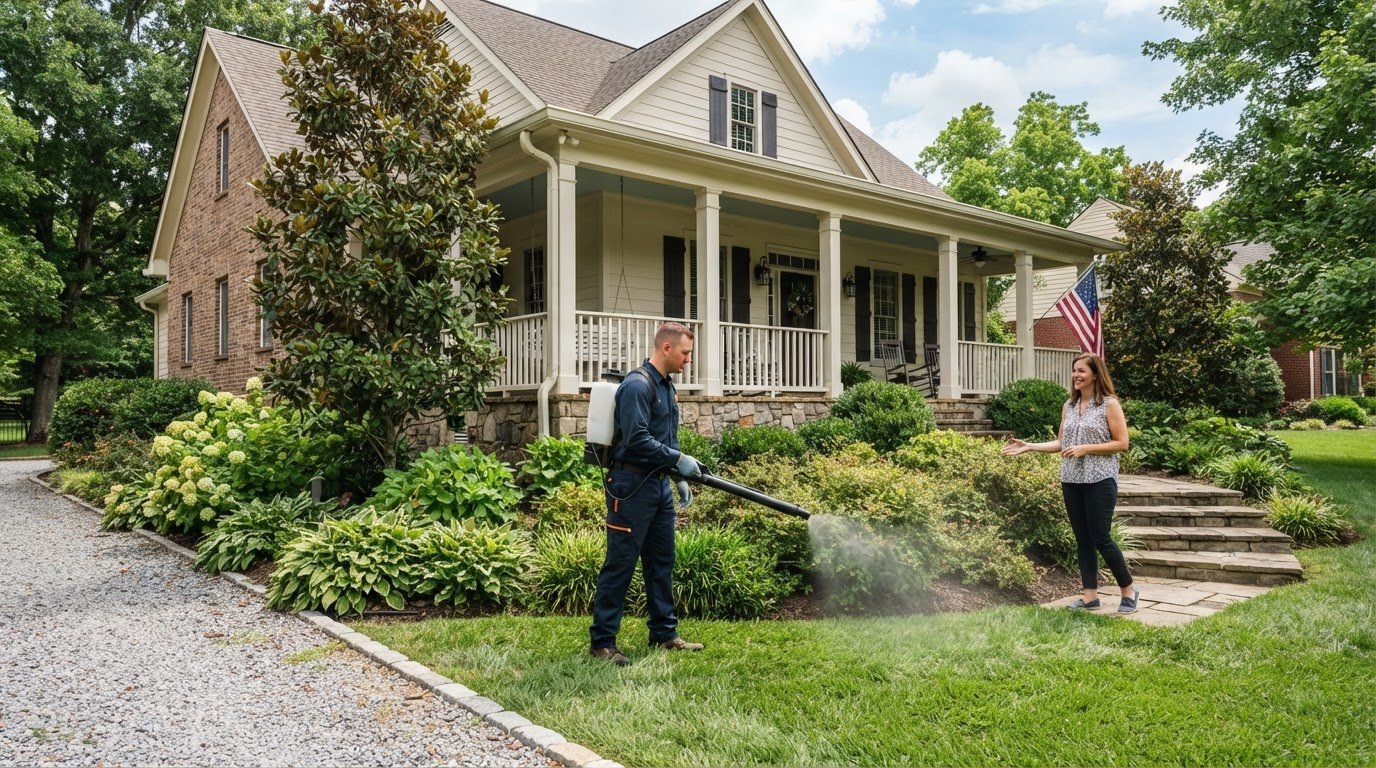
Before treatment, identify play spaces, pet routes, and outdoor furniture that may need to remain undisturbed during application. Move toys and pet dishes out of the treatment area, and keep animals indoors while the work is underway. Afterward, follow the label to determine when people and pets can return.
Prepare the yard and monitor activity
Trim grass and remove leaf litter where practical, especially around shaded edges and pet areas. These steps make flea activity easier to notice and help identify locations for focused treatment. Note where pets rest and where sightings recur, then compare those spots after treatment.
Outdoor applications may not address fleas developing inside carpets, furniture, or pet bedding. Continue indoor cleaning as part of a broader response, and seek veterinary guidance for pets. Since fleas develop in stages, persistent activity may require follow-up treatment rather than assuming one application addresses every stage.
For a treatment plan tailored to your yard’s shaded areas, shrubs, and pet-use zones, request help with outdoor flea treatment.
Performance Lawns: Lawn Treatments
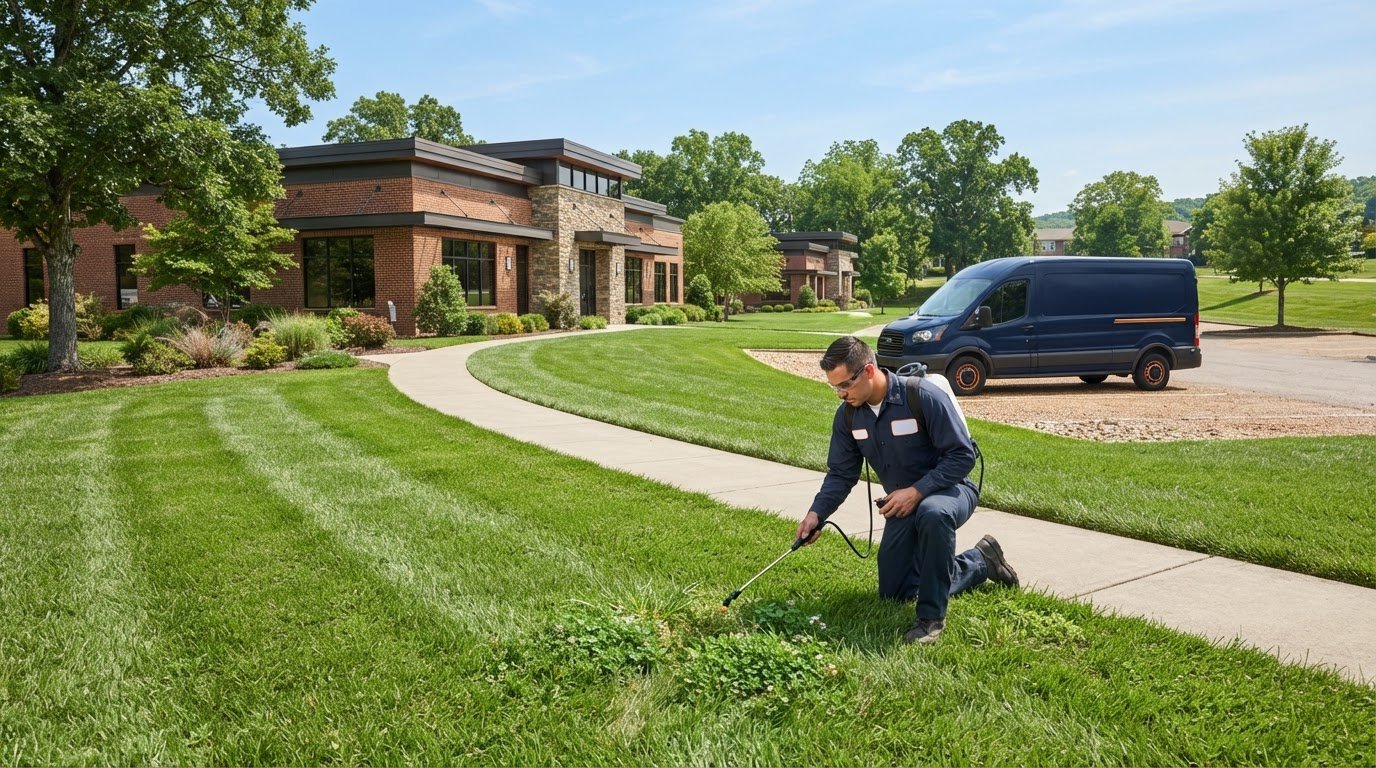
Performance Lawns, INC provides residential mosquito, tick, and flea control for homeowners addressing outdoor pest activity. If fleas appear in shaded yard areas or near pet resting spots, this service can treat the outdoor spaces your household uses.
Pairing pest control with attentive lawn care can help you manage the property as a whole. Performance Lawns, INC also offers lawn treatments, including weed control and fertilization, to support healthy turf. These services address different concerns: flea treatments target outdoor pests, while lawn treatments focus on turf care.
Share where you’ve noticed activity, such as along a wooded edge, around shrubs, or near a pet’s favorite resting place. Those observations help clarify your yard’s needs. Contact Performance Lawns, INC to discuss residential flea control for your property.
Plan the next step for a more usable yard
Flea eradication for large yards in Hendersonville, TN begins with a clear conversation about how you use the space. A play area, a pet’s regular route, and an outdoor gathering spot may each call for different priorities. Considering how you use the yard makes the treatment discussion practical, not just focused on property size.
Before reaching out, consider which areas matter most to your household and what you want to address first. Share how pets and children move through the yard so the discussion can account for daily routines alongside pest activity. Clear priorities help set a practical direction for the next step.
Performance Lawns, INC can discuss residential flea control for your property and how it fits your outdoor needs. Contact Performance Lawns, INC about flea control to start the conversation. With a considered plan, you can move toward feeling more at ease in your yard.
Frequently Asked Questions
How much does flea control cost?
Flea control pricing depends on the yard and the treatment plan, and is provided after a quote request. Factors include the area needing attention, the number and location of active zones, and how the property is landscaped. For example, a yard with several shaded pet-resting areas may require a different treatment scope than an open lawn with one activity hotspot.
When and how often do you treat?
Outdoor flea treatments may be scheduled periodically during peak seasons, especially spring and summer, when activity can be more noticeable. The plan should account for active areas and flea life stages rather than rely on a fixed interval for every property. Share new sightings after treatment so the next step reflects current conditions.
Can fleas make my family or pets sick?
Yes. Flea bites can cause itchy welts, and fleas can carry disease risks. Pets may also face tapeworm exposure if they swallow fleas while grooming. If a family member develops concerning symptoms after bites, contact a healthcare professional. For pets with unusual symptoms or persistent discomfort, ask a veterinarian for guidance and discuss ongoing flea prevention.
How do I get started?
Start by contacting Performance Lawns about residential flea control. Describe the property, where you’ve seen activity, and which yard areas pets use most. If you’ve kept notes or a simple yard map, share those details. Mention whether activity appears indoors, outdoors, or in both settings so the conversation can focus on the right treatment scope and practical next steps.
How soon can you come out?
Appointment timing depends on the current schedule and the property’s treatment needs. When you reach out, provide your Hendersonville location, the yard’s general layout, and the areas where fleas have appeared. Mention any recent changes in activity, such as sightings spreading from a pet area to another part of the lawn. Those details help clarify the work involved when arranging an appointment.
What is the most effective way to eliminate fleas from a large yard?
A focused treatment plan targets outdoor areas where flea activity is most likely, rather than treating every section as equally affected. Identify pet resting spots, shaded borders, and recurring sighting locations. Pair yard treatment with pet prevention and indoor cleaning, since fleas can move between outdoor spaces, animals, and the home. Treating only one part of that cycle can leave activity going.
How much does professional flea yard treatment cost in Hendersonville, TN?
The cost depends on the scope of the yard treatment and is provided after a quote request. Relevant factors include the size of the area to treat, how many separate activity zones need attention, and the landscape features around them. A clear description of the property and observed flea activity helps define the treatment scope for a Hendersonville yard.
How often should a large yard be treated for fleas, and when should treatments be applied?
Periodic yard treatments may be appropriate during peak flea seasons in spring and summer. The schedule should reflect flea activity and property conditions, including shaded areas and places pets use often. There isn’t one interval that fits every yard. Track sightings between applications and share changes so the schedule can respond to the pattern you observe.