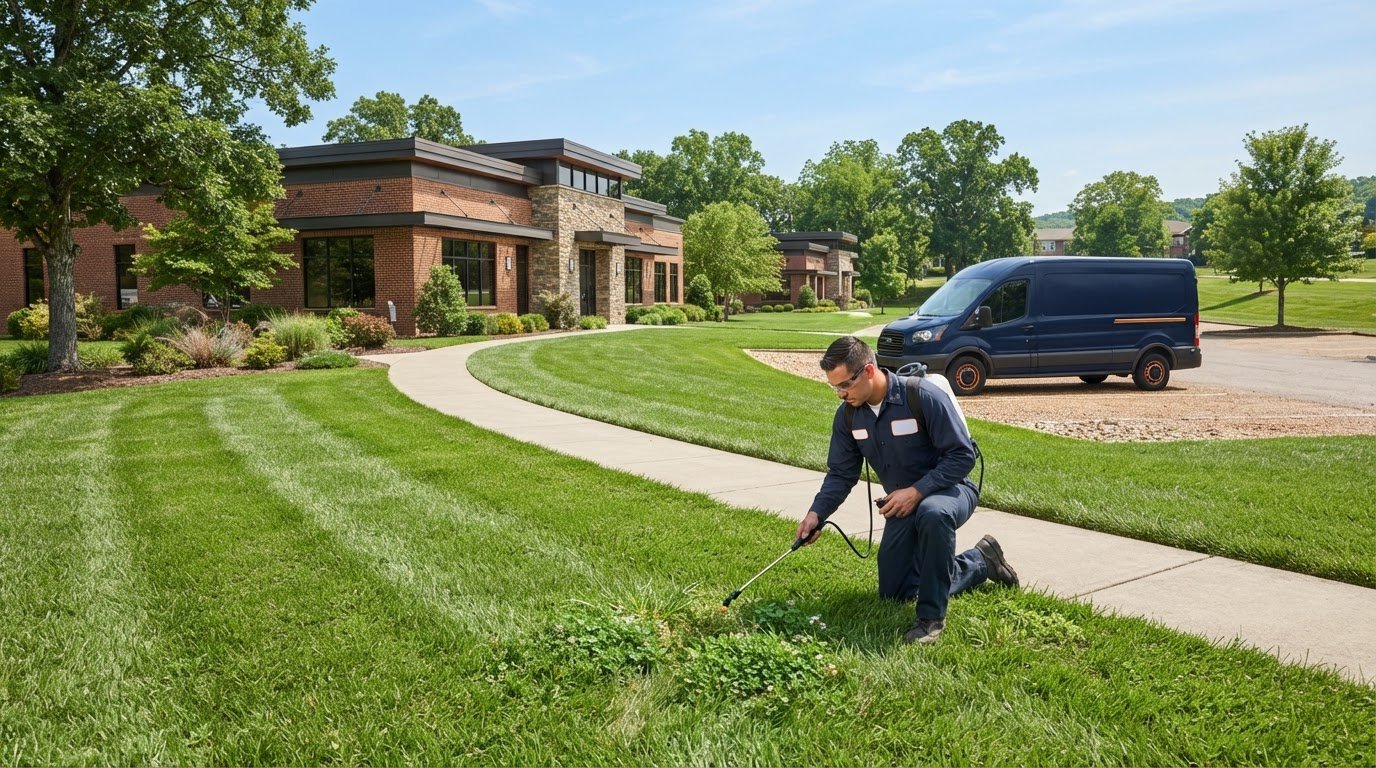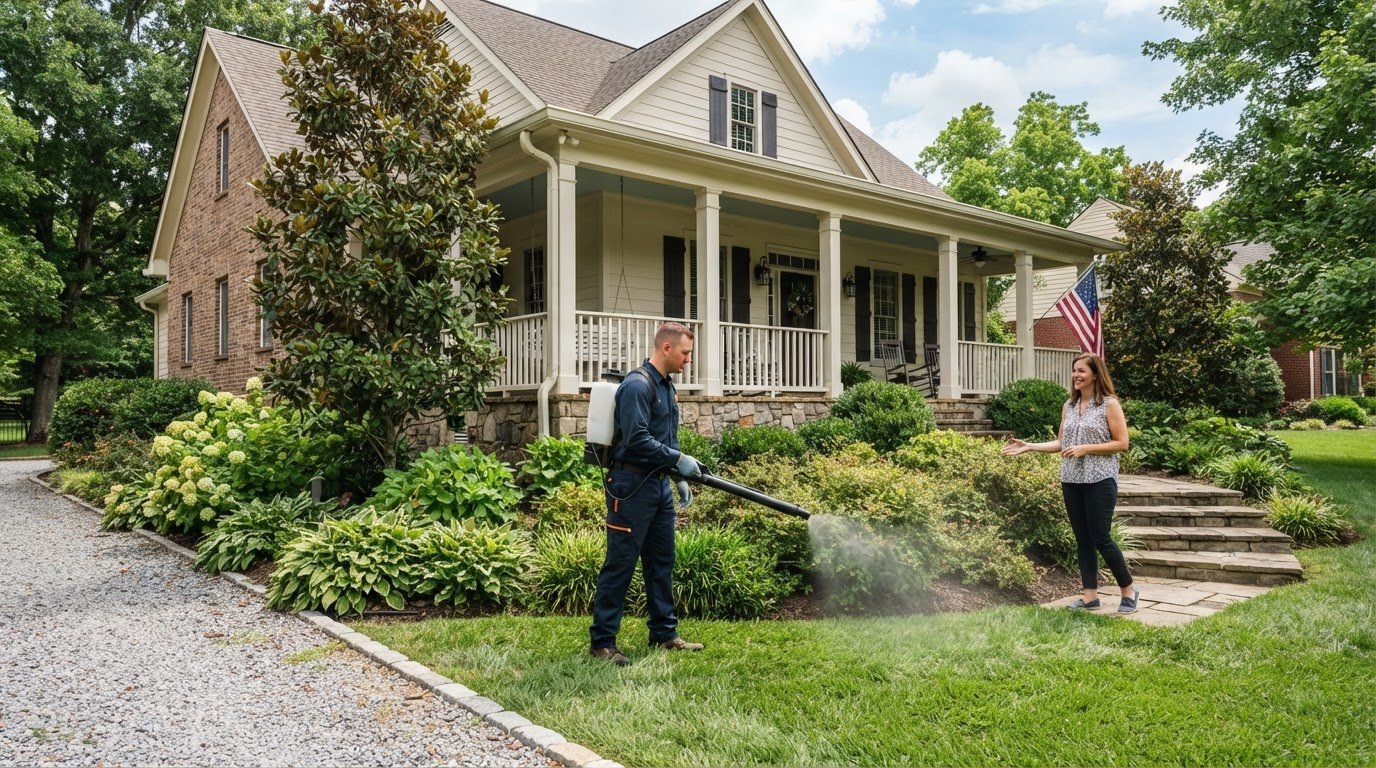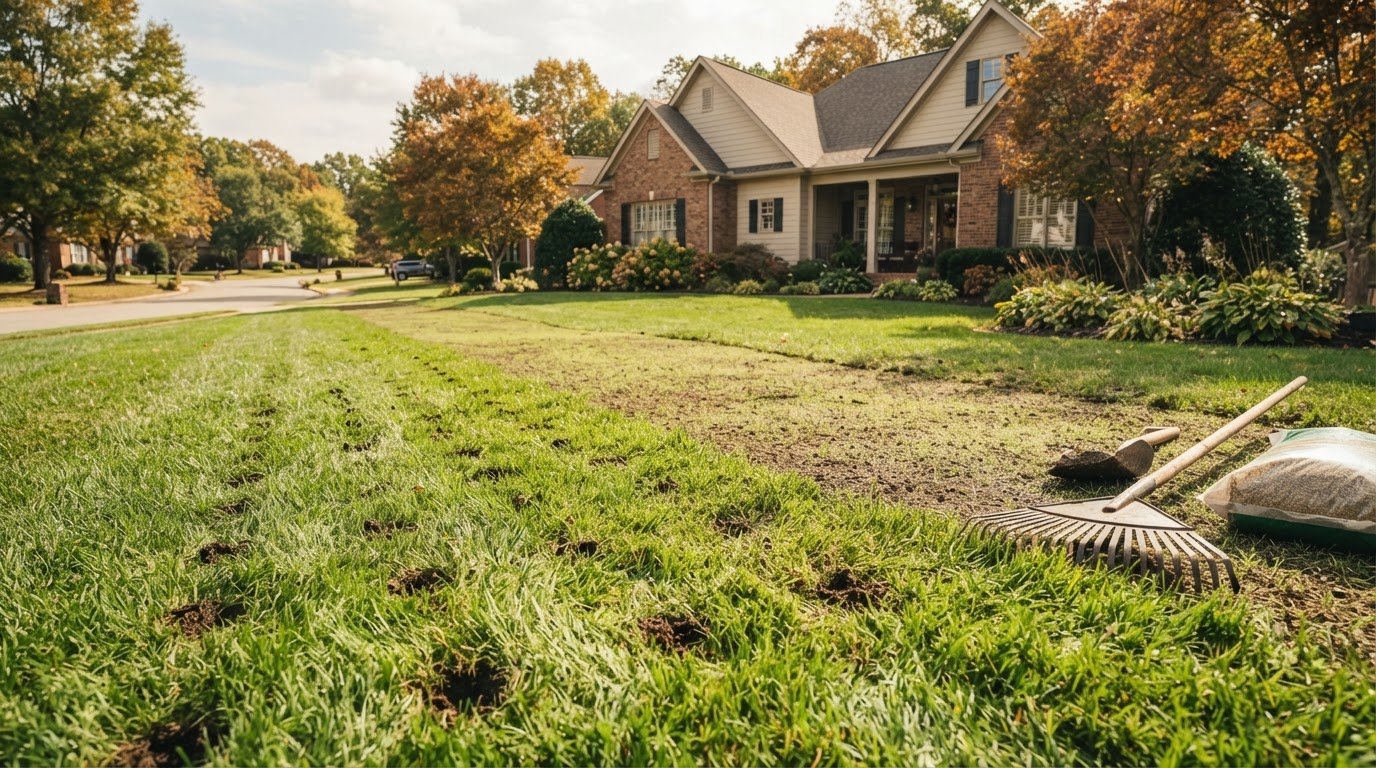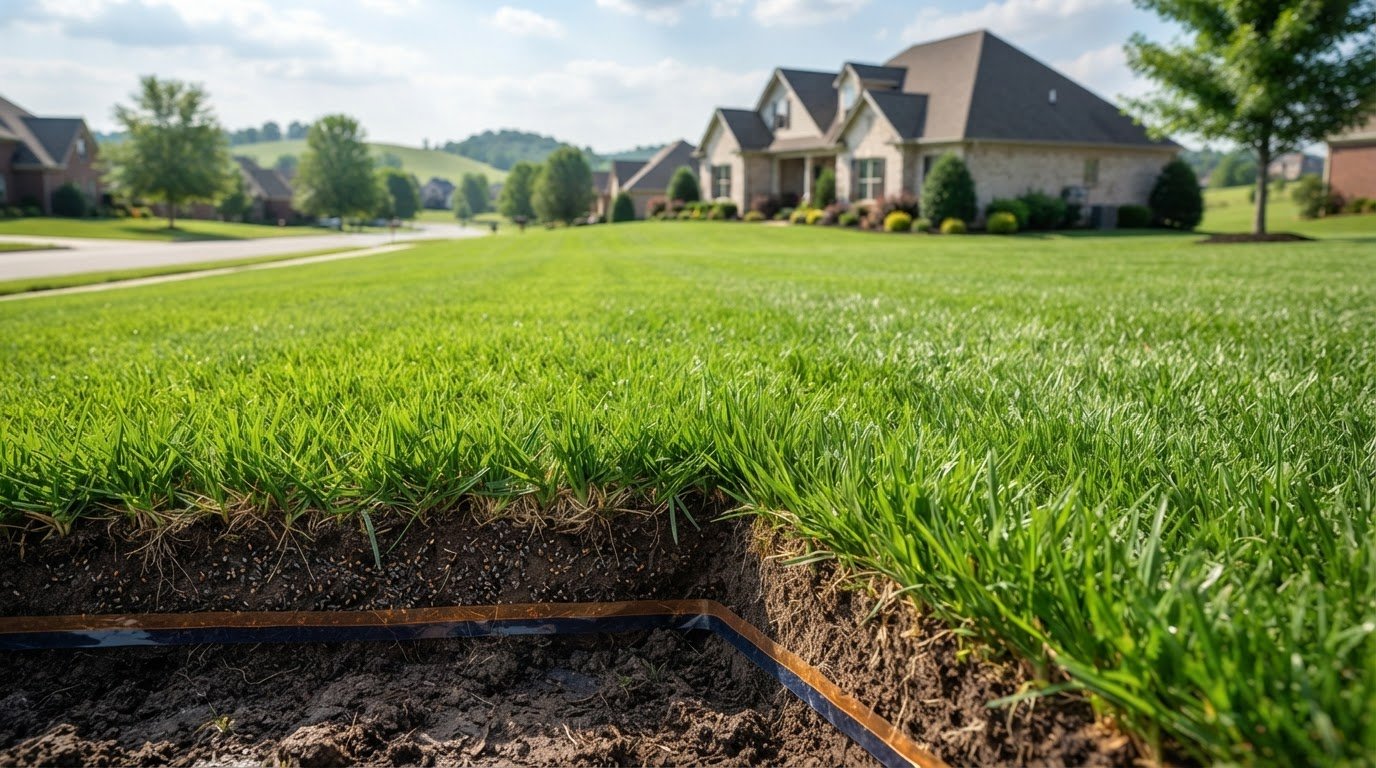


The right lawn weed control services in Hendersonville, TN depend on the turf and the weed, not a one-size-fits-all treatment. Nutsedge usually needs two applications spaced several weeks apart, while the crabgrass pre-emergent window in Middle Tennessee typically falls in late March to early April. Matching the treatment to the problem is the first step toward reducing weed pressure and supporting healthier turf.
Weeds can return even after treatment, and Hendersonville’s hot, humid summers and mild winters shape how lawn care is timed. This guide explains options for common weeds such as nutsedge, clover, crabgrass, and broadleaf weeds, along with how herbicide timing can vary by treatment and lawn conditions. You’ll also learn which areas are served and how to request a free estimate, so you can make a practical plan for your lawn.
Service coverage around Hendersonville
Hendersonville, Tennessee, and the 37077 ZIP code are the geographic focus for this service-area discussion. A ZIP code helps identify a property, but the street address gives a more precise location. If you’re requesting an estimate for a lawn in 37077, include the complete address and note whether the property is residential or commercial. Those details make it easier to connect the request with the right property and lawn-care needs.
Local conditions matter because nearby Hendersonville lawns can have different weed pressures. A shaded front lawn, sunny slope, and strip of turf beside a driveway may each need a different approach. Grass type matters too: a treatment suitable for one lawn may not suit another. When requesting an estimate, identify the grass if you can, describe the weeds you’ve noticed, and note where they’re growing.
For homes in 37077, a short description can make the property’s needs clearer. For example, say whether clover is scattered through the backyard or crabgrass is concentrated along the driveway. If the weed is unfamiliar, describe its leaf shape, color, and location instead of guessing its name. A clear description helps distinguish a widespread lawn concern from a problem limited to one edge or planting bed.
- Property location: Provide the Hendersonville street address and ZIP code, such as 37077.
- Lawn setting: Note whether the turf is mostly sunny, shaded, sloped, or beside a paved surface.
- Weed example: Identify visible clover, crabgrass, nutsedge, or another weed when possible.
- Area affected: Explain whether the issue appears across the lawn or in a particular section.
These observations help describe the property; they don’t replace an on-site assessment. The lawn’s grass type, weed growth, and growing conditions all shape which treatment options make sense. A 37077 address can also help distinguish Hendersonville properties from homes in nearby communities, where local service coverage may differ. Use the complete address rather than relying on a city name alone when describing where treatment is needed.
Hendersonville homeowners can review local lawn treatment information alongside their property details. When requesting a free estimate, share the address, grass type if known, and a specific weed example. That gives the estimate request a practical starting point and helps keep the conversation focused on the Hendersonville lawn, its conditions, and the areas requiring attention.
Treatment of nutsedge, clover, crabgrass, and broadleaf weeds
A useful treatment starts by identifying the weed and the turf around it. Nutsedge, clover, crabgrass, and dandelions don’t all respond the same way, so assessment should consider the weed’s growth, grass type, and where the problem is concentrated. A patch along a driveway, for example, may need a different approach from scattered weeds across the lawn.
Post-emergent treatments target weeds already visible in the grass. Broadleaf weeds typically wilt and curl within 3 to 7 days after a post-emergent application. Crabgrass typically dies back over 1 to 2 weeks after treatment. These are response periods, not a promise that every weed disappears on the same schedule.
Nutsedge often needs a targeted approach rather than the treatment used for ordinary broadleaf weeds. Its control usually requires 2 applications spaced several weeks apart. Clover is a broadleaf weed, while crabgrass is a grassy weed, so identifying each correctly helps match treatment to the plant. Dallisgrass and Johnsongrass are invasive grassy weeds that can be more challenging than common broadleaf weeds. They may need separate or targeted treatment approaches.
- Evaluate: Identify the weed, grass type, affected area, and growing conditions.
- Target: Match the application to the weed rather than treating every lawn problem alike.
- Observe: Look for the expected response over the days or weeks after treatment.
Which lawn weed control companies in Hendersonville have the best reviews? There’s no single reliable ranking across review platforms. Compare recent Hendersonville feedback about weed identification, communication, and follow-up rather than relying on a score alone.
How do professional treatments compare with DIY? Professional lawn treatment can pair weed identification with a targeted application. DIY gives homeowners direct control, but misidentifying clover, nutsedge, or crabgrass can lead to a mismatched treatment.
What permits or pesticide regulations apply in Tennessee? Requirements depend on the product and how it’s used, so there isn’t one permit answer for every lawn treatment. Follow the product label and applicable Tennessee requirements for the selected treatment.
Are treatments safe for children, pets, and pollinators? Safety depends on the product and application. Follow label precautions, including instructions for keeping children and pets away from treated areas and reducing exposure to pollinators.
How should I prepare my lawn? Remove toys, pet items, and movable furniture from the treatment area, then point out problem patches. Follow the product’s specific instructions for mowing, watering, and re-entry.
For a lawn with several weed types, a clear description of the affected areas helps guide the next step. You can request a lawn estimate and share which weeds you’ve spotted.
Free consultation and estimate
A useful estimate begins with a clear picture of your Hendersonville lawn and its weed concerns. Before requesting one, note the property address, grass type if known, and areas needing attention. For example, describe clover across the front lawn separately from nutsedge near a damp section. Specific observations give the conversation a practical starting point.
Prepare a few details before reaching out. These steps help keep the conversation focused on your property:
- Describe the lawn: Share the address and whether the property is residential or commercial.
- Name visible weeds: Mention examples such as crabgrass, clover, or broadleaf weeds.
- Mark affected areas: Explain whether weeds appear throughout the lawn or in particular spots.
- Note the grass: Identify the turf type if you know it, such as fescue or Bermuda grass.
During the consultation, describe what you’ve observed and what you want to improve. A patch that returns along a driveway may need a different approach from scattered weeds in a shaded backyard. Mentioning when the issue appeared can help explain its pattern. If you can’t identify a weed, describe its appearance and location instead of guessing. Clear details make it easier to discuss suitable next steps.
An estimate should connect your property’s conditions with a treatment plan. Grass type, weed species, affected areas, and current growth all matter. A broadleaf weed problem may need a different approach from nutsedge or an invasive grassy weed. Ask about the proposed treatment scope and any relevant lawn conditions or preparation steps. A clear explanation helps you understand what the estimate covers before deciding how to proceed.
Keep the conversation grounded in what you can observe. Photos can show whether a weed is isolated or widespread, while notes about sun, shade, and nearby pavement add useful context. Crabgrass concentrated beside a hot paved edge, for example, gives a clearer picture than simply saying weeds are present. Share these details when requesting an estimate, then discuss your lawn care priorities.
For a Hendersonville property, a complete address and concise description help direct the estimate request. Use the estimate request form to share the lawn’s location, turf type, and visible weed concerns. That information gives the discussion a focused beginning, whether you’re addressing one troublesome patch or several weed types across the yard.
Herbicide selection and application timing
Choose a herbicide by identifying both the weed and the grass you want to preserve. A product intended for one turf type may not suit another. Before treatment, check the label for listed weeds, compatible grass types, and application directions. Correct identification matters: Dallisgrass and Johnsongrass are grassy weeds that need careful consideration during product selection.
Timing depends on the treatment’s purpose. Pre-emergent products target certain weeds before they appear, while post-emergent products address weeds already growing. In Middle Tennessee, the crabgrass pre-emergent window typically falls in late March to early April. Use that timing as a planning guide, not a substitute for identifying the weed or following the selected product’s label.
Weather and lawn conditions also affect application decisions. Hendersonville’s hot, humid summers and mild winters bring changing turf conditions through the year. Before treatment, consider whether the grass is actively growing, whether the lawn shows stress, and whether the target weed is at a suitable growth stage. Heat-stressed turf needs different consideration from healthy, actively growing grass.
- Identify the target: Distinguish the weed from desirable grass and ornamental plants.
- Check compatibility: Confirm the product label lists the lawn’s grass type.
- Choose the treatment stage: Determine whether the target is emerging or already visible.
- Follow directions: Use the label’s application instructions and precautions.
Grass type shapes longer-term decisions too. Bermuda grass that has spread into an established fescue lawn can be extremely difficult to eliminate completely. Management generally focuses on limiting its spread, reducing its presence, and helping the desired fescue stay healthy and competitive. Ongoing management or additional treatment strategies may be necessary.
Before applying herbicide, note mowing, irrigation, and visible turf stress. These details can help distinguish active weed growth from damage or another lawn issue. A discolored patch, for example, may need closer identification before you choose a weed treatment. Assessing the weed, grass, season, and application method helps guide responsible treatment and realistic expectations.
For nutsedge, product choice deserves particular attention. Experts note that nutsedge responds better to sulfentrazone-based products than to standard broadleaf herbicides. Check the active ingredient and target weeds on the label rather than relying on a product’s general description. Also confirm that the product is compatible with the grass you want to preserve and follow its directions. If you’re unsure of the weed’s identity, pause before choosing a treatment; a product selected for a different target may not address the problem.
Base the decision on the lawn’s condition as well as the weed. Note whether the target is visible, whether desirable grass shows stress, and whether recent mowing or irrigation could affect your assessment. Use these observations to decide whether treatment is appropriate, then follow the selected label’s instructions and precautions. If you can’t distinguish the target weed from desirable plants or turf damage, identify the issue before treating. Careful identification, product compatibility, and label directions are central to a sound application decision.
How often should lawns in Hendersonville, TN be treated for weeds?
Hendersonville lawns don’t follow one fixed weed-treatment schedule. Frequency depends on the weed’s lifecycle, the grass being maintained, and whether new growth appears after treatment. A lawn with isolated clover has different needs from one with recurring weeds across several areas. Time treatment according to what’s growing and the turf’s condition, rather than repeating applications automatically.
Seasonal planning helps organize weed control. Some treatments target weeds before they emerge, while others address growth that’s already visible. These purposes aren’t interchangeable. Track when weeds first appear and which parts of the lawn are affected. Recurring growth along a sunny border, for example, may call for a different follow-up discussion from scattered weeds in shaded turf.
Weed type also affects the interval between treatments. Clover, crabgrass, and nutsedge have different growth habits, so one repeating schedule may not work for all of them. Record where each weed grows and whether it returns in the same area. Note Dallisgrass and Johnsongrass as distinct grassy weeds when they appear, rather than assuming they follow the same plan as broadleaf weeds.
Use these observations to guide a follow-up plan:
- Track timing: Note when weeds become visible and when an application occurs.
- Map growth: Record whether weeds return in the same patch or appear elsewhere.
- Watch the turf: Note changes in grass color, density, or visible stress after treatment.
- Follow directions: Use product-label instructions to guide repeat applications.
After an application, revisit treated areas before planning another one. Note whether target weeds are declining, whether new growth has appeared, and whether the grass looks healthy. A few new weeds along one border, for instance, aren’t the same pattern as widespread growth across the lawn. These observations make treatment discussions more useful than relying on the calendar alone.
Hendersonville’s hot, humid summers and mild winters bring changing growing conditions through the year. Keep a simple record of treatment dates, target weeds, and lawn observations. This helps reveal recurring patterns and distinguish seasonal emergence from an ongoing problem. Treatment timing should reflect those patterns, the turf’s response, and the directions for the selected product.
For a lawn-specific discussion, request a weed control estimate and describe the weeds, grass type, and affected areas. Those details can help frame a practical plan for managing weeds through changing lawn conditions.
Performance Lawns: Lawn Treatments
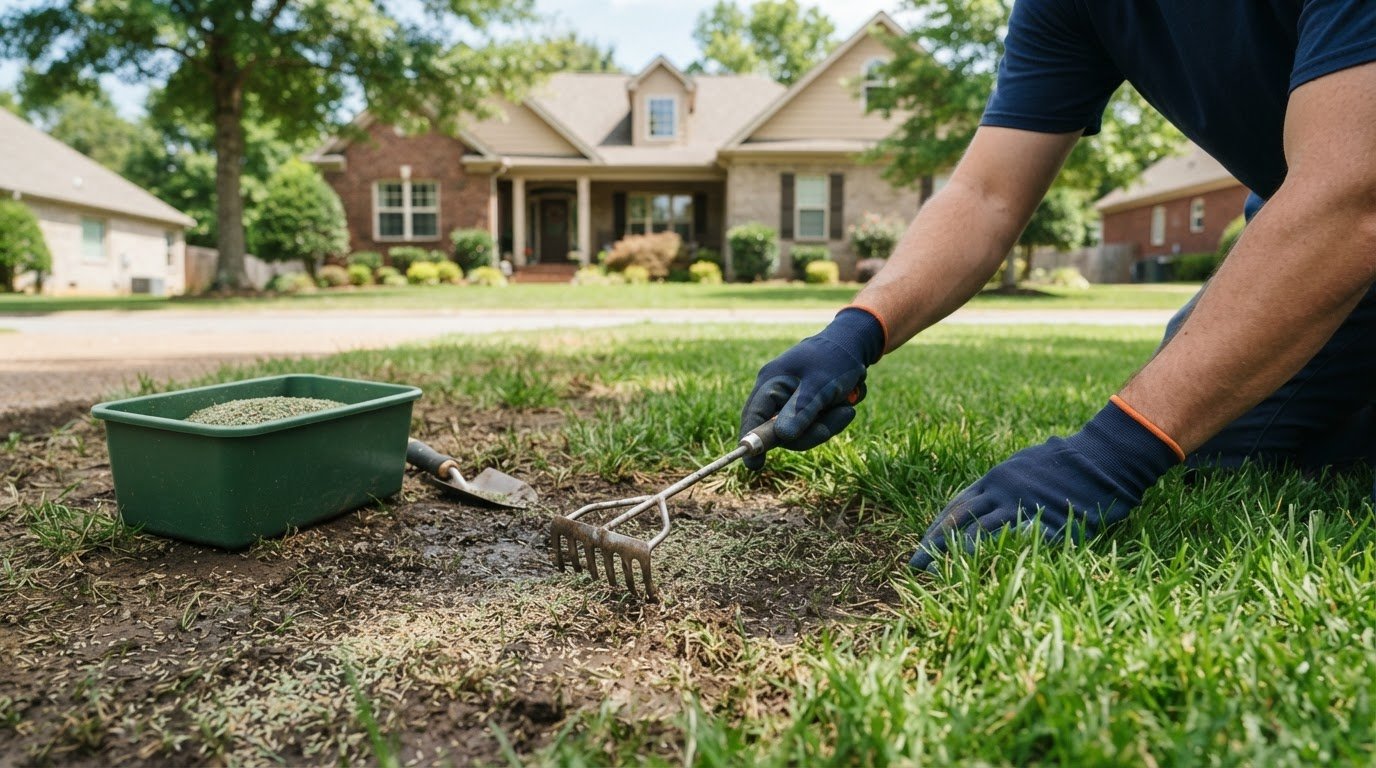
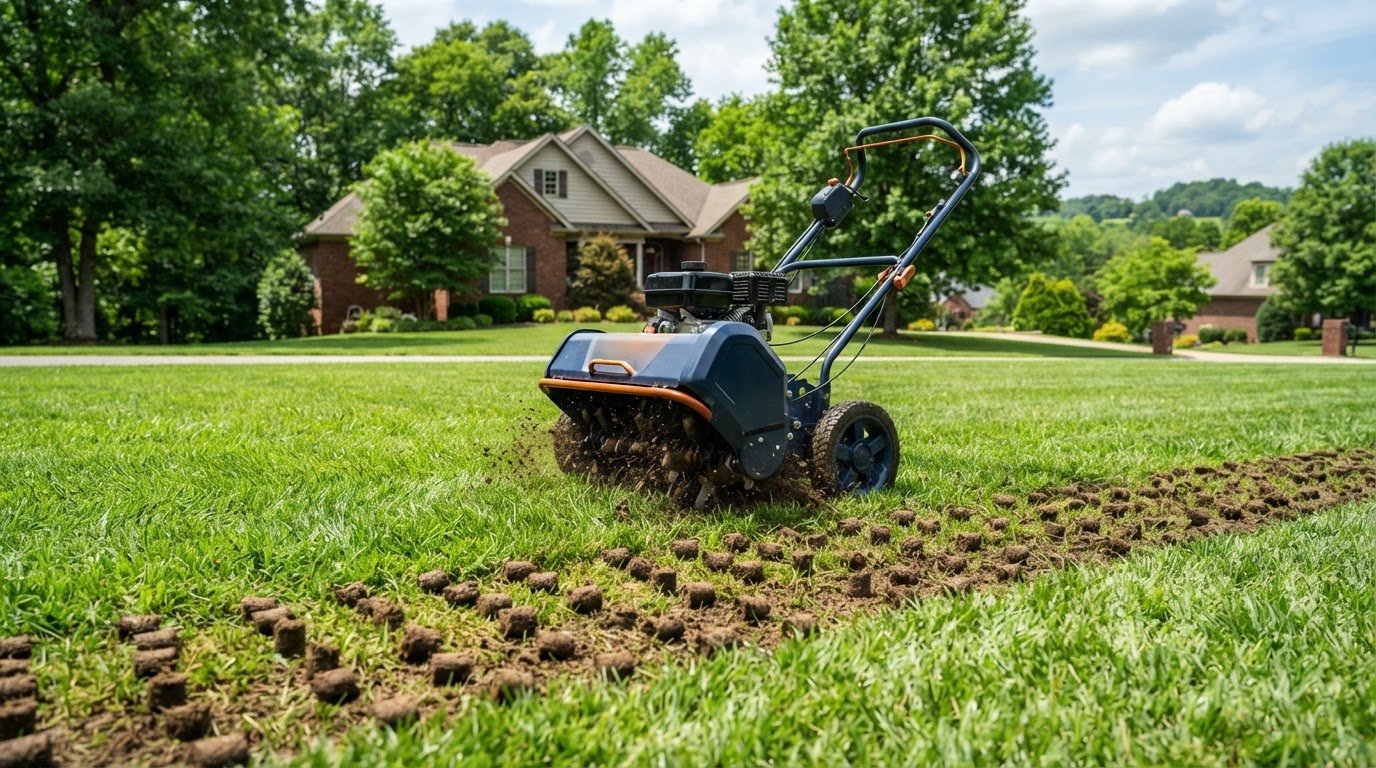
Performance Lawns helps Hendersonville property owners manage weeds with lawn treatments, including fertilizer and weed control. Turn to the team when weeds keep returning, you’re unsure what’s growing, or you want care suited to your turf. Targeted treatment can help manage weed pressure and support healthy grass. For residential lawns with thin turf, aeration and overseeding can support denser growth.
Every lawn has its own mix of grass, weeds, and growing conditions. Share what you’ve noticed to start a practical conversation about your yard. Contact Performance Lawns to discuss your lawn and request an estimate.
Take the Next Step Toward a Healthier Lawn
A lawn care plan works best when it reflects your property’s needs now and priorities for the seasons ahead. Consider which areas you want to improve, what changes you’ve noticed, and how you want your outdoor space to feel. This makes a conversation about lawn weed control services in Hendersonville, TN more useful than focusing on one weed or treatment alone.
Performance Lawns can help you consider an approach suited to your property, whether your priority is managing weeds or supporting stronger turf. Share your lawn’s condition, the areas that concern you, and your goals. These details provide a practical starting point without assuming every yard needs the same care.
Contact Performance Lawns to discuss your lawn and take a thoughtful step toward a healthier, more attractive outdoor space.
Frequently Asked Questions
Which lawn weed control services operate in Hendersonville, TN?
Performance Lawns, INC provides lawn treatments and weed control in Hendersonville, with local service also in Mt. Juliet, Lebanon, and Gallatin. If you’re considering lawn weed control services in Hendersonville TN, describe your property and current lawn concerns when requesting an estimate. Mention whether the lawn is residential or commercial to focus the discussion on relevant treatment needs.
What weeds are common in Hendersonville, TN lawns?
Common lawn weeds include clover, crabgrass, nutsedge, and broadleaf weeds such as dandelions. Dallisgrass and Johnsongrass may also appear in local lawns. To describe an unfamiliar weed, note its leaf shape and growth pattern, and whether it appears in one patch or across several parts of the lawn. A clear description helps focus a discussion about lawn weed control services in Hendersonville TN.
What weed control treatments do local lawn care companies offer?
Treatment options include pre-emergent applications for certain weeds before they appear, post-emergent applications for visible weeds, and fertilizer and weed control. Performance Lawns provides lawn treatments and fertilizer and weed control for residential and commercial properties. Explain whether your priority is a specific weed, general lawn nutrition, or both, and which lawn areas need attention.
Do Hendersonville lawn weed control services offer free estimates or guarantees?
Performance Lawns offers free estimates, giving homeowners a chance to describe the property and discuss possible next steps. Weed control focuses on managing unwanted growth, rather than promising a completely weed-free lawn. Outcomes depend on the weeds present, timing, and lawn conditions. Before treatment, review the proposed scope and follow the application directions provided for the selected product.
Which lawn weed control companies in Hendersonville have the best reviews?
There’s no single reliable ranking across review platforms. Compare recent Hendersonville feedback about weed identification, communication, and follow-up.