

The obvious choice for a thatchy lawn might be dethatching, but it isn’t always the right first step. For lawn thatch removal via aeration in Gallatin, core aeration can help relieve compacted soil and support the natural breakdown of thatch, while dethatching physically pulls thatch from the lawn. They solve different problems.
A thin thatch layer can cushion grass and help retain soil moisture. Too much, however, can interfere with water, air, and nutrients reaching the roots. If your lawn feels spongy or struggles to grow, it may be tempting to remove the thatch, but that is not the same as improving compacted soil.
This guide explains when thatch helps or harms, how aeration differs from dethatching, and when overseeding can help sparse turf. You’ll also learn how residential aeration and overseeding in Gallatin can support a healthier, fuller lawn, and how to match the approach to the problem.
What is Lawn Aeration?
Core aeration removes small plugs of soil, creating channels for air, water, and nutrients. Aerator tines can strike irrigation lines or underground utilities if their locations are unknown, so identify buried lines before aerating to help reduce the risk.
Core Aeration and Spike Aeration
Core aeration uses hollow tines to lift soil plugs onto the surface. Spike aeration uses solid tines that push into the ground and displace soil sideways. This difference matters in compacted areas: removing cores creates open channels, while pushing soil aside can compact the edges of each hole. Choose the method according to the goal, relieving compaction or simply puncturing the surface.
Core Aeration for Compacted Soil
Compaction squeezes soil particles together, restricting the movement of water, air, and nutrients to grass roots. Foot traffic and repeated use of the same areas can contribute. Core aeration removes soil plugs and leaves openings that help relieve compaction. For a quick check, try pushing a long screwdriver into the lawn the day after decent rain. If it stops at two inches, the soil may be compacted.
Core Aerators and Lawn Benefits
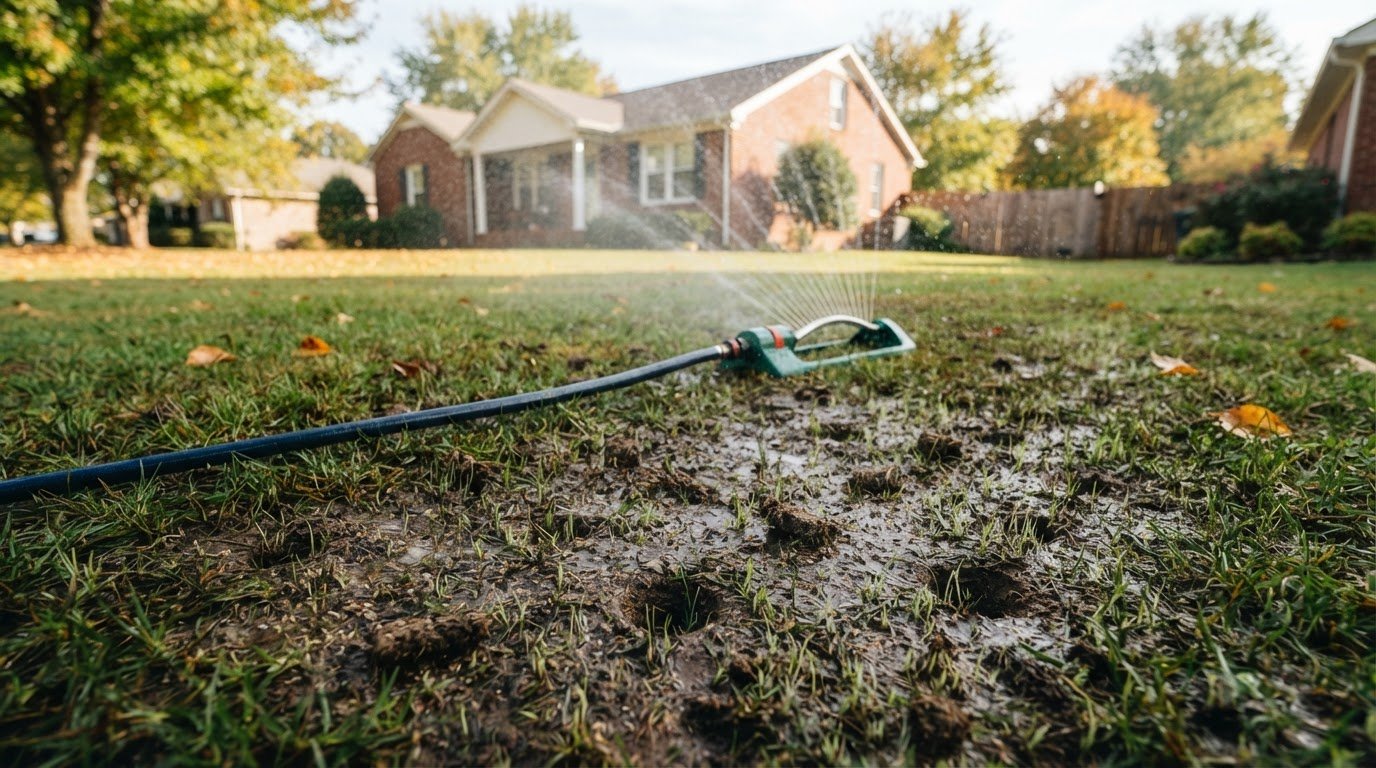
A core aerator’s hollow tines or spoons bring soil cores to the surface. For seriously compacted soil, multiple passes in different directions can open more of the lawn. The cores can remain on the grass, where they break down and return nutrients to the soil. These channels can improve water infiltration, airflow to roots, and nutrient movement, while also encouraging natural thatch breakdown. Gallatin homeowners considering lawn thatch removal via aeration should know that core aeration supports gradual improvement, not an overnight fix for severe thatch.
Aeration Risks to Underground Lines
Core aerator tines penetrate below the surface, so they could damage an irrigation pipe or buried utility in their path. Spike aerators also enter the ground, though their solid tines work differently from hollow core-aerator spoons. Before aerating, identify irrigation components and known underground line routes. This helps determine where the equipment can go and where it should avoid the ground.
| Option | How it works | Effect on compacted soil | Best fit |
|---|---|---|---|
| Core aeration | Removes soil plugs | Creates open channels | Compacted areas |
| Spike aeration | Pushes soil sideways | May compact hole edges | Surface puncturing |
To assess thatch, cut a pie-shaped sample two inches deep and inspect the layer between the grass and soil. Choose core aeration when compaction is the concern; spike aeration does not remove soil plugs.
What’s the Difference Between Aeration and Dethatching?
Core aeration removes soil plugs to ease compaction; dethatching pulls excess thatch from the lawn. Choose based on the main problem: tight soil points to aeration, while a thick thatch layer may need physical removal.
In Gallatin, timing depends on grass type and growing conditions. Aerate cool-season lawns in early spring or fall, and warm-season lawns from late spring through early summer. Avoid aeration and dethatching during summer heat or drought, when turf is under stress.
Choosing Between Aeration and Dethatching
Use core aeration when compacted soil restricts water movement or the lawn needs overseeding. Choose dethatching when the main concern is excessive thatch. Dethatching uses an electric rake or power dethatcher with vertical blades to pull material to the surface; aeration lifts soil cores instead. Dethatching can improve water penetration, but it does not relieve compaction.
For small areas, a dethatching rake gives you hands-on control; a machine covers larger areas more efficiently. Set machine blades to cut no deeper than ½ inch into the soil. Dethatching can pull up healthy grass and leave debris to rake and remove. Because the lawn needs time to recover, reserve this treatment for excessive thatch rather than routine annual care.
Frequency and Timing by Grass Type
High-traffic lawns or lawns with heavy clay soil may need aeration every year. Sandy soil or turf that’s growing well may need it every 2-3 years. Dethatching is not usually needed annually. For cool-season grass such as fescue, rye, or bluegrass, aerate or dethatch in early spring or early fall. Warm-season grass is best aerated in late spring through early summer; dethatch after the second mowing in that same period.
Preparing for and Recovering from Treatment
To prepare for aeration, apply 1 inch of water the day before, softening the soil for the tines. For dethatching, mow to half the lawn’s normal height. If both treatments are needed, dethatch before aerating, then allow two weeks between treatments. Dethatching and aerating a struggling lawn within 48 hours can cause damage.
After dethatching, water and fertilize to support recovery. After aeration, water every 2-3 days during the following couple of weeks. Leave soil plugs on the lawn; they can crumble in two or three weeks. Treating during hot, dry weather can stress turf, so choose a suitable growing period. For help weighing the right treatment for your lawn, contact the lawn care team.
Thatch benefits and excessive-thatch problems
A thin thatch layer can cushion grass, insulate the soil, and help retain moisture. It forms between green leaves and soil as plant matter accumulates. The layer becomes a concern when it grows too thick. More than ¾ inch can interfere with water, air, and nutrients reaching roots, leaving the lawn struggling to grow even when surface watering seems adequate.
How Excessive Thatch Affects Turf
Look for a spongy feel or areas that stay unusually wet after the rest of the lawn dries. Excessive thatch can keep water from reaching the soil and restrict oxygen exchange. It can also limit nutrient absorption, increase drought stress, and encourage insects and lawn disease. These signs may point to thatch affecting turf health, but they do not identify the cause on their own. Compaction or other lawn problems can also contribute to weak growth.
When Dethatching Helps
Dethatching physically removes accumulated material, which can improve water penetration and support grass health when thatch is excessive. It is not a routine step for every season. A power rake or dethatching machine can pull healthy grass along with the thatch, leaving debris to rake and remove. The lawn also needs time to recover. Since dethatching does not relieve compacted soil, it will not address that separate cause of poor growth.
Dethatch when inspection shows a thick layer, not simply because the lawn looks thin. Removing useful thatch also removes its insulating and moisture-retaining benefits. If turf is already struggling, aggressive removal may add stress instead of helping it recover. Consider the grass’s condition, the amount of thatch, and the season before deciding whether removal is appropriate.
How Aeration and Overseeding Support a Healthy Lawn
Aeration can encourage microbial activity that helps break down thatch over time. Rather than pulling out the entire layer at once, it supports healthier soil conditions. This gradual approach can be useful when compaction or sparse turf also needs attention. It is not an overnight fix for severe thatch, and a very thick layer may need a different response.
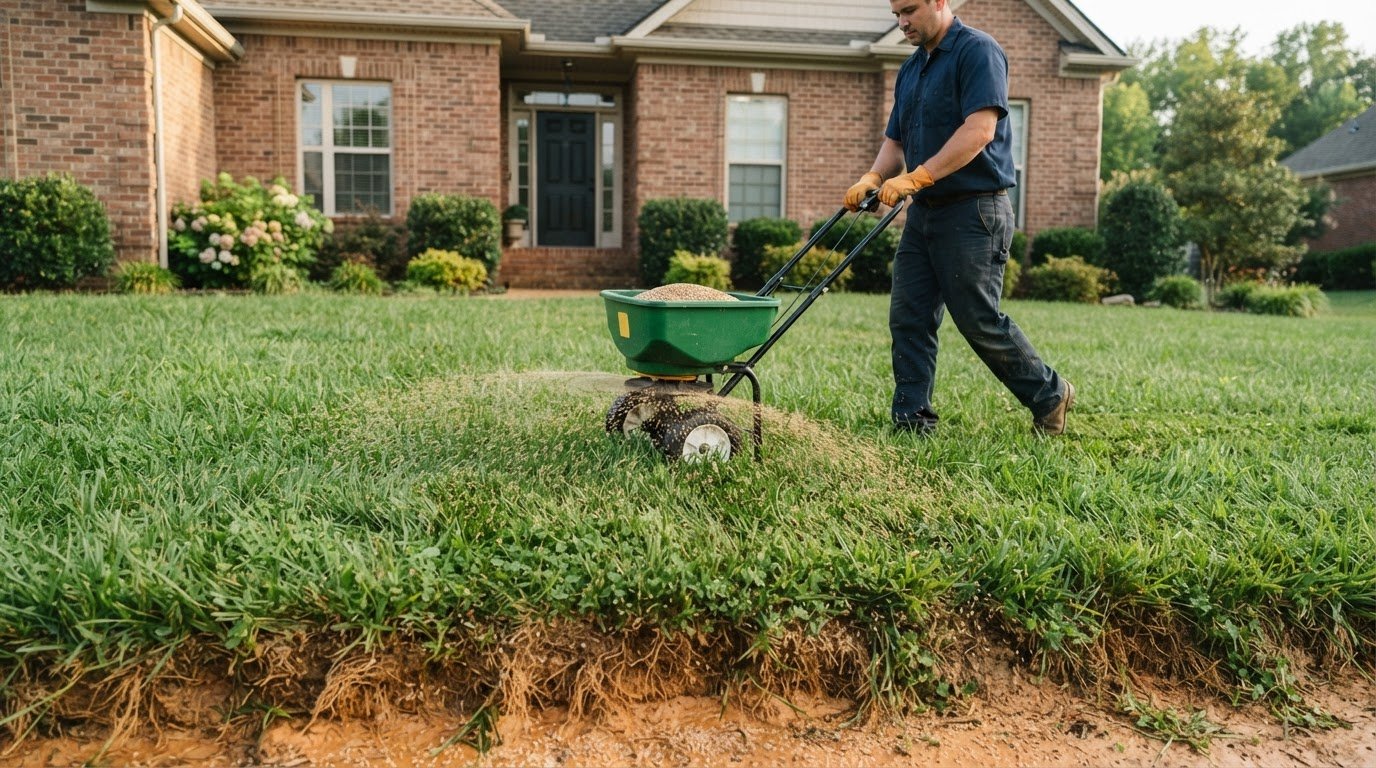
Overseeding adds new grass seed to sparse areas, helping create fuller, more consistent turf. Pairing it with aeration can address thin coverage while improving soil conditions for growth. Fertilization can support turf growth, but it does not replace diagnosing excessive thatch. Match the treatment to the problem: preserve a thin, beneficial layer, remove excessive thatch, and combine aeration with overseeding when soil conditions and sparse coverage call for both.
Aeration and overseeding services in Gallatin, Tennessee
In Gallatin, aeration and overseeding address different but related lawn needs. Core aeration removes soil plugs, while overseeding adds grass seed to sparse areas. Together, they can improve growing conditions and encourage a fuller, more consistent lawn. They do not instantly remove severe thatch, so match the treatment to the soil, turf type, and thatch thickness.
Timing depends on whether the lawn has cool-season or warm-season grass. Treat warm-season turf in late spring or early summer, after it has fully greened and begun active growth. Aerate cool-season lawns in early spring or fall. In spring, wait until the lawn has been mowed twice before aerifying. Avoid treatment during summer heat or drought, when turf is already stressed.
Watering before aeration can soften the soil for the equipment. After treatment, water every two or three days during the following couple of weeks. Once the lawn has recovered, water deeply enough to wet six inches of soil. Leave the soil cores on the grass; they crumble naturally and return material and nutrients to the lawn. A consistent watering routine supports seed establishment and helps new grass thrive.
Overseeding adds seed where existing turf is thin, helping fill bare or sparse patches over time. Results depend on matching the seed to the existing grass and providing suitable growing conditions. Aeration creates openings that can support seed-to-soil contact, while new grass adds density. This combination can help when a lawn needs both improved soil conditions and thicker coverage, rather than thatch removal alone.
Do not aerate or dethatch new sod or a newly seeded lawn during its first full year after establishment. For an established lawn, choose the action based on its condition: compaction points to aeration, sparse coverage may call for overseeding, and severe thatch may need separate management. Core aeration is not an overnight fix for heavy thatch. In Gallatin, suitable seasonal timing, watering, and ongoing maintenance give grass a better opportunity to recover and grow.
Spring or summer lawn aerification can succeed with regular, frequent watering, so plan for consistent irrigation rather than relying on a single soak. If soil is seriously compacted, aerate the entire lawn twice, making the second pass perpendicular to the first for broader coverage. Fertilizing one week before aerification can hasten grass filling in the aeration holes and support recovery. Match these steps to the lawn’s condition and maintain the watering routine afterward.
After removing soil plugs, fertilize the lawn and consider applying topsoil to provide mineral and nutrient content. Once the lawn has recovered, water deeply enough to wet six inches of soil. Regular, frequent watering after spring or summer aerification helps maintain suitable conditions as the grass fills in. These practices complement careful timing and seed establishment: aeration addresses compacted soil, while overseeding can add coverage where turf is thin. Monitor the lawn’s response and water consistently through recovery, adjusting care to the areas that need it most.
Which Gallatin lawn care companies offer core aeration and thatch removal?
In Gallatin, look for lawn care services that specifically describe residential core aeration if compacted soil is the concern. “Aeration” and “thatch removal” are not interchangeable service names. Core aeration removes soil plugs and can support gradual thatch breakdown; dethatching uses vertical blades to pull thatch to the surface. Check that the service description makes clear which treatment is included.
Match the service to the lawn’s condition before choosing a treatment. Persistent puddling or difficult soil penetration can point to compaction, while a thick, spongy layer between grass and soil can indicate excessive thatch. If you’re considering lawn thatch removal via aeration in Gallatin, a two-inch-deep sample can help distinguish surface material from the underlying soil.
For Gallatin homeowners, the key distinction is whether a service covers core aeration, dethatching, or both. Core aeration can improve soil channels and encourage natural thatch breakdown, but it is not an overnight solution for severe thatch. Dethatching physically removes accumulated material, but can also pull healthy grass and leave debris. When both treatments are needed, dethatch first, then wait two weeks between treatments.
Season matters in Tennessee. Aerate cool-season lawns in early spring or fall, and warm-season lawns from late spring through early summer. Avoid either treatment during summer heat or drought. Do not aerate or dethatch new sod or newly seeded lawns during their first full year after establishment. For lawn thatch removal via aeration in Gallatin, account for these seasonal differences when planning treatment.
After core aeration, soil plugs can remain on the lawn and crumble in two or three weeks. Watering every 2-3 days during the following couple of weeks supports recovery. After dethatching, water and fertilize to help the grass recover, and remove the loosened debris. These steps differ, so knowing which service was performed helps guide aftercare.
Residential aeration and overseeding can also suit established Gallatin lawns with compaction and sparse coverage. Overseeding adds grass seed to thin areas; it doesn’t physically remove a heavy thatch layer. For a lawn-specific next step, share your Gallatin lawn care needs and describe whether compaction, thick thatch, or bare patches are the main concern.
Performance Lawns: Residential Aeration & Overseeding
Performance Lawns, INC. provides residential aeration and overseeding for homeowners addressing compacted soil or sparse turf. Core aeration can improve soil conditions, while overseeding adds grass seed to thin areas. Together, these services support a practical plan for a fuller lawn. They are not a substitute for dethatching when an excessively thick thatch layer needs physical removal.
Consider this service when your established lawn needs better soil access and additional grass coverage. Aeration is not an overnight fix for severe thatch, so start by identifying the lawn’s main issue. Matching the work to its condition keeps expectations clear and supports thoughtful lawn care.
For residential aeration and overseeding in Gallatin, contact Performance Lawns, INC. to discuss your lawn.
Plan the Next Step for Your Gallatin Lawn
Turn what you’ve noticed into a clear treatment priority. Note whether the main concern is sparse coverage, compaction, or a visibly thick thatch layer. This distinction helps clarify what the turf needs now and what can wait. The right plan for lawn thatch removal via aeration in Gallatin should address your lawn’s condition, not simply follow a routine schedule.
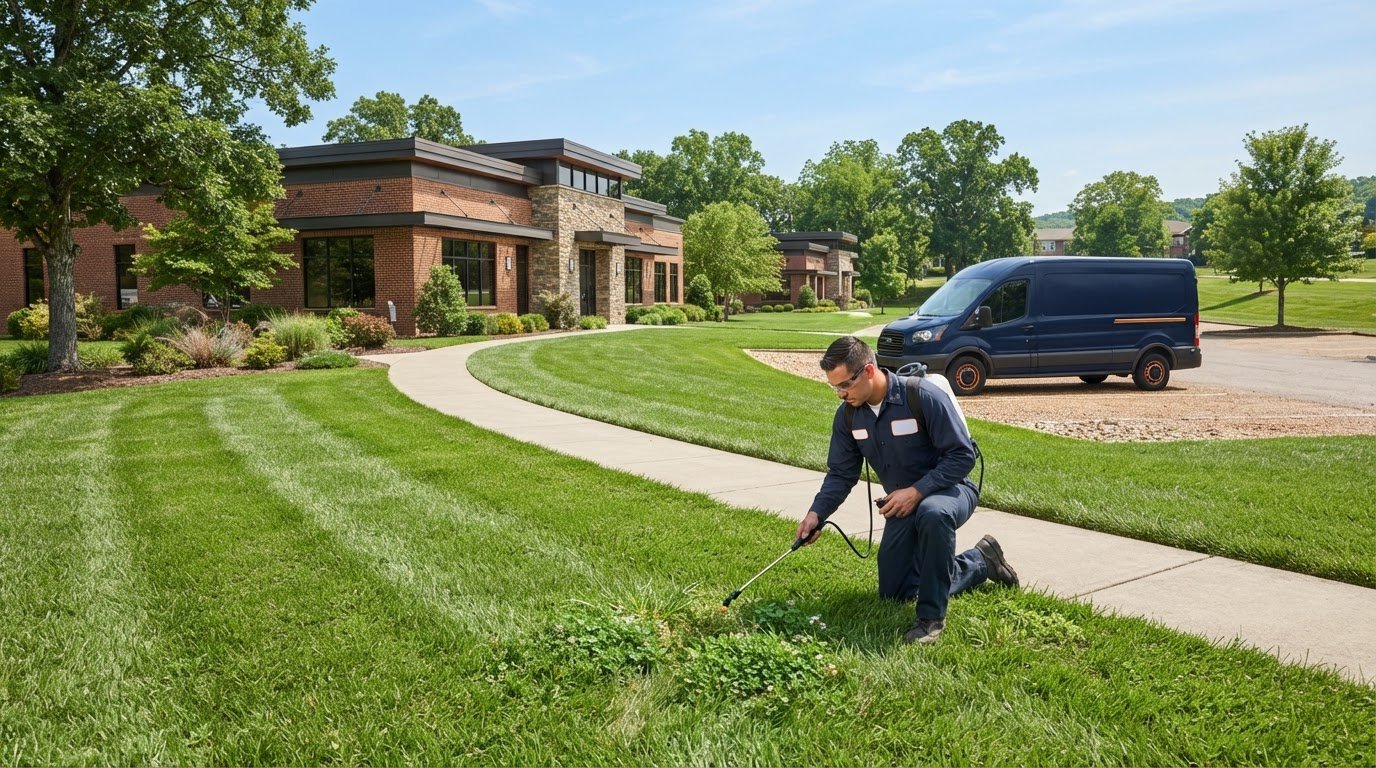
Performance Lawns, INC provides Residential Aeration & Overseeding, along with Lawn Treatments and Weed Control and Fertilization. These services address different lawn-care needs, so start by identifying the problem you want to solve. A considered approach makes ongoing maintenance more purposeful and helps support the health and appearance of your outdoor space.
Contact Performance Lawns, INC to discuss the next step for your lawn. A healthier, more resilient yard begins with a plan suited to its needs.
Frequently Asked Questions
What is Thatch?
Thatch is accumulated grass stems, roots, and other plant material at the base of a lawn. Grass clippings can break down over time, so they are not necessarily the main source of thatch. To inspect thatch, part the blades at the surface and look for a distinct, dense layer above the soil. This helps distinguish thatch from loose clippings or ordinary leaf litter.
What is Dethatching?
Dethatching removes accumulated organic material from turf. It can be demanding on grass, so consider the lawn’s condition: weak turf may have a harder time recovering than actively growing grass. Warm-season grasses can also clog dethatching machinery because their stems are woodier. Grass type is therefore a practical factor when deciding whether a power tool is suitable.
Does core aeration remove lawn thatch effectively?
Core aeration can help manage thatch over time, but it is not a direct substitute for removing a severe buildup. It can also benefit compacted areas where roots need better growing conditions. Highly compacted soil may require multiple passes, with the second pass perpendicular to the first. A few days after treatment, you may see grass roots spreading through the aeration holes.
When should lawns in Gallatin, Tennessee be aerated for thatch control?
Choose the treatment window according to the grass’s growth cycle and the recovery time available before stressful weather. For cool-season turf, early-fall treatment leaves about eight weeks of favorable weather for the lawn to close treatment wounds before frost. The calendar alone is not enough: active growth and suitable soil conditions matter too. Avoid treatment when summer heat or drought is stressing the grass.
How much thatch is too much for a lawn in Gallatin?
A thatch layer thicker than ¾ inch can cause problems. For a more reliable measurement than judging by feel, remove a pie-shaped sample about two inches deep and examine the material above the soil. Check several areas if the lawn looks uneven, since buildup can vary across a yard. A spongy spot can guide you to a sample location, but the cutaway reveals the layer itself.
What is the difference between core aeration, power raking, and dethatching?
Core aeration removes soil cores; power raking uses vertical blades to lift thatch for removal. Dethatching is the broader term for physically removing that layer, often with a rake or machine. Grass type matters: warm-season turf may clog dethatching equipment because of its woodier stems, making a mechanical approach less suitable than it may be for some cool-season lawns.
Which grass types are common in Gallatin, and how does that affect aeration timing?
Grass species affect both thatch buildup and treatment timing. Kentucky bluegrass, bermudagrass, and zoysiagrass can produce thatch as underground stems or slowly decomposing material add to the layer. Bermuda grass that has spread into an established fescue lawn can be extremely difficult to eliminate completely. Management focuses on limiting its spread, reducing its presence, and supporting healthy, competitive fescue; ongoing management or additional treatment strategies may be needed. Identify the grass before planning treatment rather than assuming every lawn in Gallatin has the same mix. In a mixed lawn, base the timing on the turf you most want to protect and strengthen.