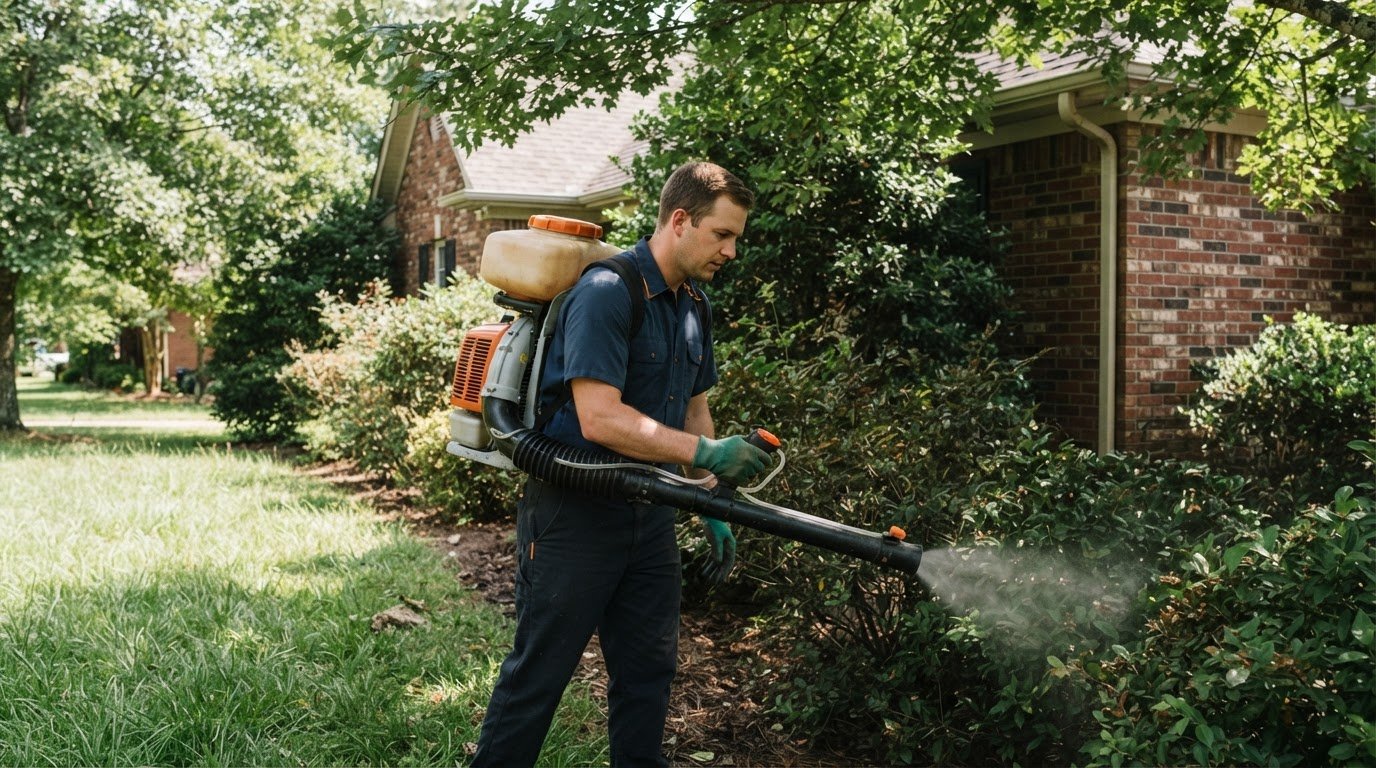


Do you need to be home for lawn treatment visits, or can service fit around your routine? Complete lawn treatment bundles in Mt. Juliet can vary in the treatments included and how visits are scheduled, so the name alone doesn’t tell you what your lawn will receive.
It makes sense to want a clear plan before scheduling service. Knowing what each visit covers, how the technician can access the lawn, and what factors shape the estimate helps you choose a program that suits your property and routine.
This guide explains what lawn care programs may include, how visit schedules and service areas work, and what to look for in an estimate and service terms. It also covers whether you need to be home, so you can understand the practical details before choosing a plan.
Fertilization, weed control, and pre-emergent treatments
The most useful reviews describe the lawn type, treatments, visit communication, and observed changes. Look for specific experiences with fertilization and weed control, rather than broad claims that every lawn gets the same result. Reviews alone can’t establish which plan suits your grass, soil, or weed pressure.
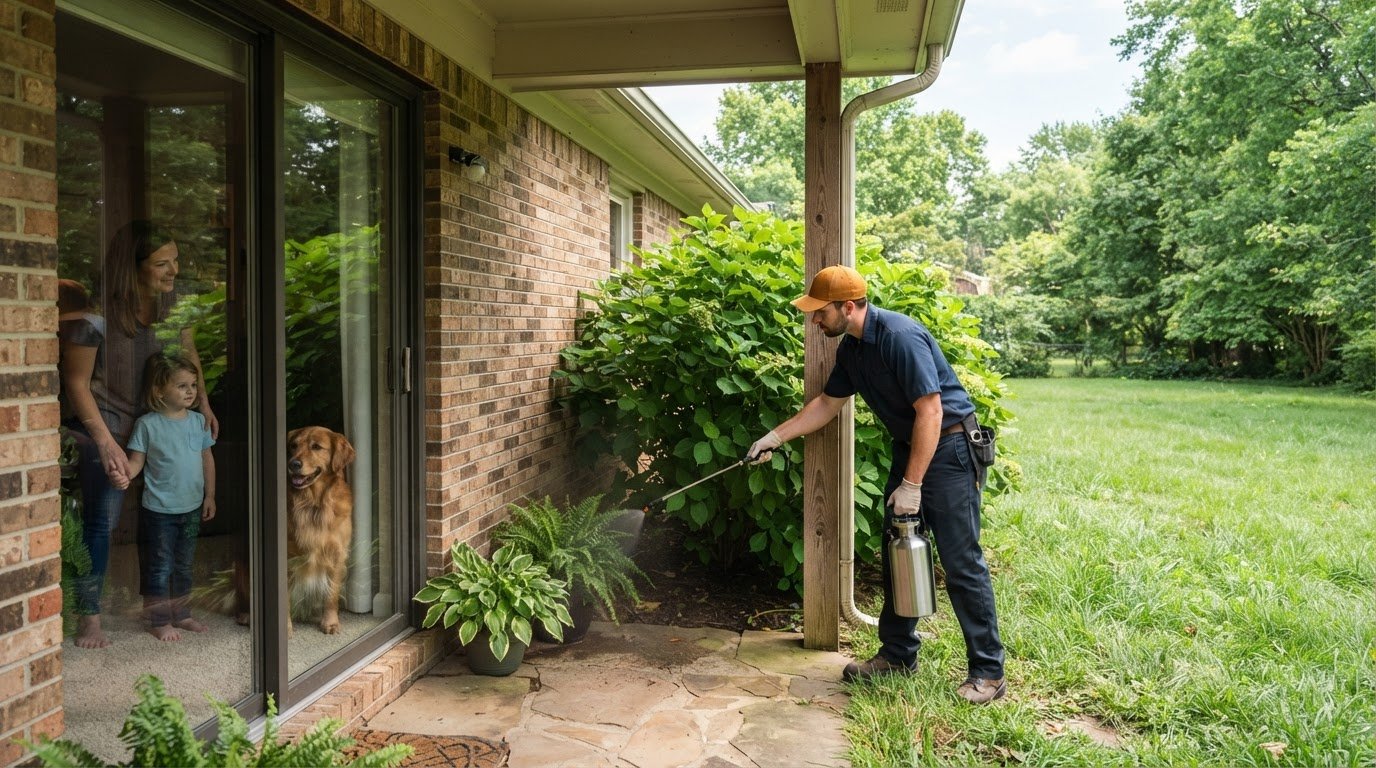
There’s no single stay-off period for every treatment. For children and pets, follow the product label’s re-entry directions; the appropriate wait depends on the product and application.
For Mt. Juliet lawns, seasonal timing depends on grass type and treatment goals. Scotts recommends fall seeding for cool-season lawns and says fall fertilizing and seeding can happen during the same season. A useful seasonal plan coordinates feeding, weed control, and any overseeding rather than treating every visit as identical.
- Match fertilizer timing to the turf’s growth cycle. For cool-season grass, fall feeding can support growth while the lawn is actively growing; avoid assuming every grass type follows that schedule.
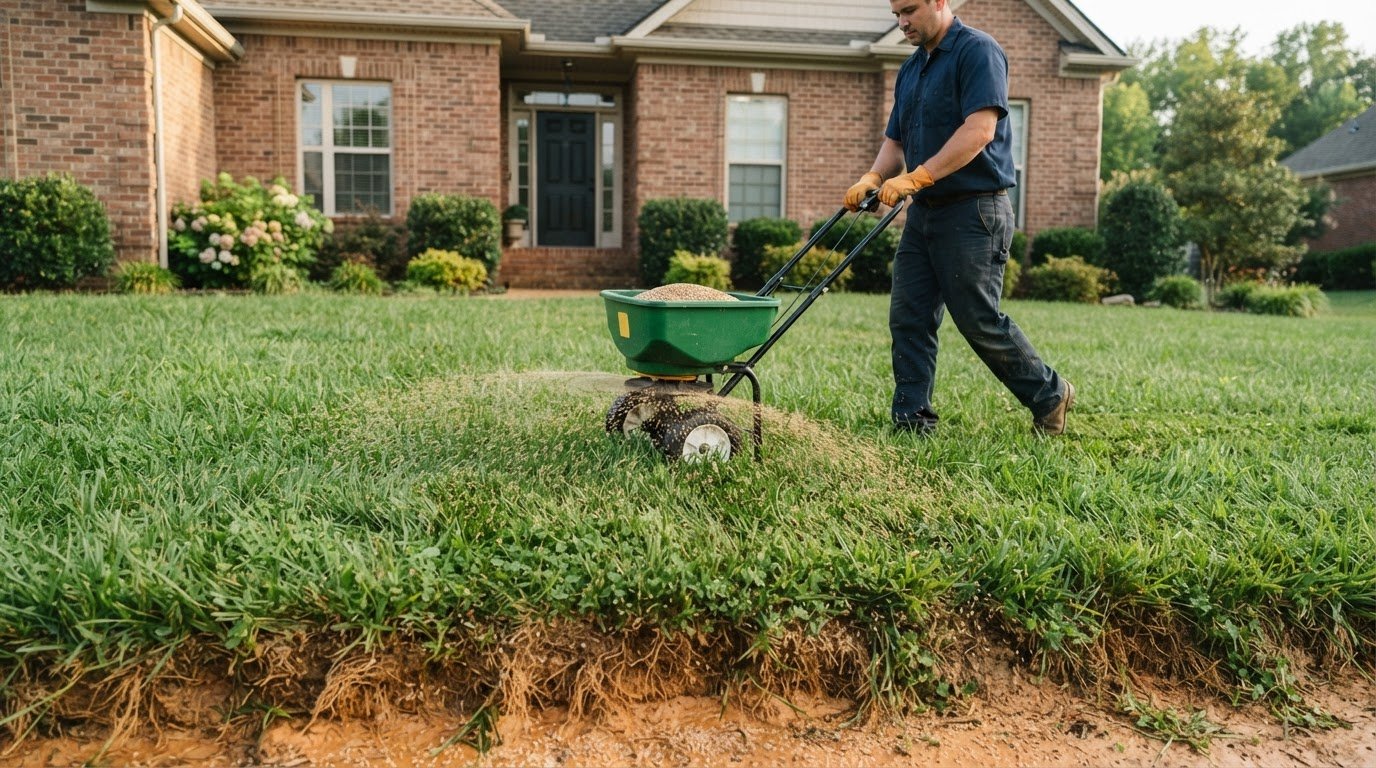
- Coordinate fall fertilizing with seeding when appropriate. Scotts recommends fall as the best time to seed cool-season lawns, including thin areas, and says feeding and seeding can occur in the same fall season.
- Base lime applications on soil-test results. Scotts recommends adding lime in fall only when a soil test shows the lawn’s pH is too low, rather than adding it automatically to a bundle.
- Separate pre-emergent timing from seed plans. Pre-emergent treatments target weeds before they emerge, while overseeding relies on grass seed establishing; the program needs to account for both goals.
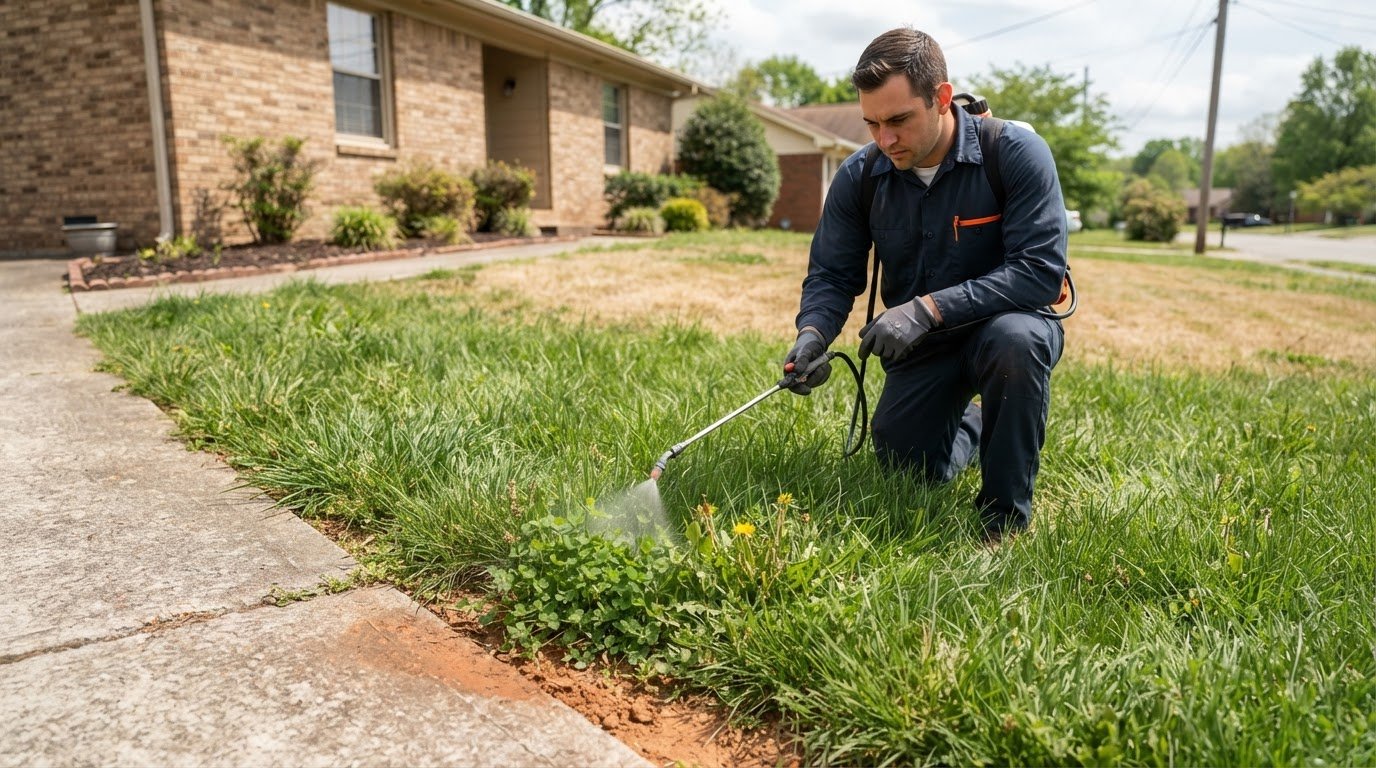
- Distinguish grassy weeds from broadleaf weeds. Dallisgrass and Johnsongrass can be harder to manage than common broadleaf weeds and may need a targeted approach beyond standard weed treatment.
- Set realistic expectations for Bermuda grass in fescue. Bermuda grass in an established fescue lawn can be extremely difficult to eliminate completely; management focuses on limiting spread and helping fescue compete.
- Consider soil conditioning as part of the plan. Soil amendments may address specific lawn needs, but lime should follow test results, not a blanket seasonal assumption.
For a complete lawn treatment bundle in Mt. Juliet, ask what each scheduled application addresses: nutrient needs, existing weeds, or prevention of new weeds. A fertilization and weed control program should account for grass type, seeding plans, and difficult weeds, because those factors affect treatment timing and selection.
Prioritize reviews that describe the lawn type, specific fertilization and weed-control treatments, visit communication, and observed results. These details are more useful than broad claims when judging whether a plan fits your lawn.
Lawn-care programs and application frequency
Customized plans in Mt. Juliet are offered by lawn-treatment providers that adjust visit timing and applications to the property. Grass type, lawn size, weed pressure, and seasonal goals guide a useful schedule; a fixed calendar alone can miss those differences.
Application frequency should reflect the purpose of each visit, not an arbitrary promise of identical treatments throughout the year. Feeding, weed control, and lawn assessment address different conditions, so a program should explain what each scheduled service is intended to do.
- Confirm the grass type before setting the calendar. Fescue and Bermuda lawns have different growth patterns, which affect treatment timing and the way a program supports the desired turf.
- Match the plan to the lawn’s measured area. Lawn size helps determine the treatment coverage required and makes the estimate specific to the property rather than a generic package.
- Separate routine visits from problem-focused treatments. Existing weed pressure or visible turf stress may call for attention beyond the regular application sequence.
- Make each scheduled visit purposeful. A clear program identifies whether an application targets nutrients, weed control, or another lawn need, rather than treating every visit as interchangeable.
- Account for seasonal growth changes. A lawn’s needs shift as temperatures and growth patterns change, so the visit sequence should reflect the season and the grass type.
- Coordinate treatment with overseeding plans. Seeding goals can affect which treatments fit a particular window, so the schedule should account for planned turf establishment.
- Include follow-up observations in the service plan. Changes in weed pressure, turf density, and visible stress help guide later applications and adjustments.
- Ask for the schedule and estimate together. Seeing the planned visits beside the property’s needs makes it easier to understand what the program covers and how its timing works.
In practice, application frequency depends on treatment type, grass growth, weather, and lawn condition. A schedule should explain why each visit is planned and what concern it addresses. That clarity helps distinguish a tailored program from one that simply repeats the same applications.
For a Mt. Juliet property, a useful estimate reflects its size, grass type, and treatment goals. Discuss a lawn treatment schedule to connect the proposed visits with the needs of your turf.
Product instructions recommend watering the lawn for 20 minutes within 24 hours of application; Darker Green is best applied as a foliar treatment and should not be watered in.
Service areas and local neighborhoods
Mt. Juliet sits 15 miles east of Nashville, within Middle Tennessee. But a city name alone doesn’t identify whether a particular street or subdivision falls within a service area. Start with the property’s full address rather than a nearby landmark or general neighborhood name.
Neighborhood, mailing, and municipal boundaries may not describe the same location. For example, a home can have a Mt. Juliet mailing address while sitting near a community boundary. Sharing the street address helps identify the property connected to a lawn-treatment estimate.
- Use the complete property address. A street number and street name distinguish one Mt. Juliet lawn from another.
- Include the ZIP code. Pairing it with the street address helps identify the specific location.
- Name the subdivision when relevant. A neighborhood name can add context when nearby streets share similar names.
- Describe the property entrance. A note about the correct driveway can help distinguish the treatment location from adjacent parcels.
- Identify separate lawn areas. Front, back, and side sections may sit on different sides of fences or access points.
- Mention a corner lot. Two street frontages can make it less obvious which address belongs to the lawn.
- Clarify detached areas. A separate strip or side parcel may need its own location description.
- Use the property location, not a landmark. A nearby school or shopping area doesn’t pinpoint the lawn being considered.
These details matter across Mt. Juliet and nearby Middle Tennessee communities, including Lebanon, Gallatin, and Hendersonville, where a city or region label can cover many distinct addresses. A neighborhood name can help orient the conversation, but the property itself is the key reference point. If a home has a front lawn along one street and a fenced side lawn along another, describing both areas clarifies what needs treatment.
Before comparing complete lawn treatment bundles in Mt. Juliet, make sure each estimate refers to the same property and lawn areas. Use the street address consistently, then note any additional sections that need treatment. This keeps the comparison focused on the correct location, rather than an assumed boundary based on a subdivision name or nearby landmark.
Estimates, pricing, and cancellation terms
A useful estimate connects the property, planned treatments, and visit schedule. For Juliet, the total depends on the specific case and is provided after a quote request. Key cost factors include lawn size, treatment selection, application frequency, and the areas included.
Scope matters. An estimate for the front lawn alone differs from one covering the front, back, and side areas. If a property has a separate strip or fenced section, its inclusion should be clear. That way, the proposed service and estimate refer to the same work.
- Match the estimate to the treatment list. A plan combining fertilization and weed control has a different scope from one addressing only a single treatment need.
- Identify every lawn area included. Listing the front, back, and side sections prevents confusion about the property’s coverage.
- Review the scheduled applications. The number and type of planned visits shape the program’s scope and overall estimate.
- Clarify optional or separate treatments. If a treatment appears outside the main plan, its inclusion and cost should be clear before approval.
- Compare estimates on matching terms. Two proposals are easier to assess when they cover the same lawn areas, treatments, and visit schedule.
- Keep the written estimate with the agreement. It provides a practical reference for the planned service and any stated terms.
Read cancellation terms as closely as treatment details. Agreements can address notice timing, cancellation fees, scheduled visits, and applications already completed. The wording determines how those terms apply, so identify each clause before accepting a program. For example, a cancellation rule may distinguish a future visit from a treatment already performed.
Also look for terms about pausing service, changing the plan, or resuming visits. These details matter if you sell the property, change lawn-care plans, or need to stop scheduled applications. The agreement should explain how a requested change affects upcoming visits and any charges already incurred. Don’t assume cancellation and pausing mean the same thing.
For a clear decision, read the estimate and service terms together. Confirm that the property areas, treatment list, application schedule, and cancellation language align. Describe the lawn and intended service scope in your quote request so the estimate reflects those details, rather than relying on a generic package label.
Do Mt. Juliet lawn treatment plans include fertilization, weed control, and pest control?
Fertilization and weed control can be included together in a lawn-treatment plan. Pest control serves a different purpose, so don’t assume it’s included. Fertilizer supports turf nutrition, while weed treatments target unwanted plants. Mosquito, tick, and flea treatments address outdoor pests, not grass nutrition or weed pressure. Read each plan as a defined set of services, not coverage for every lawn concern.
For a Mt. Juliet property, separate turf care from pest management. Fertilization and weed control focus on grass health and unwanted weeds. Residential pest treatments target mosquitoes, ticks, and fleas around the property. These services can complement one another, but their purposes and treatment areas differ. The estimate should identify which services it covers.
- Confirm fertilization is named. This identifies turf feeding as part of the proposed lawn program.
- Confirm weed control is named. Weed treatment addresses unwanted plants and is distinct from fertilizer application.
- Look for pre-emergent treatment as a separate detail. Its purpose is to target weeds before they emerge, rather than control visible weeds.
- Check whether pest control appears separately. Mosquito, tick, and flea treatments address outdoor pests, not lawn nutrition.
- Identify the pest targeted. A mosquito-focused treatment doesn’t describe tick or flea service by itself.
- Match every service to its treatment area. Turf applications and outdoor pest treatments address different parts of the property.
A combined plan is easier to understand when each service has a clear name and purpose. For example, a proposal could list fertilization and weed control for the turf, then identify mosquito treatment separately. That wording clarifies the scope better than a broad “complete lawn care” label and distinguishes lawn treatments from pest control around outdoor living areas.
Look for a written breakdown of included treatments, targeted concerns, and planned applications. If a proposal lists only “lawn treatment,” that phrase doesn’t explain whether it covers fertilization, weed control, or pest control. A clear description connects each service to its purpose. For example, a lawn program with fertilization and weed control doesn’t automatically include mosquito, tick, or flea treatment.
The Green Goals Bundle includes 16-4-8 Advanced Lawn Food. That detail identifies a fertilizer product within the bundle, but it does not by itself establish that weed control or pest control is included. Treat the product name as one part of the scope, then check the written description for the other services you expect.
Ask the provider to explain how the listed fertilizer relates to the turf goals for the property, and whether any weed or pest treatment is separately specified. If the bundle wording is brief, request the service names and treatment areas in writing before comparing proposals. That makes it easier to distinguish a named fertilizer from a complete program and decide whether any additional treatment should be requested. Keep the estimate and any clarification together so the agreed scope remains clear when service begins.
Performance Lawns: Lawn Treatments
Performance Lawns, INC helps homeowners in Mt. Juliet address turf needs with professional lawn treatments, weed control, and fertilization. These services support lawn health and help manage common weeds as part of an ongoing care plan.
When routine treatments aren’t enough, residential aeration and overseeding can improve soil health and promote thicker turf. The right service depends on the concern, whether it’s weed pressure, thin grass, or overall lawn condition. A useful plan matches its treatments to those needs and the property’s seasonal goals.
If you’re ready to discuss lawn care for your property, contact Performance Lawns, INC.
Choose a Clear Starting Point for Your Lawn
A practical next step is to identify your property’s main concern. You might want to strengthen thin turf, address recurring weeds, or establish a consistent care plan. In Mt. Juliet, Lebanon, Gallatin, and Hendersonville, choosing a starting point is easier when you know your first priority, rather than trying to solve every lawn concern at once.
Consider what you want a lawn-care professional to understand: which areas concern you, what changes you’ve noticed, and what outcome you hope to support. Sharing those details helps focus the conversation on your lawn’s needs and a practical way forward. Goals can also change with the seasons, so a useful plan should leave room to reassess the lawn as conditions shift.
When you’re ready to discuss the next step, share your lawn-care goals with Performance Lawns, INC. A thoughtful starting point can make caring for your outdoor space feel more manageable.
Frequently Asked Questions
Do I need to be home for the visits?
Whether you need to be home depends on access arrangements for your property. Before the first appointment, clarify how the technician can identify the lawn areas included in the plan. For example, mention a locked gate or fenced backyard when discussing access. Clear instructions help the scheduled visit focus on the intended areas, even when your home has multiple entrances or separate lawn sections.
Is aeration included in the program?
Aeration is a separate service, so don’t assume it’s part of every lawn-treatment plan. Performance Lawns, INC provides residential aeration and overseeding for homeowners addressing compacted soil or thin turf. If you’re considering a bundle, distinguish scheduled lawn treatments from aeration and overseeding in the written scope. This shows which work is planned and whether it matches your lawn goals.
When should I start?
Start by identifying a lawn concern or goal for your property. Thin turf, visible weeds, and compacted soil point to different needs. For example, a homeowner hoping to thicken bare areas may consider overseeding, while recurring weeds call for weed control. The right starting point depends on the grass, current lawn condition, and work you want included in the plan.
Which lawn care companies in Mt. Juliet, TN offer complete lawn treatment programs?
Performance Lawns, INC provides lawn treatments in Mt. Juliet, including fertilization and weed control, and serves nearby Lebanon, Gallatin, and Hendersonville. The company also provides residential aeration and overseeding. When requesting an estimate, describe your property’s needs and the services you’re considering. That gives the conversation a practical starting point without assuming every bundle includes the same treatments.
What services are included in a lawn treatment bundle?
Lawn treatments can include fertilization and weed control, while aeration and pest treatments address different needs. Performance Lawns, INC provides lawn treatments, weed control and fertilization, residential aeration and overseeding, and residential mosquito, tick, and flea control. These are distinct services, so review the written scope to understand which treatments are included for your property and which concerns they address.
How much do lawn treatment bundles cost in Mt. Juliet, TN?
The estimate depends on the property and services selected. Lawn size, treatment selection, visit schedule, and covered areas all affect its scope. For example, a plan covering several lawn sections differs from one addressing only the front lawn. A written estimate connects the proposed amount to the work included, helping you understand what it covers before choosing a plan.
How often are treatments applied in Mt. Juliet lawn care programs?
Application frequency depends on the treatments in the plan, the lawn’s condition, and seasonal needs. Fertilization and treatment for visible weeds may follow different schedules. Review the proposed timing and purpose of each application. A clear plan distinguishes recurring turf care from an additional treatment for a specific concern, so the schedule reflects the work planned for your property.
Do lawn treatment plans in Mt. Juliet require contracts or allow cancellation?
Contract and cancellation terms depend on the service agreement. Before starting service, review how it handles ending service, pausing visits, and work already scheduled or completed. Those clauses may treat cancellation and a temporary pause differently. Keep a copy of the agreement with your estimate so you can refer to the written terms if your plans change or you need to understand how upcoming visits are handled.