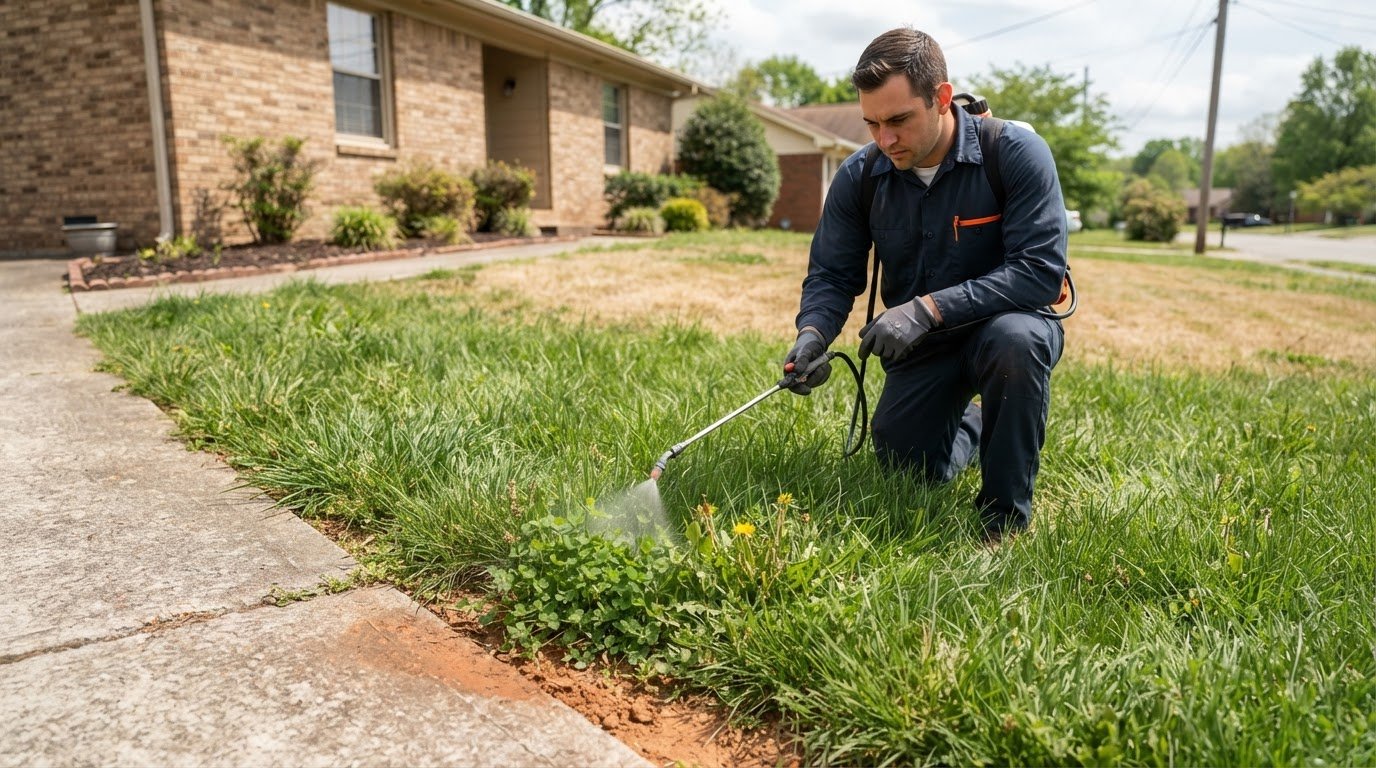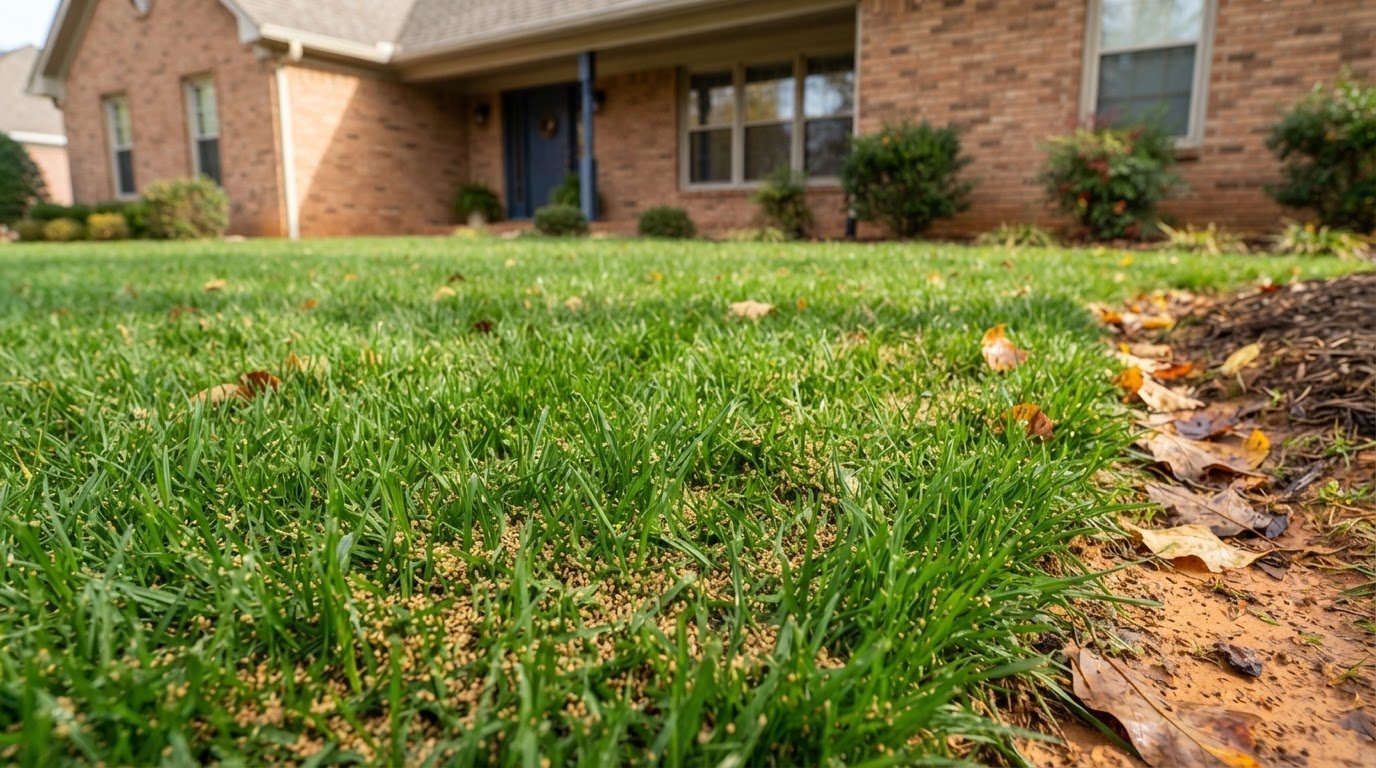


A tick sighting doesn’t always mean your yard needs treatment, but repeated encounters around the lawn are a reason to take a closer look. To decide whether tick extermination for residential turf in Hendersonville, TN, makes sense, note where ticks appear and whether people or pets keep bringing them indoors.
It’s understandable to want a clear answer before arranging pest control. Outdoor tick treatment cannot eliminate every tick, so a useful assessment focuses on activity and conditions around the yard without promising a tick-free property.
This guide explains the signs that professional control may be appropriate, what a residential inspection can assess, and how flea and tick follow-up works. You’ll also learn what to expect after treatment and why continued monitoring matters as adult fleas emerge.
Residential pest control in Hendersonville
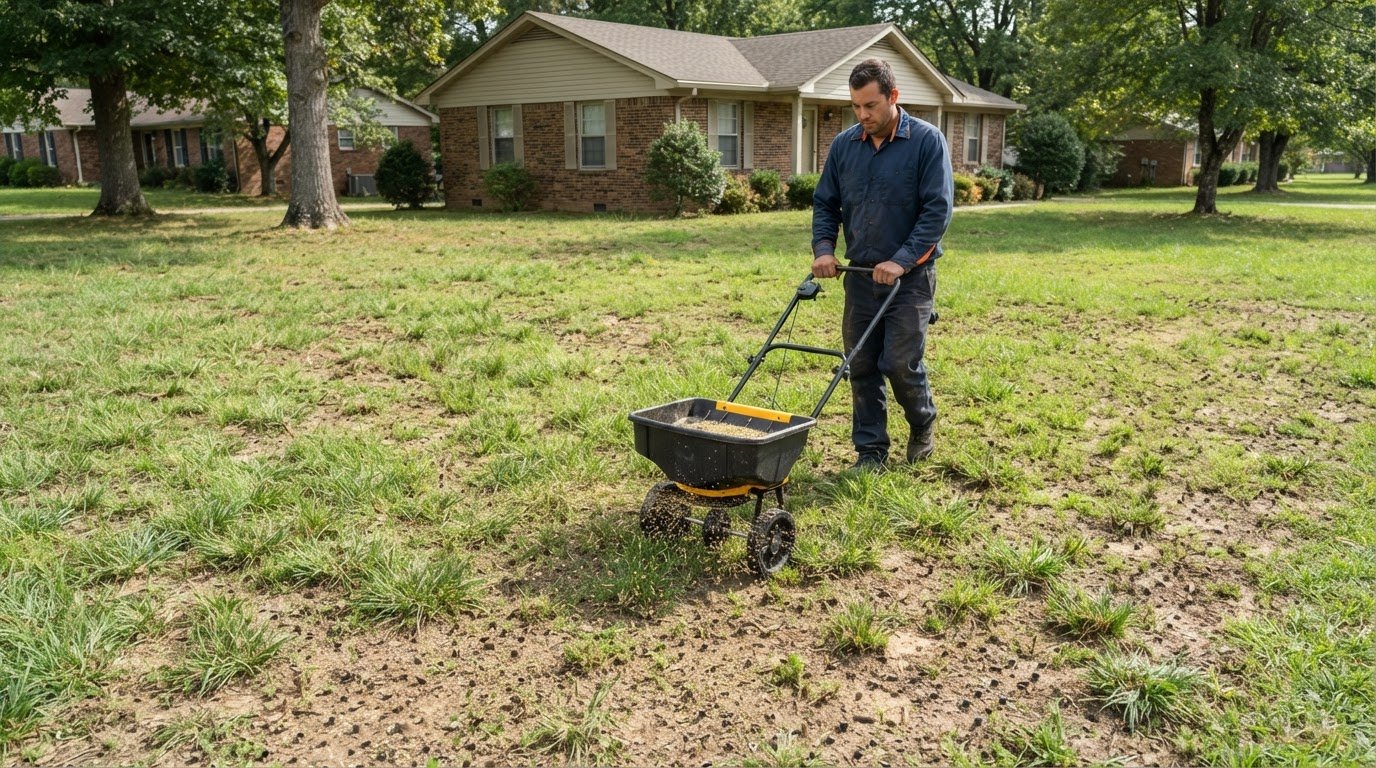
Hendersonville homes may benefit from targeted yard care when ticks appear near lawn edges, wooded borders, or play areas. Residential pest control addresses outdoor tick activity, while fertilization and weed control support healthy, manageable turf.
Residential Tick Treatment Options
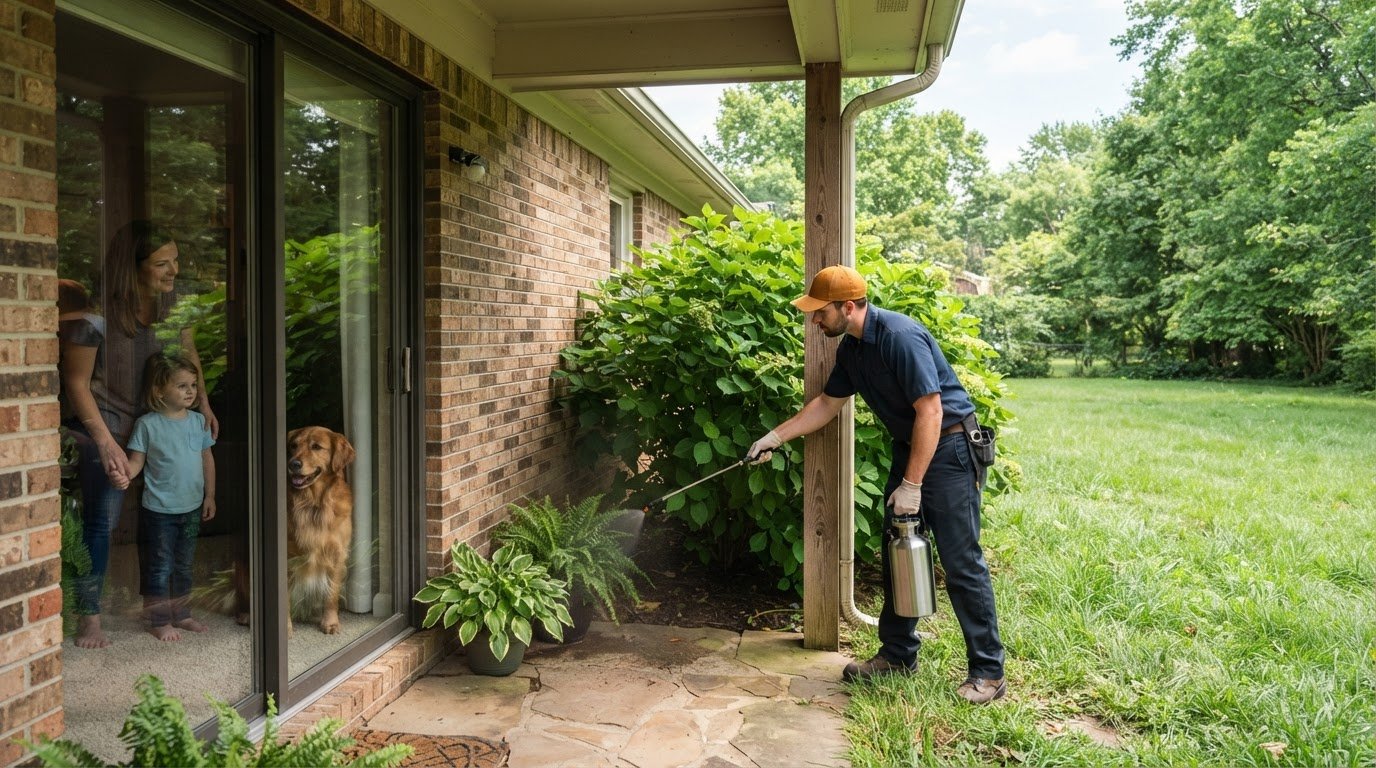
Tick activity can vary around a yard, particularly near lawn edges, leaf litter, and nearby woods. An assessment should consider where people and pets spend time, rather than treating every part of the property as identical. Performance Lawns provides residential mosquito, tick, and flea control in Hendersonville and nearby Middle Tennessee communities, including Mt. Juliet, Lebanon, and Gallatin.
Tick encounters are most expected in Tennessee’s grassy and wooded areas from April through July. Ticks may also remain active on mild winter days, so activity isn’t limited to one season.
Follow-Up and Egg-Cycle Treatments
Outdoor tick treatment doesn’t eliminate every tick, and a follow-up plan should account for continued exposure from surrounding habitat. Female ticks can lay thousands of eggs, while flea pupae may continue emerging as adult fleas for two weeks or more after treatment. That flea life-cycle detail matters when a yard service is paired with indoor flea treatment.
A general pest-control schedule shouldn’t be assumed to match tick activity. Ask how the service addresses outdoor ticks and which areas of the yard are included. Performance Lawns’ residential pest control targets mosquitoes, ticks, and fleas in outdoor living spaces.
Post-Treatment Turf Access
Follow the application directions provided for the service, including any instructions about access to treated areas. Directions can depend on the product and application conditions, so use the specific guidance for your treatment rather than a generic time estimate. Outdoor service directions differ from those for indoor flea treatment.
For example, plan outdoor activity around the treatment window and keep pets away from treated grass until it is dry. If the service includes indoor flea treatment, follow its separate re-entry instructions.
Preventing Tick Return
Professional yard treatments can target tick-prone areas, but property conditions also influence whether ticks return. On Middle Tennessee properties, the first ten to fifteen feet beside woods, fencerows, or overgrown neighboring lots can offer hiding spots. A three-foot strip of wood chips or gravel can create a dry boundary between lawn and woods.
Leaf litter should be cleared every fall and again in early spring to reduce tick habitat. Where the yard allows, placing play equipment in open sun and at least nine feet from the wood line can also limit exposure. Lawn fertilization and weed control support turf care, but they aren’t substitutes for targeted tick treatment.
Service-area coverage in Hendersonville, Tennessee
For a Hendersonville property, service-area coverage means more than a city name on a page. The address, treated outdoor areas, plan terms, and application record should make clear what residential tick service covers. Tennessee and Sumner County rules should also be considered before pesticide application.
Performance Lawns serves Hendersonville and nearby communities, including Mt. Juliet, Lebanon, and Gallatin. When discussing service, describe where ticks appear and which parts of the yard are used by people or pets. This helps clarify the areas relevant to residential pest control.
A plan name alone doesn’t explain which pests or areas a service addresses. For residential tick control, describe the outdoor locations where you’ve noticed activity, including wooded edges, frequently used lawn areas, or detached outdoor spaces. This gives the service discussion a practical focus.
Service documentation should identify the product used and the treated area, along with application directions relevant to the property. Product ingredients can differ, so the name of a plan alone doesn’t reveal what was applied. Keeping the service record gives homeowners a reference for follow-up, household precautions, and questions about a particular treatment.
Do Tennessee or Sumner County rules regulate residential tick pesticide applications? Applicable requirements depend on the product and application; the treatment should follow its label directions and relevant Tennessee requirements. The service record can help identify the product and instructions for that specific application.
What are the risks of tick pesticides to children, pets, pollinators, and wildlife? Risks depend on the ingredients, application method, and whether people or animals contact treated areas. Children and pets may encounter turf directly, while pollinators or wildlife may contact treated vegetation; follow the product’s directions for access and precautions.
Mosquito and other pest services may be offered through separate plans or combined pest-control programs. Don’t assume that a mosquito plan includes ticks, fleas, or indoor pests; check which pests and locations the plan names. For example, an outdoor mosquito treatment and a residential tick application may target different parts of a property.
The areas that matter most depend on where ticks appear and how your household uses the yard. Describe transitions between lawn and wooded edges, as well as places where children or pets spend time. This helps focus the discussion without assuming that treatment will eliminate every tick.
For questions about residential tick-control service in Hendersonville, share the property address and the areas where tick activity occurs.
Property inspection and pest entry points
A useful Hendersonville inspection connects tick activity with the property’s layout. Technicians can assess turf, low branches, leaf litter, fence lines, and transitions to wooded or overgrown areas. Ticks may climb a few inches to a few feet up grass blades or low branches, then wait for a person or animal to brush past. Those leading edges deserve attention.
Inspection should also consider how people and pets use the yard. A path from the back door to a play area, for example, may cross vegetation where ticks wait. Looking at those routes alongside shaded borders helps distinguish high-contact zones from open lawn. A professional plan can then focus treatment where conditions and activity point to exposure.
Season affects what an inspection may find. Sumner County’s warm climate can keep pest species active from April through October, while some blacklegged ticks remain active on mild winter days. That seasonal pattern makes a single visit an incomplete picture of year-round pest pressure, especially where a wooded edge meets frequently used turf.
Hendersonville properties can also face seasonal mosquito concerns. These are distinct from tick activity and may involve different parts of the yard. Performance Lawns’ residential pest control targets both mosquitoes and ticks, so describe the pest and location when discussing your outdoor concerns.
Home and yard prevention can include checking common access points during a professional visit. Technicians can look for gaps near doors, utility openings, foundation edges, and vegetation touching the home. For termite prevention, firewood should be stored at least 20 feet from the house and off the ground. That step addresses a different pest risk than tick treatment.
A tick assessment should stay focused on tick sightings and the outdoor areas where they occur. Note whether activity is near lawn edges, shaded areas, or routes used by people and pets. This information helps make the service discussion specific to your property.
Professional prevention means considering how pest activity changes over time, not assuming one application covers every season. Tick activity may continue on mild winter days, and mosquito concerns can return in warmer weather. A useful approach considers the pest, yard conditions, and findings from earlier visits.
During each inspection, the professional can record where activity appears and whether conditions have changed since the prior visit. For example, a new brush pile or an overgrown fence line may alter how pests move through the yard. That information helps shape practical prevention and keeps tick treatment focused on the property’s current conditions.
Flea and tick inspection and follow-up
A follow-up inspection helps separate ongoing pest activity from the expected emergence of insects after treatment. In Hendersonville, technicians can review the treated areas, ask where fleas or ticks have appeared, and note whether activity is indoors, outdoors, or both. That distinction matters because yard treatment and indoor flea treatment address different locations.
Flea pupae may continue emerging as adult fleas for two weeks or more after treatment. During this post-treatment emergence period, daily vacuuming can help emerging fleas contact treated surfaces. If fleas are still being seen about three weeks after treatment, contact the pest-control company for guidance. That timing gives the follow-up conversation a clear reference point without treating every early sighting as proof that treatment failed.
For indoor flea treatment, people and pets should remain out until treated surfaces are dry, usually for a few hours. The product directions determine the applicable re-entry instructions. A service record can help household members remember the treatment date, the areas treated, and the directions they received. Those details are more useful than a vague guarantee, especially when follow-up depends on where activity continues.
Tick follow-up should also consider outdoor exposure after application. A technician can review the lawn edges, shaded areas, and routes used by pets, then compare those locations with reported encounters. Tick treatment doesn’t remove every possible source of exposure, particularly where vegetation or wildlife brings ticks onto the property. Hendersonville’s climate supports seasonal pest activity, but some blacklegged ticks remain active on mild winter days.
After outdoor activity, check people and pets for ticks, especially around the ears and hairline. If a tick has been removed, watch for fever or a rash in the following weeks, and seek medical care if either appears. Tennessee reports spotted fever rickettsiosis, including Rocky Mountain spotted fever, and ehrlichiosis more often than Lyme disease, although Lyme disease also occurs. Pay attention to symptoms and seek care when they appear.
Spring and summer plans should account for changing flea and tick pressure, not just a single treatment date. Keep household pets on a veterinarian-approved flea and tick preventive year-round. That step complements outdoor pest control, but it serves a different purpose from treating turf. A written follow-up schedule can clarify when the property will be reviewed again and what findings should prompt another inspection.
In the Nashville area, including Hendersonville, termite activity and flea or tick concerns require different inspection criteria. A termite concern shouldn’t be mistaken for evidence of a tick problem, and a tick treatment shouldn’t be assumed to address termites. Keeping the pest, location, and treatment record distinct helps make each follow-up visit more focused.
Lawn pests in Hendersonville
Tick activity in a Hendersonville yard can reflect both turf conditions and nearby habitat. Tennessee tick encounters may involve lone star ticks, American dog ticks, or blacklegged ticks. Note where ticks are found so a pest professional can consider the likely activity areas and the outdoor locations that need attention.
Ticks wait on vegetation for a person or animal to pass. Grass height can affect where they quest: ticks in three-inch grass may wait around ankle height, while ticks in eighteen-inch grass may quest near knee or thigh height. Tall grass doesn’t prove an infestation, but persistent encounters around overgrown borders or frequently used paths warrant a closer inspection.
Consider the pattern, not just one sighting. For example, repeated ticks on a pet after walks beside a brushy fence line point to a different exposure route than a single tick found near an open patio. A professional inspection can map those locations and distinguish tick habitat from unrelated pest activity. Spiders inside a home, for instance, aren’t evidence of ticks in the lawn.
Ticks are among the pests that commonly cause problems in the Hendersonville area. Their presence can vary across one property, especially where mowed turf meets woods, fencerows, or an overgrown lot. The same yard may have open, sunny grass and shaded vegetation with different levels of exposure. A focused inspection helps identify where activity concentrates instead of treating the entire property as uniform.
Seasonal pressure also matters. Tennessee tick encounters are most expected from April through July in grassy and wooded areas, but the calendar alone cannot establish whether a specific lawn has a problem. A record of where and when ticks appear, and whether pets carry them indoors, gives a service discussion useful context.
Tick concerns differ from other pest problems at homes and businesses. Mosquitoes, rodents, and spiders have distinct habits and inspection points; a treatment intended for one pest shouldn’t be assumed to address another. A professional assessment should connect the reported pest with the affected location, such as turf, a shaded yard edge, or an indoor space.
Tennessee was experiencing one of its worst tick years since 2017, according to the current research brief’s market facts. That statewide context doesn’t predict activity at an individual Hendersonville home. Property conditions and repeated encounters remain more useful indicators for deciding whether targeted control is appropriate.
If ticks keep appearing around your yard, share your Hendersonville pest concerns to discuss the next step.
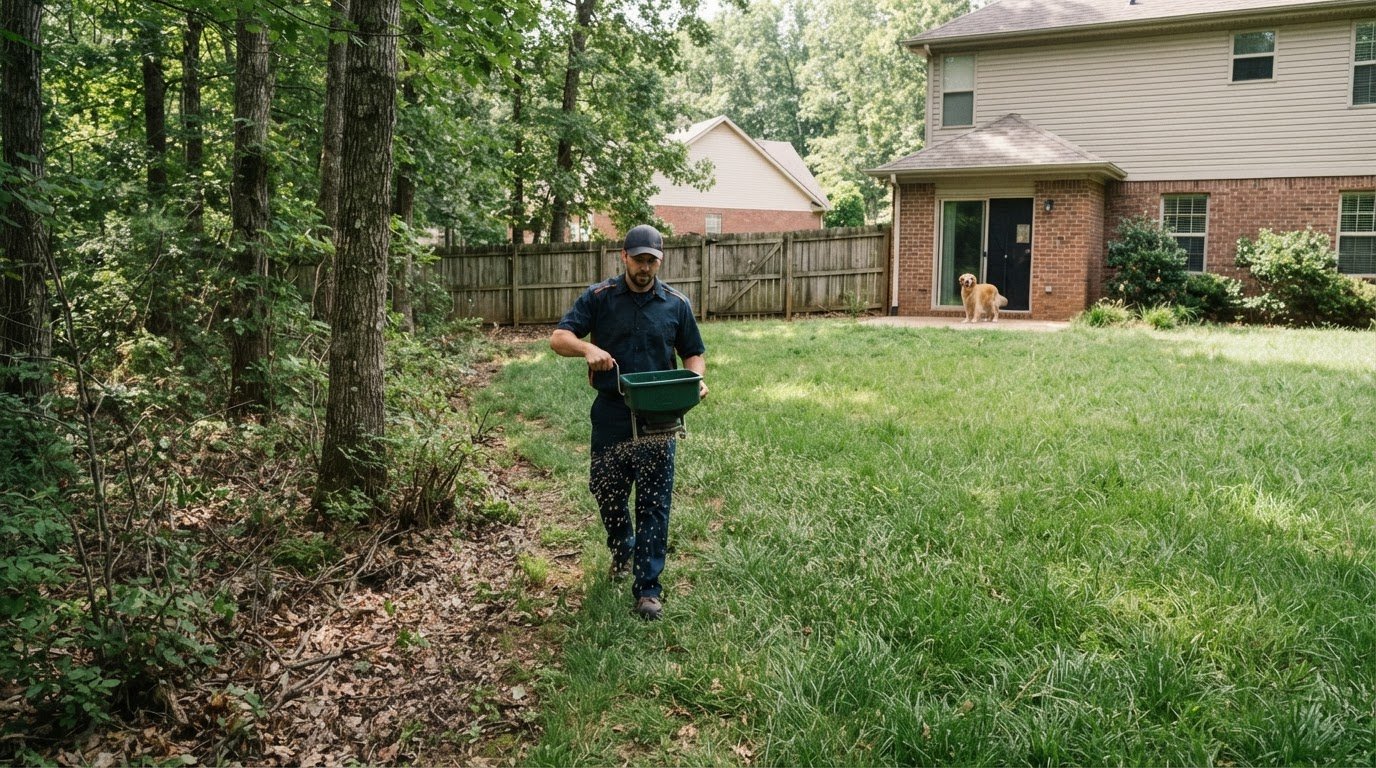
Yard boundaries can also shape how easily ticks move between wooded habitat and maintained turf. A three-foot-wide strip of wood chips or gravel between a Middle Tennessee lawn and woods can create a dry band that ticks are reluctant to cross. Leaving a strip of mulch or gravel between lawn and woods can discourage ticks from moving into the lawn. This boundary measure can be discussed during an inspection, with attention to the transition between wooded areas and the lawn.
Performance Lawns: Residential Mosquito, Tick & Flea Control
Performance Lawns provides residential mosquito, tick, and flea control for homeowners addressing outdoor pest activity. When ticks continue appearing around regularly used turf, this service is a practical next step after considering the yard’s conditions and treatment follow-up.
Targeted pest control complements, but doesn’t replace, checking people and pets after outdoor activity or using veterinarian-approved preventives. Lawn treatments, including fertilization and weed control, support turf care, while residential pest control addresses outdoor mosquito, tick, and flea concerns.
Share where you’ve noticed activity, such as lawn edges or pet routes, so the conversation can focus on your property’s needs. Contact Performance Lawns to discuss residential tick control for your Hendersonville yard.
Make your next yard-care decision with confidence
Choosing professional tick extermination for residential turf in Hendersonville, TN, can be part of a broader plan to make outdoor spaces easier to enjoy. Start by connecting your tick concerns with the condition and use of your property, so the discussion focuses on your yard rather than a one-size-fits-all expectation.
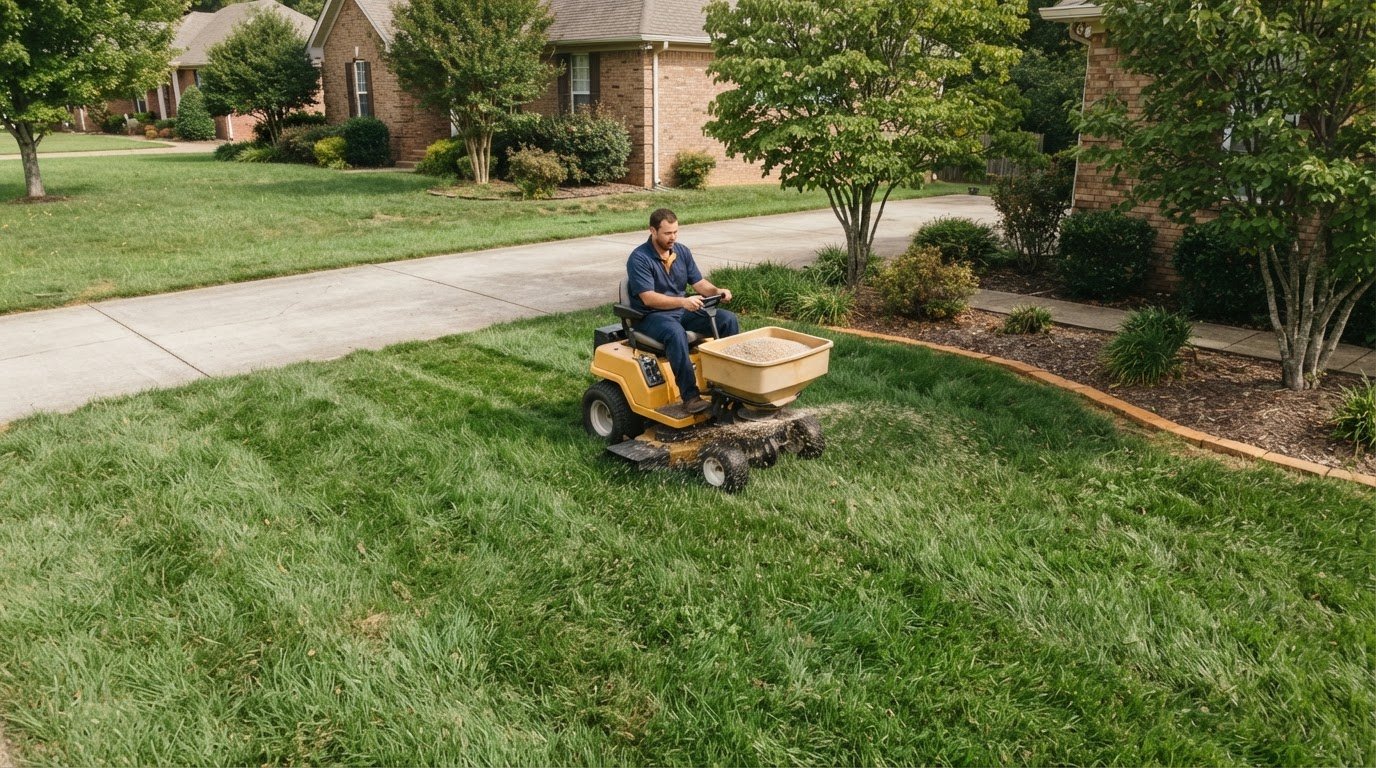
Performance Lawns, INC provides residential mosquito, tick, and flea control, alongside lawn treatments, fertilization and weed control, and residential aeration and overseeding. These services address distinct needs, from outdoor pest activity to turf care, and can support a considered approach to your property.
Bring forward the details that matter most: where you’ve noticed activity, how the yard is used, and what you’d like to improve. That gives the conversation a practical starting point without expecting any treatment to eliminate every tick. Contact Performance Lawns, INC about residential pest control, and take the next step toward a yard that better serves your household.
Frequently Asked Questions
How do I know if I need professional pest control?
Repeated tick encounters around your property, especially after ordinary yard use, are a strong reason to arrange a professional assessment. Note whether ticks appear on pets, near seating areas, or along a route children use to play. Those patterns help distinguish a recurring yard concern from an isolated encounter. Professional treatment may be worth considering when pest activity disrupts how your household uses its outdoor spaces.
What professional services can help prevent a pest problem?
Residential mosquito, tick, and flea control addresses outdoor pest concerns, while lawn treatments and fertilization and weed control support turf care. For homeowners considering tick extermination for residential turf in Hendersonville TN, Performance Lawns, INC provides residential pest control in Hendersonville and nearby Mt. Juliet, Lebanon, and Gallatin. Describe the pest and affected area to help focus the discussion. Tick activity along a pet’s outdoor route, for example, is different from weeds affecting the lawn.
Which tick treatments are effective for residential lawns and landscaping in Hendersonville, TN?
Professional tick extermination for residential turf in Hendersonville TN focuses on outdoor areas where ticks may encounter people or pets. Treatment should reflect reported activity and the property’s layout, not promise complete elimination. Follow the application directions and note which areas were treated. These details give a follow-up discussion useful context about where activity persists.
How often should residential turf be treated for ticks in Middle Tennessee?
Tick programs in Tennessee run twelve months a year, reflecting activity that can extend beyond the warmest season. The treatment schedule should account for local exposure, property conditions, and application directions. A recurring program creates opportunities to reassess yard activity instead of relying on one annual visit. Keep track of sightings between visits so a later assessment can consider where activity has changed.