A lawn that looks finished on opening day still needs a plan to stay healthy. Commercial lawn health programs in Mt. Juliet bring together fertilization, pest control, broadleaf weed treatments, and ongoing maintenance to support attractive, resilient turf. The right mix depends on the property’s condition and needs.
For commercial properties, consistent care matters. Fertilization supports turf health, while targeted weed and pest treatments help manage common pressures without promising a perfect, weed-free lawn. Newly built sites may need a different maintenance rhythm during their first two seasons than established properties, which often have different priorities.
This article explains how these services work together, what can shape a maintenance plan, and how care can be adapted for new and established commercial properties in Mt. Juliet. You’ll learn what fertilization, broadleaf weed control, and lawn pest management can contribute, along with why a coordinated plan can help support a healthier, more attractive landscape over time.
Lawn fertilization
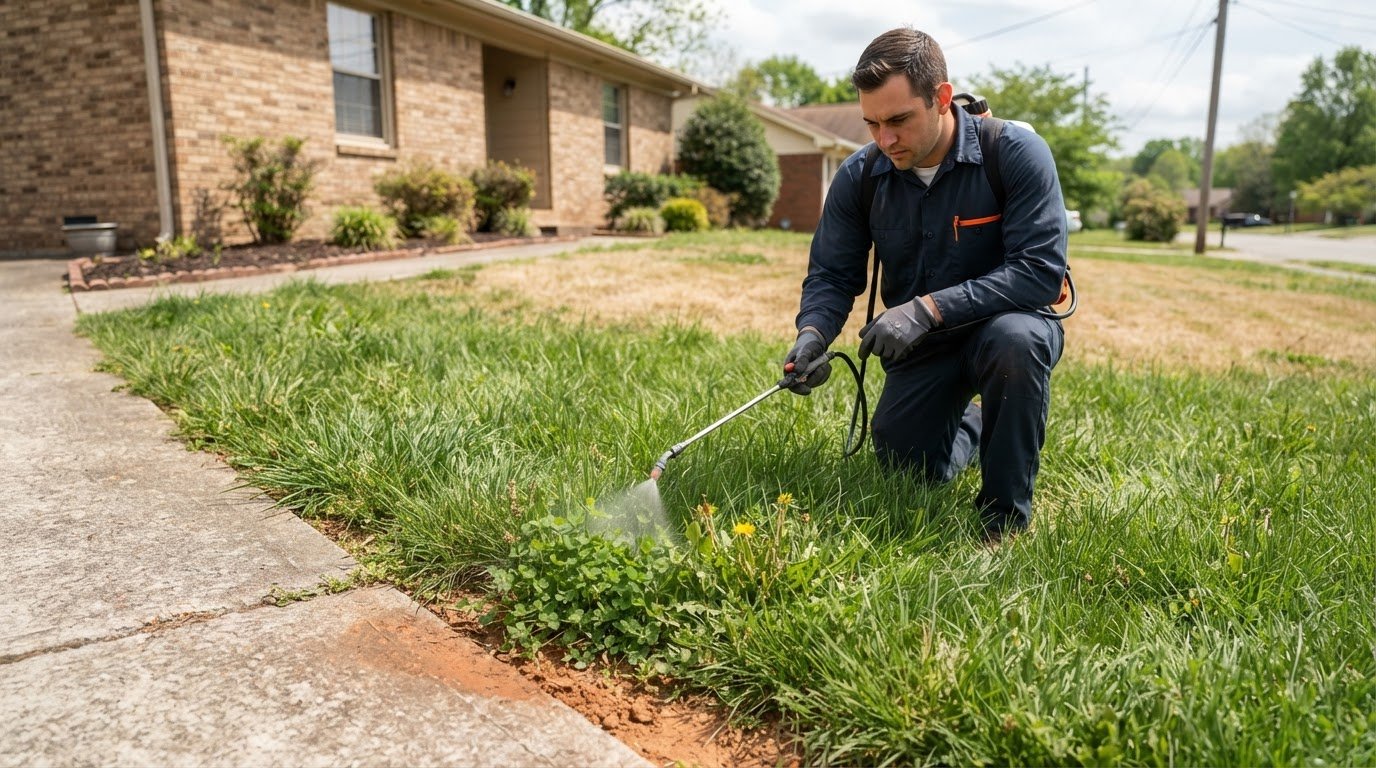
Fertilization supports turf growth, while herbicide treatments help manage common weeds such as crabgrass and dandelions. For commercial properties in Mt. Juliet, Lebanon, Gallatin, and Hendersonville, a program should reflect the grass type, existing turf condition, and site priorities.
Commercial lawn care providers and program plans differ in treatment scope, scheduling, and attention to specific site conditions. Compare what each plan covers, including fertilization, broadleaf weed control, pest control, and how the provider adjusts treatments for fescue or bermudagrass.
Basic Fertilization and Herbicide Program
A basic program combines lawn fertilization with herbicide treatments to support turf and help control common broadleaf weeds. On a commercial site, the service plan should identify the areas receiving treatment and address visible concerns, such as dandelions near an entrance or crabgrass along a parking area. These treatments support lawn care but do not promise a completely weed-free property.
Customized Fertilization and Weed Control
Fertilization and weed control should account for grass type, site condition, and weed pressure. Commercial properties in Mt. Juliet, Lebanon, Gallatin, and Hendersonville may have tall fescue or bermudagrass, and those turf types can call for different treatment considerations. Dallisgrass and Johnsongrass are invasive grassy weeds that can be more challenging to manage than common broadleaf weeds. They may need a separate or targeted approach rather than the treatments used for broadleaf weeds.
Soil and weather also influence lawn care decisions. Heavy clay soil can contribute to compaction and poor drainage, while hot summers can strain lawns without proper watering. A site assessment can identify thin turf, drainage trouble spots, or areas where weeds are taking hold. These observations help set treatment priorities instead of applying the same plan across every section of a property.
Tree and shrub fertilization, along with insect control, may be considered separately from turf treatments. Shrubs beside a building, for example, have different growing needs from grass bordering a sidewalk. A plan should distinguish these landscape areas and state which treatments address turf, shrubs, or insect concerns. This keeps the scope clear for managers responsible for the entire outdoor property.
Tennessee pesticide and fertilizer applications must follow applicable state requirements and product directions. The relevant requirements depend on the product and how it is used, so commercial applications should be planned accordingly. Environmental considerations matter too: treatment choices and placement should reflect site features such as drainage paths and nearby planting beds.
Any service guarantee should clearly state what it covers, since fertilization and weed treatments cannot promise perfect results. For larger commercial properties, inspections and customized plans can help organize treatment areas and priorities. A practical review can identify high-visibility spaces, such as building entrances, and less prominent turf that may need different attention.
For ongoing care, fertilization and weed control treatments can be coordinated around the property’s turf and weed concerns. Bermuda grass that has spread into an established fescue lawn can be extremely difficult to eliminate completely; management focuses on limiting spread and supporting healthy fescue. A targeted plan can also separate broadleaf weed treatments from other lawn concerns.
Broadleaf weed treatments
Broadleaf weeds can disrupt the clean, consistent appearance expected across a commercial landscape. In Mt. Juliet, dandelions are a familiar example, but treatment decisions should start with identifying the weed and the surrounding turf. A tailored approach considers where weeds are growing, how widely they have spread, and whether the grass is actively growing or under stress.
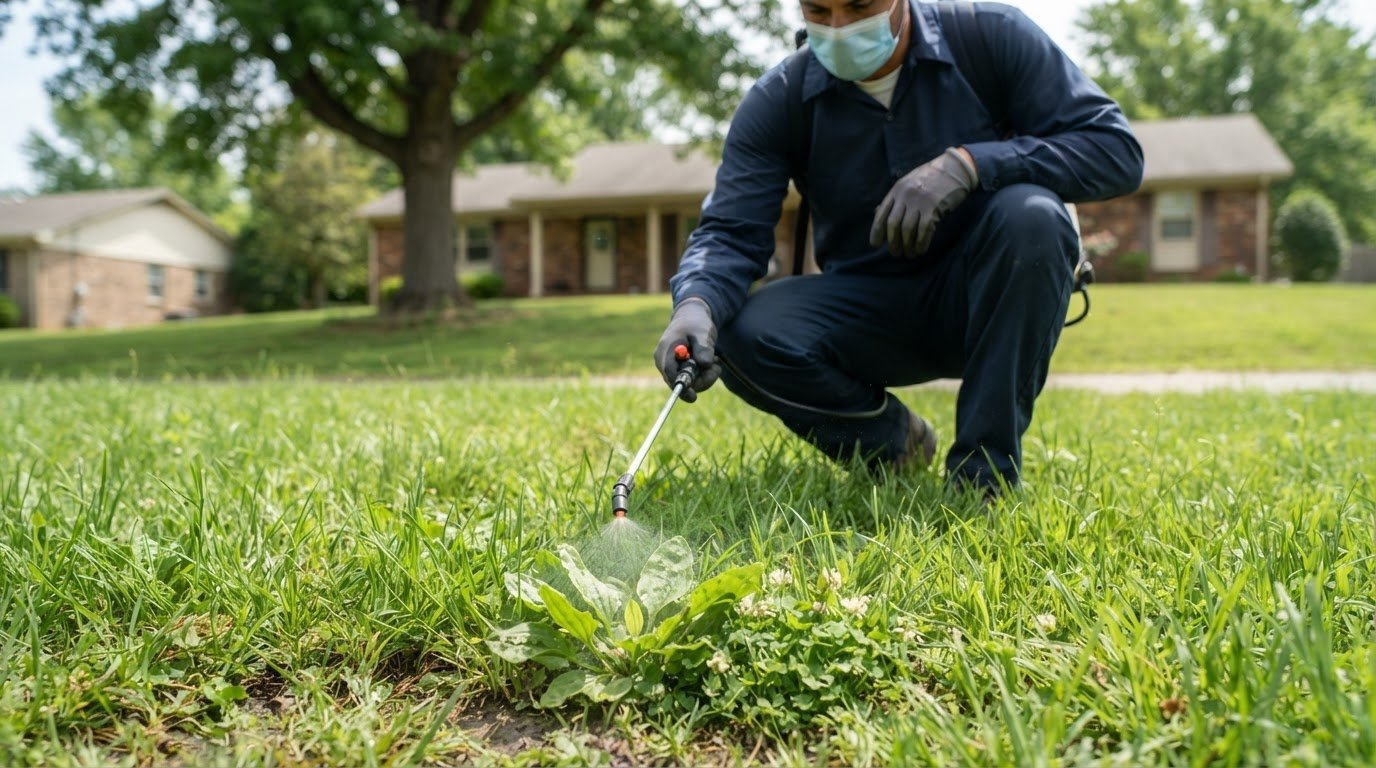
Broadleaf weed control uses treatments selected for the weeds present and the type of turf being managed. A treatment intended for dandelions, for example, should not be assumed to address every unwanted plant or grassy weed. Accurate identification helps set realistic priorities and avoid treating an area without addressing its actual weed pressure.
Seasonal conditions shape how a treatment plan is organized. A professional assesses the lawn’s current condition, the weeds visible in each area, and nearby landscape features before choosing an approach. A dandelion patch beside an entrance may deserve attention because it affects a prominent view, while scattered weeds near a less-used boundary may fit into routine maintenance.
Commercial sites also have different growing environments. Turf beside a shaded building, open parking area, or planted bed may respond differently to seasonal stress. A tailored program accounts for those differences instead of assuming one treatment will suit every section. Fertilization supports healthy turf growth and helps grass compete, while weed treatments address unwanted plants directly. Neither step promises that weeds will disappear completely.
A clear treatment process helps property managers understand the work being planned:
- Identify: distinguish broadleaf weeds such as dandelions from grassy weeds before selecting treatment.
- Prioritize: note high-visibility areas, including entrances, sidewalks, and shared outdoor spaces.
- Adapt: account for turf condition, seasonal growth, and nearby landscape plantings.
That distinction matters because grassy weeds may need a separate approach from broadleaf weeds. Invasive grassy weeds such as Dallisgrass and Johnsongrass can be more challenging to manage than common broadleaf weeds and may require a separate or targeted treatment approach. A broadleaf treatment should not be presented as a solution for every lawn problem. For example, a site with dandelions and grassy weeds may require different decisions for each concern. Clear scope helps businesses understand which issues a seasonal visit addresses and which need separate management.
For commercial properties, the aim is steady weed management and healthier-looking turf, not a guarantee of a weed-free lawn. Discuss broadleaf weed treatment for your property to plan care around its landscape, growing conditions, and visible weed concerns.
Maintenance plans for new and established properties
A newly built commercial property has different lawn priorities from a mature site. Commercial lawn health programs in Mt. Juliet, Lebanon, Gallatin, and Hendersonville should account for that difference, since new properties may need a different maintenance rhythm during their first two seasons. Established turf, by contrast, often benefits from ongoing care shaped by its current condition.
How often are commercial lawns treated under local health programs? Treatment frequency depends on the services selected, turf condition, and seasonal growth. Annual aeration is one lawn care service used in Mt. Juliet; other visits are planned around the property’s needs rather than a universal schedule.
For a new property, the first assessment can identify seeded areas, uneven growth, and sections still filling in. Those observations help prioritize nutrients, weed control, and pest management as the lawn develops. A newly seeded area beside a building may need a different approach from established turf at an office or retail site. The plan should reflect those differences rather than treating every area alike.
Established properties offer a different starting point. Thin turf, recurring disease symptoms, and areas with poor growth can guide maintenance priorities. Managers can also identify high-use spaces, such as walkways and entrances, where foot traffic affects turf. These observations help distinguish regular care from a concern that needs focused attention.
Property planning should account for more than grass. A site review can distinguish turf from planted beds, trees, and shrubs, then clarify the areas included in care. Drainage patterns and compacted soil can affect how air, water, and nutrients reach roots. In Mt. Juliet, Lebanon, Gallatin, and Hendersonville, aeration helps air, water, and nutrients penetrate soil, making it relevant where compaction affects turf.
What steps are needed to enroll a commercial property in a lawn health program? Provide the property location, identify the turf areas and current concerns, and outline maintenance priorities. That information helps define the service scope and recurring plan.
A planning review can organize the key details:
- Property status: distinguish new or seeded areas from established lawn sections.
- Visible concerns: note thin growth, weeds, pest activity, or possible disease symptoms.
- Landscape scope: identify turf boundaries, planted beds, trees, and shrubs.
- Priority areas: mark prominent spaces, such as building approaches, and recurring trouble spots.
These details help Juliet respond to actual property conditions instead of applying an identical routine everywhere. Newly built sites may need adjustments across their first two seasons, while established lawns can follow recurring care based on observed needs. Share your commercial property’s lawn care priorities to begin planning a suitable maintenance approach.
Which providers offer commercial lawn care programs in Mt. Juliet?
Commercial lawn care programs in Mt. Juliet, Lebanon, Gallatin, and Hendersonville vary in scope. One plan may focus on turf treatments, while another may include broader property maintenance. For a business seeking healthier turf, compare the treatment scope, property assessment, and ongoing care rather than assuming every plan covers the same work.
A commercial treatment program is suited to properties needing recurring turf care, such as an office lawn, retail frontage, or shared business grounds. The work may focus on fertilization, weed control, or pest management. These services are distinct from mowing, landscape construction, and irrigation installation, so the plan should identify which lawn health tasks it covers.
The best fit depends on the property, not simply its business category. An office with compact turf strips may need a different service scope from a retail site with broad lawn areas. A new commercial property may also need different attention from an established site. The plan should make those distinctions clear and connect proposed treatments to observed turf needs.
For example, an assessment of a retail frontage might identify thin turf near a walkway and weed pressure along the property edge. A service plan can then describe how fertilization and weed treatments address those areas. For a multi-area site, a mapped scope helps separate treatment zones and clarify expectations across the property.
When evaluating a commercial lawn program, focus on the work and communication the plan describes:
- Site assessment: the provider reviews turf condition, property layout, and visible concerns before shaping a treatment plan.
- Service scope: the plan distinguishes fertilization, weed control, and pest management from services outside lawn health care.
- Property-specific priorities: treatment areas reflect the site, such as an entrance, lawn edge, or established turf section.
- Ongoing care: the plan explains how recurring visits and changing lawn conditions inform future treatments.
Clear communication matters on business properties. A property manager should understand which areas are included, what each treatment is intended to address, and how the care plan adapts when turf conditions change. For instance, a weed treatment plan should describe its goals without promising a completely weed-free lawn.
Businesses in Mt. Juliet, Lebanon, Gallatin, and Hendersonville seeking lawn health care can consider a provider focused on commercial lawn care and turf treatments. A focused program can address fertilization and weed control while keeping its scope distinct from mowing or landscape construction. That clarity helps businesses align the service with their property’s actual lawn care needs.
Providence Marketplace, near I-40 in Mt. Juliet, Tennessee, is a regional shopping center of more than 600,000 square feet. Its scale illustrates why a commercial plan should spell out treatment areas rather than rely on a general description of lawn care. A provider evaluating a property of this kind can clarify which turf sections are included, how site conditions shape priorities, and how recurring visits will be communicated. Businesses comparing programs can use that level of detail to distinguish a defined lawn health plan from broader property maintenance and confirm that the proposed work matches their own grounds.
What services are included in commercial lawn health programs, such as fertilization, weed control, and aeration?
A commercial lawn health program can combine fertilization, weed control, aeration, and pest management. In Mt. Juliet, lawn care services include annual aeration, fertilization, and pest management. The exact mix depends on turf condition, property priorities, and concerns identified during an assessment.
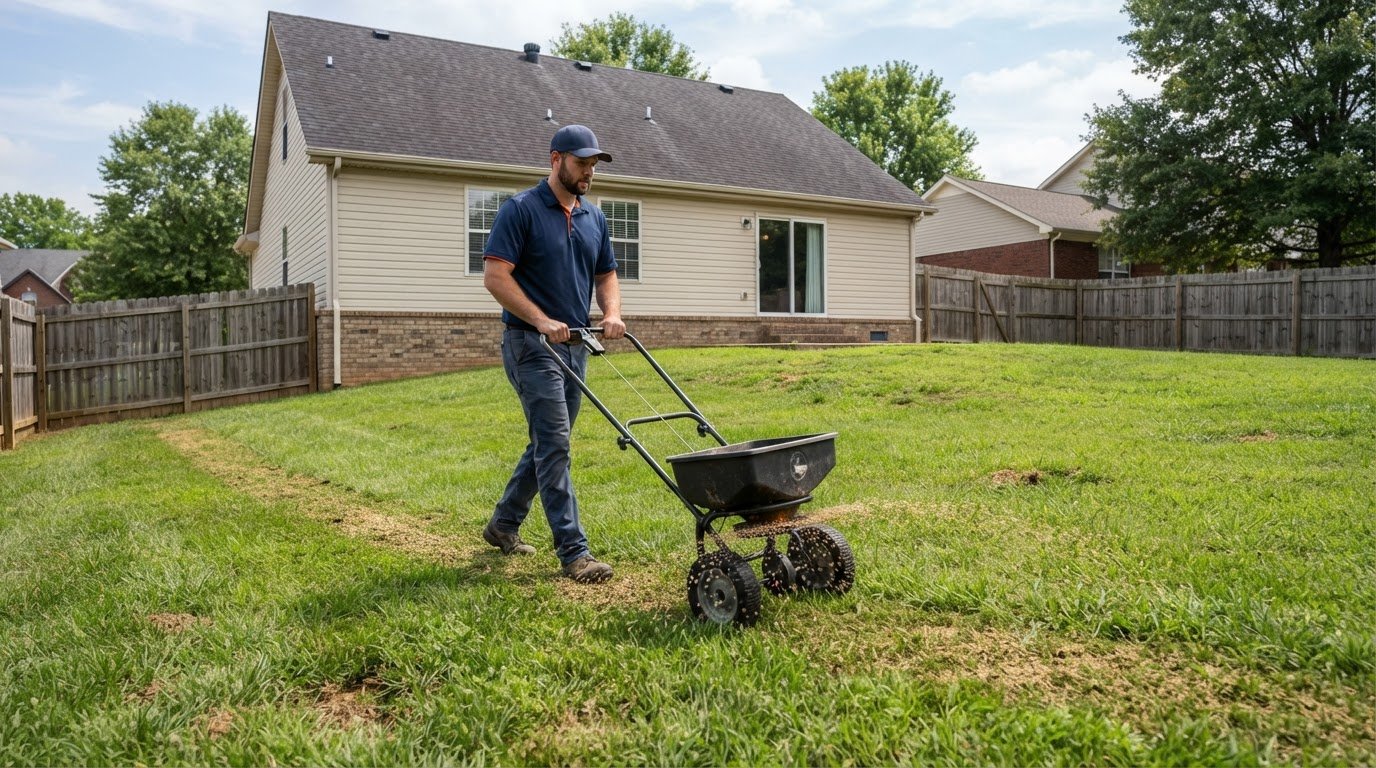
Fertilization supplies nutrients that support turf growth and help maintain a consistent appearance. The treatment plan should account for grass type and the condition of each area, rather than treating every section identically. For example, a thin patch beside a building may need different attention from healthy turf along a property boundary. Fertilization supports grass, but it doesn’t replace weed treatment or pest management.
Weed control addresses unwanted plants that affect a lawn’s appearance and compete with turf. Broadleaf weeds, such as dandelions, are one concern a treatment plan may address. The program should clarify which weeds and lawn areas are included, and whether treatment is intended to manage existing weeds or reduce future weed pressure. Weed control can support a more attractive lawn without promising a completely weed-free result.
Aeration is another service that may be included in a lawn health program. It is relevant where compacted soil makes it harder for turf roots to grow through the soil. A property plan can identify which areas need this work and coordinate it with other lawn treatments. This keeps the service scope clear for property managers overseeing separate turf areas.
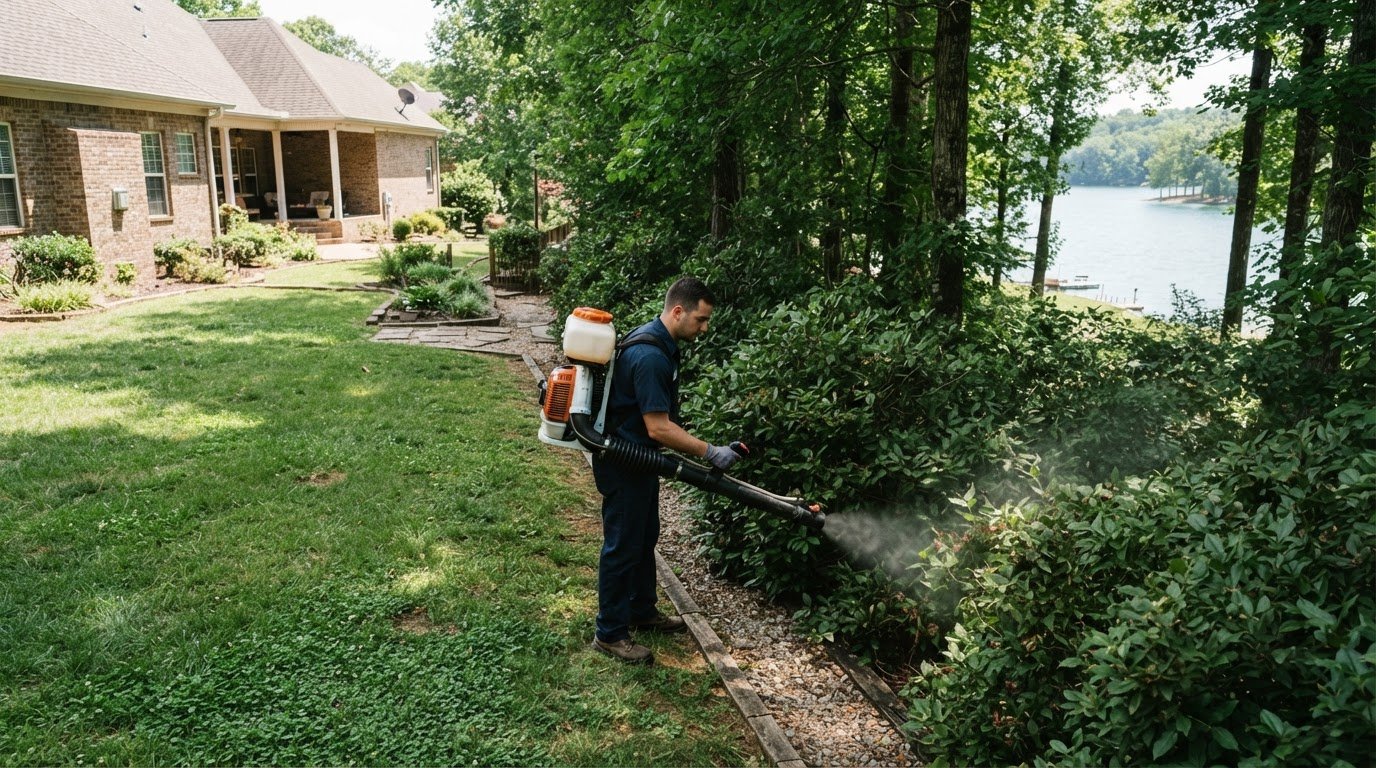
Pest management addresses insect concerns affecting turf. A site assessment can help identify areas showing signs of damage and distinguish those concerns from nutrient or weed issues. The treatment plan should explain which concerns pest management addresses rather than treating it as interchangeable with fertilization or weed control.
Commercial programs can coordinate treatments across different parts of a property. A business may prioritize lawn areas visible to visitors while including other sections in regular care. Clear service descriptions help property managers understand which tasks are included and how each relates to lawn health. Treatment goals should be specific and realistic, especially when different concerns appear in the same area.
A clear program explains its scope in practical terms:
- Fertilization: supports turf growth and nutrient needs.
- Weed control: addresses identified weeds and sets realistic management goals.
- Aeration: targets soil areas where compaction affects turf growth.
- Pest management: addresses insect-related lawn concerns.
To discuss treatment priorities and a suitable program scope for a commercial property, contact the lawn care team.
Performance Lawns, INC
Performance Lawns, INC helps commercial property managers address turf health through lawn treatments and fertilizer and weed control. These services can support properties with concerns such as thin turf, visible weeds, or changing lawn conditions, while keeping treatment goals realistic. The right care depends on the areas needing attention and the property’s priorities.
For a commercial site in Mt. Juliet, this is a practical next step when routine turf care needs a coordinated treatment plan. Contact Performance Lawns, INC to discuss your property’s lawn care needs.
Plan the next step for your property
Choosing lawn care starts with a clear picture of your property’s priorities. Consider which areas need the most attention, what concerns should guide treatment planning, and how the program can adapt as turf conditions change. A focused conversation can help turn those priorities into a practical direction for ongoing care.
Performance Lawns, INC offers lawn treatments and fertilizer and weed control, along with residential aeration and overseeding. These services address different lawn care needs, so the right starting point depends on the property and the work required. For commercial properties, discuss the lawn’s condition and goals to identify a suitable care approach.
Contact Performance Lawns, INC to talk through your commercial lawn care needs and take a considered next step toward a healthier, more attractive property.
Frequently Asked Questions
Which lawn health programs do commercial lawn care companies offer in Mt. Juliet, TN?
Commercial programs can include lawn care, fertilization, and weed control. In Mt. Juliet, Lebanon, Gallatin, and Hendersonville, Performance Lawns, INC offers commercial lawn care and fertilizer and weed control for residential and commercial properties. A property manager can identify areas needing attention, such as turf around a business entrance or lawn beside a parking area, so the service discussion can focus on those priorities and the appropriate treatment scope.
What lawn pests, weeds, and diseases are common in Mt. Juliet, and how are they managed?
Grubs and chinch bugs can damage lawns; crabgrass and dandelions are common weeds. A tailored plan can use targeted pest control and weed treatments based on the turf, site conditions, and visible concerns. Brown patch and dollar spot are typically manageable through a lawn disease program; Pythium can spread rapidly and be much harder to manage. Results depend on the disease, conditions, severity, and timing.