

A stronger weed killer isn’t always the right choice for your lawn. Selective weed spraying in Lebanon, TN targets certain weeds while leaving compatible turf largely unharmed. Non-selective products can damage or kill most plants they contact. The right approach starts with identifying both the weed and the grass it’s growing in.
It makes sense to want effective weed control without harming healthy turf. Weeds respond differently depending on their type, growth stage, and surrounding conditions. Selective herbicides generally work best while weeds are actively growing, often from spring through early fall, so local timing matters as much as product choice.
This article explains how selective and non-selective weed killers differ, which weeds may call for a targeted treatment, and how application timing and follow-up monitoring shape results. You’ll also learn what safety precautions matter around children and pets, and why some grassy weeds may need a different approach than common broadleaf weeds. The goal is informed, ongoing weed control that supports a healthier Lebanon lawn.
Herbicide application and ongoing monitoring
Effective spraying starts with matching the treatment to the weed and turfgrass. Weather, seasonal growth, and follow-up observations all inform the application plan.
Weather Conditions for Application
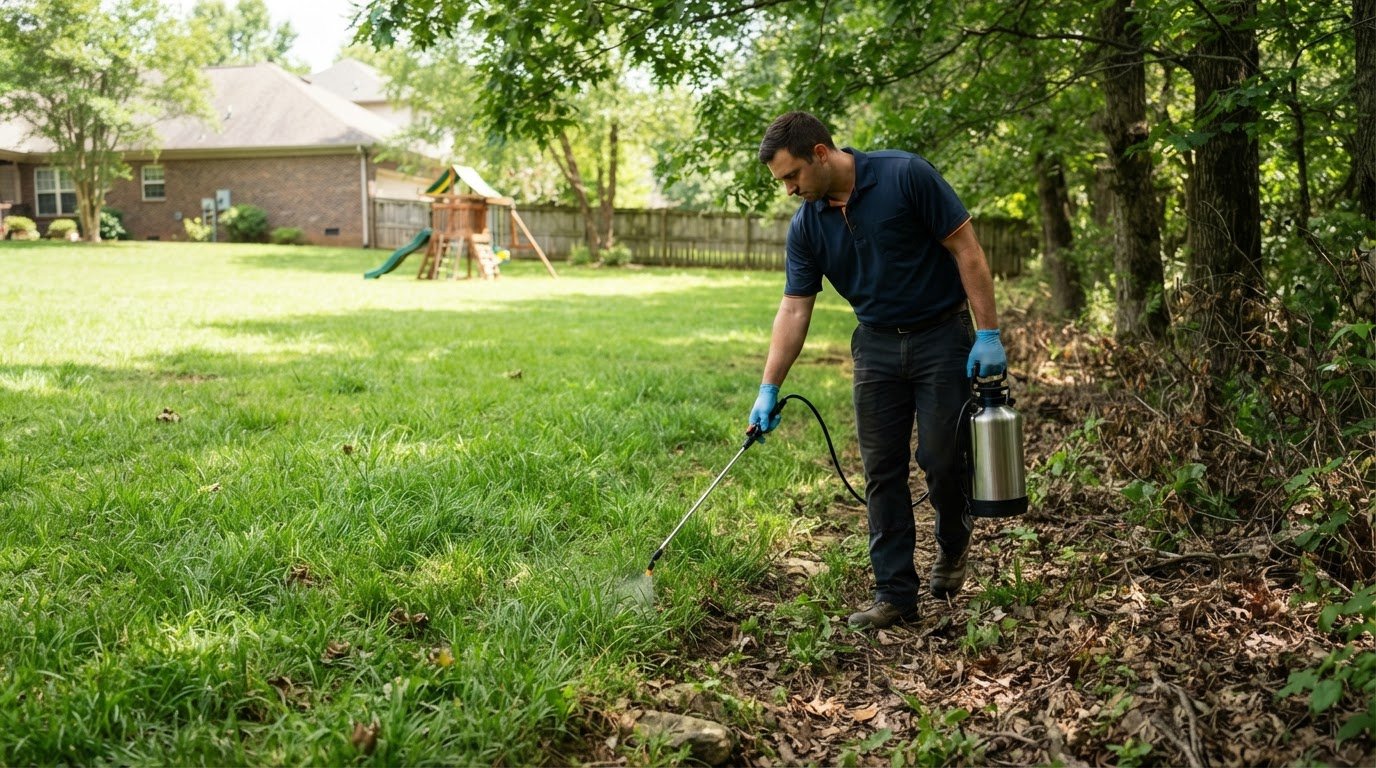
Rain can interfere with a selective herbicide before leaves absorb the treatment. Avoid spraying just before rain so the product has time to work; many modern herbicides become rainfast within a few hours after application. Wind matters, too, because spray can drift onto nearby plants. Professionals assess the forecast and wind conditions to choose an application window that limits runoff and off-target contact.
Seasonal Application Timing
Selective herbicides generally perform best while weeds are actively growing, typically from spring through early fall. In Lebanon, Tennessee, the right window depends on weed growth and turf condition, not just the calendar. Pre-emergent treatments are commonly timed for early spring and fall, before weed seeds germinate. A split seasonal approach can address separate germination periods, while post-emergent treatment targets weeds already growing.
Lawn Preparation for Professional Selective Spraying
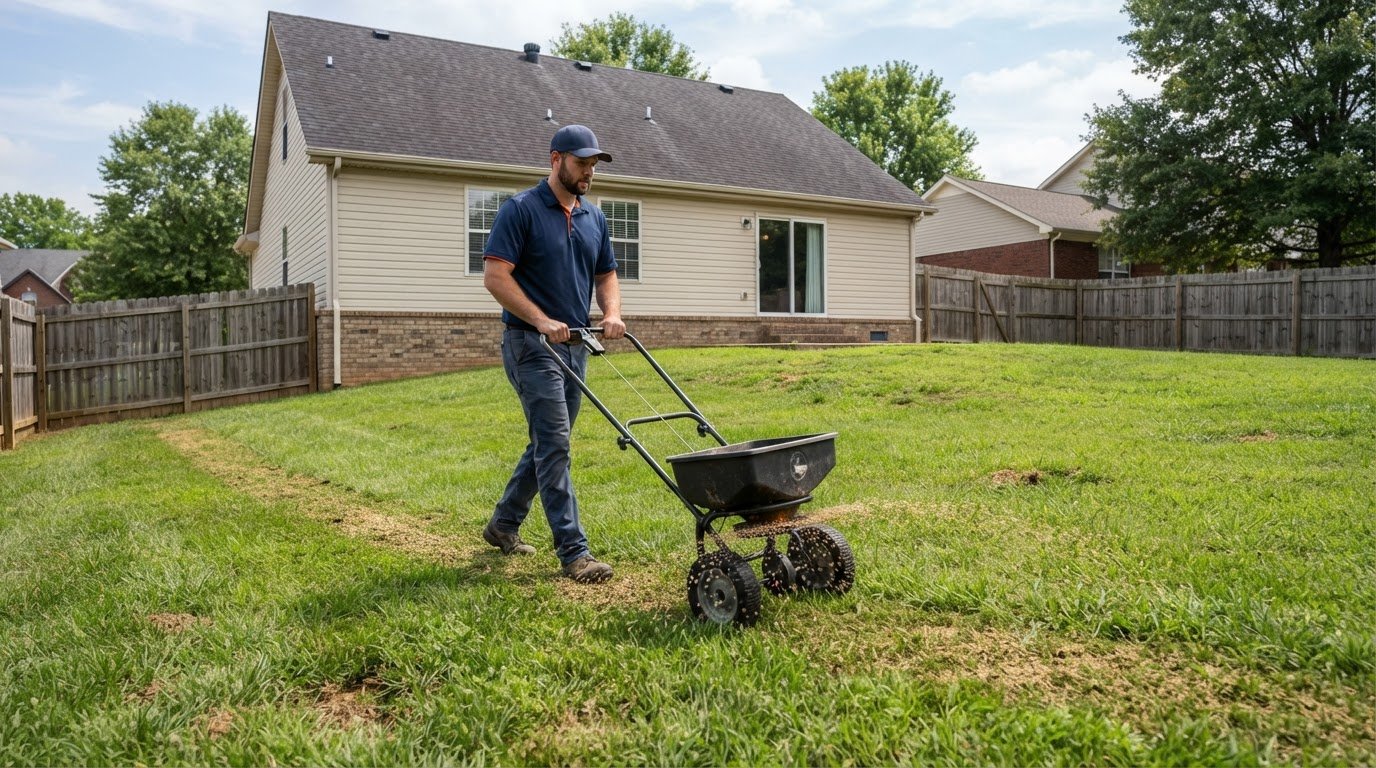
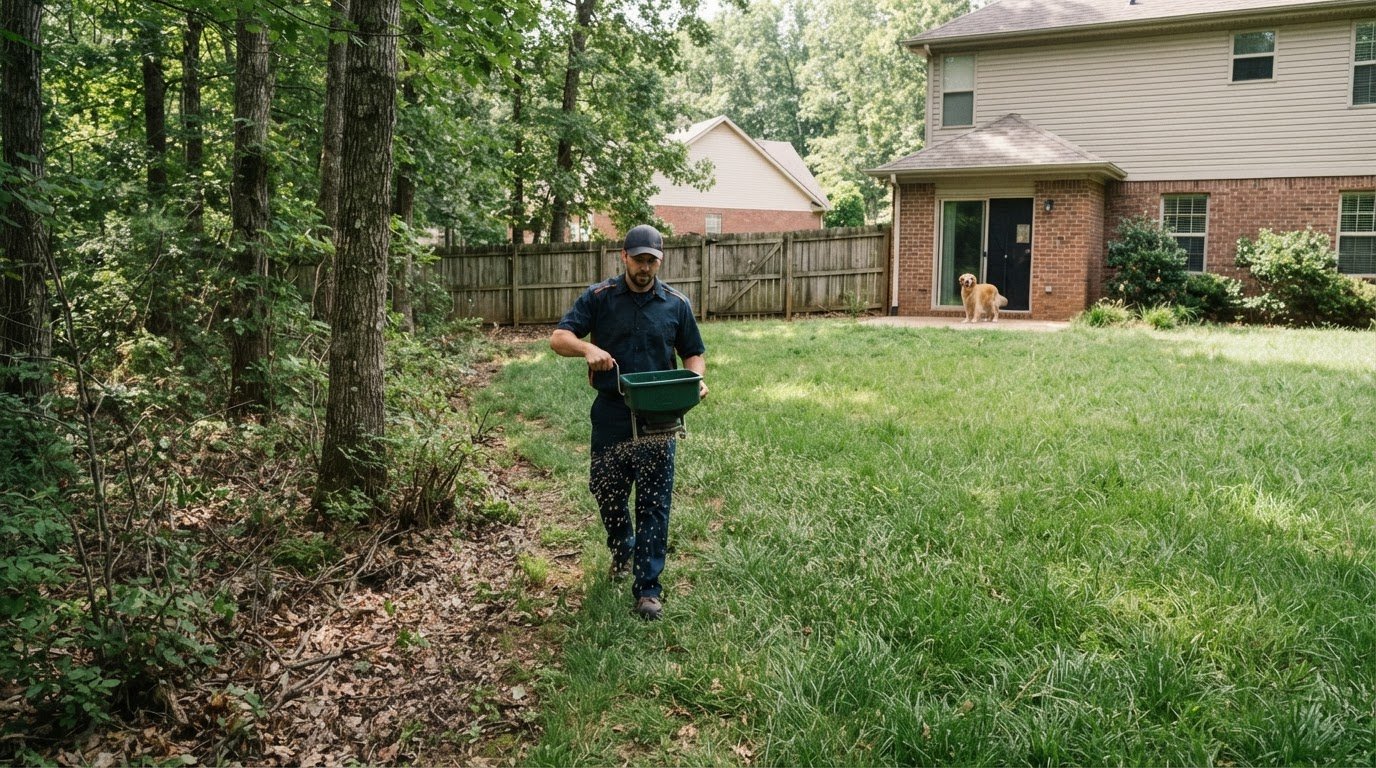
Before treatment, identify the areas that need attention and share details of any recent lawn treatments. This helps professionals assess visible weeds, turfgrass, and treatment history before choosing an approach. Move people, pets, toys, and outdoor items away from the application area. Keep children and pets off treated grass until the product has dried or been watered in, as directed for the treatment.
Before spraying, professionals inspect the lawn for weed type, density, and turf condition. Broadleaf and grassy weeds can require different treatments. Dallisgrass and Johnsongrass, for example, may need a targeted approach because they can be harder to manage than common broadleaf weeds. Bermuda grass spreading into an established fescue lawn is extremely difficult to eliminate completely. Management focuses on limiting its spread, reducing its presence, and helping the fescue stay healthy and competitive.
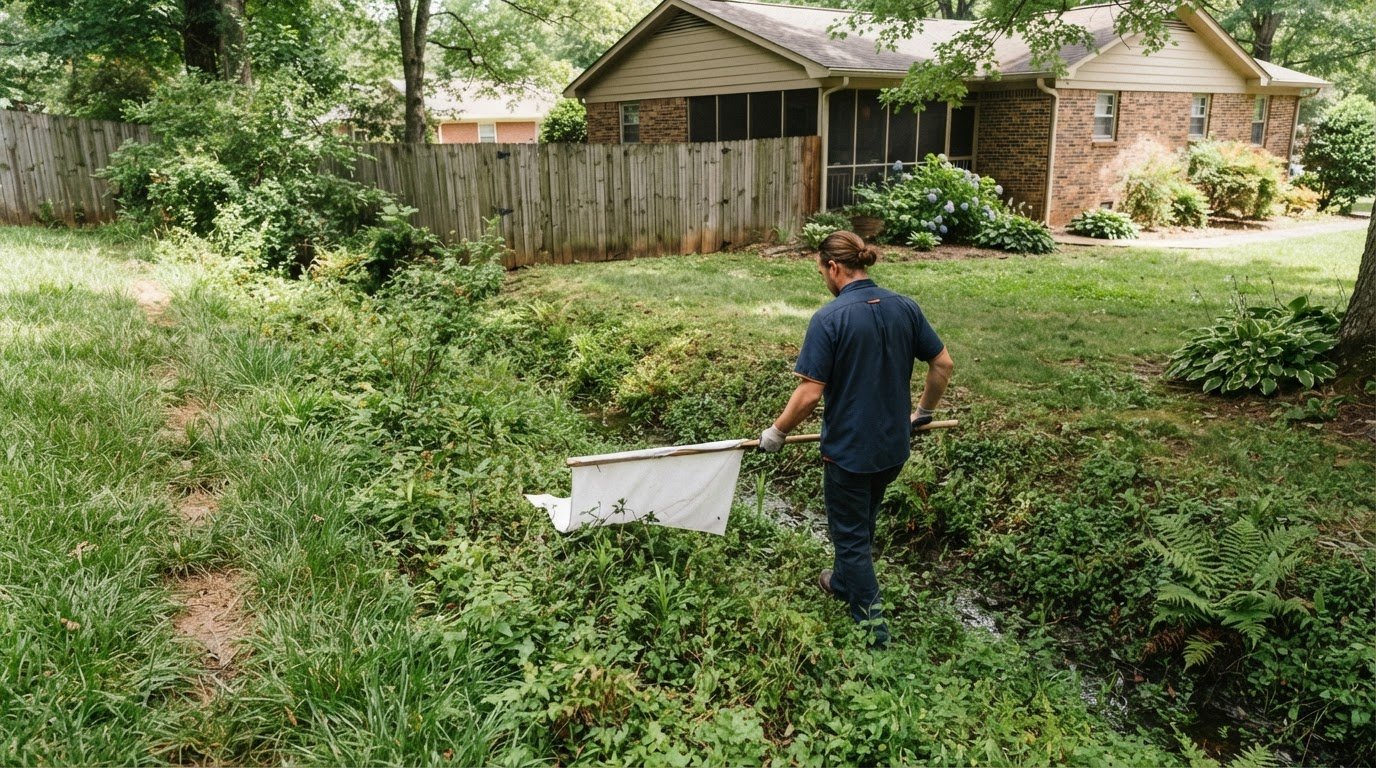
After application, monitoring shows how weeds respond and whether additional treatment is appropriate. Most established weeds may require one to two applications, spaced several weeks apart, particularly perennial weeds with deep roots. The interval gives the treatment time to affect the plant and allows professionals to evaluate remaining growth. A second application isn’t automatic; weed species, visible response, and turf condition guide the next decision.
Follow-up checks help distinguish a slow response from a poor match between treatment and weed. Professionals look for changes in targeted plants and check that desirable turf remains in suitable condition. If weeds persist, they reassess identification and timing before another treatment. Seasonal monitoring matters, too: post-emergent spraying addresses visible growth, while pre-emergent applications target seeds before germination. Together, these steps support ongoing weed control without treating every lawn or weed the same way.
To support ongoing weed control, a plan may pair a post-emergent selective herbicide with a pre-emergent herbicide applied before weed seeds germinate. This approach addresses existing weeds and may help manage future emergence; results depend on the weeds, timing, and lawn conditions.
Post-emergent and pre-emergent weed control
Pre-emergent and post-emergent treatments suit different stages of a lawn’s weed-control plan. A professional assessment considers what is growing, where it appears, and how the turf is responding. Those observations help determine whether the next step should address new emergence, visible plants, or both.
Two different treatment roles
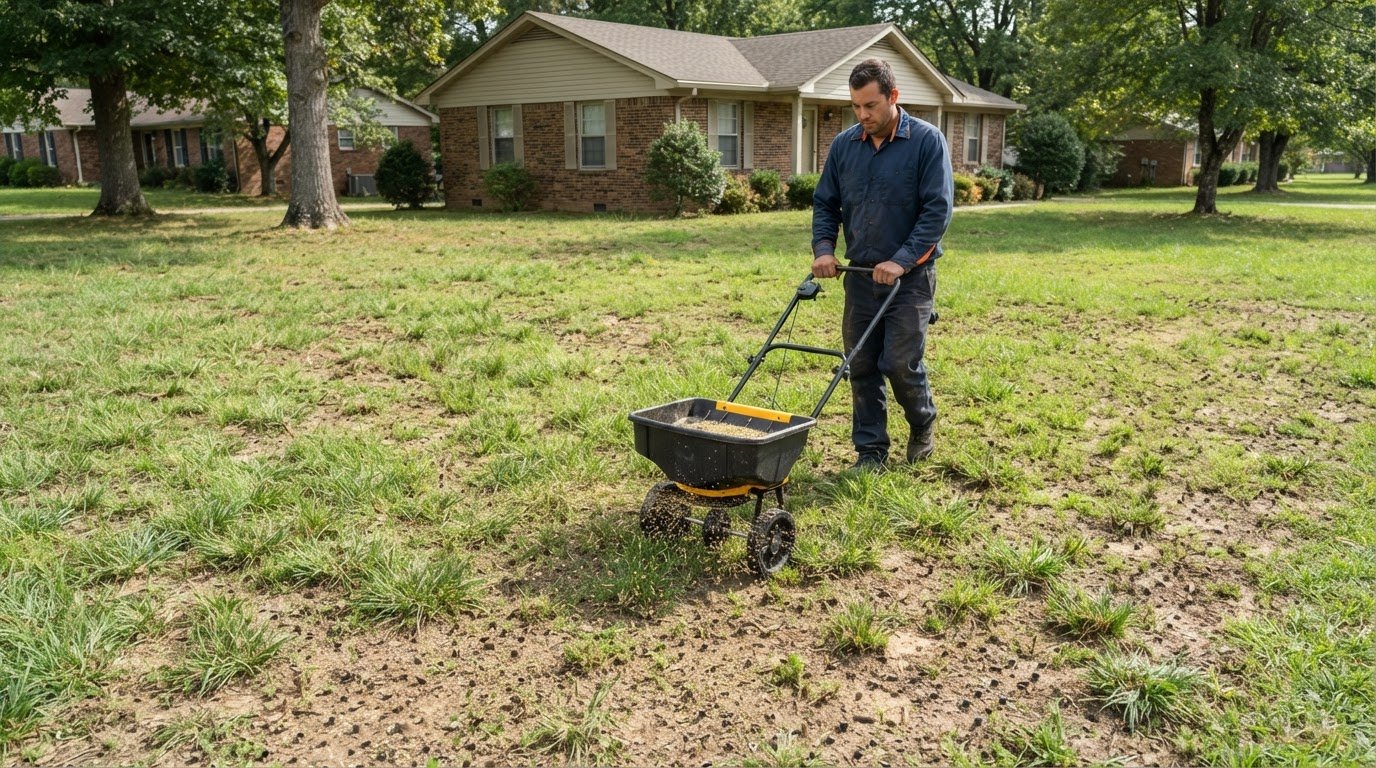
Pre-emergent products are intended to act before targeted weed seeds sprout. They don’t remove established plants, so existing growth needs a different strategy. Professionals consider the lawn’s condition and treatment history before planning an application. A patch that appeared after earlier treatment may call for a different response than new seedlings spread across an open area.
Timing and coverage determine how a pre-emergent treatment fits the plan. Professionals consider where weeds tend to appear, whether the lawn has bare or thin spots, and whether conditions suit the application. These details help determine whether a broad lawn application or a more limited treatment is appropriate for the property.
Selective post-emergent treatment
Post-emergent products address weeds that are already visible. The professional considers the target plants, the surrounding turf, and whether the lawn can tolerate the selected treatment. A stressed or damaged weed may respond differently from one with healthy, actively growing foliage. These observations guide product choice and application decisions.
Follow-up is part of the process. After treatment, professionals observe the target area and surrounding grass, then use those results to inform next steps. If plants remain active, the cause may involve timing, identification, or the fit between the treatment and the lawn. Reviewing these factors supports a more thoughtful plan than automatically repeating an application.
Grass type changes the choice
Grass species can respond differently to herbicide ingredients. St. Augustine and centipede grasses are sensitive to certain ingredients tolerated by Bermuda and Zoysia. Professionals identify the lawn’s turf before selecting a product. This helps avoid choosing a treatment based only on the weed’s appearance, without considering the grass that needs protection.
In mixed or transitioning lawns, the desired turf may vary from one area to another. Treatment decisions should account for those differences instead of assuming one product suits every section. Professionals consider turf species, lawn condition, and weed locations together, then plan applications for the specific property.
Reviews of weed control services in Lebanon, TN, can offer useful context when they describe how a company communicates, explains treatment decisions, and follows up. Look for examples that resemble your lawn’s conditions rather than relying only on broad statements about results.
For Lebanon lawns, an informed treatment plan starts with the property’s turf and current weed activity. Contact Performance Lawns, INC to discuss the conditions affecting your lawn.
Child and pet safety precautions
Household routines can shape a lawn treatment plan. Before an appointment, identify where children play, where pets usually roam, and which gates connect those spaces. A playset beside the lawn or a dog’s route to the backyard can affect how the application area is organized. Sharing these details helps the applicator account for how you use the property.
Before the application
Walk through the property with household use in mind. Point out play areas, pet runs, vegetable gardens, and outdoor water bowls. Tell the applicator about shared gates or paths connecting the treatment area to other parts of the yard. These details help clarify the work area and reduce confusion at home.
Move portable items, including toys, bowls, and pet bedding, away from the area scheduled for treatment. If a child’s play equipment is near the lawn, point it out before work begins. Let other caregivers know an application is planned, too. A shared understanding helps prevent belongings from being moved into the work area unintentionally.
Household communication
Make the treatment area clear to everyone who uses the yard. A simple message naming the affected lawn section helps a babysitter, dog walker, or family member avoid misunderstandings. If the property has several lawn sections, describe them using recognizable features, such as the grass beside the patio or the strip near the driveway.
Keep the product information and application guidance together for household reference. This gives caregivers a consistent source for treatment-specific instructions instead of relying on memory or a secondhand description. If a pet has access to several parts of the yard, communicate which areas were treated and what directions apply.
Plan around everyday routines
Consider outdoor activities when arranging lawn treatment. A family gathering, a child’s playtime, or a dog walker’s usual visit may make another appointment window more practical. Sharing the schedule helps the applicator understand how the yard is used and coordinate the treated area accordingly.
For households with children and pets, preparation is a shared effort. Identify activity zones, move portable belongings, and give clear instructions to everyone who supervises the yard. These steps help organize the treatment plan and make it easier to manage lawn care alongside family routines.
Broadleaf versus grassy weeds
Broadleaf and grassy weeds look different, but mowing can make identification harder. Broadleaf plants often have wider leaves and branching growth. Grassy weeds usually have narrow blades that resemble the surrounding turf. Recognizing these differences helps you describe the problem accurately and supports a treatment plan based on the plants present.
How the two groups look
Dandelions form clusters of broad leaves close to the soil, while clover has rounded leaflets. Their shapes can stand out against fine-bladed lawn grass. Grassy weeds such as crabgrass have blade-like leaves and may appear in clumps or spread across thinner turf. Seed heads can also help distinguish an unwanted grass from the surrounding lawn.
A plant’s appearance can change as it matures or gets cut by a mower. A young grassy weed may be difficult to distinguish from turf by leaf shape alone. Professionals also consider its growth pattern, where it appears, and whether it forms a separate patch. These clues help avoid misidentifying desired grass as an unwanted plant.
Why identification matters
Broadleaf and grassy weeds may call for different treatments. Dandelion or clover in a lawn presents a different identification task from crabgrass among similar-looking turf. Dallisgrass and Johnsongrass are grassy weeds that can be more challenging to manage than common broadleaf weeds and may require a separate or targeted treatment approach. Accurate identification helps professionals distinguish the target plant from the lawn and choose an appropriate approach.
Location provides useful context. A plant along a lawn edge may have spread from a nearby bed, while a cluster in thin turf may point to an opening where weeds can establish. Those patterns don’t identify a weed on their own, but they help describe its spread and inform evaluation of the affected area.
What a professional assessment considers
Professionals examine leaf shape, growth habit, and surrounding turf together. They compare a suspected weed with nearby healthy grass and note whether it grows upright, creeps outward, or forms a distinct clump. Bermuda grass within a fescue lawn also requires accurate identification. This helps keep the lawn’s desired grass in mind when planning management.
Mixed lawns may contain more than one weed type. A broadleaf patch beside a grassy-weed cluster shouldn’t be treated as one uniform problem. Identifying each area helps professionals explain which plants are targeted and why treatment choices may differ. It also gives future checks a useful reference: the same patches can be monitored for changes after treatment.
For Lebanon lawns, identifying the weed group is a helpful first step toward focused control. Leaf shape, growth pattern, and surrounding grass offer practical clues. Distinguishing broadleaf from grassy weeds makes treatment discussions more specific to the lawn.
Weed control companies near Lebanon TN and service areas
For a Lebanon, Tennessee lawn, local service starts with the property’s location and condition. A useful assessment considers the grass, weed distribution, and areas needing treatment. The address matters, too: a Lebanon location is a clearer starting point than a broad regional label. These details help shape a plan around the actual lawn rather than a generic map or description.
What a local assessment should cover
A professional evaluation connects the address with the lawn’s specific needs. The assessment should distinguish the affected areas, identify the turf, and note visible weed patterns. A front lawn with scattered growth may need a different plan from a backyard with dense patches. Clear notes about gates, pets, and access also help organize the visit and treatment safely.
Local conditions inform scheduling, but the application still depends on the property. Rain in the forecast can change the treatment window, and active weed growth can influence timing. A provider serving Lebanon should explain how those factors affect the visit. The goal is a practical plan, not a fixed promise that ignores the lawn or weather.
Service details that affect the plan
Professional weed control involves more than applying a treatment. The service should account for target weeds, surrounding turf, and follow-up needs. Visible broadleaf growth and persistent grassy weeds, for example, may call for different approaches. A clear service description explains which areas are included and how treatment observations inform later decisions.
- Property location: The Lebanon address helps define the service visit.
- Lawn condition: Turf type, weed patches, and access shape the assessment.
- Application timing: Weather and active growth affect the treatment window.
- Follow-up: Later observations help guide ongoing weed management.
Reviews and local expectations
Reviews for weed control near Lebanon are most useful when they describe the service, not just a star rating. Specific comments about scheduling, communication, and follow-up provide practical context. A review mentioning the lawn’s grass type or treatment area is more relevant than a general claim about results. Every property differs, so reviews can inform expectations without predicting the same outcome elsewhere.
Local service should also make the next step clear. A homeowner can share the Lebanon property address, describe visible problem areas, and mention access details. Those specifics help connect the service visit to the lawn’s actual needs. Request a weed control assessment to discuss your Lebanon lawn and treatment needs.
Seasonal timing is another point to clarify when discussing a local plan. Pre-emergent weed-control treatments are generally applied in early spring and fall. That schedule is a useful starting point, not a promise that every Lebanon property will receive the same treatment at the same time. Ask how the proposed timing relates to the lawn’s condition and service, and what information is needed before setting a visit. A specific explanation keeps expectations tied to the property.
Performance Lawns, INC
Performance Lawns, INC helps Lebanon homeowners manage unwanted weeds with professional lawn treatments and ongoing care. For selective weed spraying in Lebanon TN, the approach considers the weeds present, surrounding turf, and application timing. This helps match treatment decisions to the lawn instead of treating every weed or grass type alike.
Its Weed Control and Fertilization service supports a broader lawn care plan, with attention to healthy turf and recurring weed pressure. If grassy weeds such as Dallisgrass or Johnsongrass are present, a targeted approach may be needed alongside typical broadleaf weed control. Performance Lawns, INC can assess the lawn and recommend an appropriate next step.
Contact Performance Lawns, INC to discuss selective weed spraying for your Lebanon lawn.
Plan the next step for your Lebanon lawn
Choose a lawn-care goal that fits how you use your outdoor space. You might want clearer lawn edges, healthier turf in high-use areas, or a plan for recurring weed pressure. For selective weed spraying in Lebanon, TN, start with a focused conversation about your lawn’s priorities and the areas needing attention.
Performance Lawns, INC offers Lawn Treatments and Weed Control and Fertilization for ongoing lawn care. Residential Aeration & Overseeding is also available when your priorities extend beyond weed treatment. Each service addresses a different need, so the conversation can focus on what matters for your property rather than a one-size-fits-all approach.
Think about which parts of the lawn you want to enjoy more and what changes would make the biggest difference. Contact Performance Lawns, INC about your lawn to discuss a practical next step and keep moving toward an outdoor space you’re proud to call your own.
Frequently Asked Questions
How is a selective weed killer different from a non-selective one?
A selective weed killer is chosen to affect certain weeds while remaining compatible with particular turfgrass. A non-selective herbicide can damage or kill most plants it contacts. For example, selective treatment may suit clover growing in a lawn, while non-selective products can harm nearby grass and ornamentals. This distinction helps guide product choice around planting beds, trees, and other desirable vegetation.
What is a selective herbicide?
A selective herbicide is designed to target certain plants under specific conditions. Its selectivity depends on the weed, the turfgrass, and the product’s directions. It doesn’t mean the product affects only weeds in every situation. For instance, a treatment suited to a broadleaf weed may not suit every grass type or control a grassy weed such as crabgrass.
Are selective weed spraying services available in Lebanon, TN?
Performance Lawns, INC offers lawn treatments and Weed Control and Fertilization for properties in Lebanon, Mt. Juliet, Gallatin, and Hendersonville. For selective weed spraying in Lebanon, TN, the treatment plan can account for grass type, visible weeds, and property needs. Sharing which areas are affected helps focus the discussion on practical weed management for your lawn.
When can pets and children return after lawn herbicide application?
Keep children and pets off treated grass until the product has dried or been watered in, as directed for that treatment. For example, block a dog’s usual route across the lawn and keep toys away from treated areas during that period. Follow the application instructions provided, since the return condition depends on the product used, not simply a set number of hours.
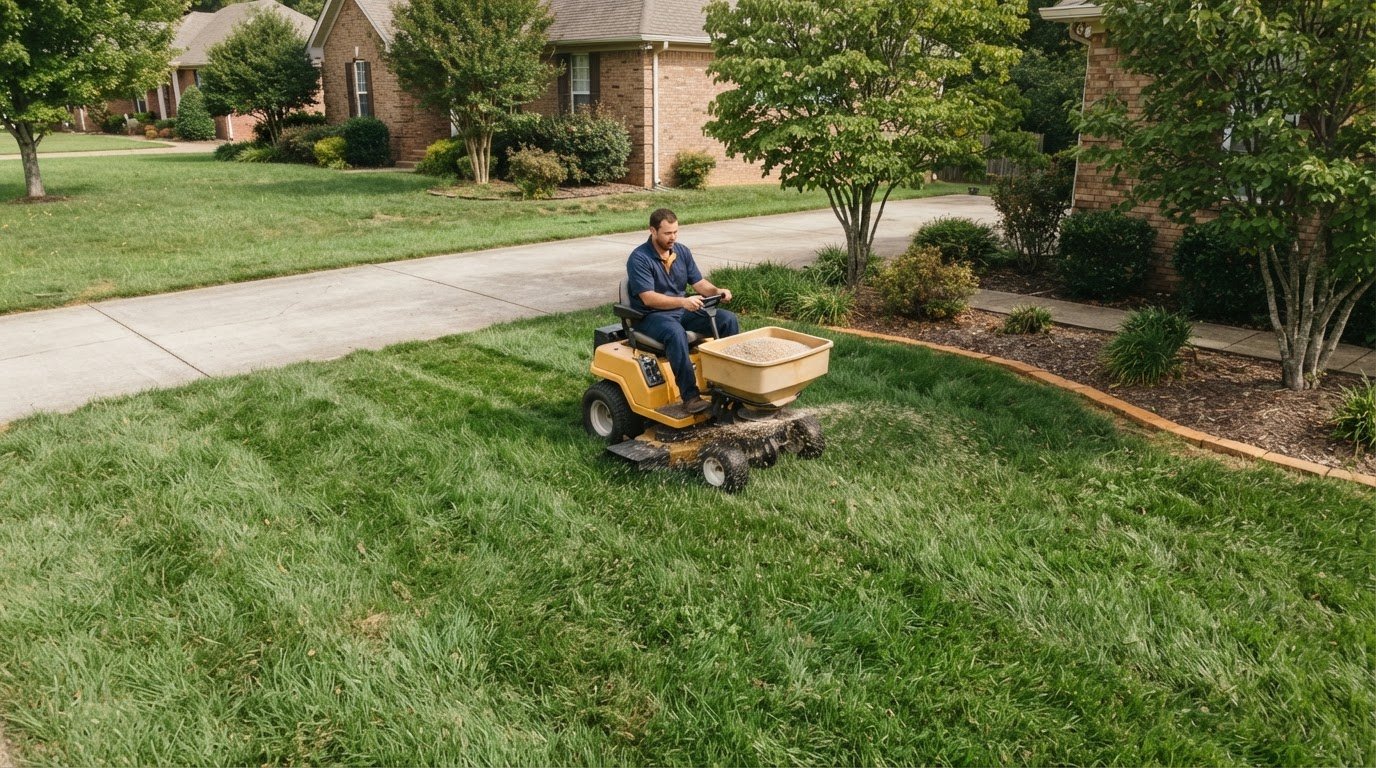
What is the difference between selective spraying and broadcast weed treatment?
Selective describes which plants a herbicide targets; broadcast describes how widely it’s applied. A selective herbicide can be broadcast across a lawn when target weeds are spread throughout compatible turf. Spot treatment focuses on particular patches. The choice depends on weed distribution, turf type, and the treatment plan. For example, isolated clover patches may call for a different application pattern than widespread weeds.