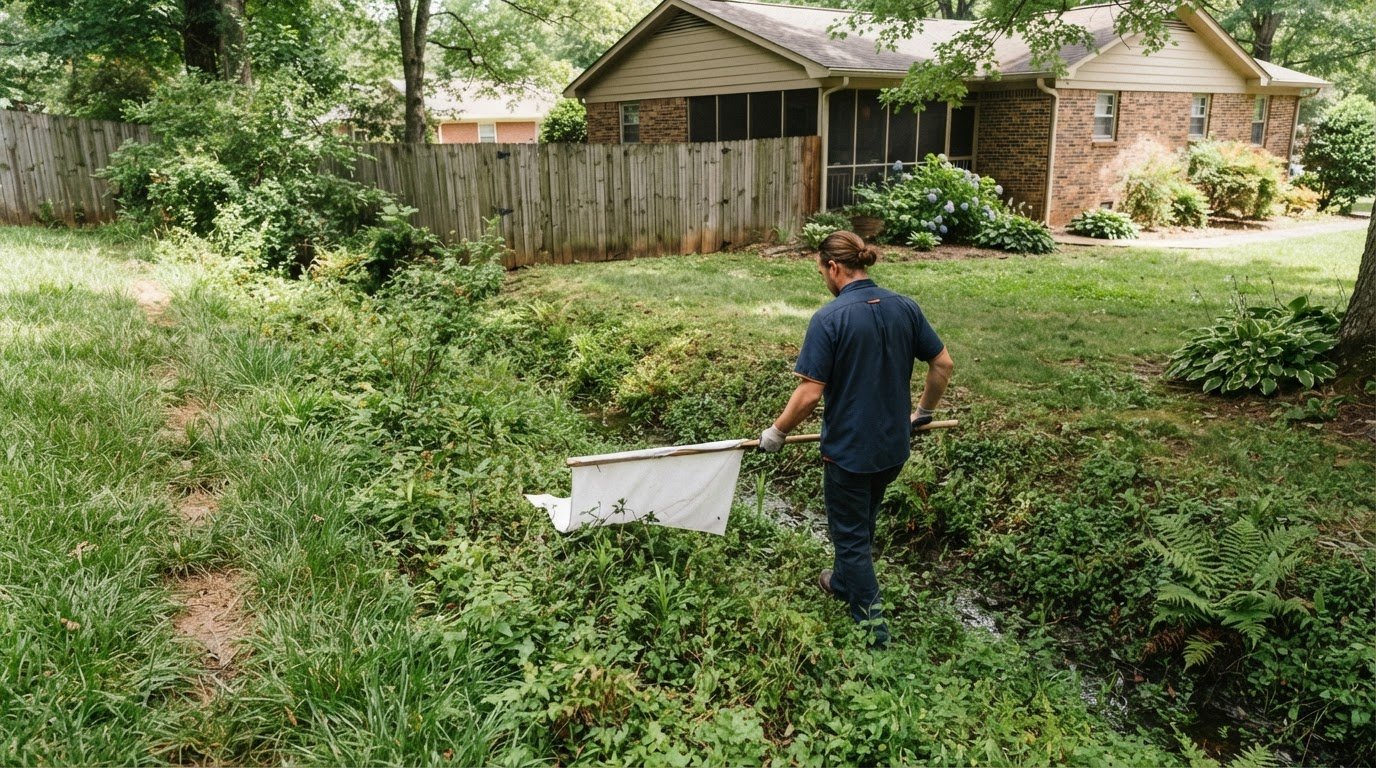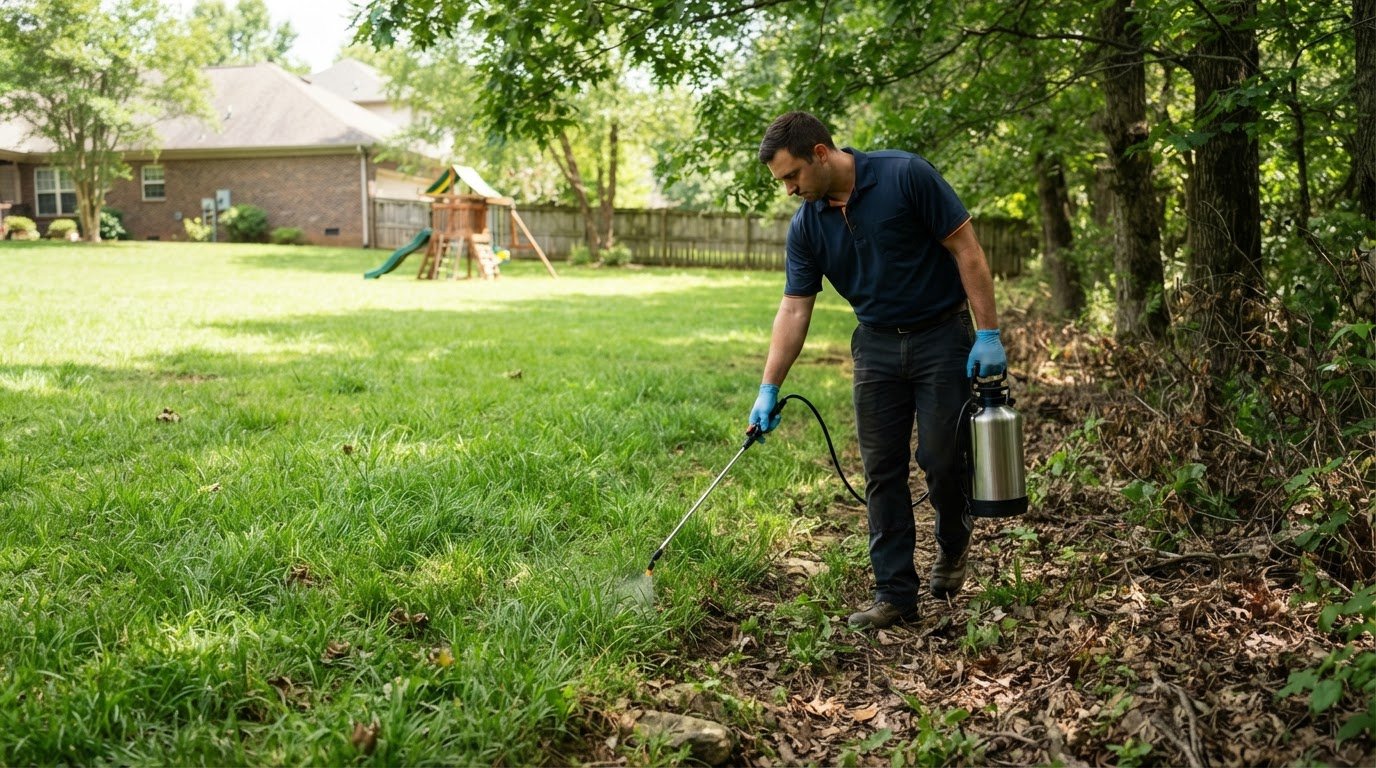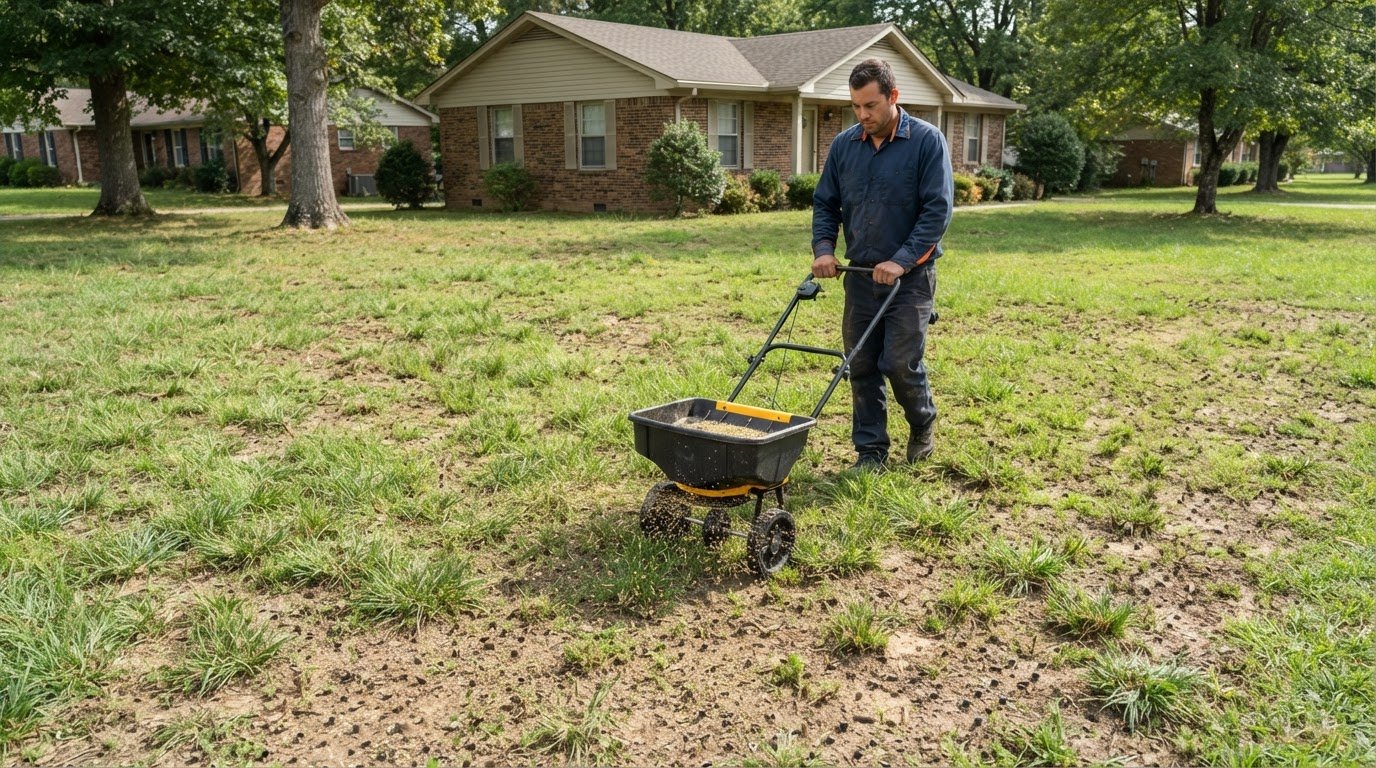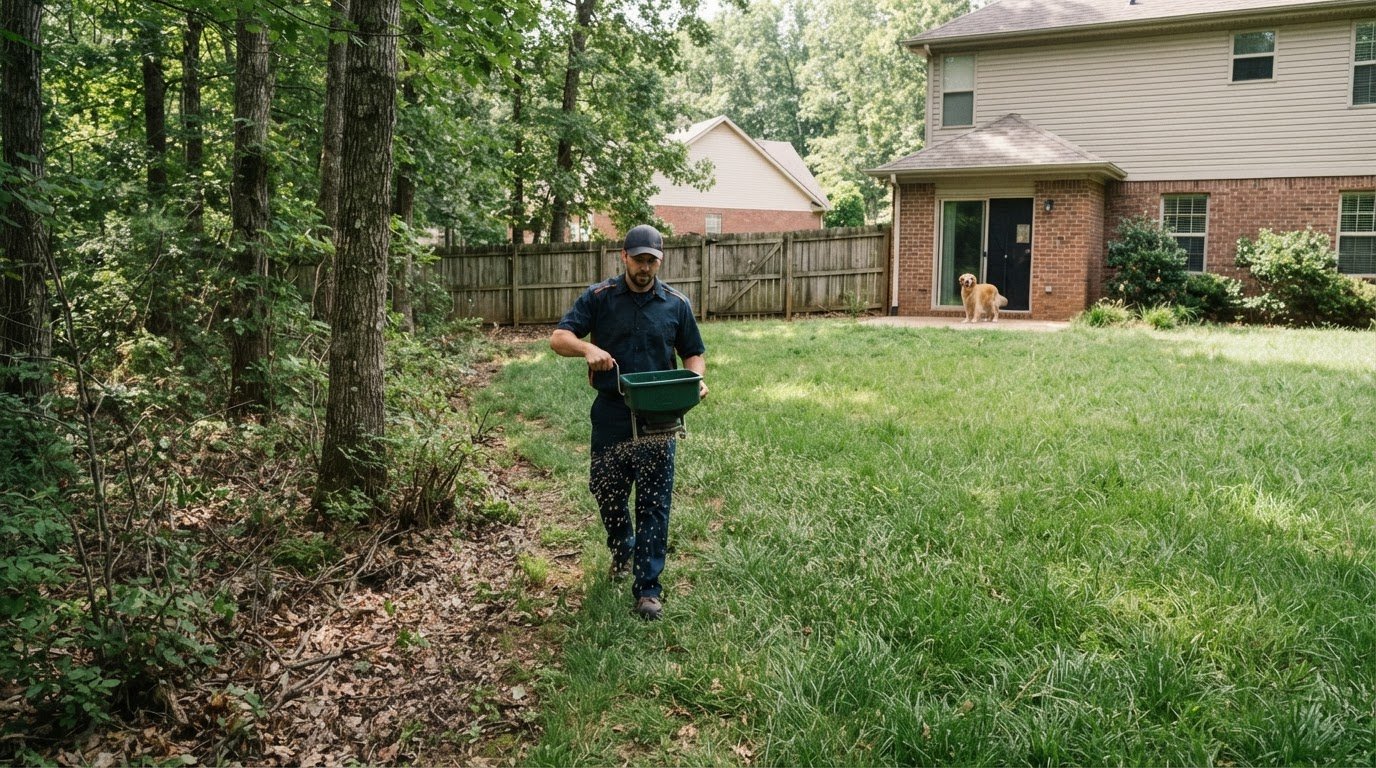


Your lawn’s annual care shouldn’t follow a one-size-fits-all calendar. With annual lawn fertilization plans in Mt. Juliet, routine visits generally don’t require you to be home when treatment areas are accessible and property instructions are clear. The schedule and applications should reflect your grass type, seasonal growth, and lawn condition.
It’s reasonable to want a clear picture of the care your lawn will receive and the factors that affect cost before choosing a year-round plan. A considered approach can support healthy turf while accounting for local growing conditions and your property’s needs.
This article explains what an annual fertilization program can include, how soil testing and weed control fit into lawn care, and which factors affect a plan’s scope and price. You’ll also learn what to expect from professional visits and how to plan care across the seasons.
Service availability in Mt. Juliet and Wilson County
Local lawn care means adapting professional treatments to the property’s turf and growing conditions. In Mt. Juliet, annual care can address fertilization, weed pressure, soil compaction, and seasonal stress. Properties in Wilson County need the same site-specific attention because grass type, shade, drainage, and lawn condition vary from yard to yard. The schedule should suit the turf, not simply repeat a generic calendar.
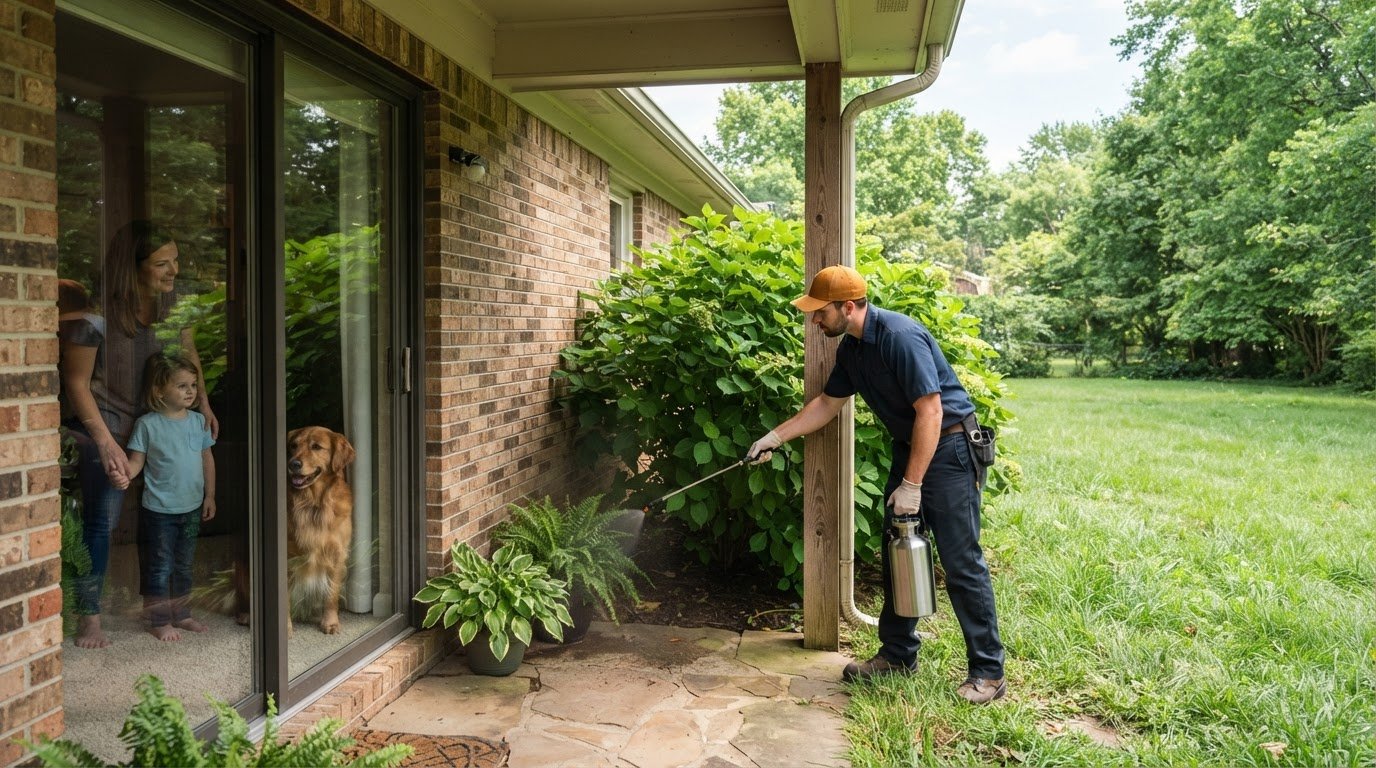
Clear treatment communication means updates about scheduled visits, applications, and follow-up care. Before service, property access and relevant lawn concerns help shape the visit. After treatment, useful communication identifies the areas treated and gives practical care instructions, such as whether watering is appropriate. Clear directions help households plan around children, pets, and outdoor use without assuming every treatment has the same instructions.
Mt. Juliet lawn care means matching treatment decisions to local grass and soil conditions. Tall fescue and bermudagrass are both common in the area, but their growth patterns differ. Heavy clay soil can contribute to compaction and poor drainage, affecting how air, water, and nutrients move through the root zone. Aeration can help relieve compaction, while fertilization should account for grass type and season.
Grass type is the turf species growing in a particular yard. Tall fescue is a cool-season grass, while bermudagrass is warm-season turf. This difference affects when each grass grows actively and when fertilization may be appropriate. Bermuda grass spreading into established fescue can be extremely difficult to eliminate completely. Management focuses on limiting its spread and helping fescue stay healthy and competitive.
Hydration care means managing the water available to turf during growth and dry weather. Mt. Juliet summers can bring heat stress and drought pressure, especially when rainfall is limited. General local guidance recommends at least 1 inch of water weekly during summer, with irrigation between 6 and 10 a.m. to reduce evaporation. This is watering guidance, not irrigation-system installation; a treatment plan can account for hydration alongside nutrients and seasonal growth.
Winter care prepares turf for cooler conditions without treating every lawn alike. Tall fescue and bermudagrass enter winter with different growth patterns, so their timing and treatment needs vary. Lawn density also depends on more than fertilizer: drainage, watering, mowing, and weed pressure all matter. For example, compacted clay can restrict roots even when nutrients are available.
For a property in Mt. Juliet or Wilson County, start by identifying the grass type and visible concerns. Crabgrass and dandelions are common local weeds, while compaction may appear as thin, stressed areas. These details help shape seasonal treatments and useful visit updates. Local lawn care works best when turf, soil, and water are considered together, rather than focusing on fertilizer alone.
Annual fertilization and lawn treatment program
An annual program coordinates fertilizer timing with grass growth, soil needs, and seasonal stress. In Mt. Juliet, the right schedule depends on grass type and lawn condition.
Available Fertilization Plans
A fertilization plan schedules nutrient applications around a lawn’s needs. In Mt. Juliet, a program may coordinate fertilizer with weed control and seasonal treatments. For tall fescue, fall is generally a better time to fertilize than just before summer heat. Warm-season bermudagrass follows a different growth cycle, so application timing should reflect active growth.
Soil testing helps determine whether fertilizer or lime is appropriate. A Mount Juliet soil test measures pH, buffer pH, phosphorus, and potassium. Lime should be applied only when a soil test shows pH below the target range. For fall fertilizer, sample beforehand and wait at least 6 to 8 weeks after fertilizer or lime before sampling.
Yearly Treatment Frequency
Yearly treatment frequency is the number and timing of fertilizer applications within one year. Milorganite recommends fertilizing lawns four times every year, including four annual applications for southern warm-season grasses. That recommendation is a reference point, not a reason to fertilize without considering turf growth, soil results, or seasonal conditions.
For Mt. Juliet lawns, fertilizer is recommended when temperatures stay between 50°F and 85°F and grass is actively growing. Fall timing can support tall fescue without applying fertilizer just before summer heat. A lawn affected by large patch needs a different consideration: cultural guidance calls for avoiding fall nitrogen applications.
Seasonal timing also varies by grass type. Milorganite recommends spring fertilizer after the last frost, once the lawn begins growing and greening. For southern warm-season grass, it recommends waiting until daytime temperatures are consistently in the 70s. A second spring feeding is recommended two months after the early-spring feeding for Southern lawns. Cool-season programs may instead emphasize fall applications.
Fertilizer is only one part of a treatment program. Weed control helps manage common weeds, while disease treatment addresses identified lawn disease concerns. Brown patch and dollar spot can typically be managed through a lawn disease program, but treatment depends on disease conditions and timing. Dallisgrass and Johnsongrass may require a targeted approach separate from broadleaf weed treatments.
Watering supports how turf responds to fertilizer, particularly during summer. Mt. Juliet guidance recommends at least 1 inch of water weekly during summer, with irrigation between 6 and 10 a.m. to reduce evaporation. A treatment schedule should account for watering, rainfall, and active growth rather than treating each visit as an isolated task. Discuss a seasonal treatment plan when you’re ready to align fertilization and lawn care.
What lawn fertilization plans are available in Mt. Juliet, Tennessee?
A lawn fertilization plan schedules nutrient applications according to turf needs. In Mt. Juliet, plans are best understood by their approach, not a universal package name. Grass type, soil condition, and visible stress shape the program. For local homeowners, the key is whether care focuses on turf type, soil-test results, or coordinated lawn treatments.
A grass-specific plan is a schedule tailored to the lawn’s dominant turf. Tall fescue and bermudagrass grow differently, so their nutrient timing and seasonal priorities differ. A fescue plan accounts for cool-season growth, while bermudagrass care follows warm-season growth. Where turf is mixed, the plan should consider the dominant grass and where each type grows.
A soil-test-led plan uses test results to guide fertilizer and lime decisions. A Mount Juliet soil test measures pH, buffer pH, phosphorus, and potassium. Lime belongs in the plan only when test results show pH below the target range. Sampling also needs appropriate timing: wait at least 6 to 8 weeks after fertilizer or lime before taking a fall sample.
An integrated treatment plan coordinates fertilization with weed control or other lawn treatments. Fertilizer supports turf growth, while weed control manages unwanted plants; neither replaces the other. Common Mt. Juliet weeds include crabgrass and dandelions. Dallisgrass and Johnsongrass are invasive grassy weeds that can be more challenging than broadleaf weeds and may need targeted treatment separate from typical broadleaf control.
A lawn-size-adjusted plan considers the area being treated, rather than assuming every property needs the same amount. The average lawn size in Mt. Juliet is 5,036 square feet. Actual properties vary, so the treatment area and lawn condition matter more than a citywide average. Clearly identifying turf boundaries also helps prevent treating garden beds or other landscape areas as grass.
A seasonal plan aligns applications with active turf growth and local conditions. In Mt. Juliet, fertilizer is recommended when temperatures stay between 50°F and 85°F and grass is actively growing. The plan also accounts for summer heat, rainfall, and watering, since stressed turf responds differently from actively growing grass. A disease concern, such as large patch, can also change nutrient decisions; cultural guidance advises avoiding fall nitrogen where large patch affects the lawn.
For annual lawn fertilization plans in Mt. Juliet, these approaches can work together rather than compete. A grass-specific schedule can use soil results, account for property size, and coordinate appropriate weed control. This makes the plan responsive to the lawn instead of repeating the same calendar dates.
How many fertilizer treatments per year do Mt. Juliet lawns typically need?
Annual treatment frequency is the number of fertilizer applications scheduled across one year. Milorganite recommends fertilizing lawns four times every year, including four annual applications for southern warm-season grasses. This provides a clear reference, but other seasonal recommendations call for fewer applications. Grass type and the purpose of each feeding help explain why schedules differ.
A fertilizer application is one scheduled addition of nutrients to the lawn. For cool-season grass, one seasonal guide recommends two fall applications, with the second six to eight weeks after the first. For warm-season grass, the same guide recommends one early-fall application. These schedules focus on fall care, rather than counting every possible feeding during the year.
A yearly schedule matches fertilizer visits to grass growth. Another recommendation calls for a second feeding for Southern lawns two months after the early-spring feeding. Alongside the four-application recommendation, this timing shows how annual plans can distribute feedings across seasons. It doesn’t mean every Mt. Juliet lawn needs the same calendar or identical applications.
Grass type is the turf species that shapes its growth cycle and nutrient timing. Tall fescue is cool-season turf, while bermudagrass is warm-season turf. A tall fescue schedule may emphasize fall feeding, while bermudagrass follows warm-season timing. Where a yard contains both, the treatment plan must account for their different growth patterns instead of assuming one seasonal schedule suits both.
Soil testing assesses nutrient and acidity conditions to inform fertilizer choices. Results help determine fertilizer and lime needs. Apply lime only when a soil test shows that soil pH is below the target range. For example, a schedule shouldn’t include lime simply because it includes fertilizer applications.
Fertilizer application count is separate from the number of other lawn treatments. A weed-control visit targets unwanted plants, while a fertilizer application supplies nutrients; combining services doesn’t make them the same treatment. Crabgrass and dandelions are common Mt. Juliet weeds. Dallisgrass and Johnsongrass are invasive grassy weeds that can be harder to manage than common broadleaf weeds. They may require a separate, targeted treatment approach rather than typical broadleaf weed control, so consider them separately from the annual fertilizer count.
For annual lawn fertilization plans in Mt. Juliet, start with a grass-specific schedule, then adjust for soil results and seasonal growth. Four applications every year is one recommendation, while other guidance describes fewer, season-focused feedings. The right count depends on which schedule suits the turf and what each application is intended to address.
Are soil testing or weed control included in Mt. Juliet fertilization plans?
A fertilization plan schedules nutrient applications for a lawn’s needs. Soil testing and weed control are related services, but they serve different purposes. Testing guides fertilizer and lime decisions, while weed treatments target unwanted plants. A coordinated plan can address these needs together, with a clear role for each part of the schedule.
A soil test analyzes lawn soil to measure nutrient and acidity indicators. In Mt. Juliet, a lawn soil test measures pH, buffer pH, phosphorus, and potassium. These results help determine lime and fertilizer needs. For example, low soil pH may support a lime recommendation, while nutrient measurements inform fertilizer decisions. Applying nutrients without considering test results can miss the lawn’s actual needs.
Fall soil sampling means collecting a soil sample before the season’s fertilizer application. For Mount Juliet lawns, wait at least 6 to 8 weeks after fertilizer or lime before sampling. The listed fall soil-testing window runs from September 1 through November 30. A sample taken too soon after an application may not reflect the soil conditions the test is meant to assess.
Lime is a soil amendment used to address soil acidity. In Mt. Juliet, lime should be applied only when a soil test shows pH below the target range. The listed fall lime application window runs from October 1 through November 30. This makes soil testing a decision tool, not an automatic step that means every lawn needs lime each fall.
Weed control targets unwanted plants growing among turfgrass. Crabgrass and dandelions are common Mt. Juliet lawn weeds. Weed-control treatments can reduce weed pressure, while fertilizer supports turf growth. These treatments can work together, but fertilizer doesn’t replace weed treatment. The schedule should make each application’s purpose clear.
Broadleaf and grassy weeds may need different treatment approaches. Dallisgrass and Johnsongrass are invasive grassy weeds that can be harder to manage than common broadleaf weeds. They may require targeted treatment separate from typical broadleaf control. Bermuda grass in an established fescue lawn is also difficult to manage. Care focuses on limiting its spread and supporting fescue competition.
So, soil testing and weed control can be coordinated with fertilization, but neither should be assumed to mean the same thing as a fertilizer application. A useful plan identifies what each treatment addresses, how soil results inform nutrient decisions, and when seasonal applications occur. For coordinated fertilization and weed control, align the schedule with soil results, grass type, and the weeds present.
Performance Lawns: Weed Control and Fertilization
Performance Lawns helps Mt. Juliet homeowners match seasonal lawn needs with professional treatments. Its Fertilizer & Weed Control service supports coordinated care for nutrients and common lawn weeds, while accounting for how grass type and timing affect treatment decisions.
Turn to Performance Lawns for professional care planned around your lawn’s condition, not fertilizer alone. Lawn treatments can address specific concerns, and residential Aeration & Overseeding can support lawns affected by compacted soil or thin turf. These services complement fertilization but address different needs, so the right combination depends on your lawn’s condition.
For a thoughtful next step, share your lawn’s grass type and main concerns. Contact Performance Lawns to discuss your lawn care needs.
Set a Clear Direction for Your Lawn’s Next Season
Choose the next step by identifying your property’s main priority. If you’re considering annual lawn fertilization plans in Mt. Juliet, start with a clear goal, such as improving turf density or managing recurring weeds. That focus gives Performance Lawns a practical starting point for discussing the care your lawn needs.
A seasonal lawn care plan can reflect your property’s condition and goals. Share what you’ve noticed, including thin areas, changing growth, or problem spots you want addressed. This makes the conversation specific to your yard and its care, rather than a generic schedule.
Discuss your lawn’s next steps with Performance Lawns. A considered plan is a positive step toward a lawn you can enjoy through the seasons.
Frequently Asked Questions
Do I need to be home for the visits?
You generally don’t need to be home if the lawn is accessible and treatment instructions are arranged. Before a scheduled visit, share access details or areas needing attention, such as a side yard or fenced section. Afterward, follow any care directions provided for that application. This helps you plan outdoor use and watering without being present during treatment.
When Should a Professional Fertilization Program Begin for My Lawn?
Begin when your grass is actively growing and conditions suit its type. In Mt. Juliet, fertilizer is recommended when temperatures stay between 50°F and 85°F and turf is growing. Tall fescue and bermudagrass follow different seasonal patterns, so a calendar date alone can mislead. A professional can assess grass type, growth, and lawn condition to set the first application’s timing.
When should I start?
Start by arranging a lawn assessment ahead of a suitable treatment window. If your lawn has thin areas, visible weeds, or signs of stress, note where they occur. This gives the professional useful context for planning the first visit. Starting a new annual program before the season’s main growth period leaves time to coordinate treatment timing with turf conditions.
What is included in an annual lawn fertilization plan in Mt. Juliet?
A plan may include scheduled fertilizer applications and weed control, shaped around the lawn’s needs. Clarify the scope: soil testing can guide fertilizer and lime decisions, but shouldn’t be assumed to be part of every plan. Ask for a clear description of included applications, separate treatments, and care directions after each visit.
How much do annual lawn fertilization plans cost in Mt. Juliet?
Cost depends on the property and treatment scope, and you’ll need to request a quote for pricing. Factors include lawn size, turf condition, grass type, weed pressure, and whether the plan includes additional treatments. For example, a property with thin turf and recurring weeds may need a different scope from a healthy lawn needing routine fertilization.
Which local lawn care companies offer annual fertilization plans in Mt. Juliet?
Performance Lawns provides lawn treatments, including Fertilizer & Weed Control, for homeowners in Mt. Juliet, Lebanon, Gallatin, and Hendersonville. When considering a program, focus on whether its stated scope matches your needs, such as routine nutrient applications, help managing common weeds, or care adapted to seasonal conditions.
What Fertilizer Schedule Do Professionals Recommend for Mt. Juliet Lawns by Season?
Schedules depend on grass type and active growth, so recommendations vary. For cool-season turf, one guide recommends two fall feedings, with the second six to eight weeks after the first. For warm-season grass, it recommends one early-fall application. Spring timing differs too: Southern lawns may receive another feeding two months after early spring. These are reference schedules, not a calendar for every yard.
What grass types are common in Mt. Juliet, and how do their fertilization needs differ?
Tall fescue and bermudagrass are common grass types in Mt. Juliet. Tall fescue is cool-season turf, so fall growth shapes its fertilization timing. Bermudagrass is warm-season turf, with timing tied to active growth. A lawn containing both needs a plan that accounts for their different cycles. Bermuda grass spreading into established fescue is especially difficult to eliminate completely; management focuses on limiting its spread and supporting fescue.