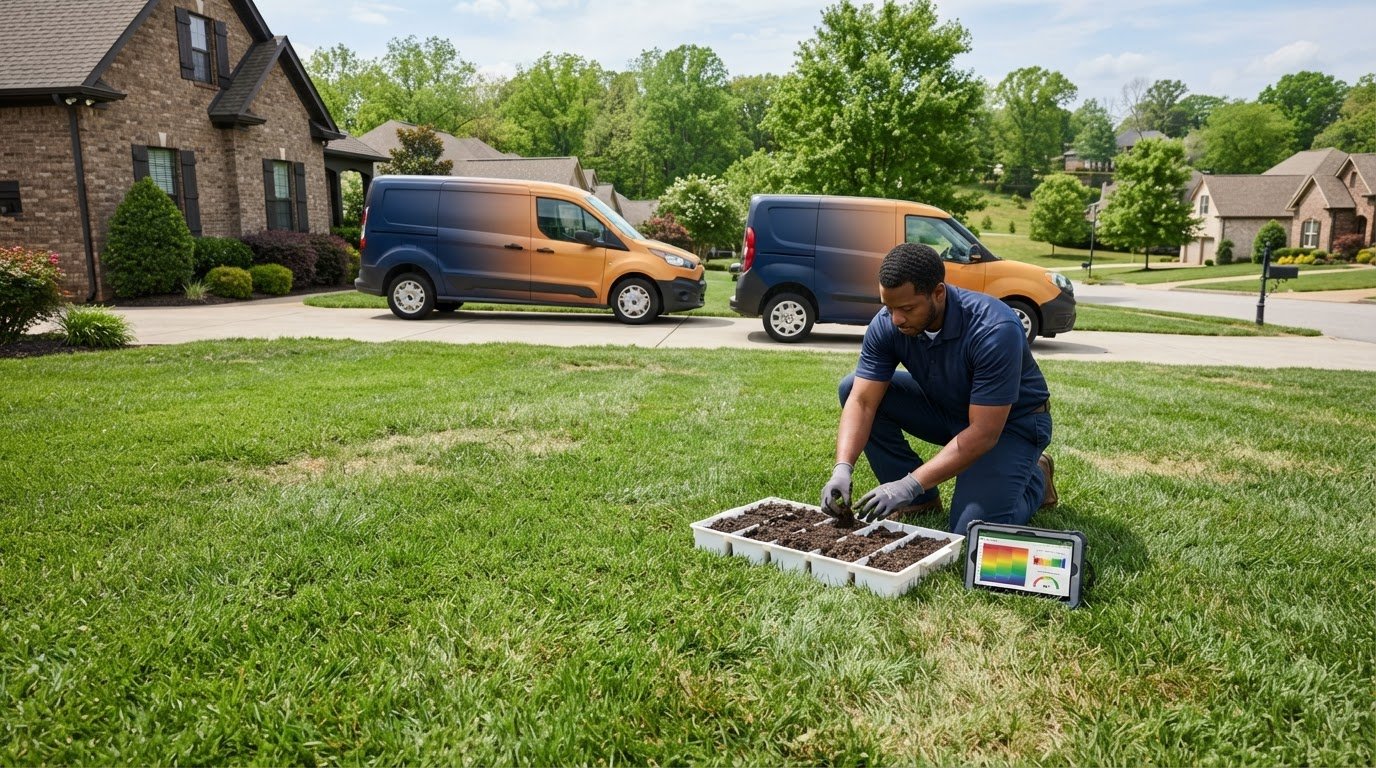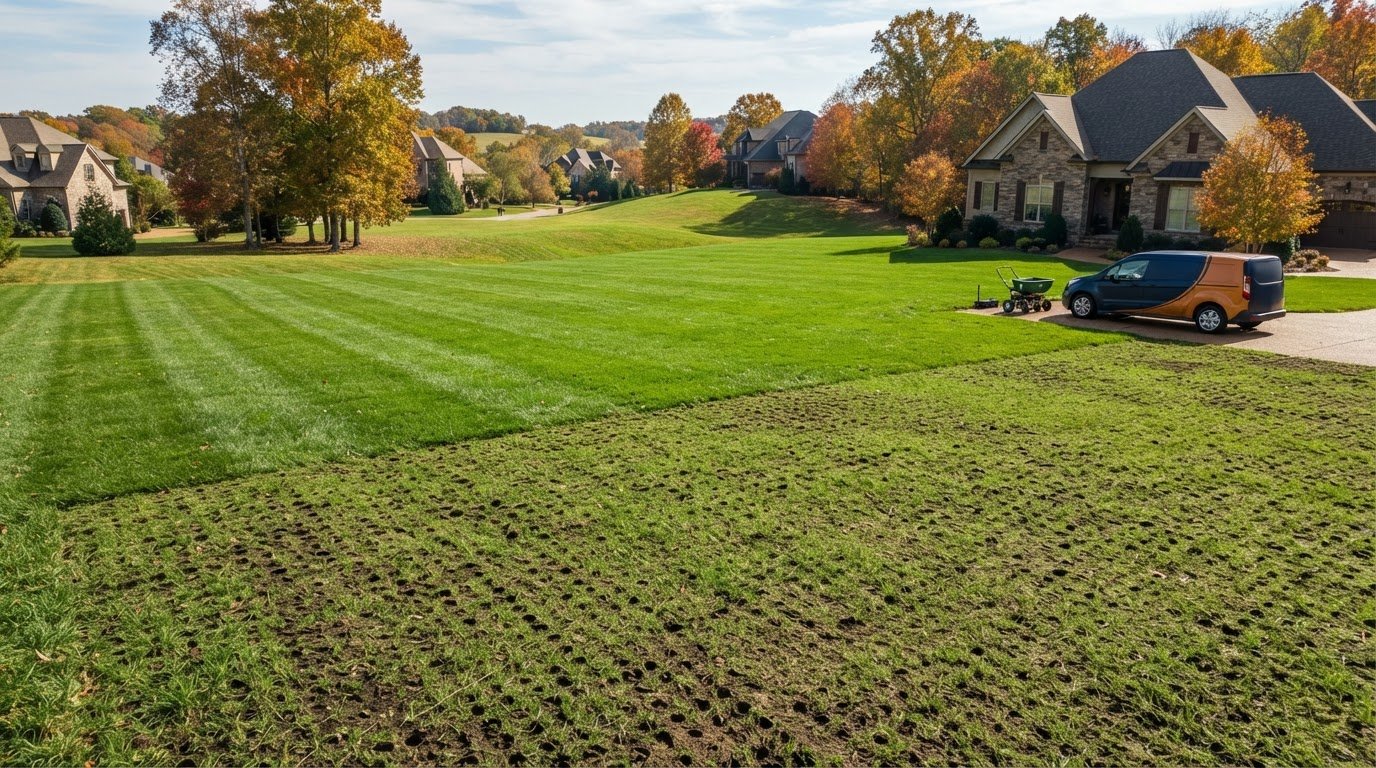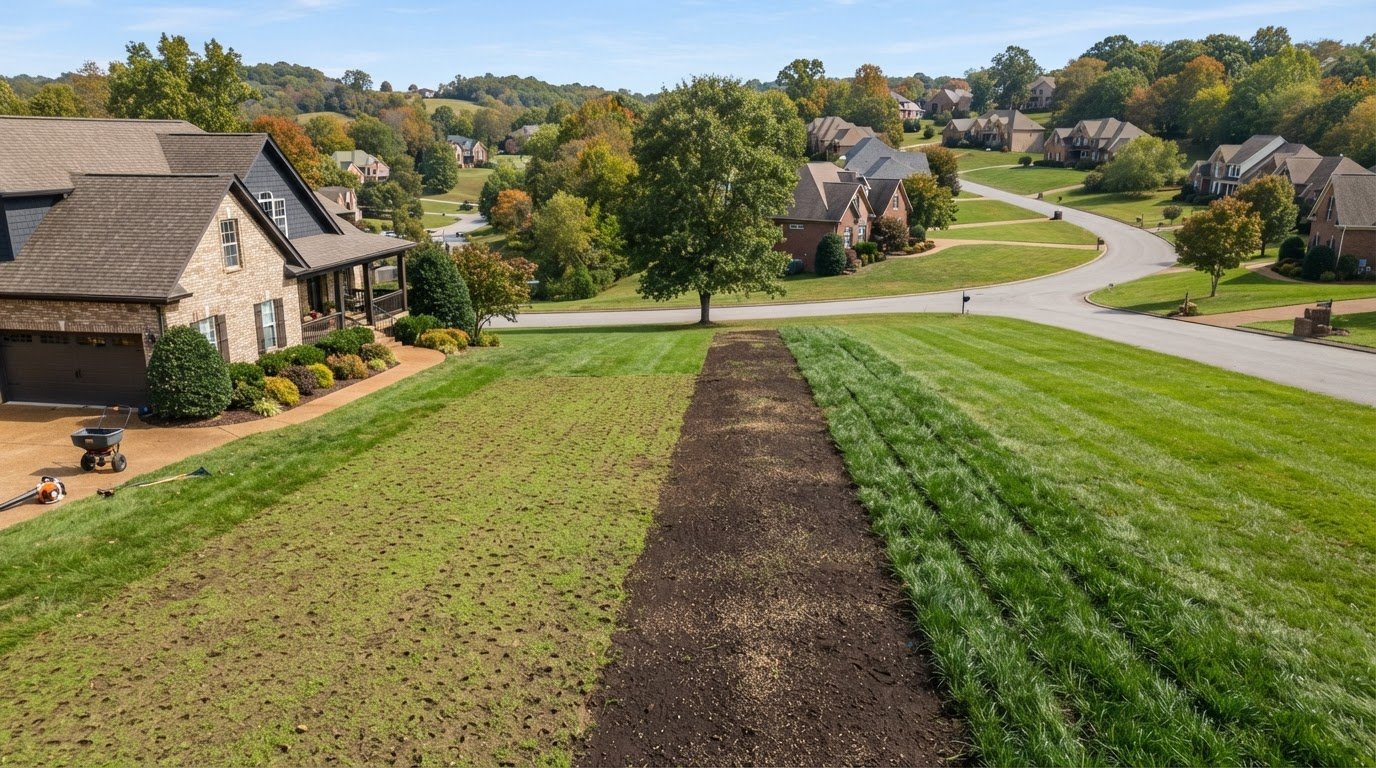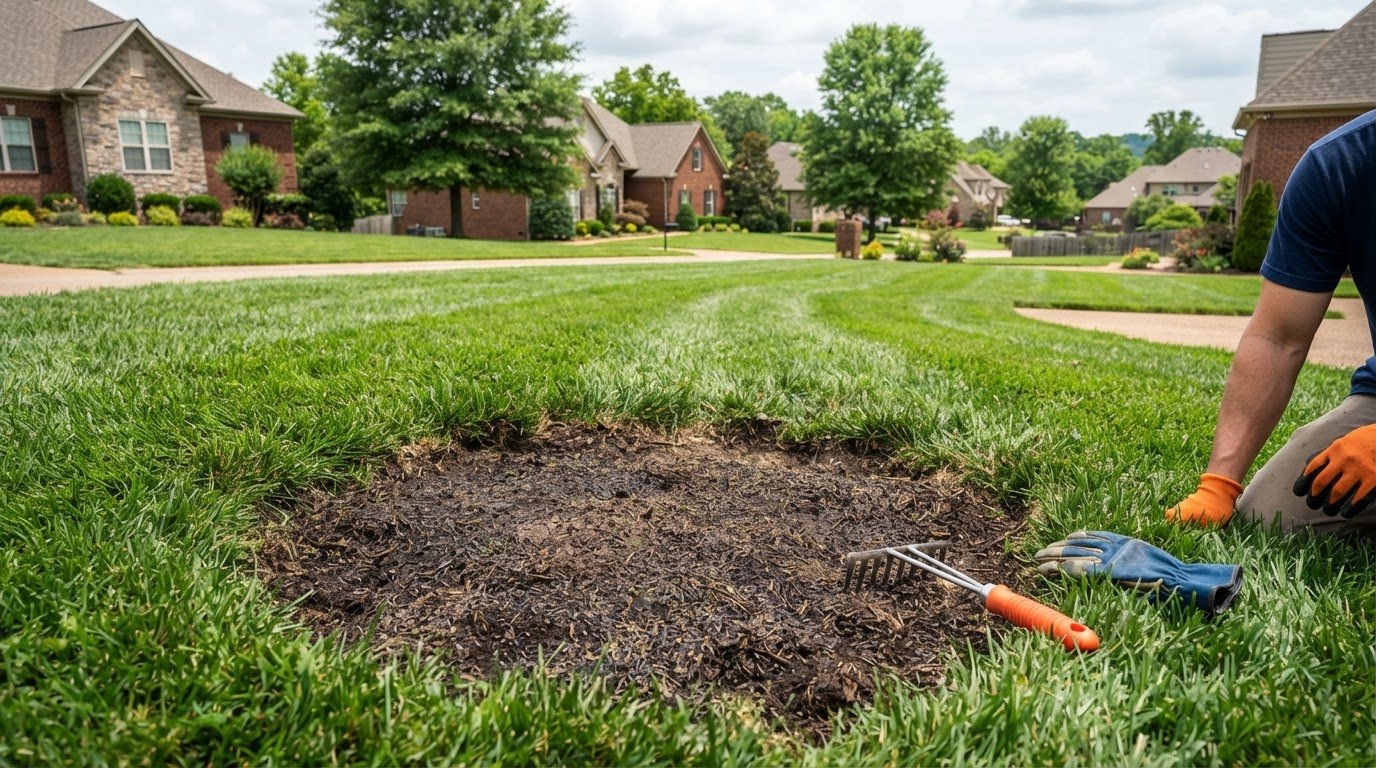
A uniform treatment schedule may seem like the simplest way to manage commercial grounds, but different turf areas can have different needs. For businesses evaluating commercial property weed control in Lebanon TN, a practical plan starts with the grass, the weeds present, and the condition and use of each area.
Visible weeds can detract from a maintained appearance, especially around entrances, shared grounds, and walkways. A single property may also include turf sections that respond differently to treatment. Rather than expect one approach to fit every patch, set clear priorities and focus on ongoing weed management.
This guide explains how to assess commercial weed-control needs, how turf type and weed pressure shape treatment priorities, and what to expect from ongoing care. It also covers why some grassy weeds may need a targeted approach beyond standard broadleaf weed treatments. Performance Lawns provides commercial fertilization and weed-control treatments in Lebanon and Middle Tennessee, tailored to property needs to help manage weeds and support healthier, more attractive turf.
Why Commercial Property Weed Control Matters in Lebanon, TN
Commercial property weed control is the treatment and ongoing management of unwanted plants in turf. Its purpose is to reduce weed pressure while supporting healthier, more attractive grass. On a business property, that work can help maintain an orderly appearance in the areas visitors notice first, such as entrances, shared grounds, and lawn beside customer or employee walkways.
Weeds can interrupt an otherwise well-kept look, particularly where different turf areas meet or foot traffic has thinned the grass. A useful plan accounts for the conditions across the property rather than treating every patch as if it were the same. Lebanon and Middle Tennessee lawns may include cool-season grasses such as fescue and warm-season grasses such as Bermuda and Zoysia. These grasses have different growth patterns and treatment needs, so identifying the turf is an important first step.
What commercial weed control can accomplish
Professional treatment can help manage common lawn weeds while supporting desirable turf. The goal is progress over time, not a one-time promise that every weed will disappear. Results depend on the weeds present, turf condition, timing, and treatment approach. Ongoing care and realistic expectations go hand in hand.
Weed control can involve cultural, physical, and chemical methods. Weed Control Methods offers a broad overview of these categories. For commercial grounds, treatment priorities should reflect the turf and the specific weeds. Dallisgrass and Johnsongrass, for example, are invasive grassy weeds that can be more challenging to manage than many common broadleaf weeds. They may need a separate or targeted approach rather than the treatments typically used for broadleaf weeds.
Consistent turf care can help an entrance or shared lawn look more intentional and cared for. It also gives property managers a way to address weed pressure as part of maintaining attractive grounds, without expecting treatment to replace other property upkeep. Performance Lawns provides commercial fertilization and weed-control treatments in Lebanon and Middle Tennessee, tailored to property needs.
Why property context matters in Lebanon
A commercial site can contain several distinct growing conditions. One lawn may receive full sun while another sits beneath trees. A busy entrance may experience more foot traffic than an outer turf area. Shade, wear, grass type, and the weeds present all help shape treatment priorities. In a fescue lawn, Bermuda grass that has spread into established turf can be extremely difficult to eliminate completely. Management generally focuses on limiting its spread, reducing its presence, and helping fescue remain healthy and competitive.
To prepare for a treatment discussion, note where weeds are most visible, which areas receive heavy use, and whether the property has different turf types. If a grassy weed appears in several areas, record where it is and whether the surrounding turf is thin or dense. These observations help clarify priorities for commercial property weed control in Lebanon TN. The aim is steady, property-specific management, not a blanket schedule or a guarantee of weed-free turf.
How Commercial Weed Control Works, and Which Weeds Need a Different Approach
A useful treatment plan starts by identifying what is growing and where. Scattered weeds in established turf may call for different priorities than a concentrated patch along a property edge or in a thin area. The condition and type of grass matter, too. Looking at these factors helps determine which parts of a commercial site need attention and what the treatment is intended to support.
For commercial property weed control in Lebanon TN, treatment should reflect the actual property rather than assume every lawn section has the same needs. Consider the problem areas, the desired turf, and the goals for each space. Results can vary with weed type, timing, and site conditions, so effective planning is about informed management, not a one-time guarantee.
Broadleaf weeds and routine lawn weed control
Professional treatments can help manage common broadleaf weeds growing in turf. Identifying the weeds and considering the grass condition helps focus treatment on the problem while supporting the desirable lawn. Fertilization can also support turf health. Denser, vigorous grass can compete more effectively with weeds and contribute to a more attractive lawn.
For commercial properties, commercial fertilization and weed-control services can be tailored to property needs. The University of Tennessee Turfgrass Weed Science resource offers Tennessee-focused information on turfgrass weeds. It provides useful background on why identifying the weed matters before deciding how to manage it.
Dallisgrass, Johnsongrass, and other difficult grassy weeds
Make note of Dallisgrass and Johnsongrass during a property review so they can be considered separately from routine broadleaf weed priorities. These invasive grassy weeds can be more challenging to manage than many broadleaf weeds and may need a different or targeted treatment approach. A standard broadleaf treatment should not be assumed to address them.
Be specific about their location and extent. Note whether the weeds appear as isolated patches or across a larger section, and whether the surrounding turf is dense or thin. Include whether the affected area is near an entrance or another high-visibility spot. These details help define a practical treatment objective and make it easier to track the concern over time.
Set expectations around the site, not a quick fix
A strong plan explains which areas are priorities, what the treatment is intended to address, and how the property’s turf condition informs the work. For example, a manager may want to focus first on a recurring patch near a main walkway while also noting less visible concerns elsewhere. Clear priorities make it easier to understand the purpose of treatment and discuss progress.
Weed response varies with species, timing, and site conditions. Ongoing care can help manage weed pressure and support attractive turf, but it is not a promise that every weed will disappear. Performance Lawns provides commercial fertilization and weed-control treatments in Lebanon and Middle Tennessee, tailored to property needs. To discuss a specific site, share your commercial lawn treatment needs with Performance Lawns.
How to Evaluate a Commercial Weed-Control Plan for a Lebanon Property
A useful plan should explain how treatment priorities relate to the site, which weed problems are being addressed, and what follow-up can reasonably accomplish. For commercial property weed control in Lebanon TN, look for an approach grounded in observed conditions rather than blanket promises or an unexplained schedule. Use the questions below to organize priorities and assess whether the treatment scope fits the property.
Match treatment priorities to property areas
Not every part of a site serves the same purpose. An entrance may be especially visible to visitors, while perimeter turf or shared grounds may have different use patterns. Sun exposure, shade, foot traffic, grass type, and recurring weed patches can all affect what deserves attention first. A plan should reflect both the property’s desired turf and the weed pressure in each area.
Performance Lawns tailors commercial fertilization and weed-control treatments to property needs. A clear review of the grounds can help distinguish a high-visibility concern from a persistent problem elsewhere, making treatment priorities more practical and site-specific.
| Plan element | What to evaluate | Why it matters |
|---|---|---|
| Site assessment | Are entrances, shared grounds, turf sections, and recurring problem areas considered? | Different areas can have distinct visibility, use, and growing conditions. |
| Weed types | Does the plan distinguish broadleaf weeds from difficult grassy weeds? | Different weeds may call for different treatment priorities. |
| Treatment scope | Is it clear which turf areas and weed concerns the treatment addresses? | Defined scope makes the plan easier to understand and evaluate. |
| Follow-up communication | Are expectations about treatment goals and variable results explained? | Clear expectations help property managers understand progress over time. |
Set expectations for results and communication
Weed response can vary with species, site conditions, and treatment timing. A sound plan describes its purpose in terms of managing identified weeds and supporting desirable turf, rather than promising that every weed will disappear. Ongoing management can help reduce weed pressure, but it cannot guarantee complete elimination.
Communication should make the treatment scope understandable: which areas are priorities, what the program is intended to address, and why some weeds may need a different approach. This helps a property manager compare the proposed work with the grounds’ needs and recognize that results may differ across turf sections. Performance Lawns provides professional weed control in Middle Tennessee through its fertilization and weed-control service.
A planning framework also appears in Purdue University’s Developing a Commercial Weed Management Plan, which discusses weed management for commercial properties. The practical takeaway is to evaluate treatment against the site’s actual conditions, not against a promise of perfect results.
For a property-specific discussion of commercial lawn treatment priorities, discuss your commercial lawn treatment needs with Performance Lawns.
What to Expect from Commercial Weed Control in Lebanon, TN
A practical treatment process moves from understanding the property to setting priorities and planning ongoing care. The site’s turf, visible weeds, and overall condition help shape the approach. For commercial property weed control in Lebanon TN, start with the grounds themselves rather than assuming a preset schedule or identical needs across every lawn section.
Preparing property details for a treatment discussion
Before discussing lawn treatments, make a simple inventory of the property. Note its different turf areas, where weeds are most visible, and which locations matter most to the business. An entrance, a shared lawn, and a less prominent perimeter area may each have different priorities.
Describe where concerns recur and whether they are concentrated in one patch or appear across several sections. If you have noticed Dallisgrass, Johnsongrass, or Bermuda grass near fescue, include those observations. You do not need to identify every plant with certainty. A clear description of where it grows and how the area looks can help focus the discussion on lawn-treatment needs.
Understanding treatment limitations
The right approach depends on the turf and weeds present. Routine broadleaf treatments should not be assumed to address every grassy weed, so include those concerns in the initial discussion. Treatment response can vary with the weed, timing, and site conditions. A useful plan clarifies its priorities and sets expectations for the specific property.
If Bermuda grass is present in an established fescue lawn, treat it as a distinct concern. It can be extremely difficult to eliminate completely from that setting. Management generally focuses on limiting spread, reducing its presence, and helping the fescue remain healthy and competitive. Keeping this limitation in mind helps property managers set realistic goals for the affected area.
From site discussion to ongoing care
After reviewing the grounds, identify which areas should take priority and shape treatment around those needs. A property manager might focus on a visible patch near the entrance while recording other concerns for consideration. Tracking where weeds appear and how the turf looks can make future discussions more specific and help show whether priorities have shifted.
Ongoing care is intended to help manage weed pressure and support healthy turf, not to promise that every weed will disappear. Performance Lawns provides commercial fertilization and weed-control treatments in Lebanon and Middle Tennessee, with lawn treatments tailored to property needs. The commercial lawn care in Hendersonville buying guide offers related context for business properties in the region.
To discuss a treatment approach for your grounds, share your commercial lawn treatment needs with Performance Lawns.
Choose Performance Lawns for Commercial Weed Control in Lebanon, TN
Commercial grounds contribute to your business’s appearance and to the experience people have when they arrive. Performance Lawns provides commercial fertilization and weed-control treatments in Lebanon and Middle Tennessee, with treatment planning shaped around the property’s turf, weed concerns, and priorities. The goal is practical, ongoing care that helps reduce weed pressure and support healthier, more attractive turf, not a promise that every weed will disappear.
With more than 15 years of lawn-care experience, Performance Lawns brings professional turf-care experience to local commercial properties. For a business owner or property manager, the discussion can focus on the site itself: which areas matter most, what weeds are present, and what kind of turf you want to maintain.
A local approach to commercial lawn treatments
A commercial property may include several kinds of turf and growing conditions. The entrance may be a visual priority, while shared grounds or less prominent lawn areas have different weed concerns. Treatment decisions should account for those distinctions instead of assuming the whole site has identical needs. A clear understanding of the property helps align weed-control priorities with its appearance and use.
Performance Lawns tailors commercial fertilization and weed-control treatments to property needs in Lebanon and across Middle Tennessee, including Mt. Juliet, Gallatin, and Hendersonville. That local service focus supports a relevant discussion of your grounds, with expectations grounded in the turf and weed conditions found on the property.
Take the next step for your Lebanon property
Before reaching out, consider what you would like the treatment plan to address first. Note the most visible weed patches, areas that affect the property’s first impression, and turf sections with recurring concerns. Sharing those details gives the discussion a useful starting point and helps identify priorities for ongoing weed management.
Professional treatment can help manage unwanted weeds and support desirable turf, but results vary with weed type and site conditions. Some weeds may need a distinct treatment strategy, and ongoing care may be part of managing pressure over time. A realistic plan sets clear priorities without promising a perfect or permanently weed-free lawn.
For commercial property weed control in Lebanon TN, Performance Lawns offers a local, property-focused approach backed by more than 15 years of lawn-care experience. Property owners and managers can contact Performance Lawns about commercial weed control to share their site’s needs and discuss a practical treatment approach.
Make Your Commercial Grounds a Priority
A well-presented property is an ongoing part of the experience you create for customers, tenants, and employees. Use your next grounds review to align turf-care priorities with that experience. Decide which areas should make the strongest first impression, note concerns that keep returning, and describe what improvement would look like for your site. Clear goals can make commercial property weed control in Lebanon TN a purposeful part of caring for your business property.
Thoughtful planning does not require a perfect lawn or an overnight transformation. It starts with a practical discussion about the condition of your grounds and the priorities you want addressed. With clear direction, you can make lawn-treatment decisions that support your property over time.
Ready to discuss your grounds? Start a conversation about commercial weed control with Performance Lawns. Share your priorities and take the next step toward healthier, more attractive turf.
Frequently Asked Questions
Can commercial weed control make a property completely weed-free?
No. Treatments can help manage weeds, but they cannot guarantee that none will appear on a property. New weeds may emerge, and results depend on site conditions and the weeds present. To assess progress, track problem areas over time and note whether weed pressure changes and whether the turf remains in the condition the business wants to maintain.
Are Dallisgrass and Johnsongrass treated the same way as broadleaf weeds?
Not necessarily. Dallisgrass and Johnsongrass are invasive grassy weeds that can be more challenging to manage than many common broadleaf weeds. They may need a separate or targeted treatment approach, so identify them as distinct concerns during planning. Note where they appear, how widespread the patches seem, and whether they are near high-visibility areas. Routine broadleaf weed care should not be assumed to address every grassy weed.
Does commercial weed control include mowing or landscaping?
No. Commercial weed control focuses on lawn treatments for managing weeds and supporting turf. It does not include mowing, string trimming, or landscape construction. Keeping these responsibilities distinct helps managers plan property maintenance, with treatment concerns handled separately from mowing or building landscape features.
How often should a commercial property receive weed treatments?
There is no single treatment frequency that applies to every property. The right plan depends on the turf, weed concerns, site conditions, and treatment goals. Rather than rely on a generic calendar, describe the areas that need attention and the problems that recur. That gives the treatment discussion a practical starting point without assuming a schedule that may not fit the site.
Can weed control help if Bermuda grass has spread into a fescue lawn?
It may be part of managing the concern, but Bermuda grass that has spread into an established fescue lawn can be extremely difficult to eliminate completely. Management generally focuses on limiting its spread, reducing its presence, and helping the fescue remain healthy and competitive. Point out where the grass is appearing, whether the patches are expanding, and how much fescue remains in the affected section. This helps define a practical priority for the lawn treatment plan.
What information should I have ready when discussing commercial weed control?
Prepare a simple site overview: the kinds of turf areas, visible weeds, and locations you want prioritized. Note whether a concern appears beside an entrance, across shared grounds, or in a recurring patch. If possible, bring clear photos showing the affected area and surrounding turf. These details can make the discussion more focused, even if you are unsure of the weed’s name.
Is commercial weed control in Lebanon, TN different from residential treatment?
The treatment approach still depends on the weeds and turf, but commercial properties may have areas with different uses and priorities. A business may need to account for an entrance, shared grounds, and less visible turf as distinct parts of the site. Performance Lawns serves properties in Lebanon, Mt. Juliet, Gallatin, and Hendersonville, with commercial lawn treatments shaped around property needs.