What should lawn care for commercial properties cover? A polished site depends on both a clear maintenance plan and healthy turf, but one provider may not handle every task. If weeds keep returning or the grounds look inconsistent across a shared property, an unclear scope can make it hard to know what work is being done and who is responsible.
A commercial lawn care plan can support a more presentable property, but weed control is ongoing management, not a promise that every weed will disappear. Middle Tennessee conditions can also affect turf health throughout the year.
This guide explains how to define the scope of commercial turf treatments, compare providers with practical questions, and set realistic expectations for weed management and healthier grass. You’ll also learn how treatments can fit alongside an existing mowing or landscaping arrangement, helping property managers coordinate care with greater clarity.
What Does Lawn Care for Commercial Properties Actually Include?
Commercial lawn care can mean different things from one provider to the next. Here, it means planned turf maintenance focused on treatments such as fertilization and weed control, rather than every service needed to maintain the grounds. A clear scope helps property managers, owners, and tenants understand what work is covered, what requires another provider, and how service fits the property’s needs.
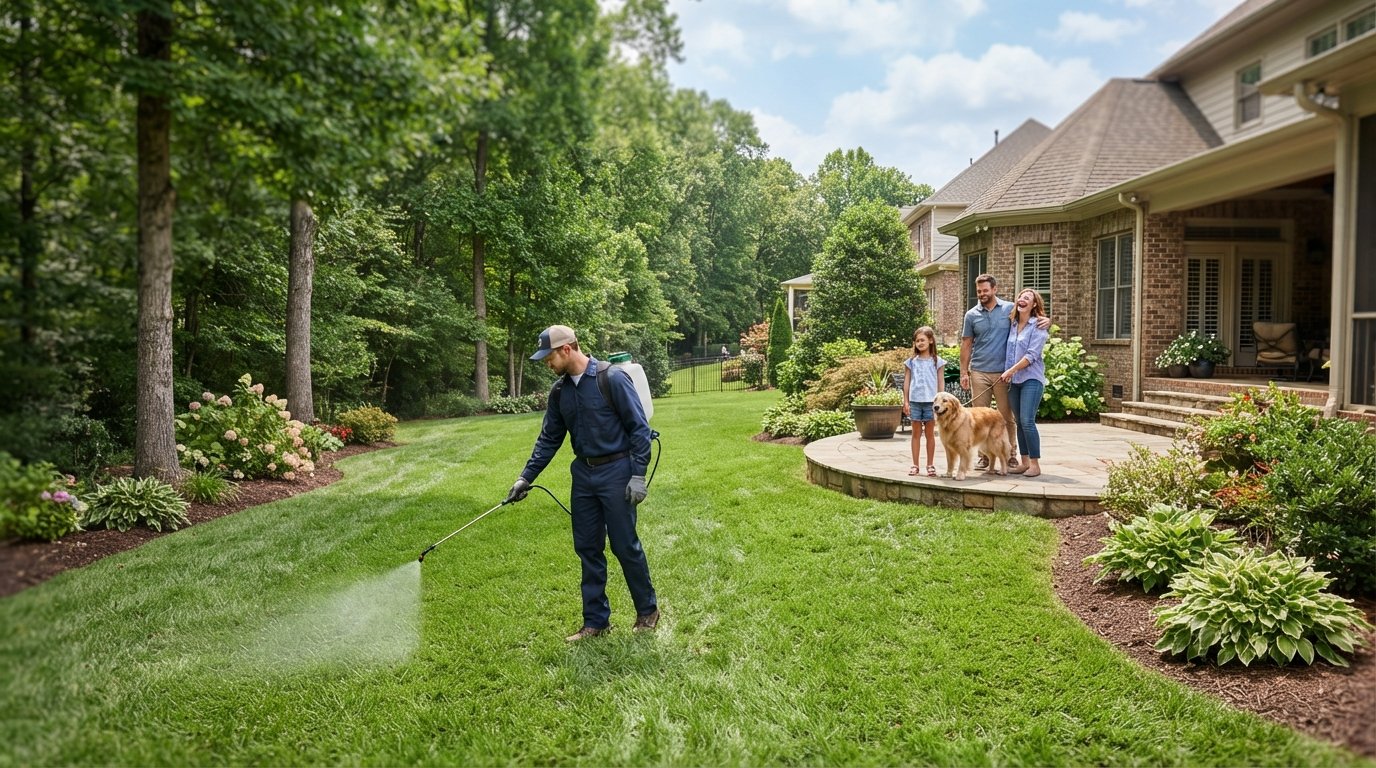
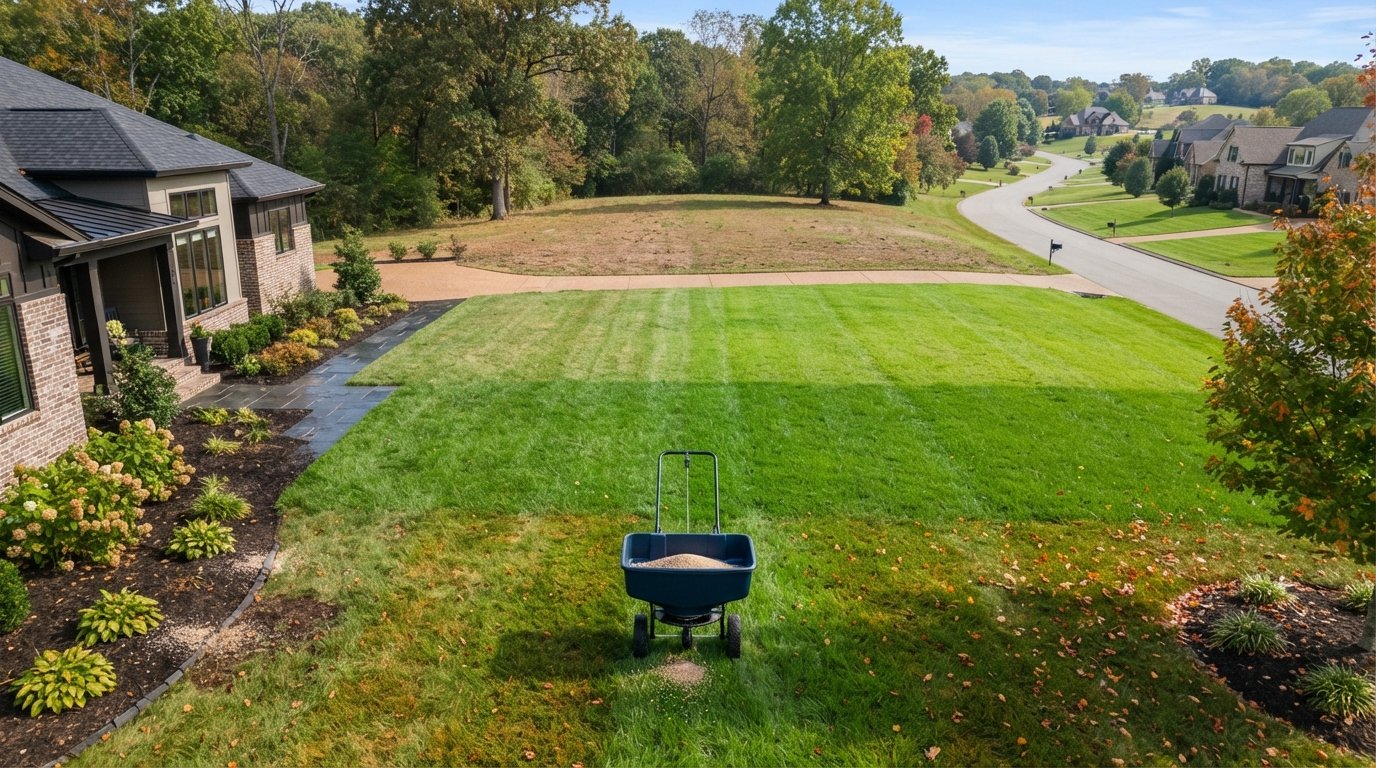
Commercial turf treatments are planned fertilizer and weed-control applications intended to support turf health and manage common weeds. The approach should reflect the site and its conditions. Treatments can help a property maintain a more consistent, presentable appearance, but results depend on the grass, site conditions, and weeds present. For example, Dallisgrass and Johnsongrass may need a separate or targeted approach from treatments used for common broadleaf weeds.
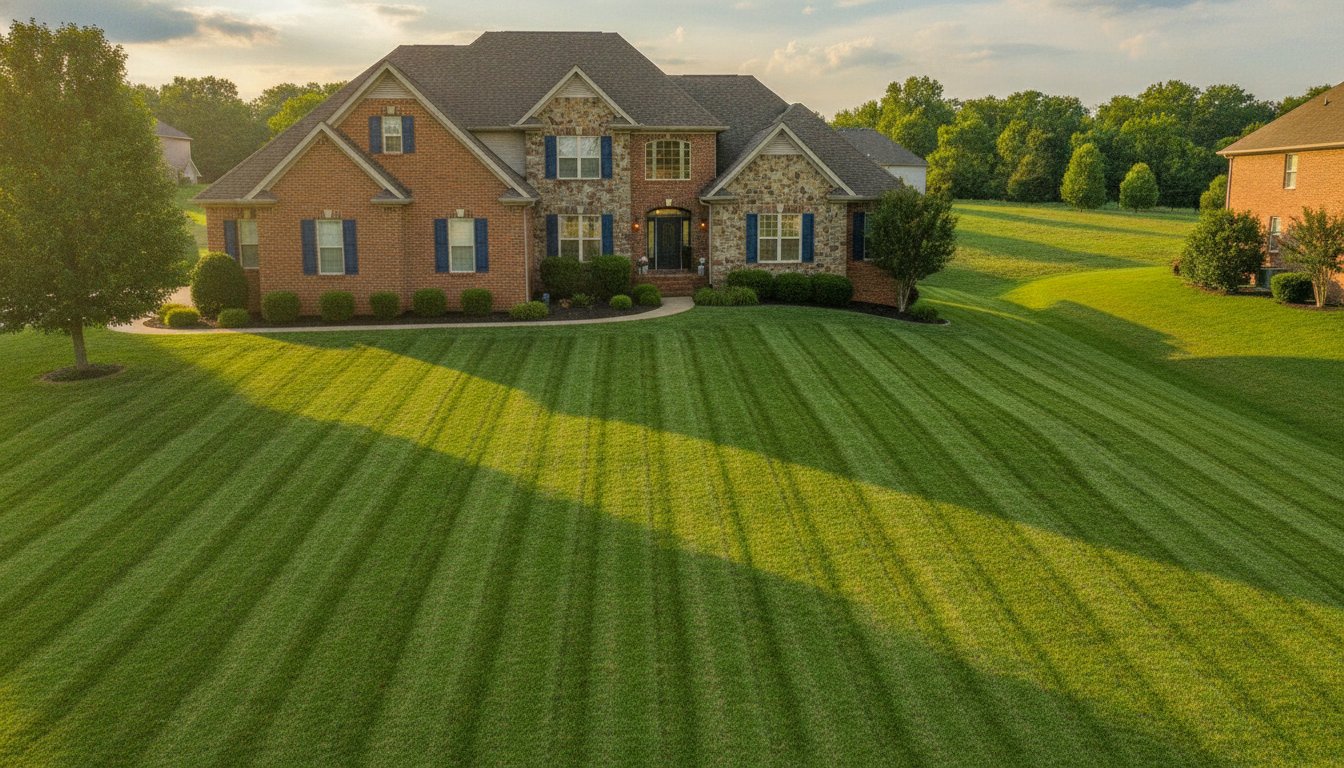
Lawns also serve practical and cultural roles in commercial settings, from framing entrances to providing shared outdoor space. The history and concept of lawns offers broader context for why these areas are maintained. For day-to-day planning, stakeholders need to balance appearance, turf health, and coordination with other property work.
Which commercial properties may need a turf treatment plan?
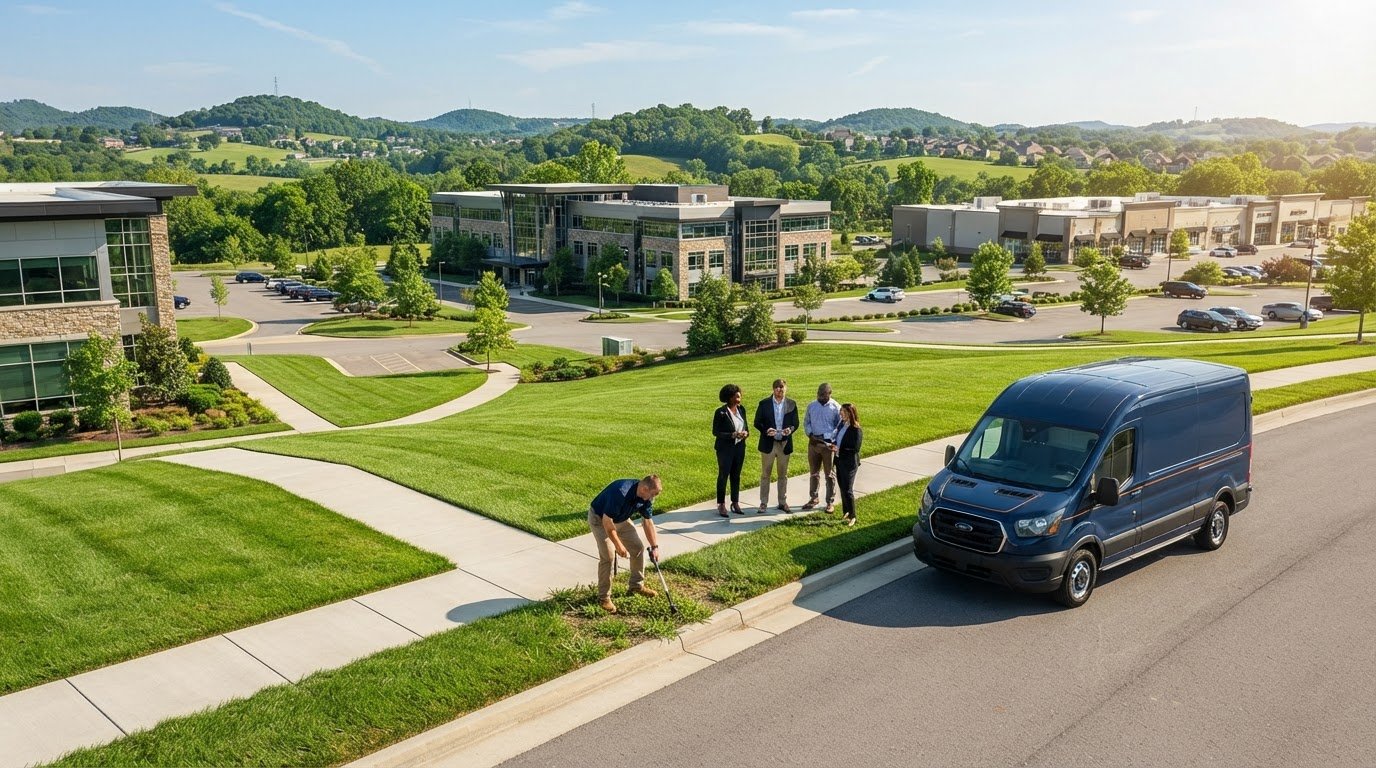
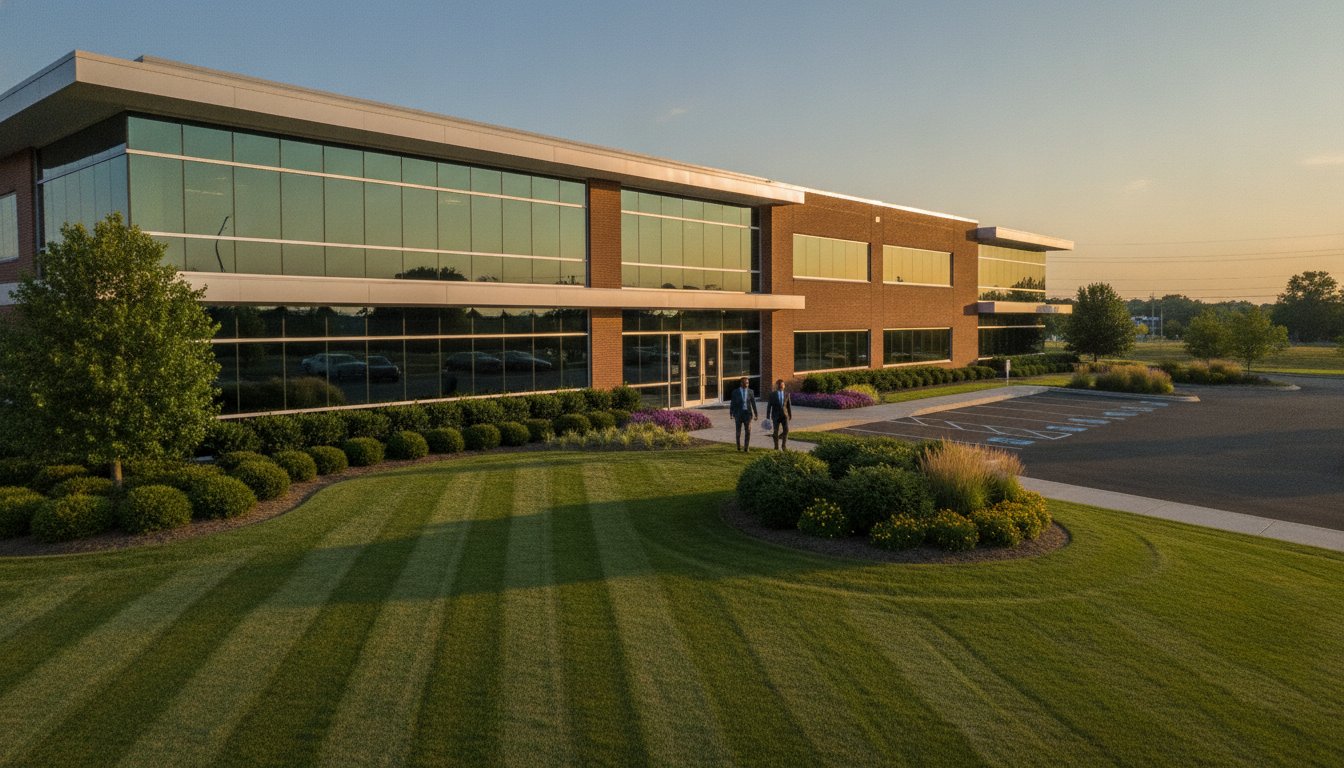
Offices, commercial sites, shared properties, and other managed turf areas may benefit from a defined treatment plan. One property can include sunny frontage, shaded areas beside buildings, compacted turf along walking routes, and low spots with different drainage. In Mt. Juliet, Lebanon, Gallatin, or Hendersonville, the plan should account for how each area is used and what the existing grass and site conditions can support.
These differences matter. High-traffic areas may show wear sooner, while shaded or poorly draining sections can respond differently to treatment. A property-wide scope should identify the turf areas included and flag locations that may need separate attention. That keeps expectations grounded in the actual site instead of a one-size-fits-all promise.
How do lawn treatments differ from mowing and landscaping?
Treatment work focuses on turf health, fertilizer, and weed control. Mowing keeps grass at a managed height; landscaping may involve planting, beds, or construction. Irrigation and other grounds services are separate scopes as well. A commercial treatment provider may complement an existing mowing or landscaping arrangement, but property managers should confirm which contractor is responsible for each task.
Performance Lawns, INC specializes in commercial fertilizer and weed-control treatments, not weekly mowing or landscape construction. If you’re comparing options for commercial lawn care in Hendersonville, first confirm whether you need turf treatments, mowing, landscaping, or a combination of providers.
How Commercial Fertilization and Weed Control Programs Work
A useful treatment plan starts with the property, not a preset calendar. Before recommending applications, a provider should assess turf condition, identify visible weeds, note how different areas are used, and clarify the property’s goals. Is the priority to support turf growth, manage recurring weeds, or address both? These details help shape a scope that fits the site instead of assuming every lawn needs the same approach.
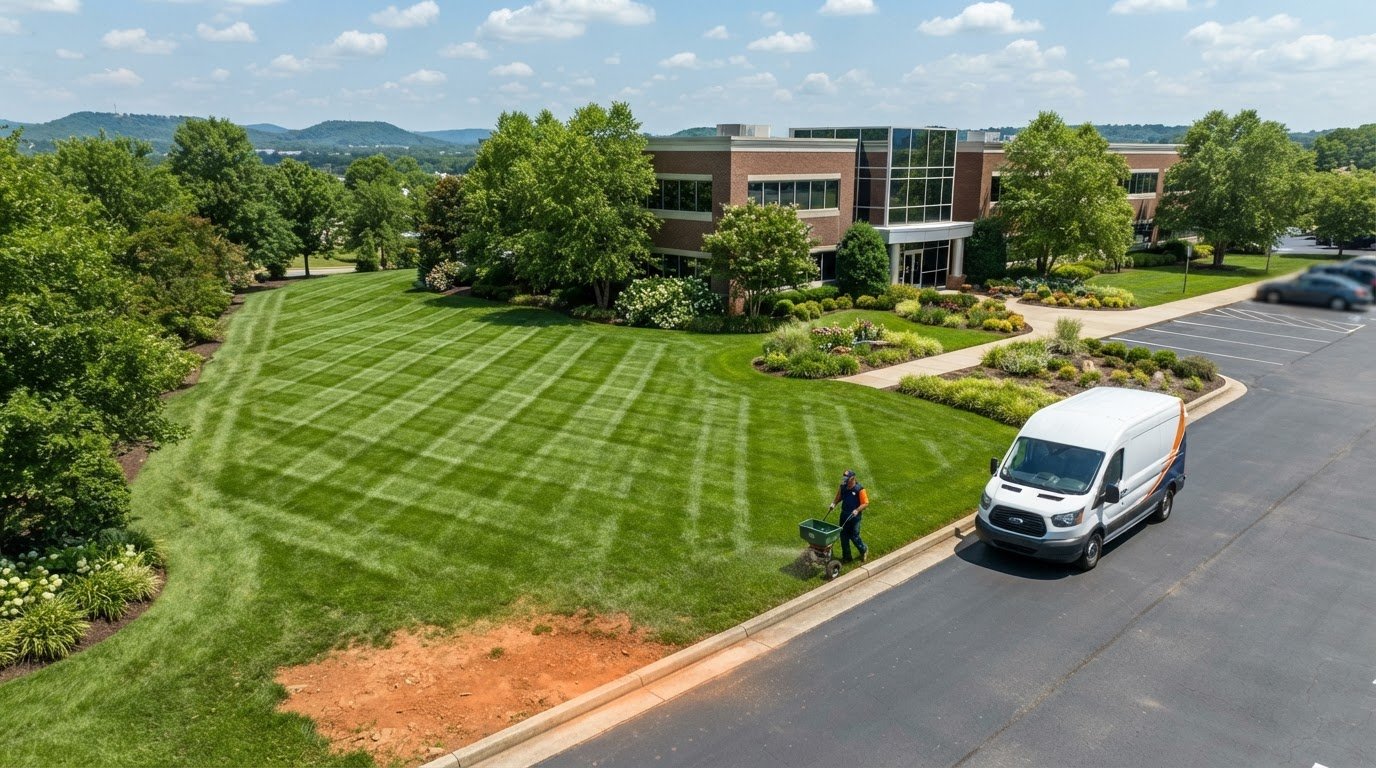
Fertilization supplies nutrients to support turf growth. Weed control targets unwanted plants and can help reduce weed pressure, but results depend on the weeds present, treatment choice, timing, and how the lawn responds. Ask what each application is intended to address and what changes to look for afterward. Performance Lawns, INC provides commercial fertilizer and weed-control services as part of its turf-treatment focus.
Why do commercial turf treatments need site-specific planning?
Sun exposure, soil, drainage, traffic, and turf type can vary across one managed property. A sunny entrance and a shaded lawn beside a building may not respond alike. Compacted or persistently wet areas can have different challenges from open turf. A site assessment helps a provider understand these differences before making recommendations.
Property managers can make that assessment more useful by sharing recurring problem areas, previous treatments, and relevant maintenance history. For example, noting where weeds repeatedly appear or turf seems thin gives the provider useful context for discussing options and practical goals.
When do grassy weeds need a different treatment approach?
Not all weeds respond to the same treatment. Dallisgrass and Johnsongrass are invasive grassy weeds that can be more challenging to manage than common broadleaf weeds. They may not respond to treatments typically used for broadleaf weeds, so a separate or targeted approach may be recommended. Don’t assume a standard fertilization and weed-control program will eliminate them.
For a broader perspective on integrated approaches to weed management, see the University of California’s Weed Management Best Practices. When comparing providers for lawn care for commercial properties, ask how site observations inform treatment choices, what each application is intended to do, and how results will be evaluated. To discuss a treatment scope for your property, contact Performance Lawns, INC with questions about commercial turf treatments.
How to Compare Commercial Lawn Care Providers and Service Scope
When comparing lawn care for commercial properties, look at the work being proposed, not just the provider’s broad service list. A treatment specialist and a mowing contractor may be separate teams, so a clear proposal should show what each is responsible for. Use this table to compare providers on practical details:
| What to compare | What to clarify |
|---|---|
| Scope | Which turf areas and treatment services are included? What is excluded? |
| Site assessment | Does the recommendation reflect site conditions, turf, and recurring trouble spots? |
| Communication | Who is the property’s contact, and how are concerns or site changes shared? |
| Treatment focus | What weeds or turf concerns is the proposed work intended to address? |
| Reporting | What information will the provider share after service, and how can managers ask follow-up questions? |
Ask how the provider identifies weeds, what treatment limitations may apply, how service timing will be coordinated with other contractors, and what follow-up looks like if a problem persists. Dallisgrass and Johnsongrass, for example, may call for a targeted approach rather than treatment used for common broadleaf weeds. For broader guidance on responsible fertilizer use and yard care, consult the EPA guidelines for lawn care.
What should a commercial lawn care proposal make clear?
Look for defined treatment services, a clear description of the property areas covered, and a communication process for questions or concerns. Ask how the provider will review recurring problem spots or site changes, such as a newly shaded area. Check exclusions and responsibilities in writing. If the provider offers a guarantee, ask for its exact terms rather than assuming what it covers.
Reviews and years in business can help you understand a provider’s reputation and experience, but neither guarantees a particular outcome on your property. Compare the proposed scope and answers to your questions alongside those signals.
How can managers coordinate treatments with mowing?
Treatment and mowing may be handled by separate teams. Confirm who arranges site access, shares timing updates, and communicates relevant instructions between providers. Clear responsibilities reduce confusion and help the property manager coordinate work without assuming one contractor covers every grounds task.
Performance Lawns, INC focuses on commercial fertilizer and weed-control treatments, not mowing or full grounds maintenance. If you’re defining a treatment scope, contact Performance Lawns, INC with questions about the commercial service and its fit for your property.
How to Set Realistic Expectations for Commercial Lawn Health
A healthy-looking commercial lawn is a result to work toward, not something one treatment visit can promise. When implementing lawn care for commercial properties, weed control aims to manage unwanted plants and reduce weed pressure, not guarantee a weed-free lawn. Visible changes depend on the weed type, site conditions, timing, treatment approach, and how the turf responds.
Use a steady review process to keep expectations clear and decisions grounded in what’s happening on the property:
- Establish goals. Agree on priorities, such as managing recurring weeds or supporting denser, healthier turf.
- Document conditions. Note existing weeds, thin areas, traffic patterns, and other site concerns before treatment begins.
- Agree on scope. Confirm which areas and treatment services are included, along with any known limitations.
- Monitor consistently. Revisit the same locations and observations over time instead of judging the program from one visit.
- Adjust with your provider. Share what’s changed and discuss whether the approach or expectations need review.
What results can a commercial weed-control program support?
A program can help manage common weeds and support healthier, more attractive turf. That’s a practical goal, not a guarantee of complete removal or permanent prevention. Some invasive grassy weeds require additional consideration: Dallisgrass and Johnsongrass can be harder to manage than many broadleaf weeds and may need separate or targeted treatment strategies. Ask the provider which weeds are present and what the recommended approach is intended to accomplish.
How should a property manager track progress?
Keep a simple record of recurring weed areas, turf density concerns, and site changes, such as increased shade or new foot traffic. Use consistent observations and share them with the provider during follow-up conversations. If fertilization is part of the agreed scope, discuss how it supports the property’s turf goals. Learn more about professional lawn fertilization in Middle Tennessee.
One visit offers only a snapshot. Comparing the same areas over time gives property managers and providers a clearer basis for discussing what’s improving, what remains challenging, and whether the plan fits the site. For help discussing commercial fertilizer and weed-control treatment expectations, contact Performance Lawns, INC.
Choosing a Middle Tennessee Commercial Lawn Treatment Partner
A good fit starts with a clear scope, a thoughtful site assessment, relevant treatment expertise, and reliable communication. Decide whether you need fertilizer and weed-control treatments or a broader grounds-care arrangement, then check that the provider’s proposal matches. A specialist can work alongside an existing property team without taking on services outside its scope.
Performance Lawns provides commercial fertilizer and weed-control treatments in Middle Tennessee communities including Mt. Juliet, Lebanon, Gallatin, and Hendersonville. Confirm that service is available for your specific property. Review the provider’s recommendations and limitations, too. Weed control can help manage common weeds, but outcomes depend on the weeds and site conditions, and some grassy weeds may need a separate approach.
When is a treatment specialist the right fit?
A treatment specialist may suit a property that already has a grounds team but needs focused support for turf fertilization and weed control. Mowing, landscaping, irrigation work, and tree care may require separate providers, so confirm who handles each responsibility and how the teams will coordinate. For local context, consult a guide to commercial lawn care in Hendersonville as you compare options in that area.
Performance Lawns focuses on treatments rather than full grounds maintenance. You can review its commercial fertilizer and weed-control services to see whether that scope aligns with your property’s needs.
What should happen before requesting a commercial assessment?
Prepare a few details to help a provider understand the property and determine whether its services are a fit:
- Property location and approximate turf areas that need attention
- Known concerns, such as recurring weeds, thin turf, or areas that respond differently
- Current service arrangements, including who handles mowing and other grounds work
- Questions about the treatment scope, follow-up communication, and any limitations
Ask which commercial treatment services are currently available for your location and what information the provider needs to assess the site. Clear details make it easier to discuss realistic goals and responsibilities before work begins. To discuss commercial lawn treatment needs with Performance Lawns, share your property location and the concerns you’d like to address.
Build a Clearer Plan for Your Commercial Turf
Strong lawn care for commercial properties starts with a defined treatment scope, recommendations based on the site, and clear communication about realistic results. Fertilizer and weed-control treatments can support healthier, more attractive turf, while mowing, landscaping, and other grounds work may remain with separate providers.
Performance Lawns provides commercial fertilizer and weed-control treatments in Middle Tennessee. The company has over 15 years of experience and offers a no-risk guarantee. Ask about the guarantee’s exact terms and scope before relying on it.
Before choosing a provider, share your property’s location, turf areas, recurring concerns, and existing service arrangements. That conversation can help clarify whether the treatment scope fits your needs and what to expect from ongoing weed management.
Ready to discuss a treatment plan for your commercial property in Mt. Juliet, Lebanon, Gallatin, Hendersonville, or elsewhere in Middle Tennessee? Contact Performance Lawns to discuss your commercial lawn treatment needs.
Frequently Asked Questions
What does commercial lawn care usually include?
Commercial lawn care may include planned turf treatments such as fertilization and weed control, but the exact scope varies by provider. Ask which areas are covered and what each service is intended to do. Mowing, landscaping, irrigation work, and other grounds services may be separate. For lawn care for commercial properties, a written scope helps owners and managers coordinate responsibilities and set practical expectations for turf appearance and health.
Does commercial lawn care include mowing?
Not always. Some contractors combine mowing with turf treatments, while others specialize in fertilizer and weed control. Performance Lawns focuses on lawn treatments and doesn’t provide weekly mowing or string trimming, so a property needing those services would coordinate with a separate mowing provider. Before agreeing to a plan, confirm who handles mowing, treatments, site access, and communication so the teams can work within a clearly defined scope.
How often should a commercial property receive lawn treatments?
There isn’t one treatment frequency that fits every commercial property. Appropriate timing depends on the turf, weeds present, site conditions, treatment approach, and program recommended for that property. Ask the provider to explain the proposed timing, the purpose of each treatment, and how the plan may be reviewed if conditions change. Don’t assume a schedule designed for another site will suit your property without an assessment.
Can commercial weed control eliminate every weed?
No. Weed control can help manage common lawn weeds and reduce weed pressure, but it can’t promise that every weed will disappear or stay away. Results depend on weed type, site conditions, timing, and treatment approach. Dallisgrass and Johnsongrass can be harder to manage than many broadleaf weeds and may need separate or targeted treatment. Ask which weeds have been identified and what the recommended approach can realistically address.
What should I ask before hiring a commercial lawn treatment provider?
Ask which property areas and treatments are included, whether the provider will assess site conditions, and how it identifies recurring weeds. Clarify treatment limitations, proposed timing, follow-up communication, and which tasks require another contractor. If a guarantee is mentioned, request its exact terms in writing. Reviews and experience can inform your decision, but they don’t guarantee a particular result on your site. Compare providers by scope and the answers to your questions, too.
Does Performance Lawns provide commercial lawn care in Middle Tennessee?
Performance Lawns, INC provides commercial fertilizer and weed-control treatments, and its local service area includes Mt. Juliet, Lebanon, Gallatin, and Hendersonville. Confirm that service is currently available at your address. The company specializes in turf treatments, not mowing, landscaping, or irrigation installation. Share your property location and treatment needs when asking whether the service is a fit.