A single summer-only schedule can miss the different rhythms of local pests. Seasonal mosquito and tick control in Hendersonville, TN, needs to account for mosquitoes that are most active in warm, humid summer conditions, especially after rain leaves standing water, and ticks that are most active in spring and fall. That timing matters when you want to enjoy your yard while also considering children and pets.
It’s understandable to focus on bites when outdoor activity picks up, but conditions around your property matter too. Standing water can support mosquito breeding, while wooded areas and overgrown vegetation can provide habitat for ticks. Reducing these conditions is a practical part of seasonal mosquito and tick control in Hendersonville, TN.
This guide explains why mosquito and tick activity changes through the year in Hendersonville, what professional seasonal service involves, and which yard conditions can contribute to pest pressure. It also covers considerations for households with children and pets, helping you make informed decisions about care for your outdoor spaces.
Why is mosquito control particularly important in Hendersonville?
Hendersonville’s humid subtropical climate brings long, muggy summers and mild, wet winters. Mosquitoes become especially active during warm summer weather, and rain can leave standing water where they breed. Some mosquito species can use as little as a bottle cap of water. That makes small outdoor containers and overlooked corners relevant to seasonal pest pressure.
Which mosquito and tick control companies serve Hendersonville, TN, and how do their plans compare? Residential pest-control plans can differ in treatment scope, seasonal scheduling, included follow-up visits, and service-area boundaries. Compare what each plan actually covers, rather than assuming recurring service includes a free evaluation or a free re-service.
Tennessee licensing requirements depend on the work performed. A seasonal schedule or complimentary home evaluation is not itself a licensing credential. When considering a provider, review the applicable credentials and treatment documentation for the service.
A home evaluation can identify conditions that affect a treatment plan, such as shaded resting areas, dense vegetation, or water-holding containers. “Free” describes a business’s pricing policy, not a standard feature of pest control. Similarly, treat a guarantee or free re-service as a written plan term, and review its conditions and limits.
Recurring seasonal service follows pest activity rather than a single calendar date. Mosquitoes are most active in Hendersonville’s warm, humid summer conditions, particularly after rain. Ticks are most active in spring and fall, when moderate temperatures and wooded surroundings suit them. A plan focused only on summer mosquitoes may miss the different timing of tick activity.
Service locations and coverage can vary by provider and route. Hendersonville-area coverage should be understood by the exact property address, not by a broad reference to Middle Tennessee. The local mosquito control service details describe the residential treatment focus, while a property-specific assessment can identify outdoor areas relevant to the service.
Reducing habitat supports a more complete approach. Empty stagnant water from containers, and keep shrubs and trees trimmed away from the home. These steps address common mosquito and tick conditions but do not replace professional treatment. For households with children and pets, the treatment plan should clearly explain application instructions before outdoor spaces are used again.
Hendersonville homeowners can seal foundation cracks, add door sweeps, and caulk gaps around windows and doors. A chimney cap, durable mesh over vents, and keeping bushes and trees trimmed away from the home can also help reduce pest access.
Is the product safe for children and pets in Hendersonville?
When children and pets are at home, start by finding out what treatment is planned and how it will be applied. A product described as family- or pet-considered is not automatically suitable for every household situation. A toddler’s play area, a dog’s outdoor water bowl, and a cat’s preferred resting place each raise different practical considerations. Clear application instructions help families plan around treatment and protect the spaces they use.
Before recurring pest-control service begins, share relevant household details with the technician. Mention where children play, where pets spend time, and whether animals use a particular patio or run. This information can inform the inspection and help identify areas for careful treatment placement. Keep pets and children away from the application area while technicians work, and follow the product-specific instructions for when those spaces can be used again.
The phrase “EPA-registered” alone doesn’t explain how a particular treatment fits your home. Look at the product name, label, intended use, and application directions. The label’s instructions are specific to that product and should guide decisions about treated surfaces, re-entry, and contact with outdoor areas. A general claim about protection cannot replace those directions.
For example, a family with a crawling infant may be concerned about treated lawn edges, while a dog owner may focus on a kennel or water station. A treatment plan should account for how these areas are used, not just the property boundary. Technicians can explain where they apply treatment and what household members should avoid during application. The phrase “pet-friendly” alone does not answer those practical questions.
Communication between visits matters, too. Tell the technician if your household routine changes, such as adding a puppy or moving a play area. An inspection can then account for new activity zones. Keep product instructions available after each visit so caregivers and pet sitters receive the same guidance. These steps support thoughtful pest control without suggesting that any treatment removes every risk.
When discussing service for a Hendersonville property, describe the household’s outdoor routine and ask for the treatment instructions that apply to the products used. A careful plan considers application location, label directions, and the people and animals using the yard. To discuss household considerations for a property, contact Performance Lawns, INC with the details that matter to your family.
How professionals assess yard habitats and recommend habitat reduction
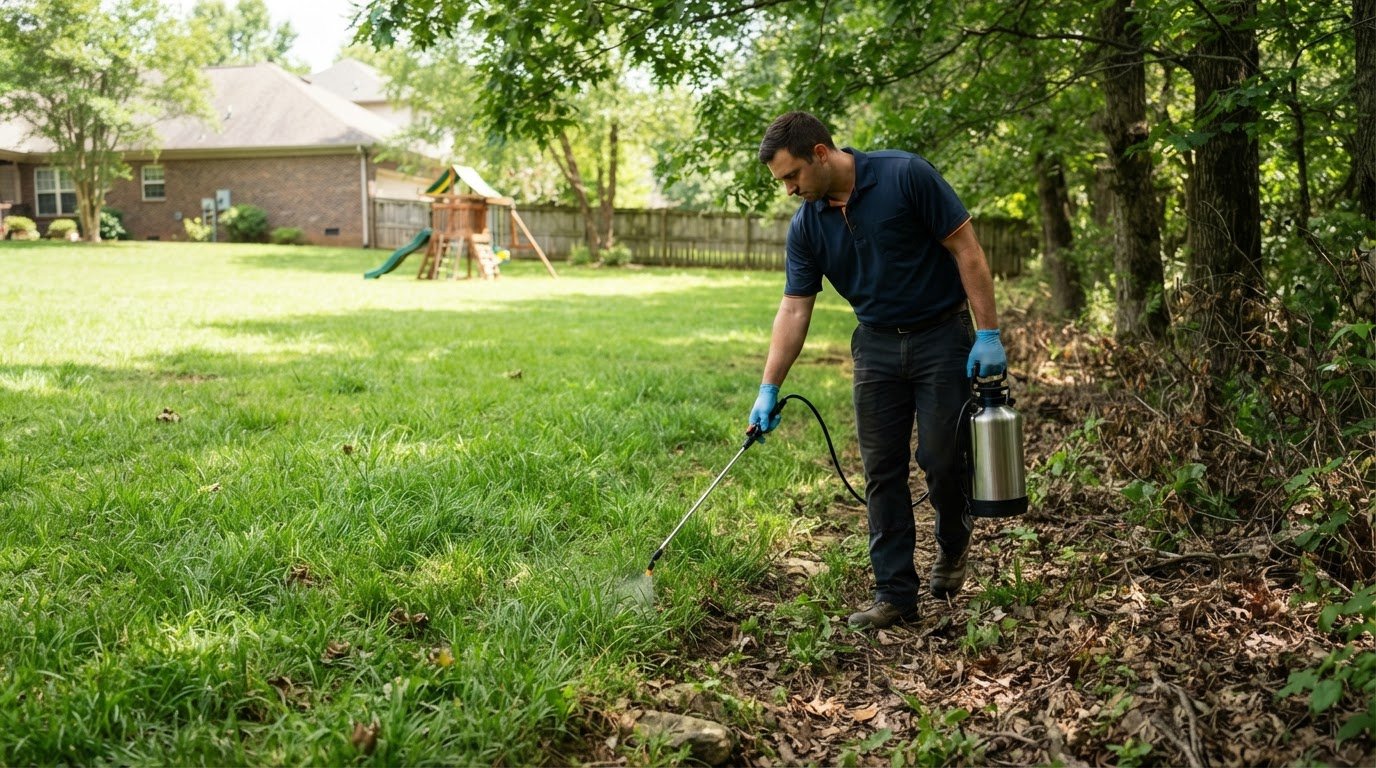
A professional habitat assessment looks for conditions that support mosquito or tick activity, then connects each finding to a practical recommendation. In Tennessee, a yard may include sunny lawn and shaded edges near trees, so one treatment approach may not address every area. The inspection should distinguish likely mosquito breeding sites from the damp, sheltered places where ticks may be encountered.
For mosquitoes, an assessment considers places that hold water after rain, including containers, low spots, and neglected outdoor items. The technician can identify which sources you can remove, empty, or manage, and which areas may need a treatment recommendation. This distinction matters because treating vegetation does not remove water where mosquitoes can develop. A clear assessment connects each observed condition with a proposed response.
Tick habitat calls for a different assessment. A professional may note wooded borders, dense groundcover, leaf litter, and overgrown shrubs near areas people use. A shaded path beside a wooded edge, for example, presents a different exposure concern from an open patio. Recommendations can focus on reducing dense vegetation near the home and separating frequently used spaces from tick-friendly cover.
Recommendations should reflect the property, not just repeat a generic checklist. A technician might identify a water-holding planter near a patio, then separately note leaf buildup along a fence. The first finding points to removing standing water; the second may call for clearing debris. If trees or bushes touch the home, trimming them back can help reduce pest access and create a clearer barrier around the structure.
Homeowners should receive a practical explanation of what the assessment found, which changes can reduce habitat, and what professional treatment addresses. Property work and pest treatment are not necessarily the same service. The scope should clarify whether a recommendation is included in the treatment or involves an additional charge. Don’t assume there is no additional charge unless the scope says so.
After habitat changes, a follow-up inspection can show whether the original conditions remain. A cleared border may need attention again if leaves and vegetation accumulate, while a container can collect water after later rainfall. Not every yard needs the same recurring schedule. Seasonal timing, tree cover, drainage, and observed pest activity shape recommendations for each Hendersonville property.
Mosquito-borne and tick-borne health concerns
Before treatment, tell the technician where children and pets spend time around your home. Afterward, follow the product label and the technician’s instructions for treated areas.
Mosquito-Borne Health Concerns
Mosquito bites can transmit Eastern equine encephalitis, and mosquitoes can transmit heartworm disease to dogs and cats. Nashville’s Metro Public Health Department confirmed one locally acquired human West Nile virus case in 2025 and found West Nile virus in mosquitoes at 27 trapping sites that year. These reports show why mosquito activity matters, without establishing the same findings for every Hendersonville property.
Tick-Borne Health Concerns
Ticks create a distinct outdoor exposure concern, particularly in wooded settings and during their active seasons. Their presence around a yard can affect how residents use paths, play areas, and shaded ground. A customized assessment should identify where people and pets encounter tick habitat, then consider how treatment and habitat reduction can address those specific areas. Beyond property maintenance, veterinary practices such as Animal Hospital of Sullivan County emphasize pairing outdoor management with routine pet parasite preventatives to keep animals safe from tick-borne illnesses.
West Nile virus risk in Middle Tennessee is highest late in the mosquito season. In Davidson County, infected mosquitoes were detected at every sampling site by mid-October 2024. These local and regional reports provide context, not a prediction of risk at an individual home. Mosquito treatments focus on areas where adult mosquitoes rest, while reducing breeding sources addresses standing water.
Preparation helps technicians understand how you use the property. Point out children’s play spaces, pet areas, outdoor furniture, and frequently used entrances. Share household concerns before application so the treatment plan accounts for those locations. Keep people and animals away from treated areas according to the product label and technician instructions.
After treatment, follow the specific re-entry directions for the product used. Don’t assume all products have the same instructions or timing. Keep pets out of treated spaces until the label allows use, and put away outdoor items only as instructed. These details matter because application methods and product labels can differ.
Health-conscious pest control combines targeted treatment with attention to breeding and habitat. For example, removing standing water can reduce places where mosquitoes develop, while a wooded yard edge calls for attention to tick exposure. Nashville’s 2025 surveillance findings underline the value of seasonal awareness, but they don’t replace property-specific assessment or careful application directions.
Seasonal mosquito and tick control in Hendersonville
Seasonal planning should follow local pest activity, not a fixed summer-only calendar. Hendersonville’s mosquito and tick schedules differ, so service timing should account for both.
Seasonal Service Planning
Seasonal mosquito and tick control in Hendersonville should address mosquitoes in warm, humid summer conditions and ticks during spring and fall. A plan should identify which pests are covered, when visits are scheduled, and how timing responds to changing activity. In Middle Tennessee, mosquito activity typically peaks in mid to late summer, while ticks thrive in moderate temperatures and wooded environments.
That difference matters for households using a shaded yard through spring and summer. A mosquito-focused schedule may not align with tick activity in spring or fall. Review service scope and seasonal visit timing together, so the plan reflects both the property and the pests being addressed. The goal is to match service to local conditions, not assume every month brings equal activity.
Treatment Start Timing
Mosquitoes are most active in Hendersonville during warm, humid summer weather, especially after rain leaves standing water. Mosquito service can begin when spring temperatures consistently reach the 50s and continue through the first sustained cool weather of fall. This gives homeowners a seasonal window for planning before peak mid to late summer activity.
Starting when spring temperatures stay warm helps account for mosquito activity before summer peaks. Timing should follow consistently warm conditions, not one unusually mild afternoon. As summer progresses, rain can leave standing water around a property and support mosquito breeding. Service visits should fit the active season, while the treatment approach accounts for conditions on the ground.
Tick timing follows a different pattern. Spring and fall are key active seasons in Hendersonville, particularly near wooded areas. A family using a wooded trail or shaded yard edge may need to consider tick activity beyond the core mosquito season in summer. Seasonal planning should distinguish these exposure periods rather than treat mosquito and tick schedules as interchangeable.
A useful seasonal plan connects local activity, property conditions, and visit timing. A wet summer, for example, can increase concerns about standing water, while a wooded edge remains relevant in spring and fall. A property assessment can help shape where service focuses and when recurring visits make sense. Clear scheduling also helps households plan outdoor use around treatment instructions.
For services in Hendersonville, the main takeaway is straightforward: start mosquito service as spring temperatures consistently reach the 50s, maintain it through the first sustained fall cool weather, and account separately for spring and fall tick activity. Discuss seasonal service timing for your property and outdoor routine.
Performance Lawns: Residential Mosquito, Tick & Flea Control
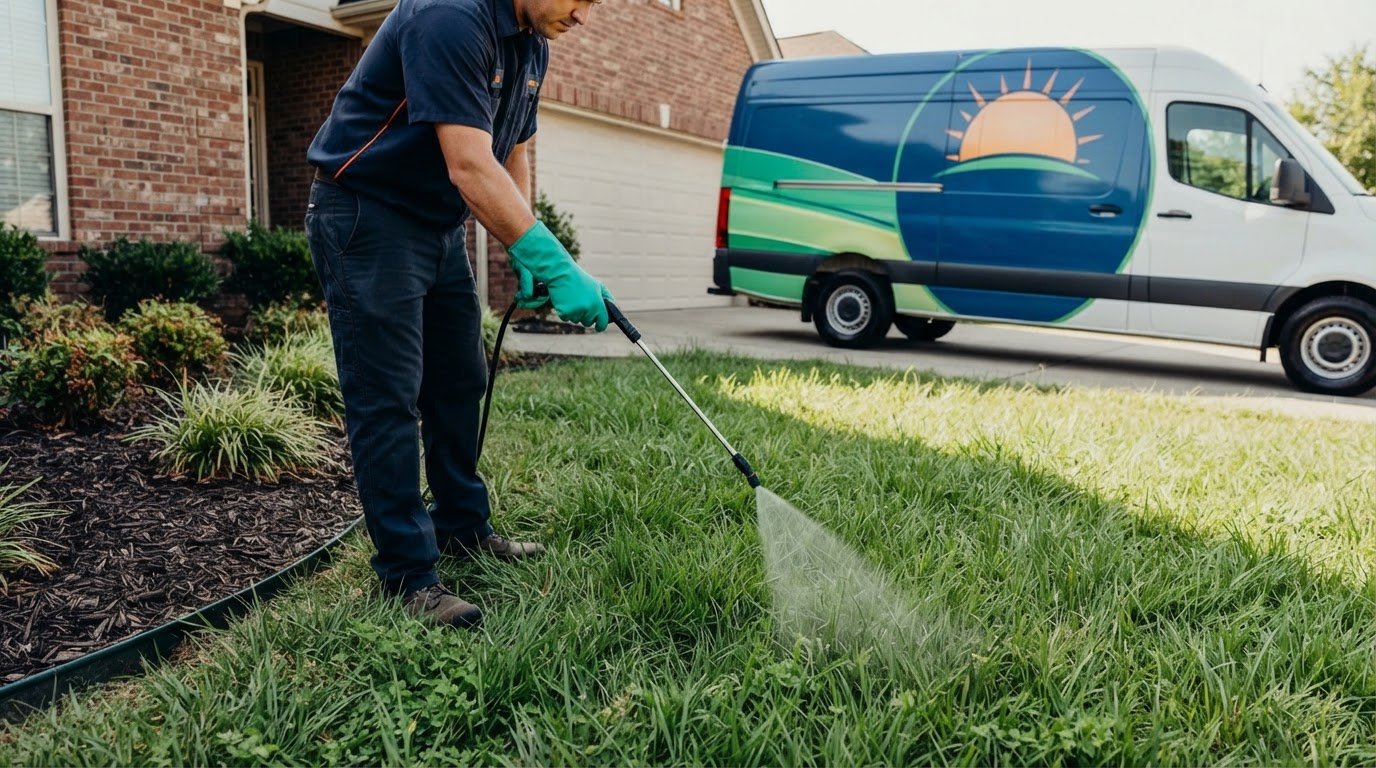
Performance Lawns provides residential mosquito, tick, and flea control for homeowners seeking professional help with recurring outdoor pest concerns. The service fits households dealing with mosquito activity in summer, tick exposure near wooded areas, or flea concerns that can persist through Tennessee winters. A property’s conditions and the pests present help shape the treatment approach.
Turn to professional service when seasonal pest pressure makes it harder to enjoy your yard, or when you want mosquito, tick, and flea concerns addressed together. Share how your household uses outdoor spaces, including where children play and pets spend time. This information helps guide treatment around your priorities.
For residential mosquito, tick, and flea control, contact Performance Lawns to discuss your property.
Make your next step fit your yard
A yard is part of daily life, not just a place to manage pests. Consider how your household uses it, from quiet evenings on the patio to children’s play and pets exploring the lawn. Those routines can guide a practical conversation about the areas that matter most and the seasonal care that fits your property.
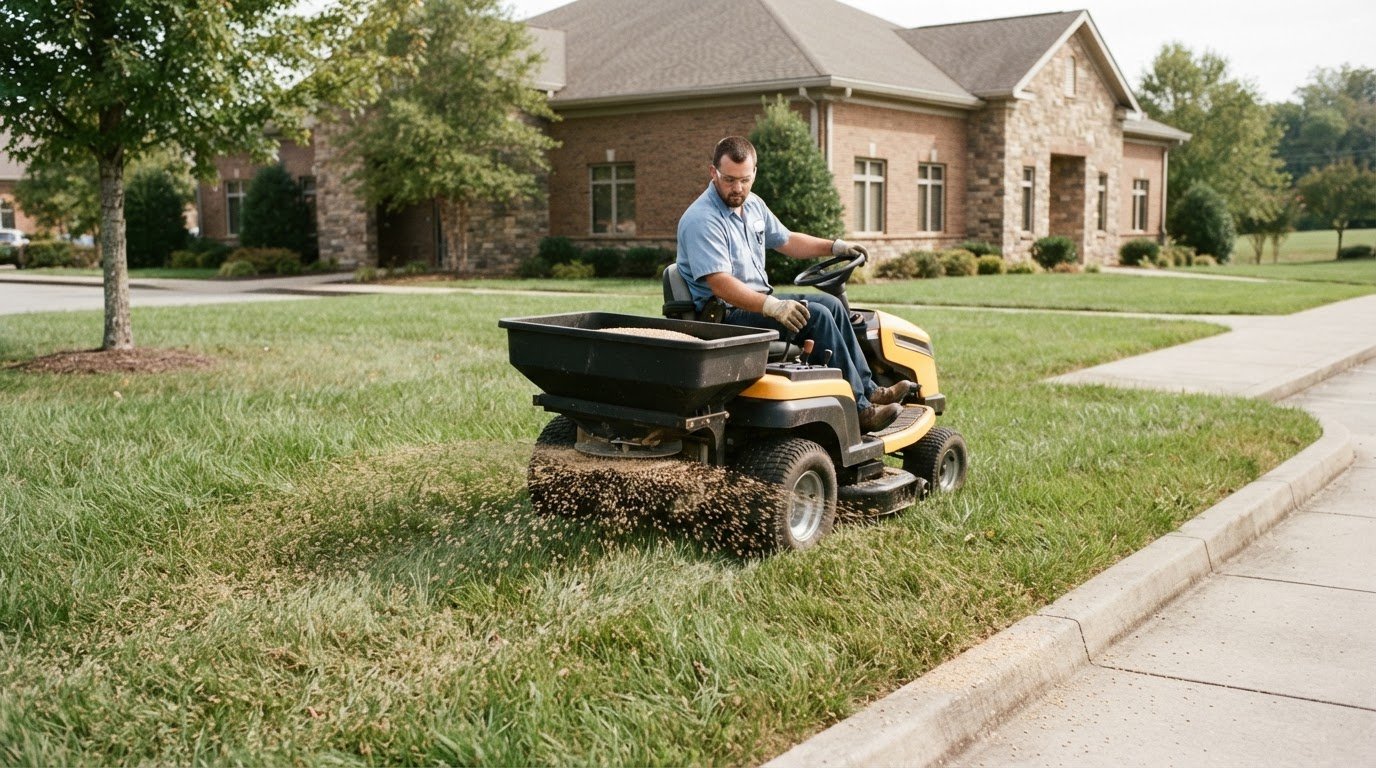
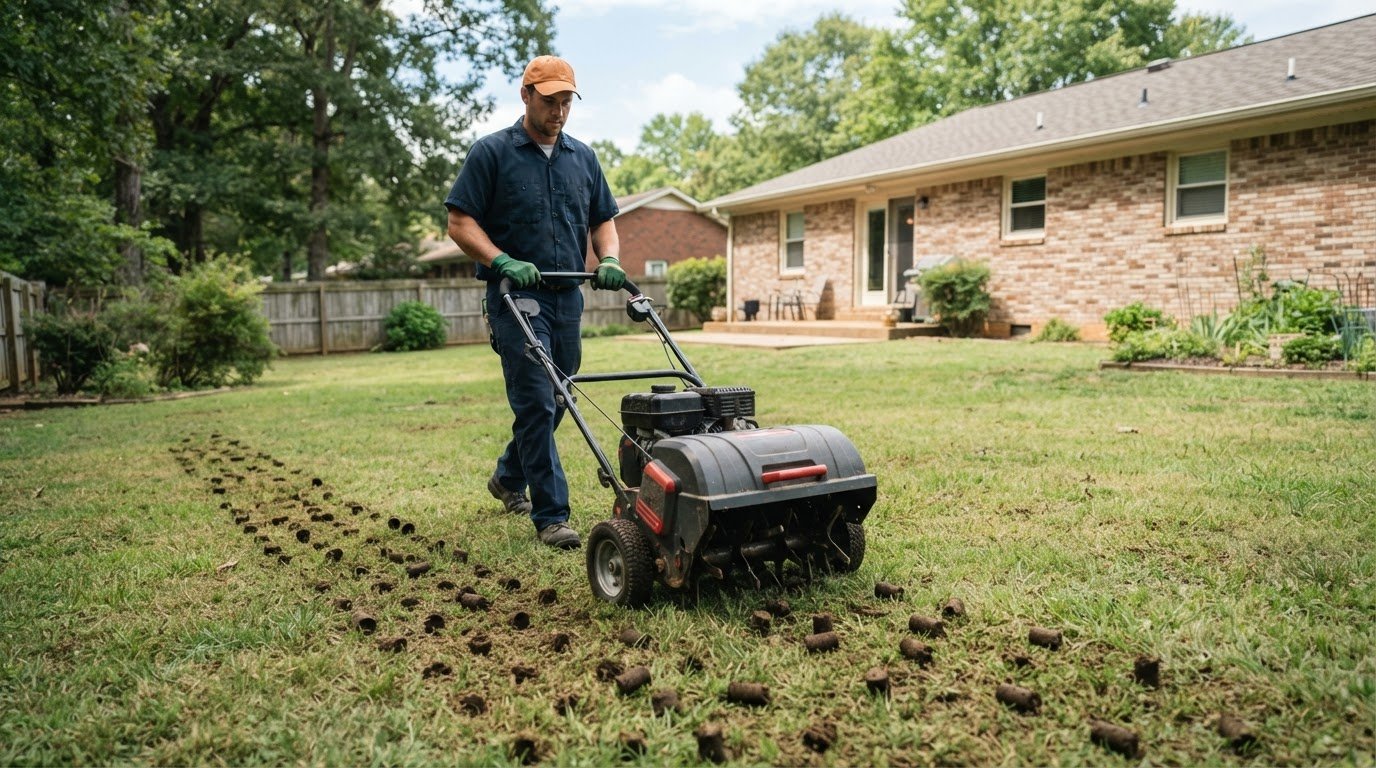
For seasonal mosquito and tick control in Hendersonville, TN, a property-focused plan can connect pest concerns with broader outdoor priorities. Performance Lawns, INC also offers Lawn Treatments, Weed Control and Fertilization, and Residential Aeration & Overseeding for homeowners addressing other aspects of lawn care. Each service addresses a different need, so the next step depends on what you want to improve.
Share your property’s needs and outdoor priorities when you contact Performance Lawns, INC. A considered plan can help you make more confident use of the outdoor spaces you value.
Frequently Asked Questions
Are ticks a problem in Nashville?
Ticks are a seasonal outdoor pest concern in the Nashville area, including nearby Hendersonville. Their presence can affect how residents plan yard use, especially around areas where people and pets spend time outside. Performance Lawns provides residential pest-control service for ticks, mosquitoes, and fleas. Describe where you’ve noticed tick activity so the service can focus on the relevant parts of your property.
How long does an application take?
Application time depends on the property and the work included, so one visit duration won’t fit every situation. A straightforward yard differs from a property with several separate areas or access points. Share gate or access details when arranging service, and identify the outdoor spaces that matter most. This information helps the technician plan around the treatment scope.
What kinds of pests are in Hendersonville, TN?
Residential outdoor pest-control service addresses mosquitoes, ticks, and fleas. These are distinct concerns, so describe the pest you’ve encountered rather than assuming one treatment covers every insect around the property. A concern involving a pet’s outdoor area, for example, may point to fleas, while repeated outdoor bites may prompt a discussion about mosquitoes. The pest you report helps clarify the service focus.
Will plants, vegetables, or beneficial insects in Hendersonville be impacted?
Effects on plants and insects depend on the product and how it is applied. Identify edible crops, flowering plants, and other sensitive areas before discussing treatment, and ask how the proposed application relates to them. A vegetable bed beside a lawn may call for different consideration from an ornamental planting area. Product-specific directions explain intended use and relevant precautions for the property.
When is tick season in Hendersonville and which ticks are common in Sumner County?
Tick activity in Hendersonville is most active during spring and fall. If you find a tick, don’t assume its species based on the season or location alone. Record where you encountered it and seek accurate identification before drawing conclusions about its type. This makes a report about a tick encounter more useful than relying on a general seasonal assumption.
What seasonal mosquito and tick control services are available in Hendersonville, TN?
Residential service is available for mosquito, tick, and flea control. When discussing service, identify the main pest concern and whether you want more than one addressed. The treatment scope should state which pests are included, so expectations are clear before work begins. This is especially useful when mosquito concerns and pet-related flea concerns occur in different parts of the same property.
How often should mosquito and tick treatments be applied during the season?
Application frequency should follow the service plan and product label directions. Ask how the schedule addresses the specific pests included and whether mosquito and tick treatments follow the same interval. Don’t assume every plan has the same recurring schedule. The treatment product, intended use, and seasonal service scope are the relevant details for understanding the interval for your property.
Are mosquito and tick pesticides safe for children, pets, pollinators, and gardens?
No single answer applies to every pesticide or property. The product label and application details determine how a particular treatment should be used and what precautions apply. Before service, describe household priorities, such as garden beds or areas used by pets. Ask for directions specific to the product being applied rather than relying on broad claims about safety across all treatments.