

A healthier lawn takes more than a quick treatment. Comprehensive lawn treatment services in Mt. Juliet can address weed pressure, turf nutrition, and soil conditions through a plan suited to the lawn’s needs. The right approach supports stronger, more attractive grass without promising that every weed or lawn problem will disappear.
Choosing professional care can feel complicated when you’re weighing treatments, soil health, and what your property needs. Start by identifying the main concern, such as weeds, thin turf, or compacted soil. Matching the service to the problem helps you avoid a one-size-fits-all approach.
This article explains how pre-emergent and post-emergent weed control differ, what soil enrichment and aeration can contribute, and what to consider when hiring a lawn care professional in Mt. Juliet. You’ll also learn how to assess whether a treatment plan fits your lawn and where professional support can make ongoing care simpler.
Need a pro for your lawn service project in Mount Juliet, TN?
Strong lawn care pairs fertilization with weed control and soil care suited to the property. In Mt. Juliet, treatment timing and turf type help determine which steps make sense.
Treatment Program Components
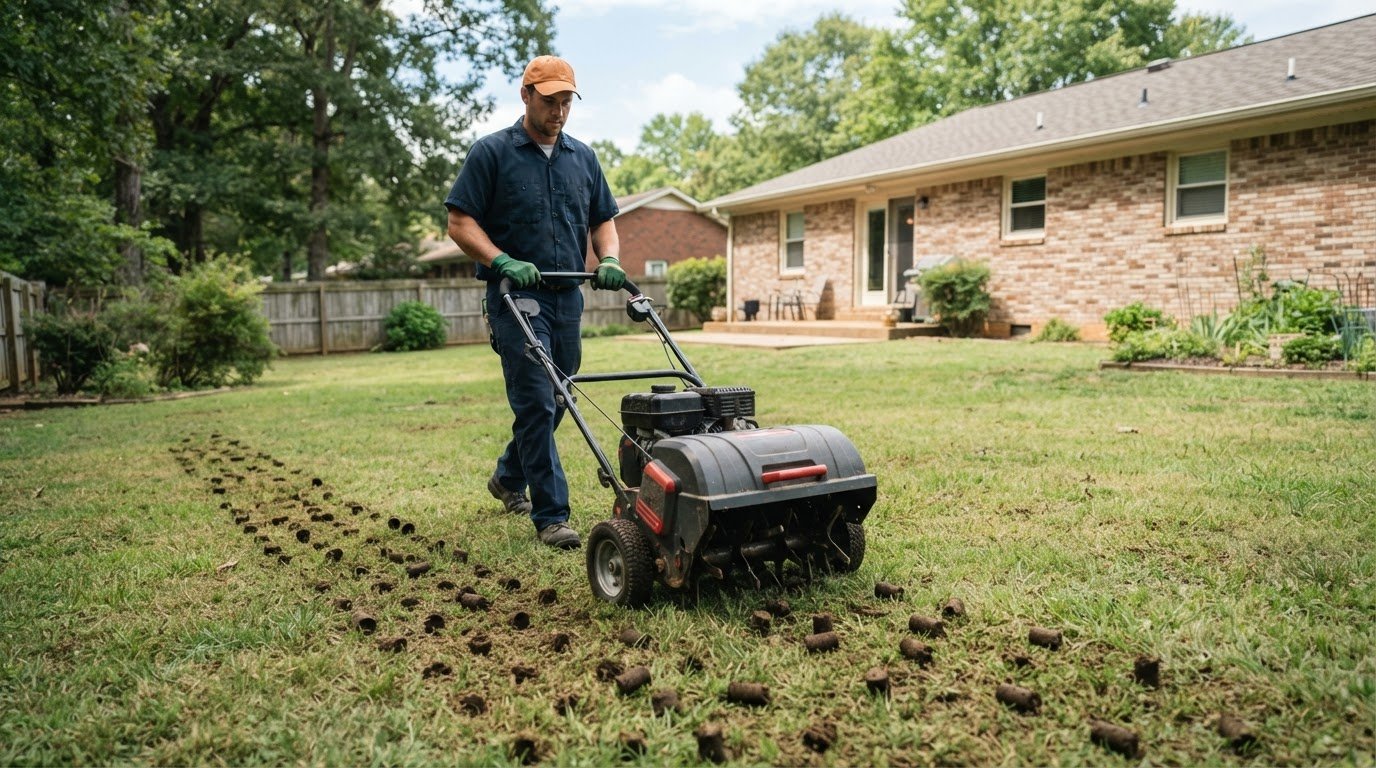
A comprehensive program can combine lawn fertilization, soil care, and targeted weed treatment. Each serves a different purpose: fertilization supplies nutrients, aeration helps improve soil conditions, and weed control manages unwanted plants. For example, a lawn with compacted soil may benefit from aeration alongside nutrient and weed care. Choose a plan based on the turf and the conditions you can observe.
Mt. Juliet’s heavy clay soils may contribute to compaction and drainage problems. Soil enrichment can include expert analysis and organic amendments, with treatment choices guided by the lawn’s needs. A professional evaluation helps distinguish soil concerns from weed or nutrient issues before treatments are selected.
Seasonal Fertilization and Weed Control
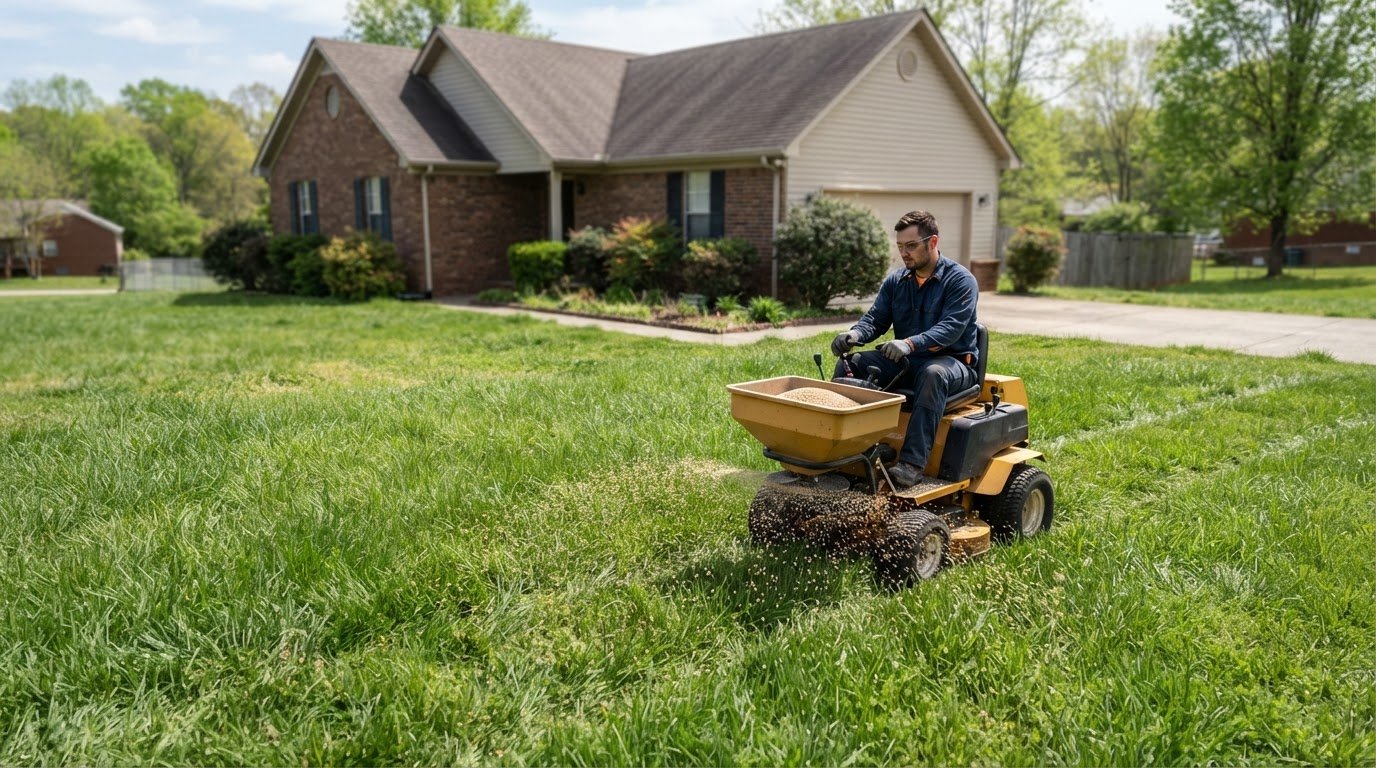
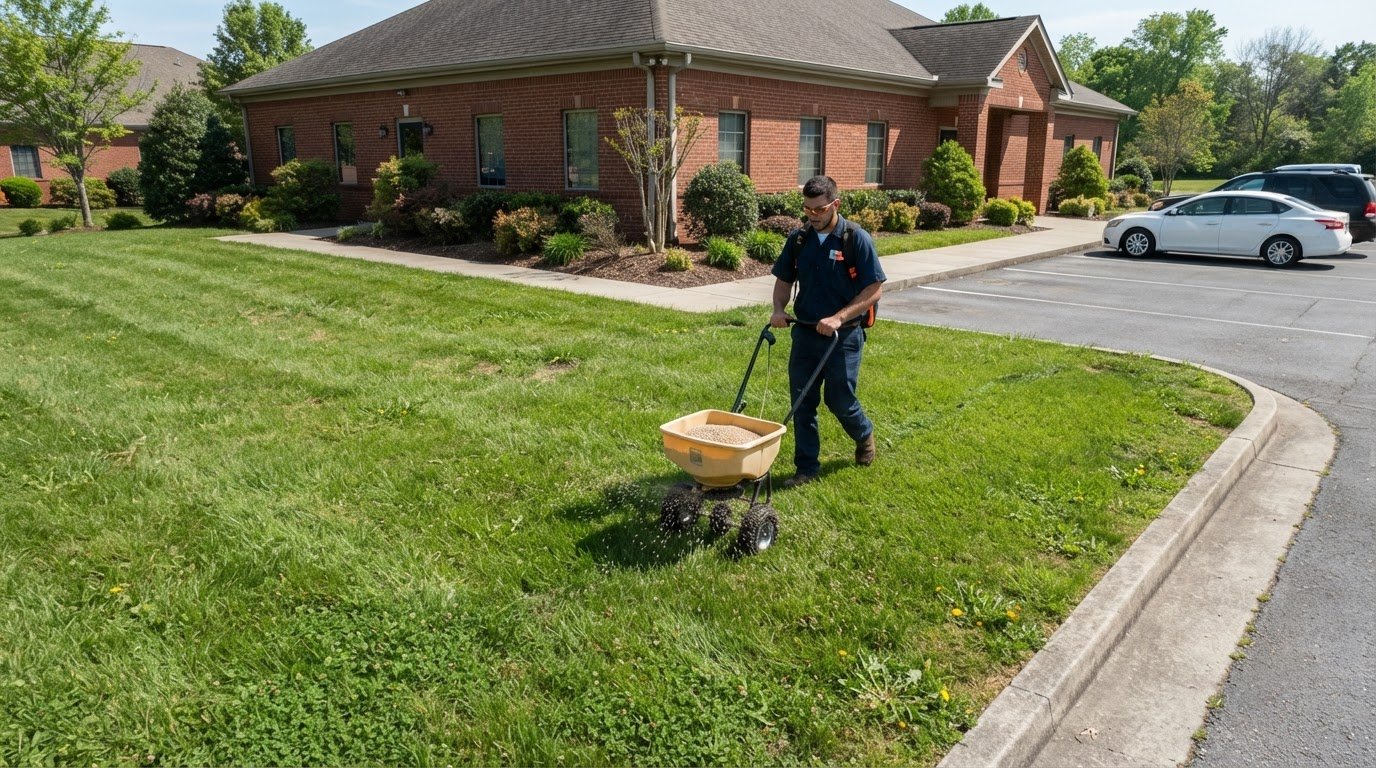
Fertilization and weed control work best as a timed program, not as one identical treatment throughout the growing season. Pre-emergent weed control targets weeds before they emerge; post-emergent treatment addresses weeds already growing. Crabgrass and dandelions are common Mt. Juliet examples, but they may call for different timing and approaches.
Season-timed fertilization and weed control can support turf growth while helping manage weed pressure. The right schedule depends on grass type, current growth, and the weeds present. Dallisgrass and Johnsongrass are invasive grassy weeds that can be harder to manage than common broadleaf weeds, and may need a separate, targeted approach.
Local Treatment Fit
Which lawn treatments suit Mt. Juliet’s soil, climate, and grass types? Choose based on the turf, soil condition, and active weed problems. Clay soil can contribute to compaction, while hot summers can stress grass when watering is inadequate. Local knowledge can help shape decisions about fertilization, weed control, and aeration.
Grass type also matters. Bermuda grass that spreads into an established fescue lawn can be extremely difficult to eliminate completely. Management generally focuses on limiting spread, reducing its presence, and helping fescue stay healthy and competitive. A standard broadleaf weed treatment may not suit invasive grassy weeds.
Do Mt. Juliet lawn care companies offer fertilization, weed control, and pre-emergent treatments? These are common components of lawn treatment programs, though timing and selection should fit the turf and weeds present. Safety matters, too: lawn care practices can reduce pesticide exposure risks to children, adults, pets, and wildlife. The U.S. Environmental Protection Agency describes Integrated Pest Management as using pest and control information to manage damage with the least possible hazard to people, property, and the environment. Clear treatment instructions help households plan around applications and protect pollinators.
Pre-emergent and post-emergent weed control
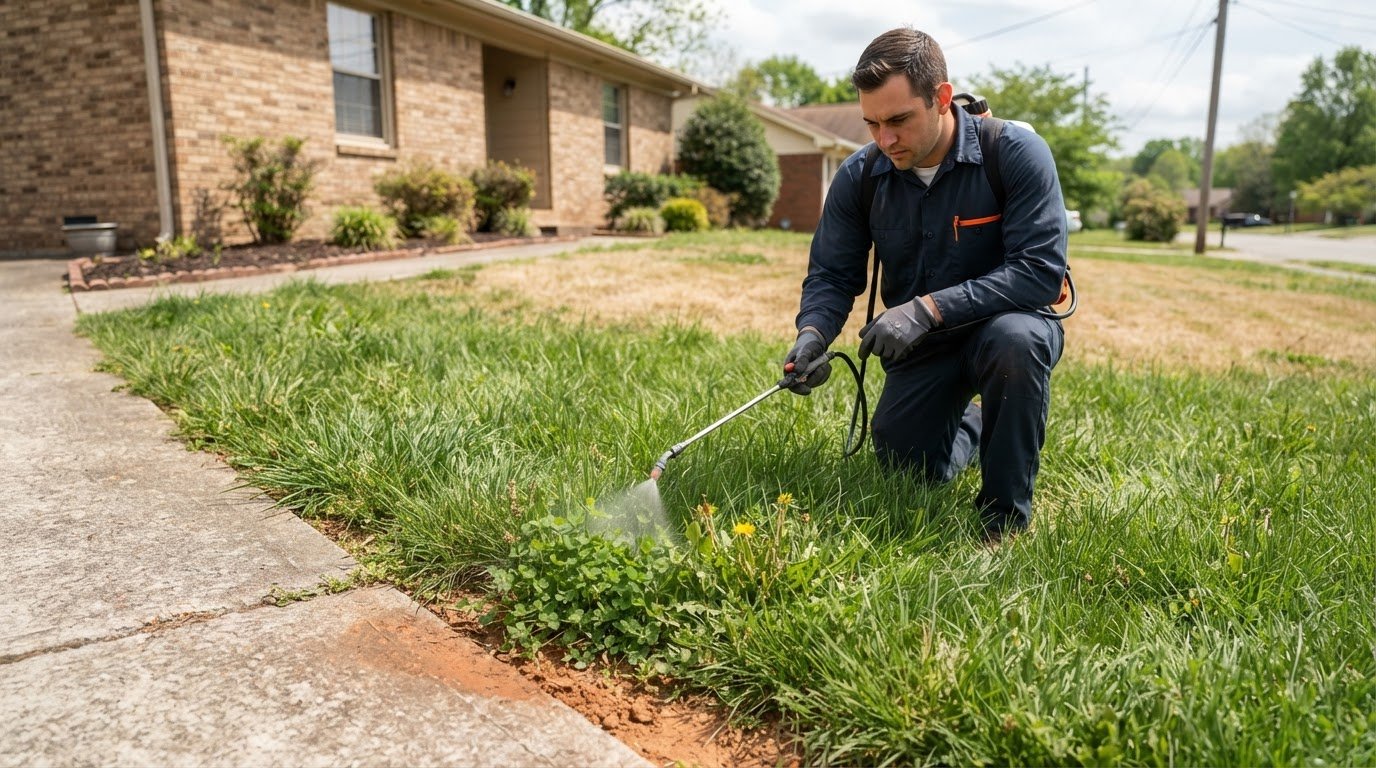
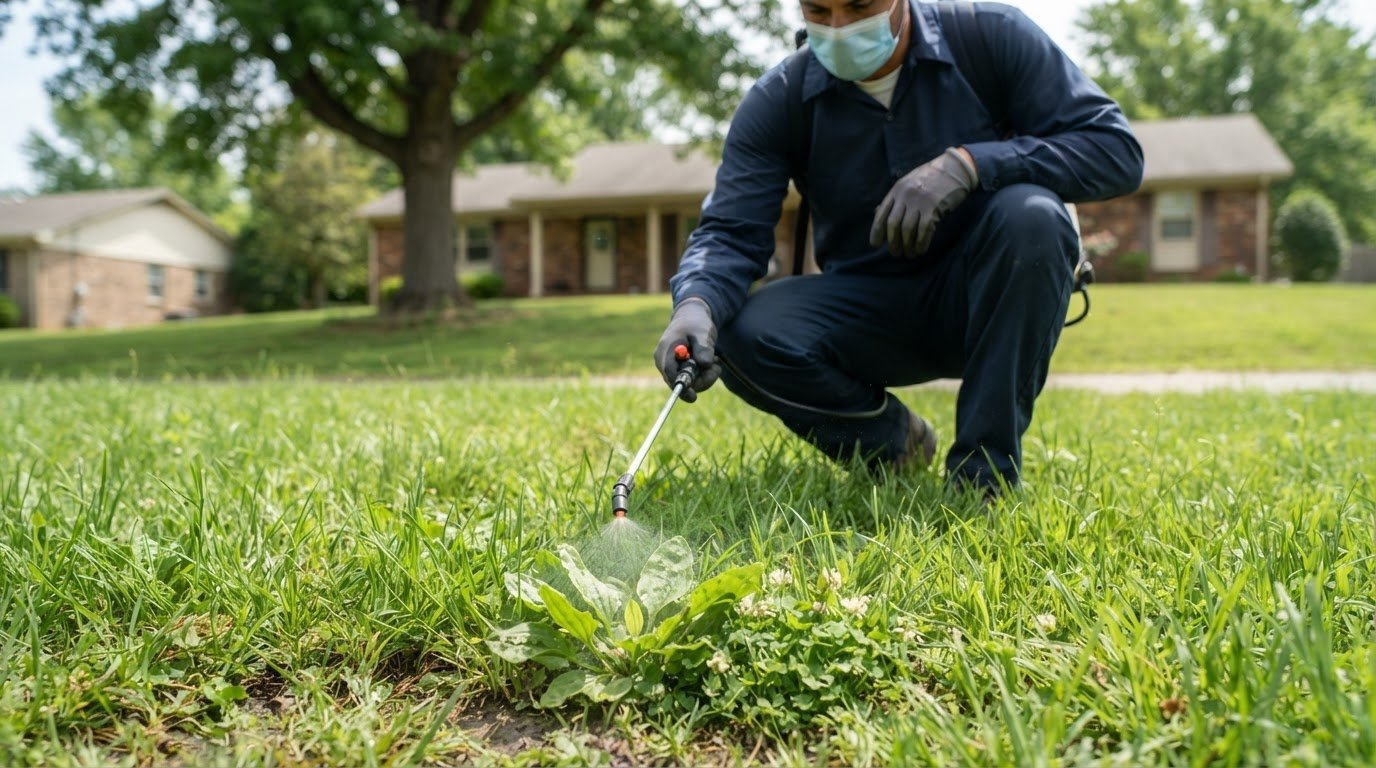
Weed control starts by identifying whether weeds have emerged. Pre-emergent treatments target weeds before they appear, while post-emergent treatments address visible growth. Crabgrass is a common Mt. Juliet example often managed before emergence; dandelions are visible broadleaf weeds treated after they appear. Choosing between these approaches depends on the weed, its growth stage, and the surrounding turf.
Timing matters because a pre-emergent treatment cannot address weeds that are already growing. Post-emergent treatment, in turn, is not a substitute for preventing future weeds from emerging. A professional assessment can identify the weed and determine which approach fits. Treatment selection should also account for where weeds appear, how much turf is affected, and whether desirable plants grow nearby.
Fire ants and armyworms call for a different assessment than lawn weeds. Fire ant mounds can indicate activity; armyworm feeding may show up as damaged turf. Identifying the pest and affected area helps determine an appropriate lawn pest control approach. A treatment aimed at one pest shouldn’t be assumed to address another, so the concern should be identified before selecting a response.
Flower-bed weeds need attention distinct from lawn weeds. Treatment choices must account for desirable flowers, shrubs, and other ornamentals nearby. An application suitable for open turf may harm valued plants if it reaches them. Bed edges, plant types, and weed location all shape the method, so keep bed care distinct from lawn applications.
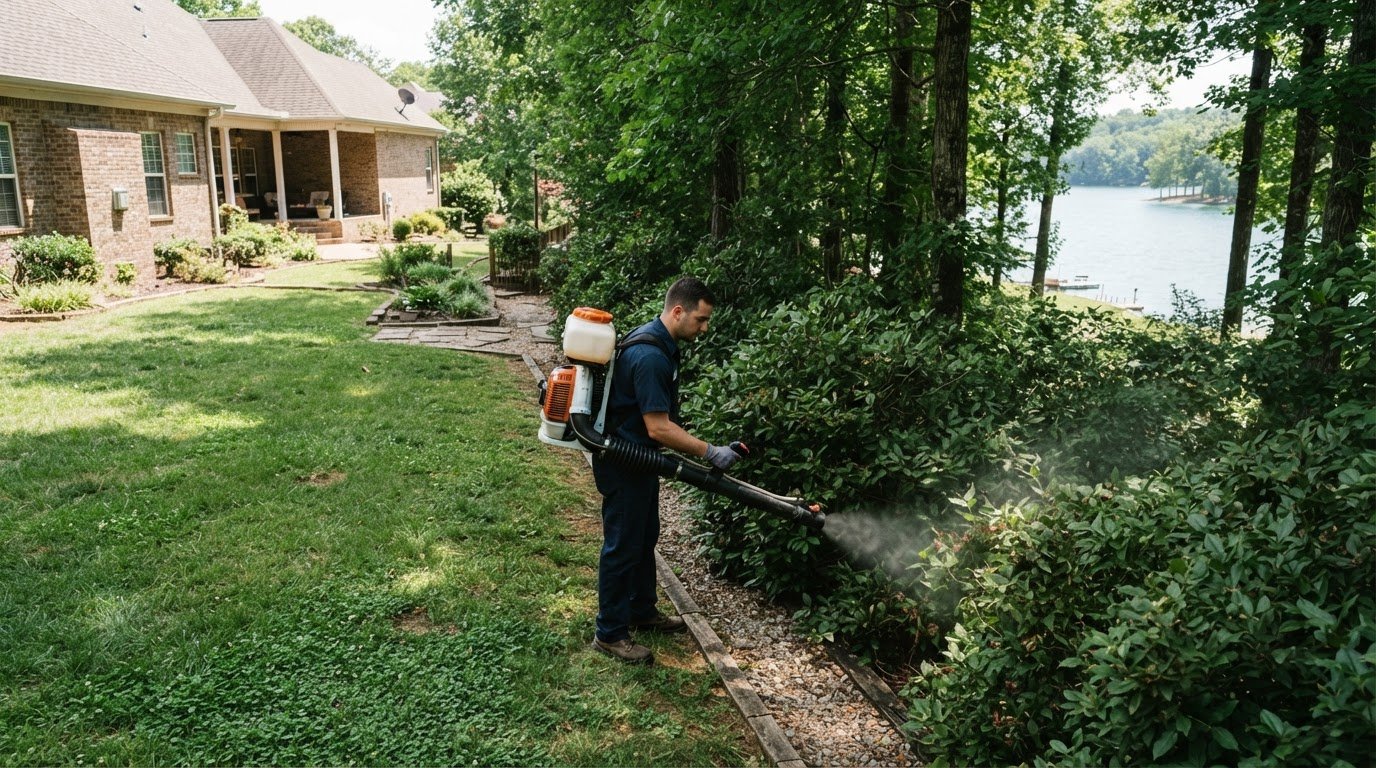
Perimeter pest control focuses on pest activity near the transition between lawn and buildings. It differs from treating turf weeds or visible lawn pests, so the target and application area should be clear. A complete plan may address lawn weeds, flower-bed growth, and pest concerns separately rather than treating every area alike. That distinction matters for residential lawn pest control, including mosquito, tick, and flea concerns.
For a home with several concerns, start with a professional assessment of the affected areas and visible symptoms. This helps distinguish weed pressure from insect activity and match each concern with an appropriate treatment category. Discuss lawn pest concerns and treatment needs to take the next step toward a plan suited to your property.
Crabgrass and dandelions are common in Mt. Juliet. Start by noting which one is present and whether it has emerged. Share those observations and the affected area when discussing treatment options. This gives the assessment a clear starting point without assuming that one approach suits both weeds or every part of the yard.
Before work begins, clarify which areas are included and what the chosen approach is intended to address. If weeds are close to flowers or shrubs, point out those plants and ask how the application will be kept focused on the target area. It can also help to agree on what signs would prompt a follow-up conversation, rather than expecting a single visit to answer every concern. Keeping the discussion centered on the identified weed, its stage, and the location supports a more tailored decision and helps keep lawn and bed concerns distinct.
Lawn service hiring advice
Choose lawn care services by matching the written treatment plan to your turf, soil, and stated concerns. In Mt. Juliet, clear details about treatment scope and follow-up make comparisons more useful.
How do lawn treatment plans, guarantees, and service contracts compare among Mt. Juliet providers? Compare which treatments each plan covers, how follow-up is described, and what any guarantee actually promises. Contract terms should make exclusions, renewal conditions, and cancellation procedures clear.
Plan and Contract Comparisons
Read each plan for its treatment types, schedule, and stated goals. A fertilization plan should explain how nutrient applications fit the lawn’s needs; weed control should distinguish prevention from treatment of visible weeds. If a guarantee appears, look for its limits and the steps it requires. Compare contract length, renewal language, and how added treatments are handled.
Service descriptions alone don’t establish licensing or insurance status. Pesticide use should follow product directions and applicable local requirements; the service documentation should identify the treatment and its instructions. Evaluate written credentials and coverage details as part of the hiring decision, rather than assuming they are included in a lawn treatment agreement.
A useful comparison also separates lawn treatment from mowing or landscape work. A plan focused on nutrients and weed control addresses different needs than routine grass cutting. Check which areas and services the plan covers, and whether pest concerns are included. Clear boundaries help prevent different services from being confused.
Treatment Preparation and Aftercare
How can homeowners prepare their lawn for treatment and maintain results afterward? Before an appointment, identify affected areas, point out delicate plantings, and share relevant concerns about household pets or outdoor use. After application, follow the treatment-specific instructions provided, including any guidance about watering, mowing, or access. Not every treatment follows the same process.
Access details matter, too. Note gates, fenced areas, and locations where technicians should avoid disturbing plants or outdoor items. If the lawn has visible damage or pest activity, describe where it appears and when you noticed it. Specific observations help identify the affected area and guide the treatment approach.
After service, track changes in the treated areas and follow the written care instructions. For example, keep a record of where dandelions return or which turf areas remain thin. Share those observations at a later service visit so the plan can respond to actual lawn conditions. Consistent communication supports informed adjustments without treating every yard the same.
Which companies offer comprehensive lawn treatment services in Mt. Juliet, Tennessee?
For comprehensive lawn treatment services in Mt. Juliet, compare the work included in each written plan. A good fit addresses your property’s concerns, explains the treatments, and makes the next steps clear. Performance Lawns, INC provides fertilization and weed control, along with residential aeration and overseeding.
Start with the problem you want addressed. A lawn with thinning turf may need a different assessment than one with visible weeds, insect activity, or compacted soil. Look for a provider that identifies the concern before recommending a treatment. For example, a plan should distinguish lawn damage from pest activity rather than assume every brown patch has the same cause.
Next, consider how treatments work together. A lawn treatment plan may combine fertilization and weed control, while aeration and overseeding address different turf and soil needs. These services are not interchangeable. Be clear about what the proposed work is intended to support, which areas it covers, and what application instructions apply.
Coverage matters on properties with more than one outdoor concern. You may need turf care in the front yard, attention to a problem area in the back, or pest control around outdoor living spaces. A service description should make clear which concern is being addressed. Lawn pest control and mosquito control serve different purposes, even when both affect outdoor comfort.
Use the service description to understand the scope. Look for the named treatment categories, areas included, and any follow-up process described. If an additional treatment is recommended, it should relate to an observed lawn concern. Specific details give you a practical basis for understanding the care proposed.
Communication is another useful measure. A provider should explain what the treatment targets, what instructions apply afterward, and how lawn conditions may affect the plan. If you have children, pets, gardens, or frequent outdoor use, share those details before service. Clear communication helps align the treatment with your property and household needs.
Finally, match the plan to the outcome you want. Someone seeking help with weeds may not need the same services as a homeowner addressing turf density and soil health. A useful plan describes the relevant services without implying that one application resolves every concern. Compare the assessment, treatment scope, and instructions, then choose what addresses your lawn’s priorities.
Local comparisons can also benefit from looking beyond advertised treatment menus. Mt. Juliet, Tennessee, is 15 miles east of Nashville and has almost 40,000 residents, so homeowners can compare providers serving the area by checking how clearly each describes its approach and scope. Mount Juliet, Tennessee lawn service providers have an average homeowner rating of 4.6 out of 5; use ratings as one consideration alongside the details of a written plan, rather than as a substitute for confirming what it includes.
Where soil compaction is a concern, ask whether aeration fits the lawn’s needs. Lawn aeration can alleviate soil compaction and help air, water, and nutrients penetrate the soil. A provider should connect that work to the observed condition and explain how it fits with other proposed care.
Comprehensive lawn care services in Mt. Juliet
A comprehensive lawn treatment program brings related services together around the property’s needs. In Mt. Juliet, a useful plan should state which parts of the lawn it covers and what each treatment is intended to address.
Fertilization and weed control can be included in the same program, but they serve distinct purposes. A clear plan identifies the target for each application and the areas included. For example, treatment for front-yard turf may have a different scope from care for a separate side lawn or backyard.
Soil-focused work can also be part of a broader lawn plan. Connect the proposed service to an observed concern rather than assuming every property needs the same combination. A clear scope helps homeowners understand how each service fits the overall care plan.
Aeration and overseeding are separate services that can complement other lawn treatments. Whether they fit depends on the lawn’s condition and your goals. A service description should distinguish these tasks from nutrient or weed applications so the plan’s purpose remains clear.
Comprehensive care can also coordinate residential or commercial lawn needs within a defined treatment scope. The property type and areas included should be clear in the service description. For a commercial site, for instance, the plan should identify the turf areas receiving treatment rather than imply that every outdoor surface is covered.
Review the proposed work by matching each treatment category to a specific lawn concern. The scope should name covered areas, describe each service’s purpose, and include relevant application instructions. This makes it easier to understand what the program addresses and how its components fit together.
With those details in place, homeowners can consider whether the proposed services align with their property’s priorities. A focused plan distinguishes treatment needs instead of suggesting one service addresses every lawn concern. That clarity supports an informed decision about the care the lawn should receive.
Performance Lawns, INC: Lawn Treatments
Performance Lawns, INC provides comprehensive lawn treatment services in Mt. Juliet and the surrounding area, including Lebanon, Gallatin, and Hendersonville. Services include fertilizer and weed control, along with residential aeration and overseeding.
Turn to Performance Lawns, INC when weeds need ongoing management, turf needs nutrient support, or compacted soil calls for aeration. These treatments address different lawn needs, so the right combination depends on the concerns present on your property.
Residential aeration and overseeding can support soil health and denser turf, while fertilization and weed control help maintain lawn health and manage unwanted weeds. The goal is practical care suited to your property, not a promise that every issue will disappear.
To discuss lawn treatment options, contact Performance Lawns, INC.
Set a clear direction for your lawn
A productive next step is to connect your lawn’s current condition with the change you want to support. Think about which areas need attention, what concerns matter most, and how you use your outdoor space. Those priorities give a treatment discussion a practical starting point and help keep the plan focused on your property.
Performance Lawns, INC offers lawn treatments, fertilizer and weed control, and residential aeration and overseeding. These services address different aspects of lawn care, so the right starting point depends on your goals and your property’s condition. Discuss your priorities to identify the service that best fits the work you’re considering.
If you’re ready to take the next step toward comprehensive lawn treatment services in Mt. Juliet, contact Performance Lawns, INC today. A thoughtful plan can give your lawn care a clear direction and help you move forward with confidence.
Frequently Asked Questions
What is the recommended seasonal lawn treatment schedule for Mt. Juliet?
Use turf growth and weed emergence to guide a seasonal schedule in Mt. Juliet, rather than relying on identical treatments throughout the year. Assess the lawn as growth resumes, then time weed prevention before target weeds emerge. During active growth, match fertilization to the grass type and use post-emergent treatment for weeds already present. Later, assess turf density and soil condition to determine whether aeration or overseeding fits the lawn.
Are lawn treatment providers in Mt. Juliet licensed and insured, and what local rules apply to pesticide use?
Check providers’ written credentials and coverage details; a service description alone does not establish licensing or insurance. Pesticide use should follow product directions and applicable local requirements.