

Liquid aeration isn’t automatically the better choice for a lawn that struggles to absorb water. Core aeration is typically done once or twice a year, with timing guided by grass type and growing conditions. For yard aeration for better water absorption in Gallatin, the right method can help water enter compacted soil instead of running off the surface.
It makes sense to choose an approach that supports healthier grass without disrupting your yard more than necessary. This article explains when professional aeration is useful, how core and liquid methods compare, and what to consider when choosing between them. You’ll also learn when overseeding or fertilizing can complement aeration, helping you make a clear plan for your lawn.
Overseeding and fertilizing after aeration
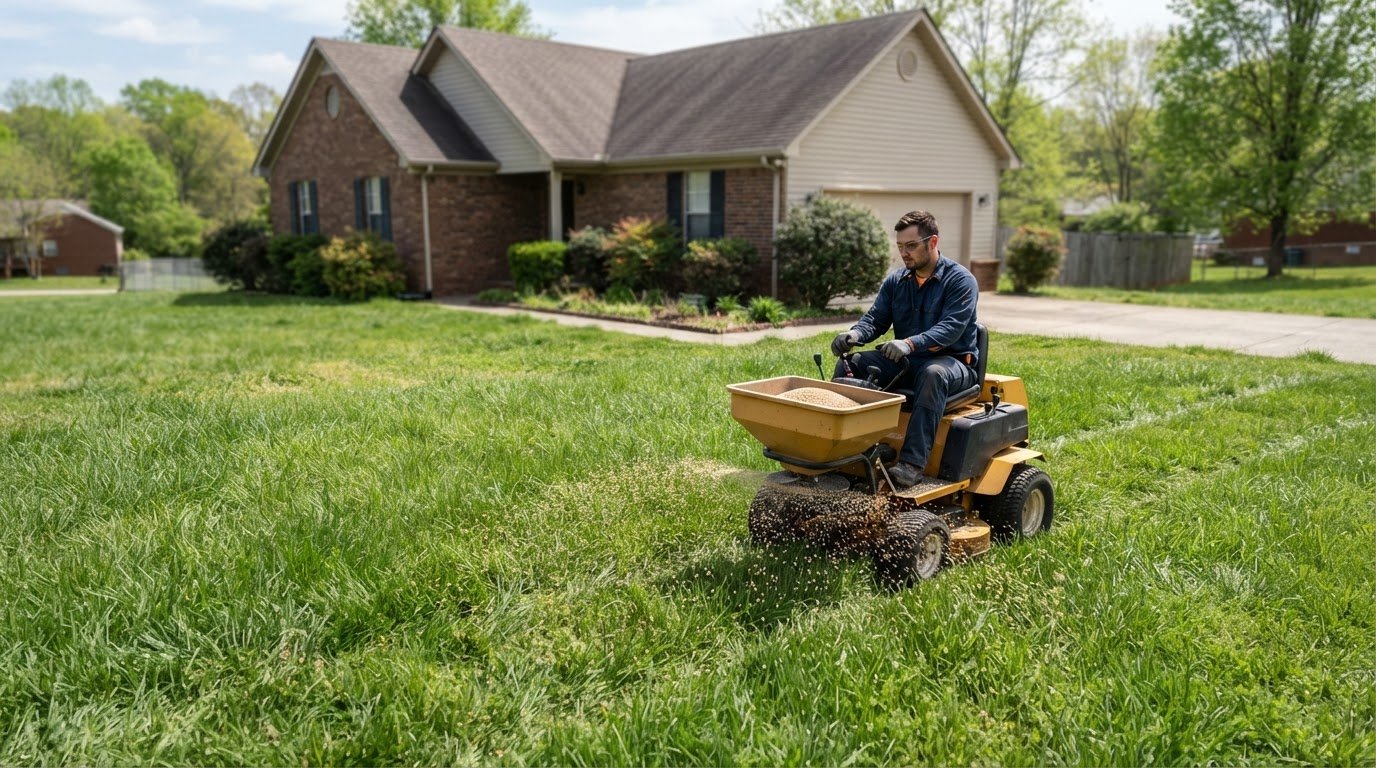
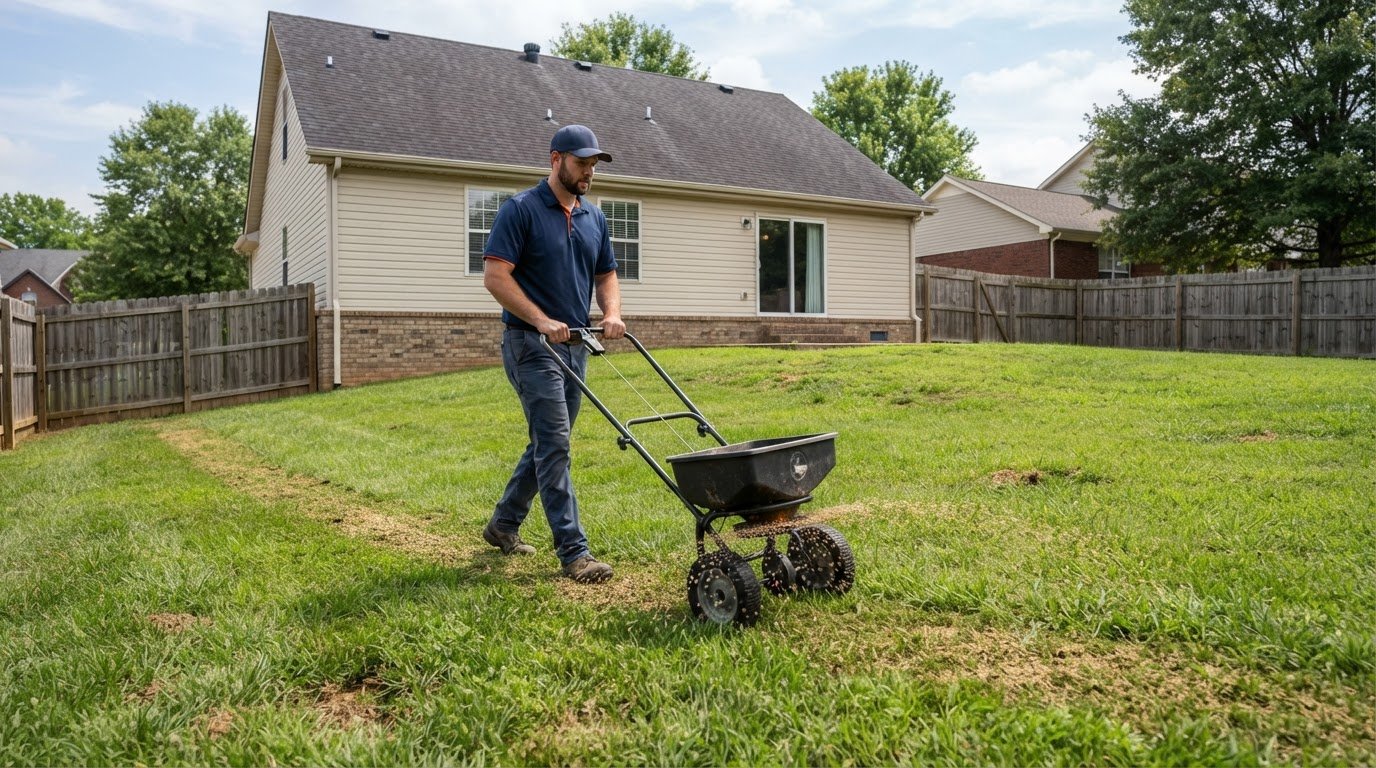
After core aeration, seed or fertilizer is typically applied within 48 hours. That timing lets seed settle into openings and helps nutrients move into loosened soil. For Gallatin lawns with thin patches, overseeding adds grass seed where turf density is low. Fertilization supports existing grass as it grows, while seed fills areas needing new plants.
Core aeration removes small plugs of soil, creating channels through compacted ground. These openings improve water, air, and nutrient access near grass roots. Fertilizer can reach below the surface more readily than it can in tightly packed soil. Overseeding after core aeration also places seed in contact with exposed soil, supporting germination. The method works best when timed to the grass type and active growth.
| Method | Follow-up timing | Overseeding | Fertilizer access |
|---|---|---|---|
| Core aeration | Apply seed or fertilizer within 48 hours | Seed can settle into aeration openings | Channels help nutrients enter loosened soil |
| Liquid aeration | Wait a week before fertilizing | Pair seed timing with the lawn’s growth period | Soil treatment may support nutrient movement |
Liquid aeration has a different fertilization window: wait a week after treatment before applying fertilizer. This matters when coordinating treatments, especially if the lawn also needs overseeding. Core aeration creates visible openings, while liquid aeration doesn’t remove soil plugs. Choose a method based on compaction, grass type, and whether the priority is new seed or nutrient access.
- Core aeration: Schedule seed or fertilizer within 48 hours after treatment.
- Liquid aeration: Allow a week before fertilizing the lawn.
- Overseeding: Match seed selection and timing to the existing turf and growing season.
Fertilization should support the lawn’s condition, not substitute for addressing compaction. If water pools or runs off, aeration can open pathways toward the root zone, while nutrients support active turf. If the lawn has bare or sparse areas, overseeding addresses density rather than simply feeding existing grass. Coordinating these steps can make aeration and overseeding more purposeful for yard aeration for better water absorption in Gallatin.
In Gallatin, the practical question is whether the lawn needs new grass, better nutrient access, or both. Core aeration is a direct fit when compaction is the concern and overseeding is planned. Liquid aeration requires a separate interval before fertilizing, so scheduling matters. A professional plan aligns the method, seed timing, and fertilization with the lawn’s needs.
Core aerators remove soil plugs, helping reduce compaction and improve water absorption. This makes core aeration a relevant option when compacted ground is the concern. If you also plan to seed, the openings can bring seed into contact with soil, while fertilizer can be coordinated with the follow-up schedule.
The choice depends on whether the lawn needs new grass, better water absorption, or both. Aligning seed and fertilizer plans with core aeration gives each a clear role: seed fills sparse areas, while fertilizer supports existing turf. If compaction is the underlying issue, it may need to be addressed separately.
How often should a professional aerate my lawn?
Core aeration is typically carried out once or twice a year, with timing based on grass type, soil compaction, and growing conditions. Annual aeration is a useful baseline for lawns needing routine attention; heavy foot traffic and compacted soil can increase the need. Timing matters because grass recovers best while actively growing.
For cool-season grasses such as fescue, ryegrass, and Kentucky bluegrass, schedule core aeration in fall or early spring. March through April is a recommended spring window, while September through November covers early fall. These seasons give cool-season turf time to recover during active growth. If the lawn also needs thicker coverage, overseeding can add seed to sparse areas and be coordinated with aeration.
Warm-season grasses such as Bermuda, zoysia, and St. Augustine are best aerated in late spring or early summer, during vigorous growth. Bermuda grass that has spread into an established fescue lawn can be extremely difficult to eliminate completely. Management focuses on limiting its spread and helping the desired fescue stay healthy and competitive. Liquid aeration is typically advised for warm-season lawns or mild to moderate compaction. Core aeration is generally a better fit for cool-season grass or significant compaction.
By opening compacted soil, aeration helps water reach the root zone. Better water access can support root development and may reduce how often the lawn needs watering. Aeration supports drought resilience, but it doesn’t make grass immune to dry weather. Avoid scheduling during drought or extreme heat, when treatment can add stress to turf.
Gallatin watering restrictions can depend on current local conditions; aeration timing itself doesn’t establish a watering rule. Check current local water-use notices before planning post-treatment irrigation. This is especially important when overseeding, because new seed needs appropriate moisture to establish.
Professional aeration costs depend on lawn area, soil compaction, the chosen method, access, and whether overseeding is included. The price varies by property and is provided after a quote request. These factors affect the work involved, so a single figure wouldn’t represent every Gallatin lawn.
Before the appointment, share the lawn’s boundaries, access details, thin areas, and any known irrigation features or zones to avoid. This gives the professional useful context for planning aeration and overseeding. When a professional performs the work, you don’t need to prepare tools yourself.
Heavy clay soil is especially prone to runoff, so compaction there can make water absorption more difficult. Gallatin lawns may include cool-season fescue and warm-season Bermuda or zoysia; each needs aeration timed to its growth season. Soggy soil can be difficult to work and freezing temperatures interrupt active growth, while drought and intense heat stress turf. Choose the season by grass type, then schedule around suitable soil moisture and weather. For a tailored aeration plan, request a professional lawn assessment.
Soil compaction and reduced water infiltration
Compacted soil restricts water movement, so rain may run off instead of soaking toward roots. In Gallatin, core aeration can relieve compaction by creating channels through the soil.
Compaction Causes and Effects
Repeated foot traffic, lawn equipment, and heavy clay soil can press soil particles together. Sloped areas and clay-heavy lawns are especially prone to runoff. As pore space narrows, water has fewer paths into the ground, and roots receive less moisture. The issue is compacted soil, not simply a lack of watering.
A Gallatin lawn may need aeration if water repeatedly pools or runs off after rain, or grass struggles in heavily walked areas. These signs can point to poor infiltration, though lawn condition and soil type also matter.
Core Aeration
Core aeration removes small plugs of soil, leaving openings that help air, water, and nutrients move into the root zone. Removing plugs addresses compaction more directly than simply puncturing the surface. For a lawn with heavy clay or persistent runoff, core aeration is typically the stronger choice because it creates space in dense soil.
Choose professional core aeration when soil is significantly compacted or water repeatedly runs off the surface. The open channels can help water reach roots and relieve compaction. They won’t correct a slope or replace suitable watering, but they address restricted movement through the soil.
Spike Aeration
Spike aeration makes holes by pushing spikes into the ground. Unlike core aeration, it leaves soil in place rather than removing plugs. That distinction matters in compacted soil: pushing soil aside may leave the surrounding ground more tightly packed. Spike aeration creates surface openings but is generally less suited to severe compaction.
For compacted Gallatin soil, choose core aeration over spike aeration. Spike aeration may suit mild compaction, but it doesn’t remove soil to create pore space in the same way. Match the method to the depth and extent of the problem.
Signs a Lawn Needs Aeration
Look for water running off a slope, puddles after rainfall, or sparse grass where people walk often. These signs can indicate reduced infiltration or compaction. Heavy clay soil increases runoff risk, while sloped ground lets water move away before it reaches the roots.
Compare affected areas with healthier parts of the same lawn. If runoff and thinning cluster near walkways or play areas, foot traffic may be a factor. Core aeration can help relieve compacted soil, while spike aeration is less suitable for severe compaction. A professional assessment can distinguish compaction from other causes of weak turf.
Core versus liquid aeration results and surface disruption
Core and liquid aeration differ in how they treat soil and how quickly results appear. In Gallatin, choose based on compaction, grass type, and how much visible surface change you can tolerate.
Core aeration removes small soil plugs. The openings are visible, and results are generally more immediate than the benefits of liquid aeration. Plugs may remain on the lawn temporarily, so the surface will look different after service. This method is typically suited to lawns with significant compaction, including cool-season grass areas where water struggles to enter the soil.
Liquid aeration is typically advised for warm-season grasses or lawns with mild to moderate compaction. It doesn’t remove soil plugs, so the surface looks different than after core treatment. Its benefits may take longer to become visible. In Gallatin, Bermuda or zoysia turf with moderate compaction may be a candidate, while heavily compacted soil points more strongly to core aeration.
Surface disruption matters if you want the lawn to look tidy immediately after service. Core aeration leaves noticeable plugs and openings at first. Liquid aeration avoids plug removal, but it isn’t the same treatment for severe compaction. Neither method should be scheduled during drought, extreme heat, freezing temperatures, or soggy conditions, when turf or soil conditions are poor.
Timing can help clarify the choice. Liquid aeration is recommended from April through June or September through October. Core aeration suits cool-season grasses in early spring or fall, while warm-season turf is treated during active growth. For example, a fescue lawn with heavy compaction may favor core aeration, while a Bermuda lawn with milder compaction may suit liquid treatment.
- Choose core aeration when compaction is significant, cool-season grass needs treatment, or more immediate visible results matter.
- Consider liquid aeration for warm-season grass or mild to moderate compaction when avoiding soil plugs is a priority.
- Plan around conditions so treatment matches grass growth, soil moisture, and the lawn’s surface needs.
After liquid aeration, children and pets can walk on the treated area once it has dried. This provides a practical guide without assuming a fixed drying time. For either method, plan around the lawn’s main need: addressing compacted soil, limiting surface disruption, or matching treatment to the grass’s growing season.
In short, choose the method based first on compaction severity, then on grass type and appearance. Core aeration is the more direct option for significant compaction; liquid aeration is a suitable alternative for milder cases and warm-season turf. Let your Gallatin lawn’s needs, rather than the method’s name alone, guide the decision.
Aeration and overseeding services in Gallatin, Tennessee
In Gallatin, aeration and overseeding work best as a coordinated plan, not as unrelated treatments. Aeration opens soil to air, water, and nutrients; overseeding adds grass seed to sparse areas. Together, these steps address restricted soil movement and thin turf. The right plan depends on grass type, compaction, and lawn condition.
A professional assessment starts with the lawn’s visible needs. Sloped areas and heavy clay soil can shed water, while foot traffic can compact high-use sections. Thin areas may need seed, but a dense lawn might need aeration without overseeding. Identifying these differences helps target treatment where it has a clear purpose, rather than applying the same approach across the whole yard.
Grass type guides the treatment calendar. For cool-season grasses such as fescue, ryegrass, and Kentucky bluegrass, core aeration is commonly scheduled for early spring or fall. Spring timing runs March through April; fall timing runs September through November. Warm-season grasses, including Bermuda and zoysia, are typically aerated in late spring or early summer while growing vigorously. Scheduling during active growth gives turf a better opportunity to recover.
Liquid aeration has different seasonal windows in Gallatin: April through June or September through October. It is typically considered for warm-season grasses or mild to moderate compaction. Core aeration is generally suited to significant compaction and cool-season lawns. A lawn with severe runoff and bare patches may need a different combination of treatments than a mostly dense lawn with only mild soil restriction.
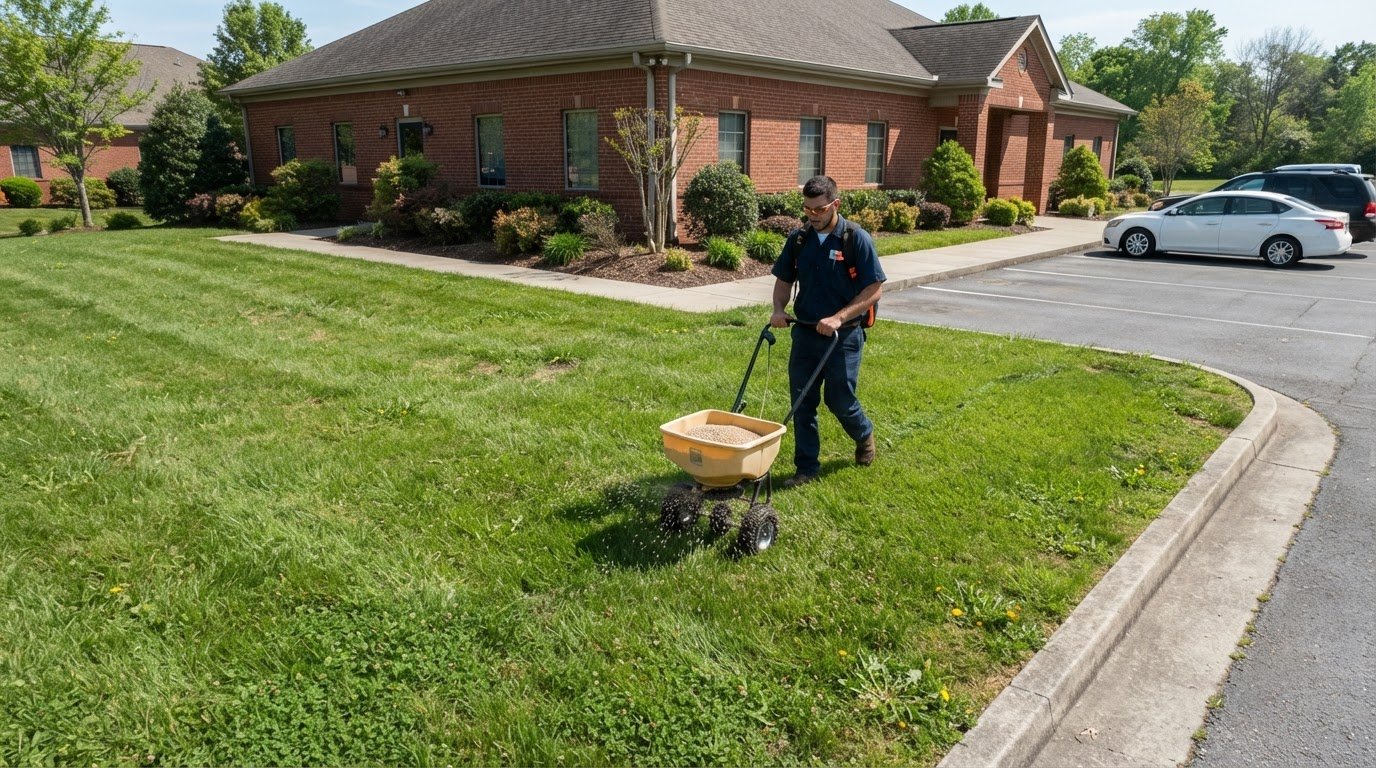
Overseeding adds seed to sparse areas to improve grass density. After core aeration, seed is typically applied within 48 hours, allowing it to settle into openings. This is useful where thin turf leaves soil exposed, but seed selection and timing still need to match the existing grass and its growing season. Aeration can also help break down excessive thatch, which can interfere with nutrient absorption.
A clear takeaway: choose treatment based on the lawn’s limiting factor. Compacted soil calls for an aeration method suited to its severity; thin turf may benefit from overseeding at the right time. Avoid treatment during drought, intense heat, freezing temperatures, or soggy weather. Those conditions can stress grass or make soil difficult to work. Discuss an aeration and overseeding plan for your Gallatin lawn.
For a large lawn, or if you’re unsure how to aerate it, a professional lawn-care service can help determine the right approach and carry out the work.
Performance Lawns, INC: Residential Aeration & Overseeding
Performance Lawns, INC provides Residential Aeration & Overseeding for homeowners whose lawns need help with compacted soil or sparse turf. The service combines aeration and seeding when both soil access and grass density need attention. It’s a practical next step if you’ve noticed runoff or thinning, or need to coordinate treatment with the grass’s growing season.
Whether core aeration, overseeding, or both are right depends on your lawn’s condition and goals. Aeration can open soil channels for water and nutrients, while overseeding adds seed to sparse areas. Coordinating the work creates a focused plan to support a healthier lawn in Gallatin.
Contact Performance Lawns, INC to discuss residential aeration and overseeding for your lawn.
Plan the next step for your Gallatin lawn
Use your lawn’s current condition to shape its plan for the next growing season. Note where water runs off, where grass looks thin, and which areas get regular foot traffic. These observations help focus a discussion about yard aeration for better water absorption in Gallatin on the parts of your property that need attention. The goal is a considered plan for your soil and turf, not a one-size-fits-all schedule.
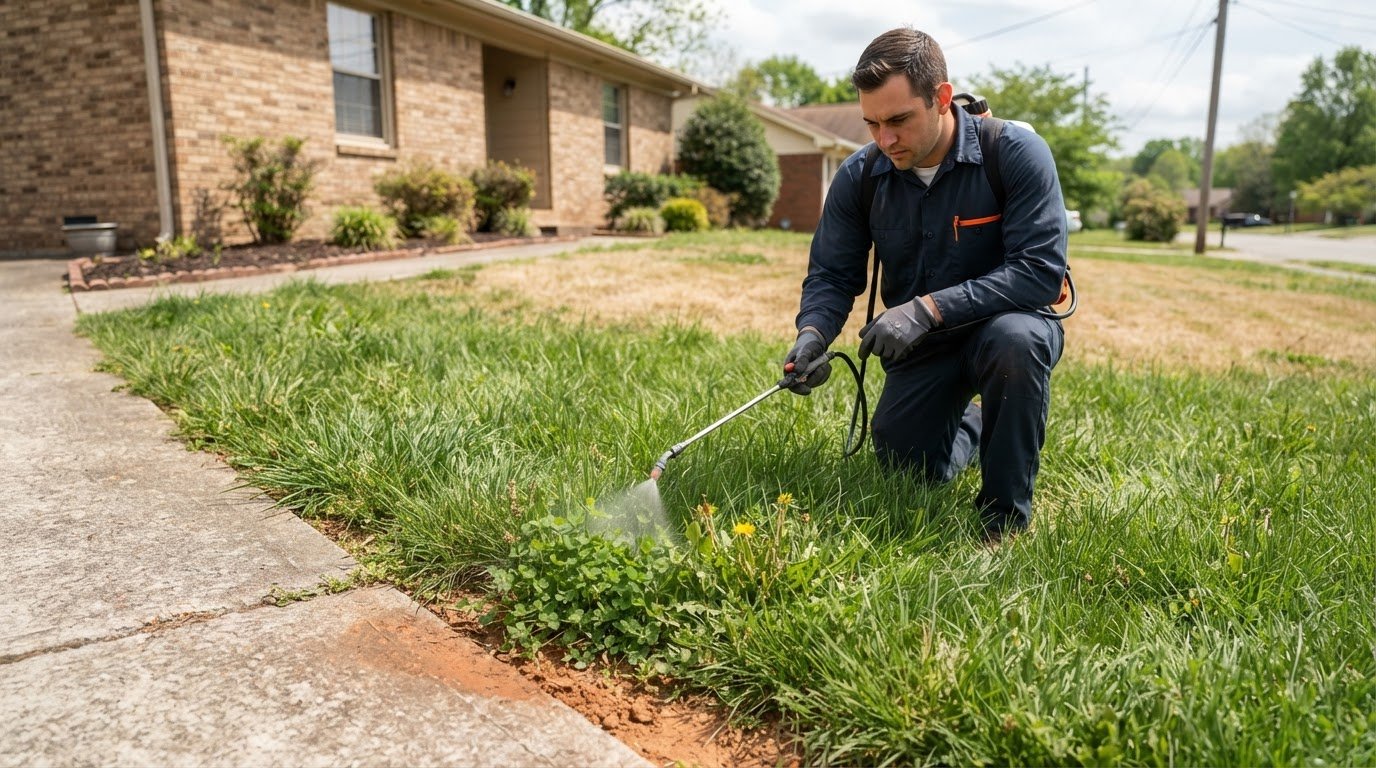
Performance Lawns, INC offers Residential Aeration & Overseeding, along with Lawn Treatments and Weed Control and Fertilization. These services address different parts of lawn care, from improving soil access to supporting turf health. The right combination depends on your lawn’s needs and the work you want to prioritize.
Ready to discuss the next step? Contact Performance Lawns, INC about aeration for your Gallatin lawn. A thoughtful plan can help you move forward with greater clarity and confidence.
Frequently Asked Questions
Core Aeration & Liquid Aeration: What’s the Difference?
Core aeration removes soil plugs, while liquid aeration treats soil without removing them. Core treatment produces more visible, immediate results and is generally used for significant compaction. Liquid aeration is typically advised for warm-season grass or mild to moderate compaction, and its benefits may take longer to appear. In Gallatin, compaction level and grass type help determine which approach is more suitable.
What’s Aeration & Why Is It Important?
Lawn aeration creates openings in soil or treats it to improve access for air, water, and nutrients. It matters when compacted ground limits water movement or roots struggle to access what they need. For example, a heavily used area beside a walkway may have different soil conditions from a less-traveled part of the yard. Aeration can address soil restrictions that routine lawn care alone may not resolve.
What is lawn aeration and how does it improve water absorption?
Lawn aeration helps water move through soil rather than staying on the surface or running off. Core aeration creates openings by removing soil plugs, giving water pathways toward the roots. For yard aeration for better water absorption in Gallatin, consider whether runoff is linked to compacted soil, a slope, or heavy clay. Aeration addresses compaction, but it doesn’t change a lawn’s slope or soil composition.
When is the best time to aerate lawns in Gallatin, Tennessee?
The best timing follows the grass’s active growth. For cool-season lawns, including fescue, ryegrass, and Kentucky bluegrass, recommended windows are March through April or September through November. Warm-season grasses such as Bermuda and zoysia are generally aerated in late spring or early summer. Avoid scheduling during intense heat, drought, freezing weather, or soggy conditions, which can stress turf or make soil unsuitable for treatment.
What should I do after professional aeration to improve water absorption?
After core aeration, coordinate any overseeding or fertilizer application promptly: both are typically applied within 48 hours. After liquid aeration, wait a week before fertilizing. Follow the treatment plan for any watering, especially if new seed is being established. For liquid-treated areas, children and pets can walk on the lawn after the treated area has dried. The best follow-up depends on the method and whether the lawn needs seed, fertilizer, or both.
How often should lawns in Gallatin be aerated?
Annual aeration is a useful baseline, while core aeration is typically performed once or twice a year. Soil type and foot traffic influence how often treatment is appropriate. A compacted play area may need attention sooner than a lightly used section with good water infiltration. Across Gallatin, Mt. Juliet, Lebanon, and Hendersonville, Performance Lawns, INC can assess your lawn’s condition and match aeration frequency to its needs.