

What if weeds return between treatments? That doesn’t necessarily mean the lawn care plan has failed. Weed control and turf nutrition in Lebanon, TN work best as ongoing, seasonal efforts: prevention can help limit new weeds, targeted treatments address those that emerge, and appropriate fertilization supports denser turf.
It’s understandable to hope one treatment will solve the problem, but weeds can emerge as conditions change through the growing season. Pre-emergent treatments are generally applied in early spring and fall, while visible weeds may need targeted treatment. Turf nutrition should also reflect the lawn’s condition and seasonal needs.
This guide explains how seasonal prevention and targeted treatments can help manage common weeds, including dandelions, crabgrass, and clover, and how lawn nutrition supports healthier turf in Lebanon. You’ll also learn why local soil and growing conditions matter, what can affect results, and when a professional treatment program can help bring weed control and fertilization together.
Pre-emergent crabgrass prevention
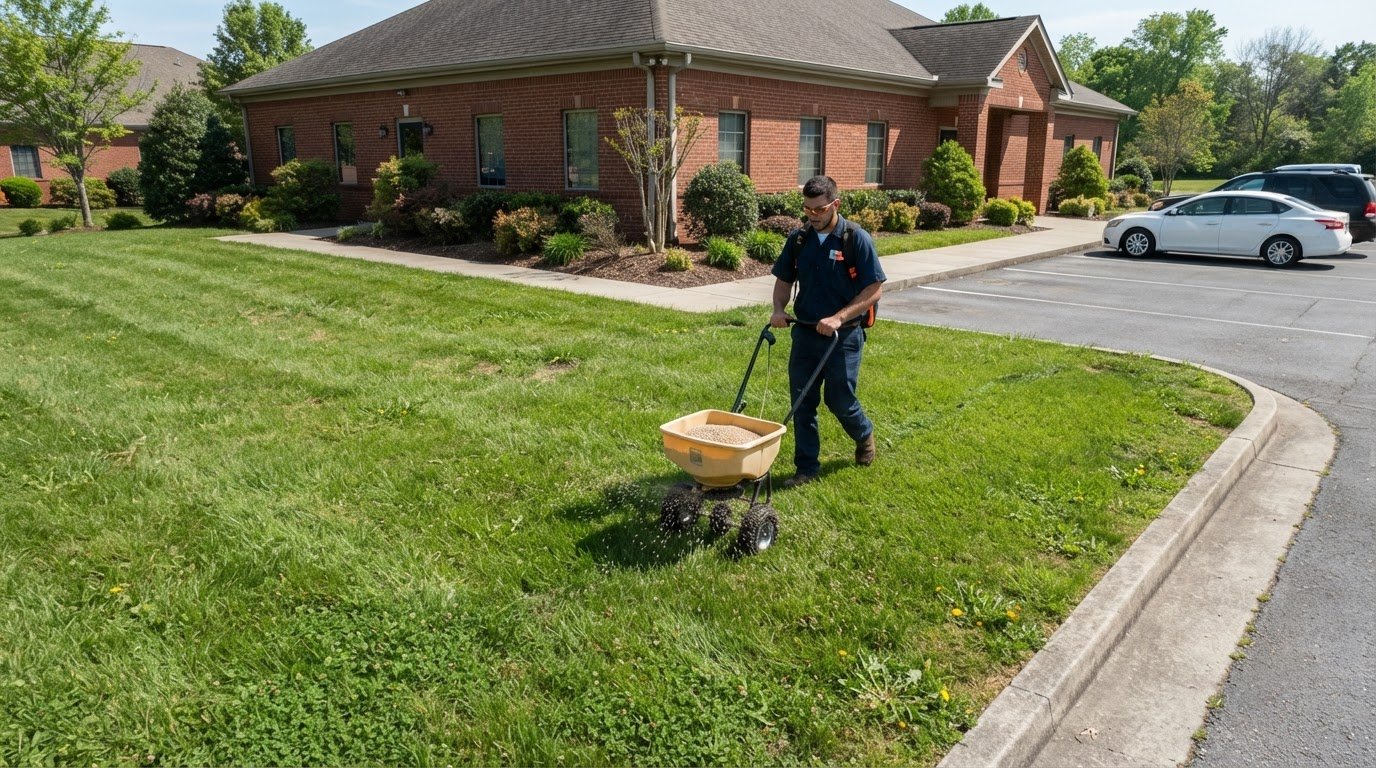
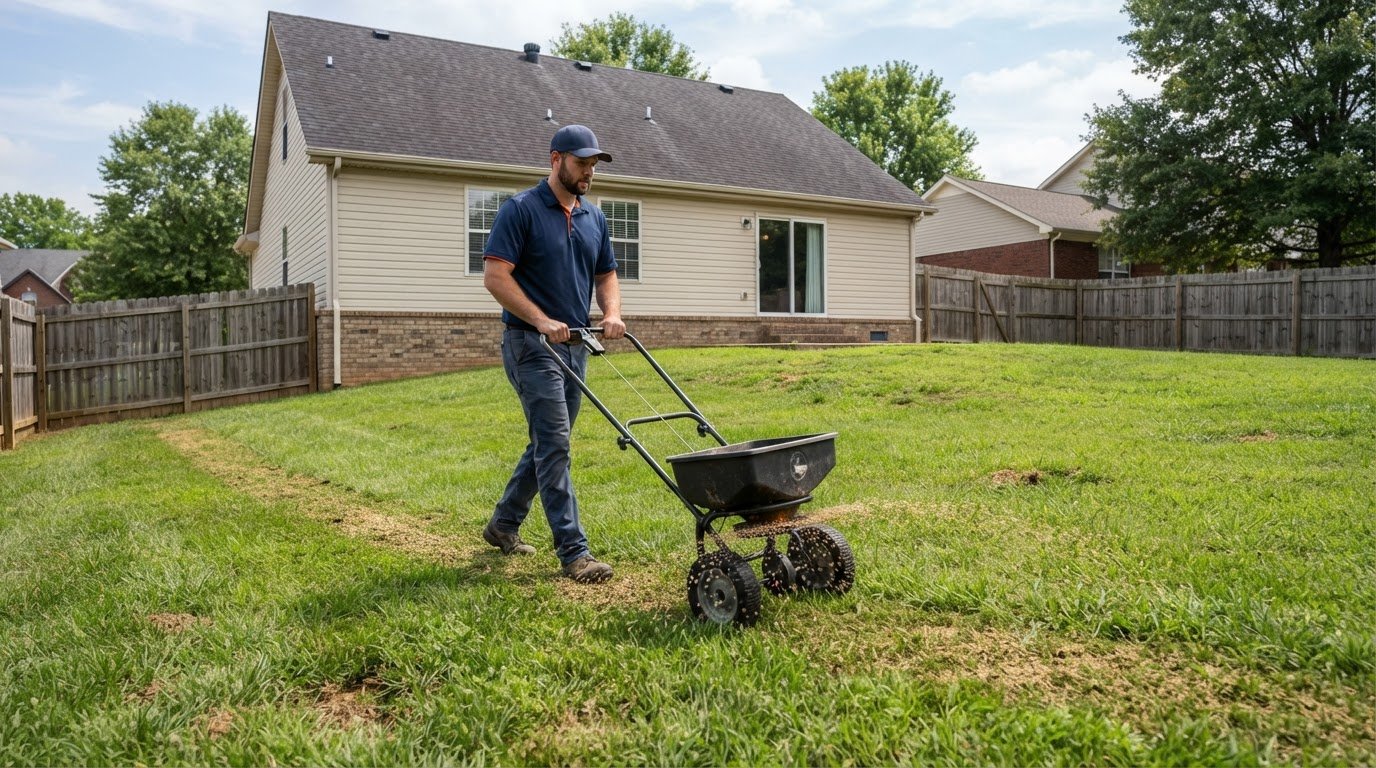
Crabgrass prevention starts before the weed appears. Pre-emergent treatments are generally applied in early spring and fall, making prevention part of a seasonal plan rather than a response after crabgrass spreads. Effective weed control and turf nutrition in Lebanon, TN account for the grass type and its growth needs. Spring prevention focuses on crabgrass, while fall treatment prepares the lawn for the next growing season.
Fescue and Bermuda are common lawn grasses in Lebanon, and each needs care suited to its growth pattern. Fescue is cool-season turf, while Bermuda is warm-season turf, so weed control and nutrition should reflect the grass being maintained. Bermuda spreading into established fescue can be extremely difficult to eliminate completely. Management instead focuses on limiting its spread and keeping fescue healthy and competitive.
Professionals select pre-emergent herbicides according to the target weed and desired turf, rather than using one product for every lawn. Treatments are generally timed for early spring and fall, with spring applications especially relevant to crabgrass prevention. The product’s directions guide its use. This timing addresses weeds before they become established, while post-emergent herbicides target weeds that are already growing.
DIY lawn treatment means choosing a product and applying it according to its directions. Professional weed control and fertilization coordinate product choice and timing with grass type, target weeds, and seasonal nutrition. In Lebanon, clay soil and summer drought stress can affect turf density and weed pressure. A planned series of applications can respond to new growth more consistently than scattered, one-off visits.
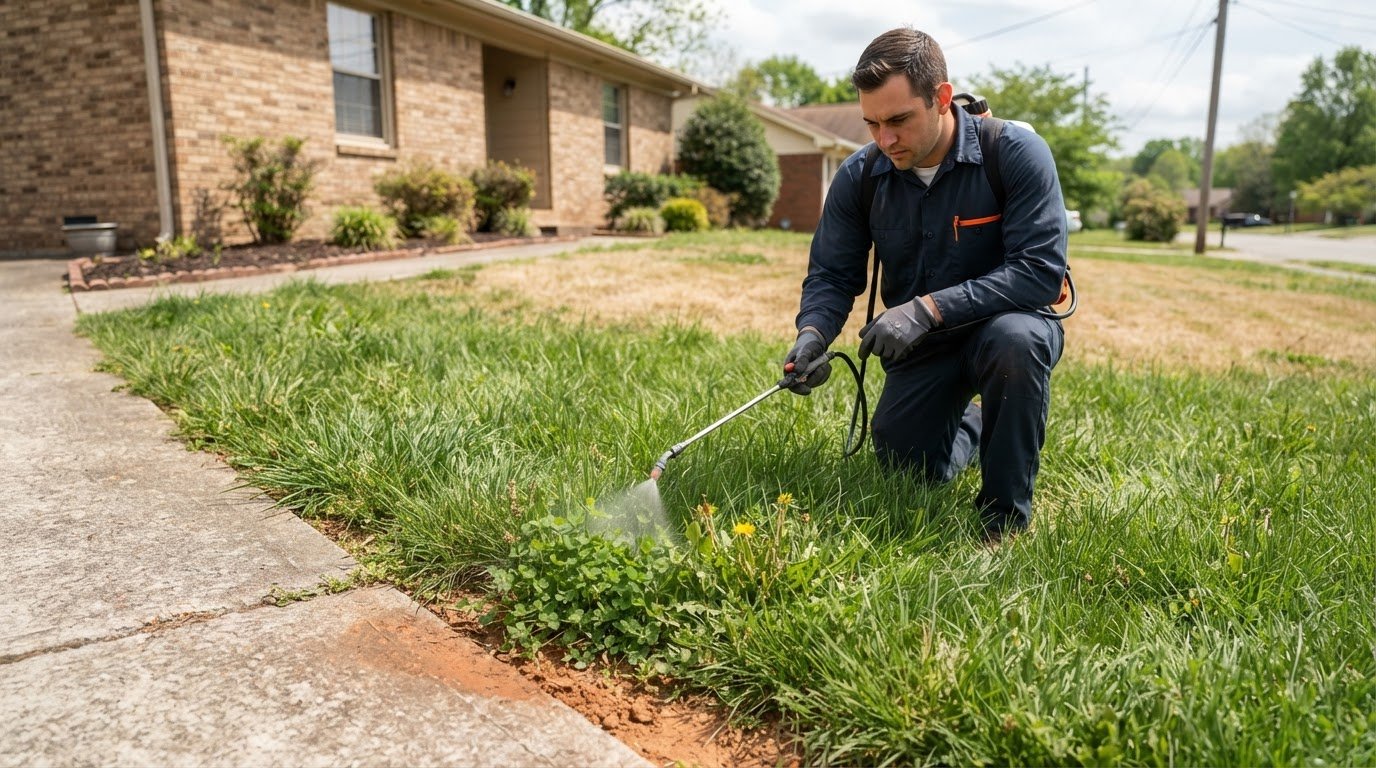
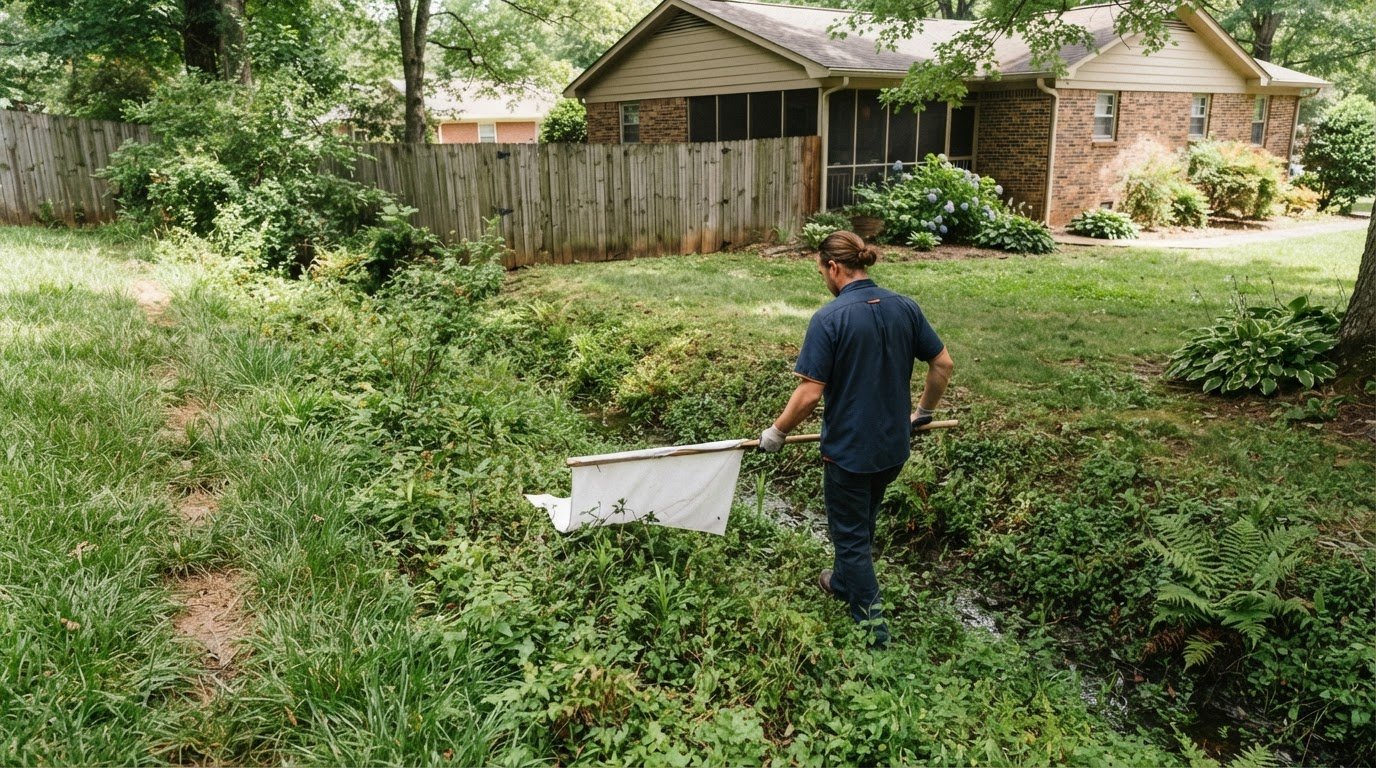
Post-emergent weed control targets visible weeds. Professionals identify crabgrass, nutsedge, clover, and broadleaf weeds before selecting a treatment, since different weeds can require different approaches. Broadleaf products aren’t automatically suitable for grassy weeds. Dallisgrass and Johnsongrass may need separate or targeted treatment, rather than the products used for typical broadleaf weeds.
Post-emergent treatments through the season can address weeds that emerge after prevention applications. A multi-application program responds to changing weed pressure as the season progresses; a single visit cannot account for later emergence. In Lebanon, visible dandelions, clover, or crabgrass may call for targeted treatment suited to the weed and lawn.
Weather also affects application planning. Many modern herbicides become rainfast within a few hours, but product directions determine suitable conditions for each treatment. A planned schedule can coordinate seasonal prevention, post-emergent applications, and fertilization. This allows weed control and turf nutrition in Lebanon, TN to address emerging weeds and the turf’s changing seasonal needs.
Dense turf helps crowd out weeds, which often colonize bare ground. On septic properties, lawn treatment programs avoid applying heavy nitrogen to the drain field. Elsewhere, nutrition should support the desired grass without treating every area identically. For thin or open spots, professionals consider turf density and soil conditions as part of ongoing weed management.
Choose a pre-emergent herbicide suited to the target weed and lawn grass; no single product works for every lawn. Apply treatments in early spring and fall, with spring applications focused especially on preventing crabgrass, and follow the product directions.
Targeted treatment for dandelions, crabgrass, and clover
A useful treatment plan matches the application to the weed and the lawn’s condition. In Lebanon, visible weeds and grass growth help determine which concerns need attention first.
Targeted Weed Treatments
Dandelions and clover are broadleaf weeds, while crabgrass is a grassy weed. Professionals identify each before selecting a treatment, since a product intended for one weed type may not address another. They also consider where weeds are concentrated and whether thin turf contributes to the problem. These details help target affected areas while protecting the desired grass.
Treatment Timing and Reapplication
Weeds emerge at different times depending on seasonal conditions, so treatment planning considers which plants are actively growing. A series of applications can address changing weed pressure across a lawn more effectively than unrelated visits. Reapplication timing depends on the target, treatment directions, and the lawn’s response to earlier applications. This keeps the plan responsive without assuming every weed appears at once.
Fertilizer timing and nutrient rates should reflect whether the lawn is cool-season fescue or warm-season Bermuda, as well as its soil and growth condition. Professionals consider these factors when shaping a nutrition plan rather than applying the same approach to every lawn. Lebanon’s clay soil and summer drought stress can also affect turf health.
Application precautions depend on the product used. Professionals follow label directions, including any instructions about children, pets, and access to treated areas. Products can have different directions, so there isn’t one waiting period that applies to every treatment. Clear application guidance helps households plan lawn use around the specific service.
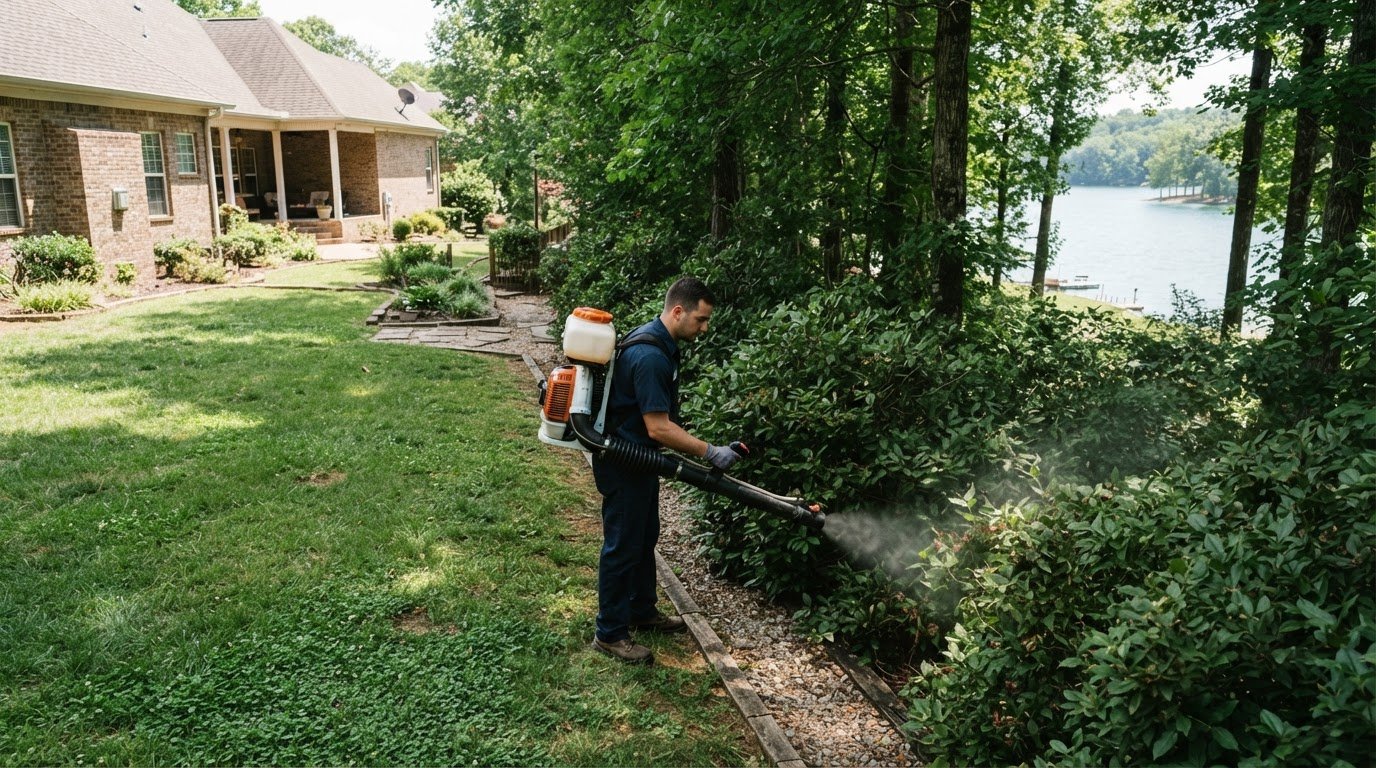
Lawn weed treatments don’t address pests or disease in trees and shrubs. Damage to leaves or branches calls for separate identification, since a turf herbicide isn’t a tree or shrub treatment. Keeping these concerns distinct helps ensure the lawn application is selected for the intended weeds and grass.
When weed pressure changes or new patches appear, a professional assessment can help prioritize treatment and nutrition for the lawn’s current condition. Discuss your lawn treatment needs with the team.
For ongoing weed care, a multi-application lawn treatment program is more practical than relying on one-off visits throughout the year. A coordinated program gives each service a place in the overall approach, instead of treating every visit as an isolated response to whatever is visible. This keeps attention on identified weeds while allowing the plan to adapt as the lawn changes.
Before beginning, ask the team to explain the sequence of applications, the weeds each step is intended to address, and how the lawn’s response will shape subsequent care. The schedule should reflect treatment directions and grass condition; a series doesn’t mean applying the same product automatically or on an arbitrary timetable. Clear expectations show how each visit fits the broader plan and when reassessment may be appropriate. A planned program also provides a consistent way to discuss new patches or changing priorities, rather than treating visits as unrelated decisions.
Middle Tennessee soil and seasonal challenges
Lebanon lawns face clay soil, summer drought stress, and changing seasonal conditions. These factors shape fertilizer timing, weed control, and the condition of each outdoor space.
For pesticide and fertilizer applications, professionals follow the product label’s directions for the intended use and site. Tennessee commercial pesticide and herbicide applicators must hold a Department of Agriculture applicator license; this requirement applies to commercial applicators.
Soil Testing and Lawn Nutrient Needs
A Wilson County soil test helps identify soil conditions that affect fertilizer and lime needs. Results guide decisions about which nutrients to apply and whether lime is appropriate, rather than relying on the same routine treatment for every lawn. In newer subdivisions, Bermuda or fescue sod may sit over thin topsoil and clay, making a soil test useful when shaping a tailored plan.
Seasonal Application Risks
Lebanon temperatures range from 30°F to 90°F, and summer drought can stress turf. Heat and dry soil affect how grass responds to fertilizer, while rainfall can influence herbicide application and movement. Professionals consider current weather, soil moisture, the grass type, and product directions before scheduling treatments. Applying a treatment at the wrong time can add stress or reduce its effectiveness.
Local Turf Recommendations
Lebanon residents can use Wilson County soil test results alongside Tennessee turf recommendations to guide professional care. Start with the lawn’s grass type, soil condition, and visible needs. For example, fescue and Bermuda have different growth patterns, so fertilizer timing should reflect the turf being maintained.
Middle Tennessee is a transition zone where neither warm-season nor cool-season grass is fully at home. Seasonal timing matters: professionals match nutrition to whether the lawn is actively growing, rather than applying the same schedule to every turf type. Clay soil can also limit root growth and drainage, while summer drought adds stress.
For compacted clay, aeration can address soil structure as part of broader lawn care. Newer lawns with thin topsoil may also need soil amendments, lime, or organic matter based on test results. Residential aeration can support a plan focused on soil conditions and turf growth, rather than fertilizer alone.
Broadleaf weed pressure is also common across Lebanon, alongside clay soil and summer drought stress. These conditions make it useful to consider the lawn as a whole: soil test results, turf type, and visible needs can inform decisions about fertilizer, lime, organic matter, and aeration. For new subdivisions where Bermuda or fescue sod was laid over thin topsoil and clay, a soil test and lime and organic matter are recommended. This ties care choices to site conditions rather than assuming one approach suits every lawn.
Broadleaf weed pressure
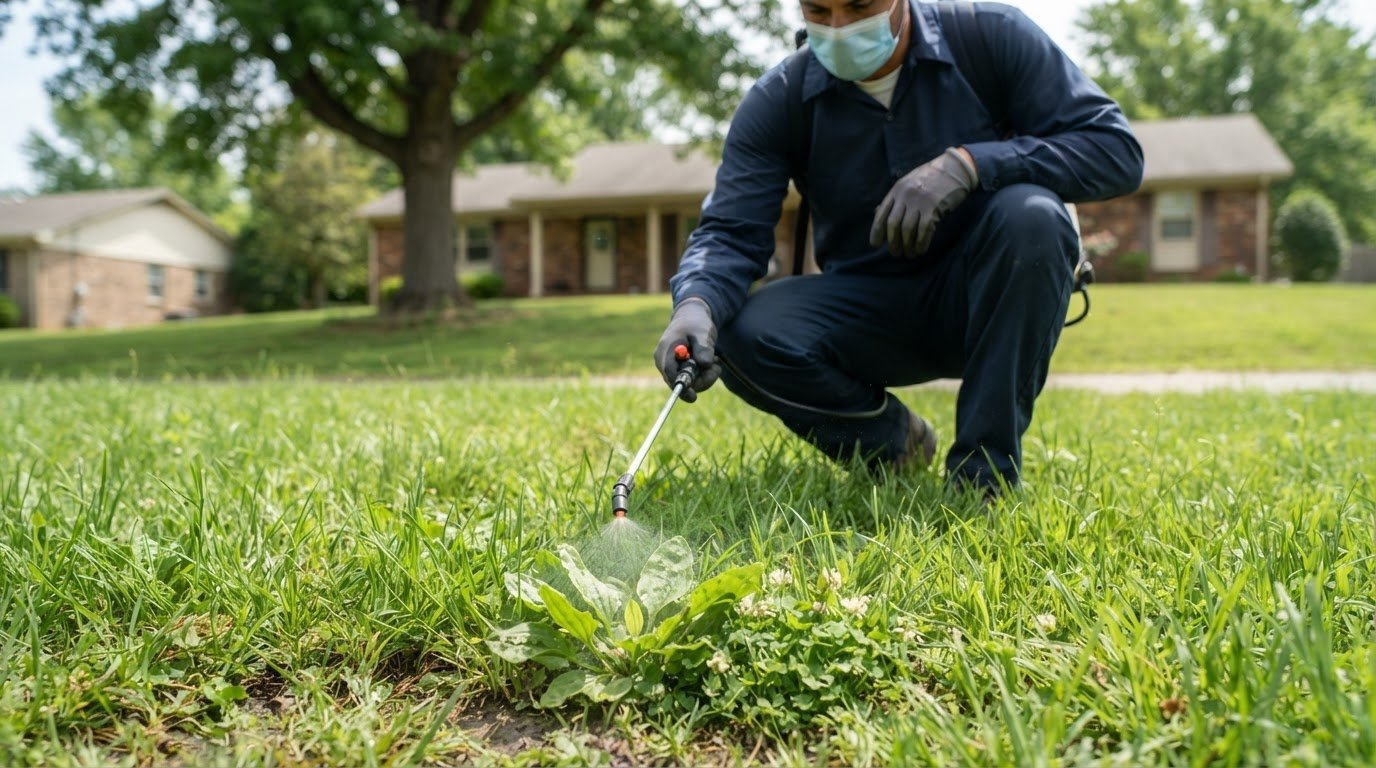
Broadleaf weeds such as dandelions and clover compete with turf for growing space. In Lebanon, bare or thin areas give these weeds room to establish. A useful treatment plan pairs targeted weed control with attention to lawn density. Herbicide addresses existing weeds, while suitable turf nutrition supports the grass already growing in the area.
Start with identification. A technician distinguishes broadleaf weeds from grassy weeds before selecting treatment, because the same herbicide may not suit both. Dandelions and clover have different growth forms, so their presence, location, and spread help shape an appropriate application plan. Dallisgrass and Johnsongrass are grassy weeds and may need a different approach from common broadleaf weeds.
Visible weeds don’t always tell the full story. A small dandelion patch may signal thin turf, while clover across a lawn may point to broader openings in the grass canopy. Professionals consider these patterns alongside grass type and soil conditions. In Wilson County, clay soil and summer drought stress can also affect turf density and the lawn’s ability to compete.
Application timing and product selection should match the weed and surrounding grass. A treatment aimed at broadleaf weeds must account for the desired turf, including whether the lawn is fescue or Bermuda. Professionals follow product label directions and consider weather when planning an application. This aligns treatment with the lawn’s current condition instead of applying one approach everywhere.
Weeds can return as new plants emerge or bare areas remain open. A single application may not address changing weed pressure through the season. A multi-application approach can respond to weeds that appear at different times, while lawn care also supports denser turf. Treatments help manage weeds; they don’t make a lawn permanently weed-free.
It also matters to distinguish weeds from disease. Brown patch can damage turf and leave space for weeds, but fungal disease isn’t a broadleaf weed. Lawn disease treatments can typically help manage brown patch, though results depend on conditions and the problem’s severity. Professionals assess symptoms before choosing treatment, since herbicide won’t manage lawn disease. Correct identification helps prevent confusion between weed treatment and disease management.
For a Lebanon property, a thorough assessment considers weed species, lawn condition, and affected areas before treatment is selected. A tailored plan can address dandelions or clover while accounting for grassy weeds, turf type, and conditions across the property. Building and maintaining healthy turf helps reduce open ground where new weeds can take hold.
Control of nutsedge and other tough weeds
Persistent weeds may need a different plan from routine broadleaf treatment. In Lebanon lawns, the approach depends on accurate identification, the affected area, and the desired turf.
Nutsedge can stand out from surrounding grass because its upright leaves and growth pattern differ from typical lawn turf. Correct identification helps distinguish it from other grassy weeds before selecting treatment. Professionals also assess whether the problem is isolated or spread across the lawn. That distinction helps direct applications where they’re needed.
Some weeds need attention beyond a general treatment program. Dallisgrass and Johnsongrass may require an approach tailored to the lawn and target. Bermuda grass in an established fescue lawn can be extremely difficult to eliminate completely. Ongoing management generally focuses on limiting its spread and reducing its presence while keeping fescue healthy and competitive. Treatment choices should account for the desired turf, not just the visible weed.
Application planning considers the weed’s growth and the surrounding grass. A treatment intended for one weed may not suit another, so professionals match product and timing to the target. They also follow product directions when deciding how and where to apply it. This targeted process avoids treating different lawn problems as if they were identical.
As the season progresses, new patches may appear in areas that weren’t affected earlier. A follow-up assessment can determine whether the original weed remains, another species has appeared, or the treatment plan needs adjusting. Continued attention is especially useful when a lawn has multiple problem areas. Weed control manages pressure over time; it doesn’t promise weeds won’t return.
Nutrition and turf density also matter for long-term lawn care. Dense grass leaves less open ground for weeds, while thin areas may need more attention. Professionals consider the lawn’s condition alongside weed identification, so treatment decisions support the desired turf rather than focusing only on visible plants.
An estimate for lawn treatment can reflect turf square footage and planned seasonal applications. The annual program may be quoted as one price, with treatment needs shaping the estimate. This gives the lawn’s size and planned coverage a practical role in determining the scope of control services.
For help assessing nutsedge or other persistent weeds in your Lebanon lawn, request a lawn treatment estimate.
Performance Lawns
Performance Lawns, INC helps Lebanon homeowners manage seasonal weeds and support healthier turf with coordinated lawn treatments. When crabgrass, broadleaf weeds, or thin grass need attention, weed control and fertilization address weed pressure and turf nutrition as part of ongoing lawn care. For compacted areas, residential aeration and overseeding can also support lawn density.
The right next step is a plan shaped around the lawn’s grass type, soil conditions, and visible concerns. This connects seasonal treatment decisions with the condition of your outdoor space without promising weeds will never return.
Contact Performance Lawns, INC to discuss lawn care for your Lebanon property.
Give your Lebanon lawn a considered next step
A healthier lawn starts with a plan suited to the property, not a one-size-fits-all schedule. As you consider weed control and turf nutrition in Lebanon, TN, focus on the outcome you want: stronger turf, fewer troublesome weeds, or better support for thin areas. A professional can connect those priorities with suitable lawn treatments and seasonal care.
Performance Lawns, INC offers weed control and fertilization to manage unwanted growth while supporting turf health. Residential aeration and overseeding can also address compacted or thin areas where appropriate. The right combination depends on the lawn’s condition and needs, so start with the concern that matters most to your property.
Thoughtful lawn care is an ongoing investment in your outdoor space. Contact Performance Lawns, INC today to discuss a practical next step for your Lebanon lawn. With a clear plan, you can move forward with confidence and care for a lawn that’s ready to grow.
Frequently Asked Questions
What if weeds come back between visits?
New weeds can emerge between treatments, so their return doesn’t automatically mean the lawn care plan has failed. Note where they appear and whether they’re broadleaf weeds, grassy weeds, or nutsedge; this helps guide the next treatment. In Lebanon, Mt. Juliet, Gallatin, and Hendersonville, seasonal conditions and bare areas can affect weed pressure. Ongoing applications and attention to turf density help manage weeds over time.
Will the treatments hurt my grass, kids, or pets?
Treatments are selected for the target weed and intended turf, while product directions guide precautions around children and pets. Grass type matters because a product suitable for one lawn may not suit another. Follow the specific product label and the technician’s instructions about access to treated areas. If you have questions about an application, discuss them with the lawn care professional before treatment.
What is the best seasonal weed control schedule for lawns in Lebanon, TN?
A useful Lebanon schedule coordinates prevention and follow-up with the weeds and grass present. Pre-emergent applications are generally timed for early spring and fall; visible weeds may need targeted post-emergent treatment during the growing season. Fescue lawns may also benefit from fall feeding and overseeding to support turf density. A recurring plan can adjust applications as conditions change, rather than relying on isolated treatments.
Which pre-emergent herbicides work for common Tennessee lawn weeds, and when should they be applied?
Choose a pre-emergent herbicide suited to the target weed and lawn grass; no single product works for every lawn. Apply in early spring and fall, follow the product directions, and focus spring applications especially on crabgrass prevention.
What fertilizer timing and nutrient rates are recommended for cool-season and warm-season lawns in Middle Tennessee?
Fertilizer timing and nutrient rates should reflect whether the lawn is cool-season fescue or warm-season Bermuda, its soil, and its growth condition. Wilson County soil test results can guide nutrient needs; timing should match when the grass is actively growing.