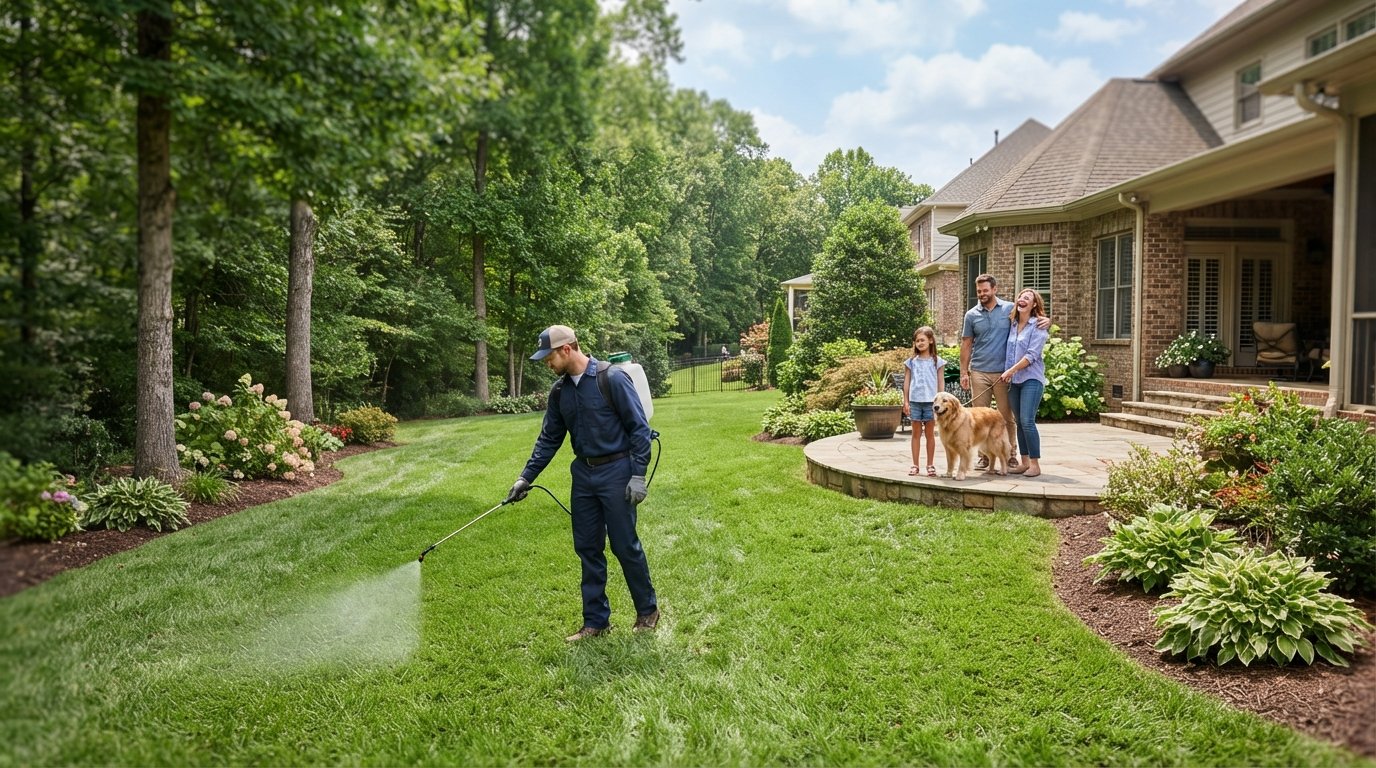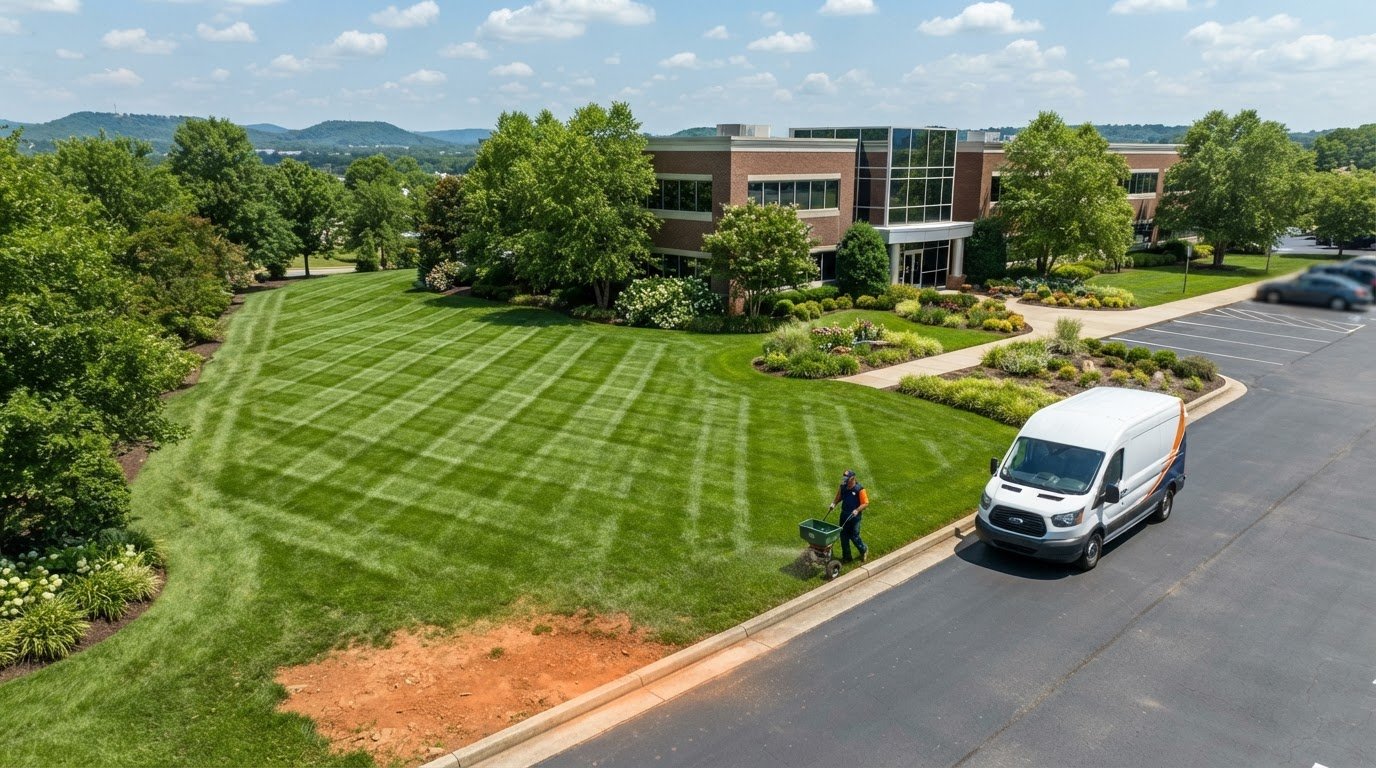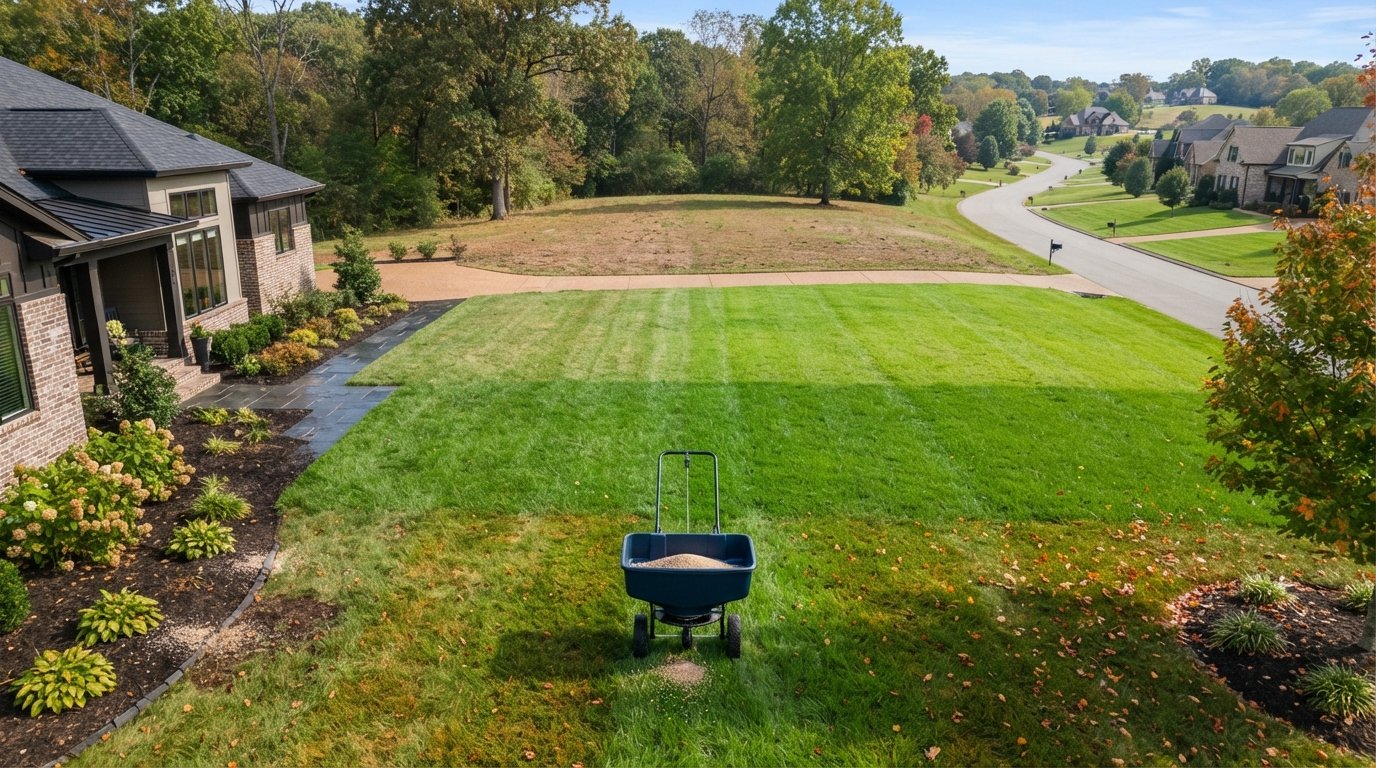


The right post-emergent weed spraying in Gallatin depends on more than how many weeds you see. Before choosing a treatment, it helps to know what is growing, what kind of grass you want to keep, and whether the weeds are scattered or concentrated in certain areas. An unfamiliar plant might be a weed, desirable turf, or something a treatment could harm.
That caution makes sense. Post-emergent treatments target weeds that have already sprouted, but the right approach depends on identifying the weed and considering the surrounding turf and plants. Broadleaf weeds, grassy weeds, and sedges may call for different approaches, and some challenging weeds may need a separate strategy. No single spray promises to remove every weed.
This guide explains how post-emergent weed control works, what to ask before hiring a provider, and what realistic results can look like. It also covers how weed type and lawn condition can shape a treatment plan in Gallatin, so you can compare providers with more confidence and ask focused questions about your property.
What Post-Emergent Weed Spraying in Gallatin Does and When It Makes Sense
Post-emergent treatments target weeds that have already sprouted and are growing in the lawn. They address visible weeds rather than preventing new ones from emerging. As a general overview explains, weed control includes several approaches, including herbicides. Choosing a treatment for a Gallatin lawn, however, requires more than spotting a plant and spraying it.
In plain language, post-emergent weed control treats unwanted plants after they appear, with the weed type, turf, and current conditions guiding the approach. The aim is to manage specific weeds and reduce weed pressure, not to promise that every weed will disappear. An assessment can help determine whether treatment is appropriate and how to account for desirable grass and nearby plants.
Post-emergent treatment versus preventing weeds before they appear
Post-emergent care addresses visible, actively growing weeds. Pre-emergent strategies have a different purpose: they are intended to prevent certain weeds from establishing before they become visible. They do not treat weeds that are already growing in the lawn.
The two approaches can play complementary roles in a broader weed-control plan, but the right choice depends on what is present and the lawn’s condition. Ask whether the issue calls for post-emergent treatment, prevention, or another management approach. A provider should explain the reasoning rather than treating every situation as a reason for the same spray.
Why identifying the weed and grass matters in Gallatin
Some plants look alike at a glance but call for different decisions. Clover and dandelion, for example, are broadleaf weeds, while grassy weeds and sedges have different growth characteristics. An approach suited to one group may not be appropriate for another. The type of lawn matters, too: a plant that is unwanted in one area may be desirable turf in another.
This distinction is especially important when a grassy plant is mistaken for a weed. Dallisgrass and Johnsongrass can be more challenging to manage than common broadleaf weeds and may need a separate or targeted approach. Bermuda grass spreading into an established fescue lawn can also be extremely difficult to eliminate completely. Management generally focuses on limiting its spread and supporting the desired fescue.
If you are considering post-emergent weed spraying in Gallatin, ask for an assessment before treatment is recommended. The provider should identify the target plant, explain how the plan accounts for your turf, and describe realistic results. Performance Lawns provides fertilization and weed control in Gallatin and Middle Tennessee, with service recommendations focused on lawn treatments.
How a Gallatin Provider Should Assess Weeds Before Spraying
A sound treatment recommendation starts with an assessment, not a blanket promise. For post-emergent weed spraying in Gallatin, a provider should identify the plants, determine the grass type, consider how weeds are distributed, and explain which treatment options fit those findings. This sequence helps avoid treating desirable turf as a weed or choosing an approach that does not match the problem.
What a lawn and weed identification should cover
Ask the provider to name the weeds they see and explain how they identified them. Broadleaf weeds, such as clover and dandelion, differ from grassy weeds in appearance and growth, and may require different management. Purdue University Extension’s guide to controlling broadleaf weeds offers additional background on that category and lawn treatment considerations.
Next, confirm what grass is growing in the affected area. The lawn’s condition and the turf you want to preserve should inform the treatment decision, not just the presence of an unwanted plant. A useful assessment also considers whether weeds are scattered or concentrated in particular areas. Ask what the proposed treatment is intended to manage, what it may not address, and whether another approach is being considered.
When grassy weeds need a different approach
Do not assume a treatment for common broadleaf weeds will also manage grassy weeds. Dallisgrass and Johnsongrass can be harder to manage than many broadleaf weeds, so a separate or targeted treatment may be recommended. Ask the provider to confirm the identification and explain why the proposed approach suits that specific lawn.
Bermuda grass spreading into an established fescue lawn presents a different challenge. It can be extremely difficult to eliminate completely. Management generally focuses on limiting its spread, reducing its presence, and supporting the desired fescue. A provider should set expectations accordingly rather than imply that a standard weed treatment will remove it.
Visible weeds are clues, but they do not always explain why those plants are appearing. Their distribution and the lawn’s condition can help guide questions, but symptoms alone may not establish the underlying cause. Ask what the provider can determine from an assessment and what remains uncertain. For a closer look at the company’s approach, read its fertilization and weed control guide.
To discuss what is growing in your Gallatin lawn and what treatment may fit, contact Performance Lawns with your concerns and ask about an assessment.
How to Compare Post-Emergent Weed Spraying Services in Gallatin
When comparing post-emergent weed spraying in Gallatin, look beyond a quick quote or a broad promise. A provider should be able to explain what they see, why they recommend a treatment, and what it is intended to manage. The details matter: South Dakota State University Extension’s overview of how post-emergent herbicides work discusses factors such as weed size and application timing that can affect treatment decisions.
A practical provider comparison
| What to compare | What to ask or look for |
|---|---|
| Assessment | Does the provider evaluate the lawn before recommending treatment? |
| Weed identification | Can they name the target weeds and distinguish broadleaf weeds from grassy weeds? |
| Explanation | Do they clarify the treatment’s purpose, limitations, and fit for your turf? |
| Communication | Will they explain recommendations and how they will communicate if additional management may be needed? |
Questions to ask before scheduling
Use the conversation to understand the service, not just its headline claim. Ask which weeds the provider identified, what treatment approach they are considering, and what the treatment is designed to address. Ask what limitations may apply because of the weed type, lawn condition, or conditions at treatment. You can also ask how recommendations will be shared and how the provider will let you know if follow-up or a different management approach should be considered.
Clear answers help you compare providers on process and fit. A vague promise does not tell you whether the plants were correctly identified or whether the provider considered your desired grass. If a provider cannot explain the reasoning behind a recommendation in plain language, ask for clarification before proceeding.
Set realistic expectations
Be cautious of claims that promise a completely weed-free lawn or total weed elimination. Professional weed control is designed to manage weed pressure and support healthy turf, not guarantee perfection. Results depend on the weed, lawn condition, and conditions when treatment is applied. Dallisgrass and Johnsongrass, for example, may need a separate or targeted approach rather than the treatment used for common broadleaf weeds.
Performance Lawns provides fertilization and weed control in Gallatin. Its services focus on lawn treatments, not mowing or landscaping, so confirm that a provider’s offerings match the work you need. For details, review the fertilization and weed control service. To discuss your lawn and treatment needs, contact Performance Lawns.
What to Expect Before and After Professional Weed Spraying
A successful service visit starts with clear communication. Before post-emergent weed spraying in Gallatin, share what you have noticed and ask the provider for instructions specific to your lawn and the planned treatment. Preparation and aftercare can vary, so follow the treating provider’s directions rather than applying generic rules about watering, access, or timing.
How homeowners can prepare for a service visit
Help the provider understand the property by pointing out problem areas, sharing relevant lawn-treatment history, and identifying the grass type if you know it. Mention any spots where you are unsure whether a plant is a weed or desired turf. These details can help focus the assessment and clarify what the treatment is intended to address.
Before the appointment, ask whether the provider has instructions for preparing your property. Do not assume you need to mow, water, move items, or take other steps unless they tell you to. Directions depend on the planned treatment and conditions at your property, so get them directly from the professional handling the service.
How to interpret results and decide on follow-up
Weeds may respond differently depending on their type, growth, and lawn conditions. Visible changes may not be immediate, and a single application should not be treated as a guaranteed complete solution. Ask the provider what response they expect, how and when they will evaluate the lawn, and how to raise concerns if a target weed remains or new growth appears.
Some persistent grassy weeds warrant a separate conversation. Dallisgrass and Johnsongrass can be more challenging to manage than many broadleaf weeds and may require a different or targeted approach. If either is present, ask whether the current treatment is intended to address it or whether a separate recommendation is appropriate. Bermuda grass in an established fescue lawn can also be extremely difficult to eliminate completely. Management generally aims to limit its spread and support the desired fescue.
Keep notes on where weeds appear and what you observe after service. That record can make follow-up discussions more specific and help the provider assess whether the plan needs adjustment. For broader context on lawn treatments, review Performance Lawns’ fertilization and weed control information.
For guidance tailored to your lawn, contact Performance Lawns to discuss your weed-control needs.
Choose Local Weed Control for Your Gallatin Lawn
A responsible weed-control decision follows a clear path: identify the lawn and the plants you want managed, ask how the proposed approach fits, and agree on realistic expectations. That process is more useful than choosing a service based on a blanket promise. It helps you understand what treatment is intended to address and whether the plan accounts for the turf you want to keep healthy.
Why local assessment matters more than a blanket spray promise
For post-emergent weed spraying in Gallatin, a property-specific conversation can connect what is visible in the lawn with a suitable management approach. Ask practical questions: What weeds have been identified? What grass is growing nearby? What is this treatment designed to manage, and what might need a separate discussion? The answers help clarify whether a recommendation fits your lawn rather than relying on a one-size-fits-all claim.
Weed control is ongoing care, not a guarantee of a perfect lawn. A realistic aim is to manage unwanted weeds, reduce weed pressure, and support healthier turf. That distinction matters if the lawn has difficult grassy weeds or a mix of grass types, since the same approach may not suit every plant. Look for a provider who explains the reasoning and limitations clearly and is willing to discuss what may need attention beyond the initial recommendation.
Take the next step with Performance Lawns
Performance Lawns serves Gallatin and Middle Tennessee with residential and commercial fertilization and weed control. If you are seeking guidance, share what weeds you have noticed, the type of grass you believe you have, and where the problem is concentrated. Even a simple description of the affected areas can help start a focused conversation about your lawn’s needs.
Before choosing treatment, ask what the provider can assess and how the recommendation will account for your desired turf. A clear explanation helps you understand both the proposed work and its limits, so you can make an informed decision for your property.
To discuss your lawn, contact Performance Lawns about Gallatin weed control and share your concerns.
Make a Confident Plan for Your Gallatin Lawn
Choosing post-emergent weed spraying in Gallatin starts with knowing what is growing and what kind of turf you want to protect. Ask a provider to identify the weeds, explain why the recommended approach fits your lawn, and set realistic expectations for treatment and follow-up. A clear assessment is more helpful than a blanket promise, especially when difficult grassy weeds may call for a different strategy.
Performance Lawns provides residential and commercial fertilization and weed control in Gallatin and Middle Tennessee. A conversation about your lawn’s condition, problem areas, and goals can help clarify which management options may be appropriate. The aim is practical, ongoing weed control that supports healthier turf, not a promise of perfect results.
Ready to talk through what you are seeing in your yard? Contact Performance Lawns about weed control in Gallatin to share your concerns and ask about a suitable next step.
Frequently Asked Questions
What is post-emergent weed spraying?
Post-emergent weed spraying applies a treatment to unwanted plants that have already emerged and are growing. It differs from pre-emergent strategies, which aim to prevent certain weeds from establishing. The appropriate treatment depends on identifying the weed, the grass you want to protect, and current lawn conditions. A provider should explain which plants the treatment is intended to manage and any limits that may apply.
When should I schedule post-emergent weed spraying in Gallatin?
Post-emergent treatment is generally considered when weeds are visible and actively growing. In Middle Tennessee, applications may be used as needed through the growing season, from spring into fall, with effectiveness often highest when weeds are growing in mild weather. The best timing for your lawn depends on the weed and current conditions, so ask a local provider to assess the plants before scheduling.
Will post-emergent weed spraying kill my grass?
A treatment chosen for the identified weed and compatible with the lawn’s grass is intended to target unwanted plants, but no treatment should be assumed suitable for every lawn. Misidentifying the turf or using an inappropriate approach may risk injury to desirable grass or nearby plants. Ask the provider what weeds and turf they identified, how the plan accounts for your grass, and which application instructions you should follow.
Can post-emergent spraying control Dallisgrass and Johnsongrass?
Dallisgrass and Johnsongrass can be more challenging to manage than many common broadleaf weeds. They may not respond to the same treatments used for typical broadleaf weeds, so a separate or targeted approach may be recommended. Ask the provider to confirm the identification and explain whether the proposed treatment is intended to address these grassy weeds. Do not assume a standard fertilization and weed control program will automatically manage them.
Can Bermuda grass be eliminated from an established fescue lawn?
Bermuda grass that has spread into an established fescue lawn can be extremely difficult to eliminate completely. Management generally focuses on limiting its spread, reducing its presence, and helping the desired fescue remain healthy and competitive. Ask a provider what approach may be appropriate for your lawn and whether ongoing management or additional treatment strategies may be necessary. Be cautious of promises of complete removal.
How do I choose a weed spraying company in Gallatin?
Choose a provider who assesses the lawn, identifies the target weeds, considers the grass type, and explains the treatment’s purpose and limitations. Ask how recommendations and follow-up needs will be communicated. Performance Lawns provides residential and commercial fertilization and weed control, serving Mt. Juliet, Lebanon, Gallatin, and Hendersonville. Compare providers by their assessment and clarity, not by broad claims about guaranteed results.
Does professional weed spraying guarantee a weed-free lawn?
No. Professional weed spraying can help manage unwanted plants and reduce weed pressure, but it cannot guarantee a completely weed-free lawn. Results depend on factors such as weed type, lawn condition, and treatment conditions, and some difficult grassy weeds may need a separate approach. Ask what the treatment is intended to control, what results are realistic, and how the provider will discuss any weeds that persist.