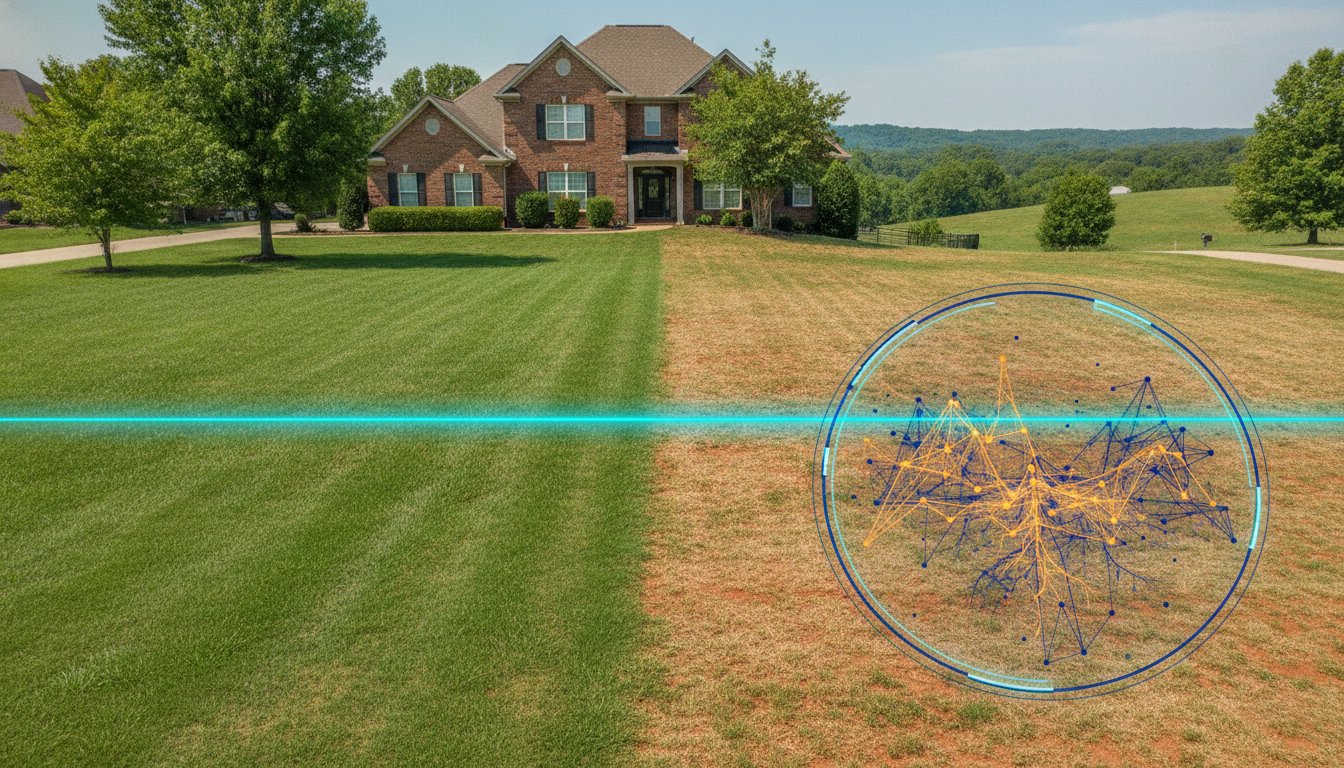
You walk out on a humid July morning in Mt. Juliet only to find your once-vibrant fescue marred by a sprawling, copper-colored circle that wasn't there at sunset. It's a frustrating, anxious moment that many Middle Tennessee neighbors know all too well. You've likely tried the hardware store fungicides and adjusted your sprinklers, yet the spots keep spreading across the yard. We understand that your lawn is more than just grass; it's a place for family, a source of pride, and a significant investment in your property value.
While no program can promise a completely disease-free environment, professional lawn disease prevention services can help you manage the environmental stressors that invite devastation. This 2026 guide explains how to strengthen your turf's natural defenses against common local threats like brown patch and dollar spot. You'll learn why aggressive fungi like Pythium are so much harder to control, how to master your watering schedule, and when it's time to partner with a dedicated local steward to ensure your lawn remains resilient, green, and healthy all season long. By focusing on cultivation, stewardship, and expert timing, you can protect your outdoor space and regain your peace of mind.
Understanding Lawn Disease Prevention Services in Middle Tennessee
Professional lawn disease prevention services represent a proactive investment in your property’s long-term health and aesthetic value. Rather than waiting for unsightly lesions or thinning patches to appear, a prevention-first approach creates a resilient environment where turf can withstand the heavy fungal pressure typical of our region. This strategy is significantly more effective and cost-efficient than reactive, curative treatments. Once a fungus has visibly damaged the grass blade, that tissue is lost; prevention ensures the plant remains structurally sound and vibrant throughout the growing season.
Timing is the most critical factor for success in Mt. Juliet. Our local climate requires a head start, often beginning in early spring before soil temperatures rise and humidity spikes. While these programs are highly effective, we maintain transparency with our neighbors about what they can achieve. A professional program focuses on lawn disease management rather than total elimination. Results depend on the specific disease, weather conditions, and how early a potential issue is identified. We aim to reduce the risk of fungal issues so your grass stays thick and competitive.
What Do Lawn Disease Prevention Services Include?
To provide lasting results, our lawn disease prevention services focus on three core pillars of horticultural health:
- Regular Health Assessments: We perform routine checks to identify early signs of fungal activity before they escalate into widespread damage.
- Timed Preventative Applications: We apply specialized treatments during high-risk weather windows to shield the turf from infection.
- Soil Health Optimization: We integrate fertilization and weed control to balance soil pH and nutrient levels, as a well-fed lawn is naturally more resistant to stress.
Why Mt. Juliet Lawns Face Unique Fungal Challenges
Middle Tennessee sits in the transition zone, a challenging geographic belt where it's often too hot for cool-season fescue and too cold for warm-season Bermuda grass to thrive year-round. This constant environmental stress leaves turf vulnerable to pathogens. During our sweltering summers, high humidity and stagnant overnight moisture transform your yard into a fungal incubator. This environment is particularly conducive to Brown patch, a common disease that can quickly mar a beautiful lawn.
The heavy clay soil prevalent in Mt. Juliet adds another layer of complexity. Clay retains moisture for extended periods, which can lead to root-zone diseases and drainage issues. Lawn disease treatments can help manage common diseases such as brown patch and dollar spot. However, some diseases, including Pythium, can develop and spread very quickly, making them considerably more difficult to manage. Our expertise as a principled expert allows us to guide you through these local challenges with technical precision and a commitment to your lawn's success.
The Science of Fungal Growth: Why Your Lawn Is Vulnerable
Fungal outbreaks often feel like sudden, unprovoked attacks on your property's aesthetic. The reality is more scientific and predictable. Pathogens live naturally in our Middle Tennessee soil year-round, existing in a dormant state until specific environmental triggers occur. The Disease Triangle is the essential framework for turf pathology. This concept explains that for a disease to develop, three factors must align: a susceptible host, a virulent pathogen, and a favorable environment. Professional lawn disease prevention services focus on disrupting this alignment through technical precision and consistent stewardship.
Middle Tennessee summers are notoriously difficult for fescue lawns, particularly during July and August. We often refer to this period as the "heat of the night." When temperatures and humidity remain high after sunset, the grass cannot recover from daytime stress. This environmental pressure weakens the plant's natural immunity, turning a healthy lawn into a susceptible host. Our role as a dedicated local steward is to help you manage these risks through proper cultivation, investment, and care.
The Role of Environmental Stressors
Heat stress is the primary catalyst for summer turf decline in Mt. Juliet. When fescue struggles to stay cool, its internal defenses drop, allowing pathogens to take hold. Finding the "Goldilocks" zone for irrigation is vital for Lawn Disease Prevention and Management. Too little water leads to drought stress, while over-watering creates the saturated conditions that fungi crave. Soil compaction further complicates this balance by restricting oxygen and encouraging anaerobic fungal growth. To ensure your soil is breathing properly, you might consider residential aeration to relieve pressure and improve drainage.
Common Pathogens in Middle Tennessee Soil
Understanding the specific biological threats in our region allows for more effective lawn disease management. Rhizoctonia solani, the pathogen behind Brown Patch, is perhaps the most frequent visitor to Tennessee yards. It thrives when night temperatures exceed 65 degrees and leaf blades stay wet for extended periods. Sclerotinia homoeocarpa, or Dollar Spot, often appears when the lawn is suffering from a nitrogen deficiency, creating small, silver-dollar-sized bleached spots.
While Brown Patch and Dollar Spot can typically be managed through a standard program, Pythium blight is the true wildcard. Pythium can develop and spread very quickly under favorable conditions, making it considerably more difficult to manage than other common fungi. Treatment effectiveness depends on the specific disease and how early the problem is identified. If you notice unusual changes in your turf's color or texture, we invite you to connect with our team for a professional assessment of your lawn's health.
Cultural Habits vs. Professional Lawn Disease Management
A resilient lawn is the result of shared responsibility. While our professional lawn disease prevention services provide the scientific shield your grass needs, those treatments must be supported by sound cultural habits to truly succeed. We view ourselves as your partner in stewardship, guiding you through the daily decisions that impact your turf's health. When technical expertise meets consistent homeowner care, the result is a green, vibrant landscape that can withstand the rigors of a Tennessee summer. This collaborative approach ensures reliability, integrity, and local pride in every yard we serve.
The Homeowner's Checklist for Prevention
Protecting your investment begins with three essential habits: mowing high, watering early, and keeping equipment sharp. We recommend maintaining a mowing height of 3.5 to 4 inches for fescue lawns. This height protects the grass crown and creates a canopy that shades the soil, reducing the temperature at the root zone. Watering should ideally occur between 4 AM and 8 AM. Evening watering is the most common mistake in Mt. Juliet, as it leaves the leaf blades damp overnight, creating a perfect environment for fungal spores to germinate. Finally, ensure your mower blades are sharp. Dull blades shred the grass, leaving jagged wounds that are much more susceptible to infection than a clean, precise cut.
When to Bring in Professional Treatments
Cultural practices are the foundation, but Middle Tennessee's heavy humidity often requires more specialized intervention. Professional lawn disease management becomes necessary when environmental pressure exceeds the plant's natural resistance. Applying preventative fungicides before the humidity dome settles over the region in June is a strategic move that saves your turf from significant damage. Our team also integrates professional fertilization and weed control to ensure your lawn has the nutrient balance required for peak immunity.
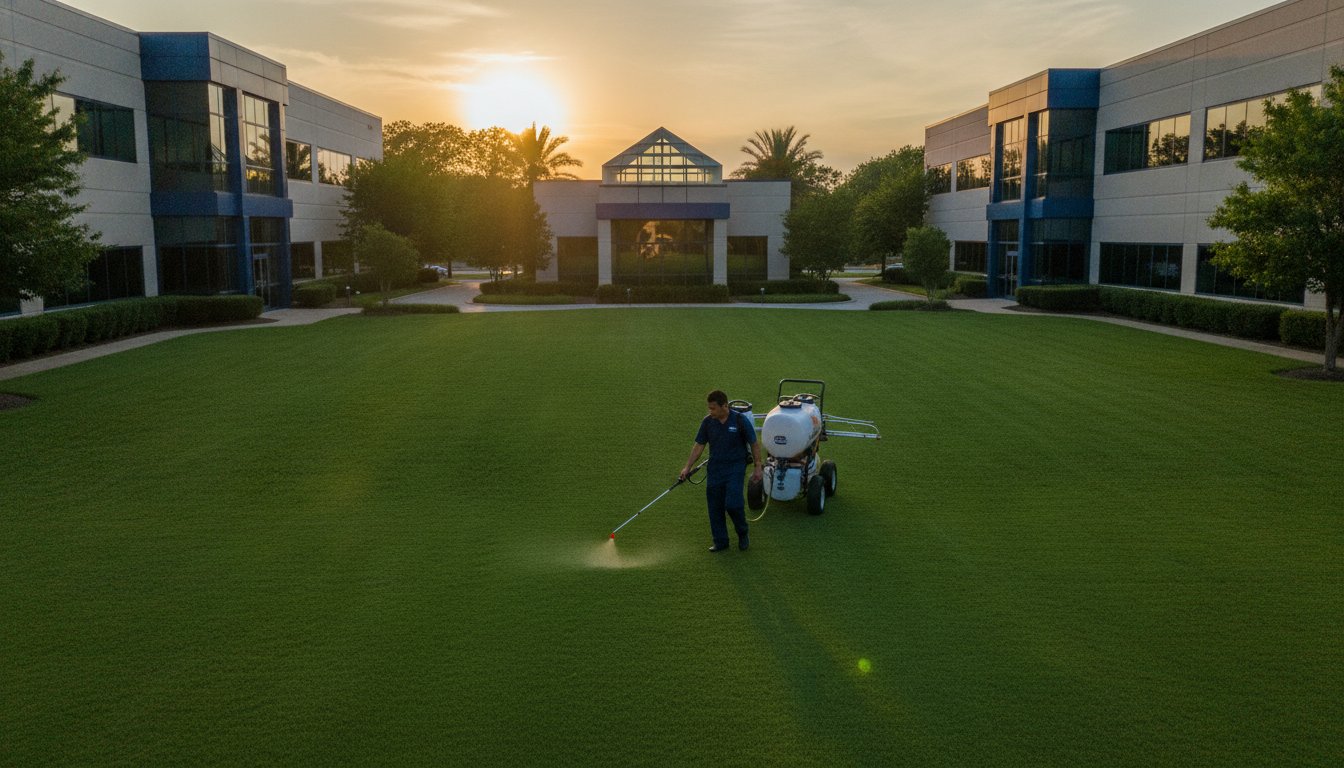
The limitations of DIY products are often apparent when compared to professional-grade formulations. Store-bought fungicides often lack the concentration and residual strength of the products used in professional lawn disease prevention services. Additionally, professional equipment ensures even, precise coverage that manual spreaders or hose-end sprayers simply cannot match. By choosing a licensed expert, you gain access to precision-timed treatments and the peace of mind that comes with our no-risk guarantee. We take the burden of complex tasks off your shoulders while delivering high-end results that reflect our 15+ years of local experience.
Identifying and Managing Common Local Fungal Issues
Effective lawn disease prevention services require a keen eye for subtle changes in the turf's appearance. Middle Tennessee homeowners often feel a sense of frustration when their hard-earned green space begins to thin or change color overnight. Our 15+ years of local experience allow us to distinguish between manageable seasonal issues and aggressive threats that require immediate intervention. While we provide robust technical precision, we also emphasize that results depend on the specific disease, environmental conditions, timing, and severity. We act as your guide, removing the burden of complex diagnostics while delivering high-end results that reflect our commitment to local stewardship.
Brown Patch and Dollar Spot Management
Lawn disease treatments can help manage common diseases such as brown patch and dollar spot. Brown patch is a frequent visitor to Mt. Juliet fescue lawns, often revealing itself through a distinctive "smoke ring." This dark, grayish border appears at the edge of thinning patches during humid mornings when the fungus is most active. Identifying this sign early is essential to prevent large-scale turf loss. Dollar spot management typically focuses on nutrient balance, as these small, bleached lesions often signal a nitrogen deficiency in the soil. These diseases respond well to professional-grade fungicides, which provide a level of residual protection that DIY products simply cannot replicate. By maintaining a consistent health program, you invest in the long-term resilience and aesthetic value of your property.
The Challenge of Aggressive Diseases and Invasive Grasses
Some biological threats require a more specialized and urgent approach. Pythium can be significantly more difficult to manage because it can develop and spread rapidly and aggressively under favorable conditions. This disease is the true wildcard of Tennessee lawn care, often appearing as greasy, matted patches that can devastate a lawn in a matter of days. Treatment effectiveness can depend on how early the problem is identified and the severity of the weather conditions. Our principled experts are trained to spot these rapid shifts and pivot your management strategy accordingly.
Invasive species also complicate the health of your turf. Bermuda grass that has spread into an established fescue lawn can be extremely difficult to eliminate completely. Management efforts generally focus on limiting its spread, reducing its presence, and helping the desired fescue remain as healthy and competitive as possible. Similarly, Dallisgrass and Johnsongrass are invasive grassy weeds that can be more challenging to manage than common broadleaf weeds. Because they may not respond to the same treatments used for typical lawn weeds, a separate or targeted treatment approach may be recommended. If you suspect your lawn is facing these complex challenges, we invite you to reach out for a professional health assessment to protect your outdoor investment.
Building a Resilient Lawn with Performance Lawns, INC
Performance Lawns, INC understands that true lawn health is a holistic endeavor requiring technical precision and regional expertise. Professional lawn disease prevention services are most effective when they address the subterranean environment where pathogens thrive. By improving soil drainage and structure, we tip the scales in favor of your turf's natural immunity. Our 15+ years of local experience have taught us that a resilient lawn is built on a foundation of proper drainage, nutrient balance, and genetic strength. We take personal responsibility for the aesthetic and functional health of your property, backed by our no-risk guarantee. Our approach emphasizes cultivation, investment, and enduring quality.
Core aeration is a vital tool in this process, acting as a physical reset for your soil's health. When we perform core aeration, we physically remove small plugs of soil to alleviate compaction and break the disease cycle. This process allows oxygen, water, and nutrients to reach the root zone, directly discouraging the damp, anaerobic conditions that fungi crave. Additionally, integrating lawn pest control reduces the secondary stressors that weaken a plant's natural defenses. By removing the burden of pests, we allow the grass to focus its energy on growth, recovery, and long-term disease resistance.
The Power of Aeration and Overseeding
Reducing soil compaction is the first step in allowing roots to breathe and stay healthy throughout the challenging Tennessee seasons. Through fall aeration and overseeding, we introduce 'Elite' fescue cultivars specifically selected for their higher fungal resistance and drought tolerance. This genetic upgrade is a long-term investment in your property's value and overall resilience. You can learn more about why this process is essential for your yard's longevity by reading our detailed guide on Core Aeration for Residential Yards.
Customized Care for Middle Tennessee Properties
A 'one size fits all' approach often fails in local communities like Lebanon and Hendersonville, where soil composition and microclimates vary significantly. We pride ourselves on being a principled expert and dedicated local steward, developing a customized lawn care plan tailored to your specific landscape goals for the 2027 season. Professional lawn disease prevention services are the cornerstone of a healthy property, and our team is ready to partner with you to remove the complexity of turf maintenance. Please contact us today for a professional health assessment and start your journey toward a more resilient, green outdoor experience.
Protect Your Middle Tennessee Investment for the 2027 Season
Middle Tennessee's climate presents a unique set of challenges for any homeowner. By mastering the balance of cultural habits and professional lawn disease prevention services , you move beyond mere maintenance toward a holistic concept of property pride. Success in our transition zone is a journey of cultivation, stewardship, and enduring quality. While common diseases can typically be managed through consistent care, aggressive threats like Pythium require the technical precision of a principled expert to protect your turf's integrity.
Performance Lawns, INC is your dedicated local steward, bringing 15+ years of Middle Tennessee expertise to every property we serve. We are locally owned and operated in Mt. Juliet; we stand behind our work with a no-risk guarantee on all services to ensure your complete relief. You don't have to carry the burden of complex fungal diagnostics alone. Our team is ready to partner with you to build a resilient, healthy lawn that serves as a beautiful backdrop for your family's best memories.
Reclaim your yard with a professional health assessment from Performance Lawns and enjoy the peace of mind that comes with professional care.
Frequently Asked Questions
Can professional services guarantee a disease-free lawn?
Professional lawn disease prevention services cannot guarantee a completely disease-free lawn. Our goal is to reduce fungal pressure and support turf resilience through technical precision. Effectiveness depends on the specific disease, environmental conditions, and how early we identify the issue. While brown patch and dollar spot can typically be managed, we focus on tipping the scales in favor of your grass rather than promising total elimination of all pathogens.
How do I know if my lawn has brown patch or just needs water?
Distinguishing between drought and disease is vital for proper stewardship. Brown patch typically displays circular patches with a dark "smoke ring" border on humid mornings. You'll often see lesions on the grass blades. In contrast, a lawn that needs water will have a bluish-gray tint or wilted blades that don't bounce back when stepped on. If you're unsure, our experts can provide a professional health assessment for your Mt. Juliet yard.
Are lawn disease treatments safe for my pets and children?
Safety is a core pillar of our service as a dedicated local steward. When our licensed technicians apply treatments, we follow strict protocols to ensure the environment remains secure for your family. We recommend keeping pets and children off the lawn until the application has completely dried. This usually takes about one to two hours depending on the weather. Our goal is to provide a healthy outdoor space where your family can relax without worry.
Why is Pythium so much harder to manage than other fungi?
Pythium is considerably more difficult to manage because it can develop and spread with aggressive speed. While brown patch moves steadily, Pythium can devastate large areas of a fescue lawn in just a few days under high heat and humidity. This disease requires rapid identification and specialized care that goes beyond standard fungal treatments. Its rapid lifecycle makes it the true wildcard for homeowners in Lebanon and Gallatin.
Can I eliminate Bermuda grass from my fescue lawn completely?
Bermuda grass that has spread into an established fescue lawn is extremely difficult to eliminate completely. Rather than promising total removal, our management efforts focus on limiting its spread and reducing its presence over time. We work to help your desired fescue remain as healthy and competitive as possible through proper fertilization and aeration. This approach ensures your lawn stays thick and green while keeping invasive species under control.
Does core aeration really help prevent lawn diseases?
Core aeration is one of the most effective ways to break the disease cycle in Middle Tennessee's heavy clay soil. By removing small plugs of dirt, we improve drainage and allow oxygen to reach the root zone. This reduces the anaerobic conditions that many fungi prefer. Our residential aeration services in Hendersonville create a resilient environment where roots can breathe, making it much harder for pathogens to take hold and spread.
What is the best time of day to water my lawn in Middle Tennessee?
The best time to water your lawn is between 4 AM and 8 AM. This window allows the grass to absorb moisture before the midday heat evaporates it. Watering in the evening is a common mistake because it leaves the leaf blades damp overnight. Stagnant moisture on the grass canopy acts as a fungal incubator, inviting diseases like brown patch and dollar spot to thrive in the humid Tennessee nights.
Why didn't my DIY fungicide stop the brown spots from spreading?
DIY fungicides often fail because they lack the professional-grade concentration and residual strength required for lasting protection. Many store-bought products only treat the surface or have very short active windows. Professional lawn disease prevention services utilize high-end formulations and calibrated equipment to ensure even coverage. Our 15+ years of experience allow us to time applications perfectly with regional weather patterns, providing results that hardware store bottles simply can't match.