

A healthier lawn takes more than a one-time response to visible weeds. Choosing expert lawn weed control in Mt. Juliet means looking at the weeds present, the condition of the turf, and the care needed to manage weed pressure over time.
It’s reasonable to wonder whether you need to be home for a visit. That depends on the arrangements for your property; the treatment plan itself is guided by the lawn’s condition and the weeds being addressed. This guide explains what can affect the cost of professional weed control, how treatment and ongoing care work, and when tougher grassy weeds may need a different approach. You’ll also get a clear picture of what to expect from the process, so you can plan for lawn care with confidence.
Lawn weed control and full-service lawn care
Effective lawn care combines accurate weed identification, targeted treatment, and attention to turf health. In Mt. Juliet, the right approach depends on the weeds present and the condition of the lawn.
Weed Services and Common Weeds
Professional weed control starts by distinguishing unwanted plants from the turf around them. Broadleaf and grassy weeds may need different treatments, since grassy weeds can resemble lawn grass. Dallisgrass and Johnsongrass can be harder to manage than many broadleaf weeds and may need targeted treatment. Bermuda grass spreading through an established fescue lawn is extremely difficult to eliminate completely; management focuses on limiting its spread and supporting the fescue.
A full-service plan can pair weed treatment with fertilization to support stronger turf. The fertilization and weed control service addresses those related care needs. The best fit depends on weed type, turf variety, and where growth is concentrated.
Before and After Treatment Steps
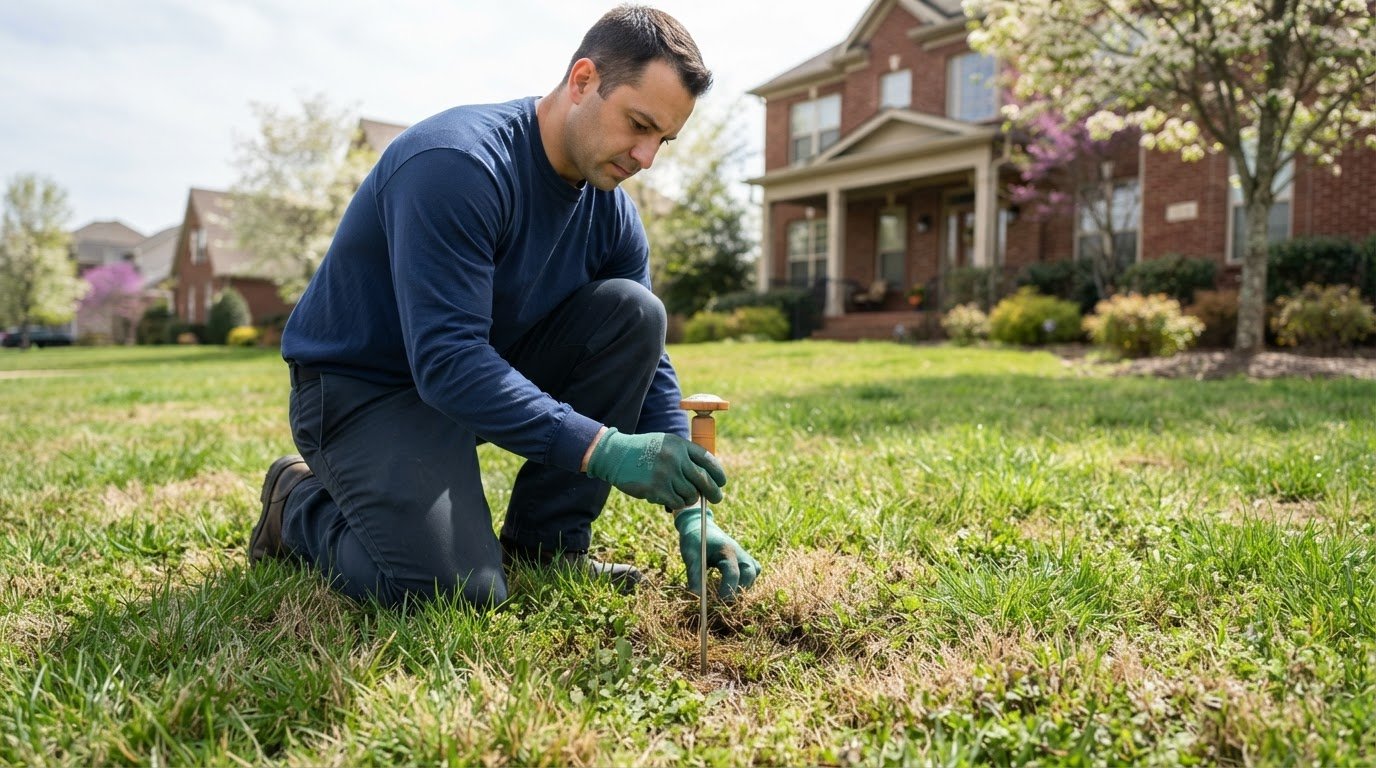
Before treatment, a technician assesses the affected areas, turf type, and visible weeds. Sharing details about recent lawn treatments and sensitive planting areas provides useful context. The treatment can then be matched to the weeds present, rather than treating every patch as the same problem.
After treatment, follow the instructions provided for your lawn, including any directions about watering or access. Keeping treatment details on hand helps inform future visits. Weed response varies by plant and timing, so ongoing care may include monitoring and follow-up treatment.
Local Herbicide Considerations
Herbicide applications need to follow product-label directions and account for conditions at the site. Nearby water, runoff paths, and sensitive plantings are practical environmental considerations. Treatment decisions should reflect the product and property rather than assume one local rule applies everywhere.
Performance Lawns, INC provides lawn treatments in Mt. Juliet and nearby Middle Tennessee communities, including Lebanon, Gallatin, and Hendersonville. When arranging service, share the areas that need treatment and any access details that could affect the visit. Keeping a record of past treatments can also help track lawn care over time.
Customer reviews can offer examples of communication and visit consistency, while technician service is best judged by clear weed identification and treatment explanations. For a Mt. Juliet lawn, note whether the technician distinguishes grassy weeds from turf and explains when a separate approach may be needed. These details help connect lawn care services with the actual condition of the property.
Pre-emergent and post-emergent weed control
Choosing between pre-emergent and post-emergent care starts with the lawn’s condition. A professional considers what is growing, where it appears, and whether the goal is prevention or treatment of existing weeds.
Pre-Emergent Applications
Pre-emergent applications target selected weeds before they emerge. A technician considers the turf type, previous weed patterns, and the areas needing attention to determine whether this approach belongs in the lawn’s care plan.
Coverage matters. Conditions can vary across a front lawn, side yard, and shaded areas. A professional assesses each area instead of assuming one treatment suits the whole property. Existing plants and lawn conditions also guide application decisions.
Pre-emergent care has a specific limit: it does not treat weeds already established above ground. If weeds are visible, prevention alone may not address them. A technician can assess whether another treatment is appropriate for those plants and the surrounding turf.
Post-Emergent Applications
Post-emergent applications address weeds that are already growing. Before choosing a treatment, a professional identifies the plant and considers how closely it resembles the desired grass. This helps avoid treating different weeds as though they were the same.
Middle Tennessee lawns can contain different turf types, including fescue and Bermuda grass. Treatment choices need to account for the grass as well as the weed. Bermuda grass that has spread into an established fescue lawn can be extremely difficult to eliminate completely. Management generally focuses on limiting its spread and supporting the desired fescue.
When weeds are hard to distinguish from grass, accurate identification is essential. A technician can inspect the plant’s growth pattern and location, then determine whether a treatment suited to the turf is appropriate. The goal is to manage unwanted growth while preserving desirable grass.
Some lawns need attention to both emerging weeds and visible plants. A professional assessment can determine whether prevention, treatment of existing growth, or a combination suits the property. As conditions change, care can be adjusted to the weeds and turf present.
Share which areas concern you and describe any changes since the last treatment. Discuss a treatment plan that fits your lawn’s needs.
Average Mount Juliet weeding cost
A single average can’t describe every Mt. Juliet lawn treatment. Professional weed-control pricing depends on the property and the work required. For expert lawn weed control in Mt. Juliet, the price depends on the case and is provided after a quote request; key factors include lawn area, weed type, coverage, and turf condition.
Start with the area that needs attention. Weeds scattered across several sections may call for a different plan than a concentrated patch. The technician also considers whether the weeds are broadleaf or grassy, since those types can need different approaches. Dallisgrass and Johnsongrass may require targeted treatment beyond standard broadleaf weed care.
Coverage matters, too. A treatment plan should reflect the areas being addressed, not simply the property’s overall size. For example, a homeowner may need treatment for the front lawn, backyard, or both. The amount and distribution of weeds help determine the work involved, while the turf type guides product selection.
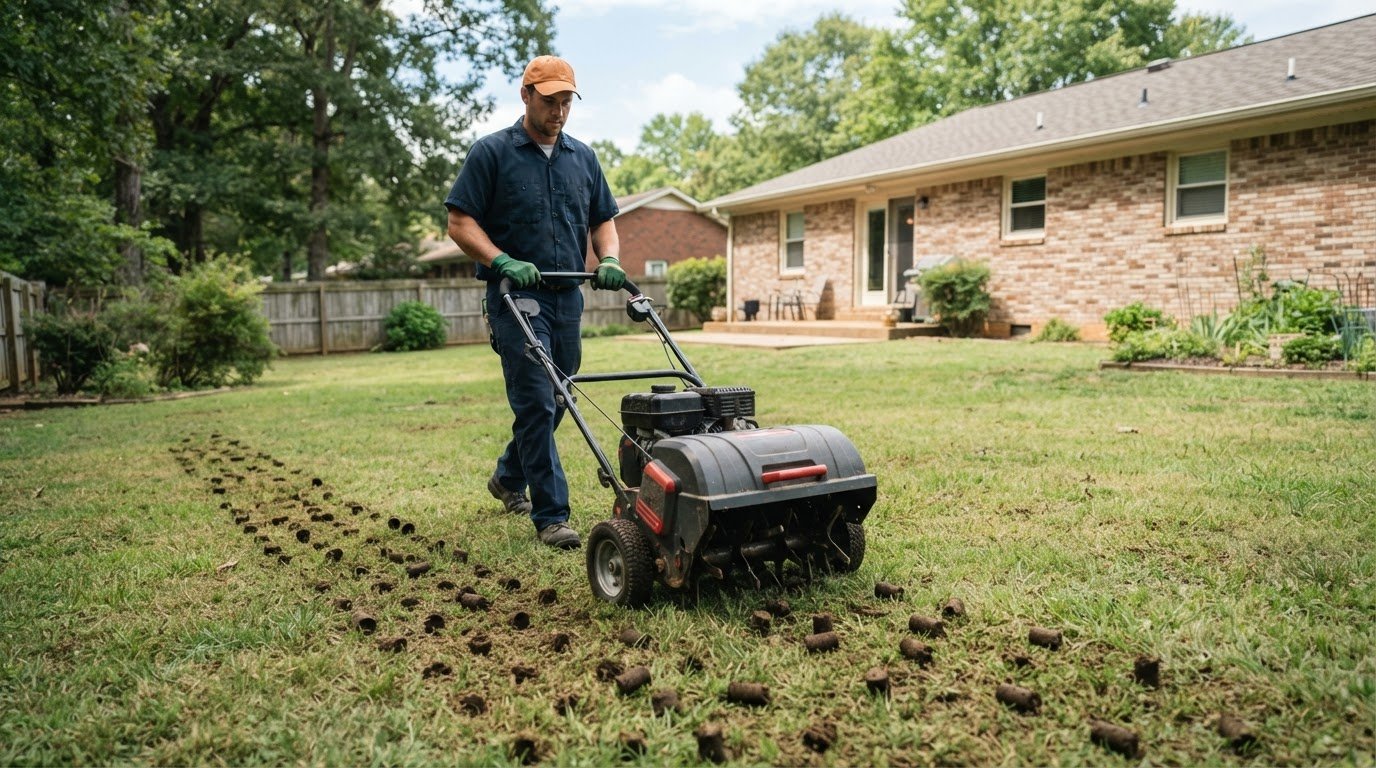
The lawn’s existing condition can affect the scope of care. Thin turf, bare patches, and dense weed growth present different needs. A professional considers whether weed control addresses the main concern or whether the lawn also needs support for healthier growth. Aeration may be a separate consideration for compacted soil; residential aeration is a distinct service, not a weed-treatment charge.
- Area: Identify which lawn sections need treatment.
- Weed type: Distinguish broadleaf weeds from grassy weeds.
- Coverage: Note whether growth is scattered or concentrated.
- Turf condition: Consider thin or stressed areas alongside weeds.
- Scope: Separate weed treatment from other lawn-care services.
Recurring care and a one-time treatment are not necessarily comparable. A plan may address different weeds as they appear at different growth stages, while a single visit responds to the conditions at that time. Ask what the proposed scope covers, which areas it includes, and whether follow-up treatments are part of the plan. These details help clarify whether the treatment matches the care your lawn needs.
Before requesting a quote, describe the affected sections and the weeds you have noticed. If you know the grass type, include it; fescue and Bermuda lawns may require different considerations. Clear property details help a professional assess treatment needs and explain the proposed scope without promising complete weed removal.
When evaluating the scope of work, Performance Lawns, INC notes that the specific details of a particular lawn and the treatment requested ultimately determine your custom quote.
Lawn weed control and prevention
Mt. Juliet lawns need ongoing attention because weeds can grow nearly year-round. Prevention means reducing weed pressure while helping desirable turf stay healthy. One treatment may address visible growth, but it does not replace monitoring as lawn conditions change.
Weeds compete with turf for sunlight and nutrients. As they spread, they can weaken and thin the lawn, leaving more room for unwanted growth. A professional prevention plan considers both the weeds present and the surrounding grass. It also tracks whether the same areas repeatedly develop problems, such as thin turf along a sunny lawn edge.
Timing matters in local lawn care. Most Mount Juliet homeowners schedule weed pulling every 4-6 weeks during the growing season. For professional service, recurring visits can help identify emerging weed pressure and keep treatment decisions responsive to lawn conditions. Because growth can continue beyond the main growing season, attention may be needed at other times too.
Prevention also means recognizing when a weed problem points to a turf problem. A patch that repeatedly thins may need more than weed treatment alone. A technician can assess its location, turf density, and growth pattern to distinguish an isolated outbreak from a broader lawn care concern. This helps keep treatment focused on the actual issue.
- Monitor repeat areas: Track where weeds return, such as bare edges or thin patches.
- Assess turf competition: Note whether weeds are crowding grass for light and nutrients.
- Match care to conditions: Base treatment decisions on current growth and lawn health.
Manual removal can be difficult when grassy weeds resemble the surrounding turf. Pulling or cutting the wrong plants can damage desirable grass and leave the area thinner. Professional identification helps protect the lawn while addressing unwanted growth. This is especially useful when a patch blends into the turf and its growth pattern is hard to distinguish.
Consistent attention can support prevention better than waiting until an area is heavily affected. In Mt. Juliet, the goal is to manage unwanted growth, protect healthy turf, and respond as new weeds appear. A professional plan can combine observation with targeted care, adjusting to changing conditions instead of treating every lawn section identically.
Grassy weeds call for particular care because they can blend into the surrounding turf. DIY attempts to remove grassy weeds can harm the surrounding landscape because the weeds are hard to distinguish from turf. A removal effort based on appearance alone may therefore affect desirable grass along with unwanted growth. Before intervening, identify the plant and consider how it sits within the lawn, rather than treating a patch as if every blade were a weed. Keeping the focus on accurate identification helps avoid unnecessary damage while directing attention to the actual grassy weed.
Grassy weeds can weaken and thin a lawn by competing with turf for resources. Their effects may extend beyond the visible plant, as nearby grass can also lose strength. Weed control therefore involves protecting the turf as well as addressing unwanted growth. Careful identification and attention to surrounding grass help keep treatment focused, especially where weeds and desirable turf are difficult to tell apart.
What weed control services do Mt. Juliet lawn care experts offer?
Professional weed control in Mt. Juliet can include lawn assessment, treatment planning, and fertilization suited to the property. The process starts by identifying the areas of concern and understanding what the homeowner wants addressed. This helps shape a plan around actual lawn conditions instead of applying the same approach everywhere.
An assessment considers turf coverage, exposed soil, and the location of unwanted growth. For example, weeds along a driveway edge may call for a different coverage plan than growth spread through the middle of a lawn. The professional also considers whether the turf is thin or dense, since grass condition influences the broader care strategy.
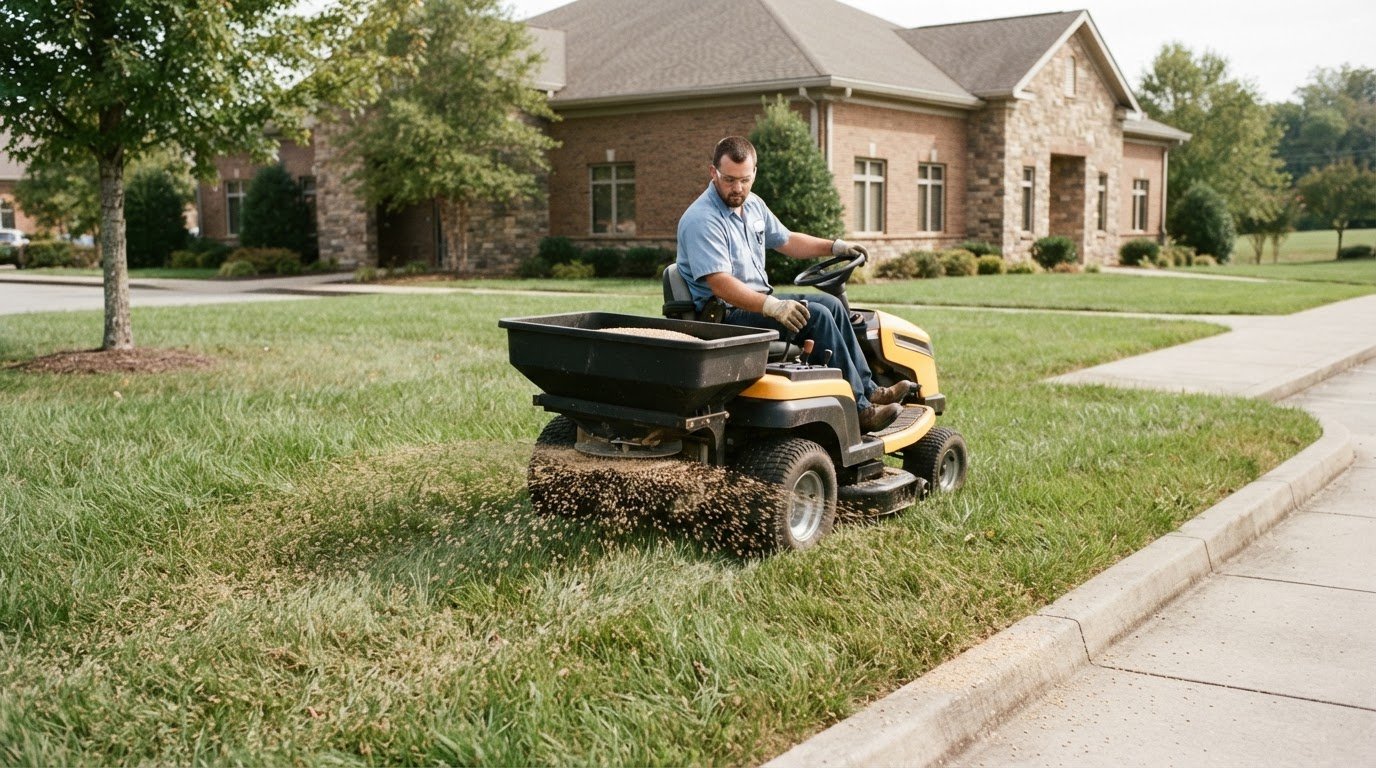
Service may focus on weed control or combine it with fertilization when the lawn needs both. Fertilization supports grass growth, while weed treatment addresses unwanted plants. These services have related goals but are not interchangeable. The plan should clarify which care is included and which lawn areas are being treated.
- Property assessment: Review lawn condition and identify affected areas.
- Service planning: Set the treatment scope according to the property’s needs.
- Fertilization: Consider nutrient care alongside weed treatment when appropriate.
- Follow-up: Revisit areas where turf condition or weed growth changes.
Clear communication helps homeowners understand the work. Before service, share which areas matter most, such as a front lawn important for curb appeal or a backyard where children play. The professional can account for those priorities when planning treatment. Keeping notes afterward about treated areas and visible changes can help guide future lawn care.
A useful service plan also distinguishes lawn treatment from other property work. Weed control and fertilization address turf care, while mowing, irrigation installation, and landscape construction are separate types of work. Keeping the scope clear helps align expectations and focus attention on lawn health.
For a property with several concerns, such as thin turf in one area and weeds elsewhere, describe each section during the assessment. That gives the professional a clearer basis for recommending care across the lawn. Discuss your lawn care needs and the areas you’d like addressed.
Performance Lawns
Performance Lawns, INC helps Mt. Juliet homeowners manage weeds through professional lawn treatments, weed control, and fertilization. When weeds recur, are difficult to identify, or affect turf health, the team can assess the lawn and tailor care to its conditions. The aim is to reduce weed pressure and support healthier grass, not promise a completely weed-free lawn.
Care needs can differ across a property. A thin, compacted area may benefit from a broader lawn care plan, while visible weeds may call for targeted treatment. Performance Lawns, INC also provides residential aeration and overseeding when those services suit the lawn’s needs.
To discuss the right next step for your lawn, contact Performance Lawns, INC.
Take the next step toward healthier turf
A lawn care decision can start with a simple question: what would make the biggest difference to your property? Consider which areas you use most, where the lawn feels thin, and what kind of outdoor space you want to enjoy. Those priorities can help shape a practical conversation about next steps.
Performance Lawns, INC can help you turn those observations into a plan for your Mt. Juliet lawn. Describe the areas that concern you and the changes you hope to see. Contact Performance Lawns, INC to discuss a clear path toward a healthier, more inviting yard.
Frequently Asked Questions
Do I need to be home for the visits?
Not necessarily; the important point is arranging access to the lawn. If gates are locked or treatment areas sit behind a fenced yard, access details can affect the visit. Keep pets indoors during the appointment, and make sure the technician can reach the turf that needs care. For example, note a side gate or a backyard entrance when arranging service.
Do you use chemicals or spray weed killer?
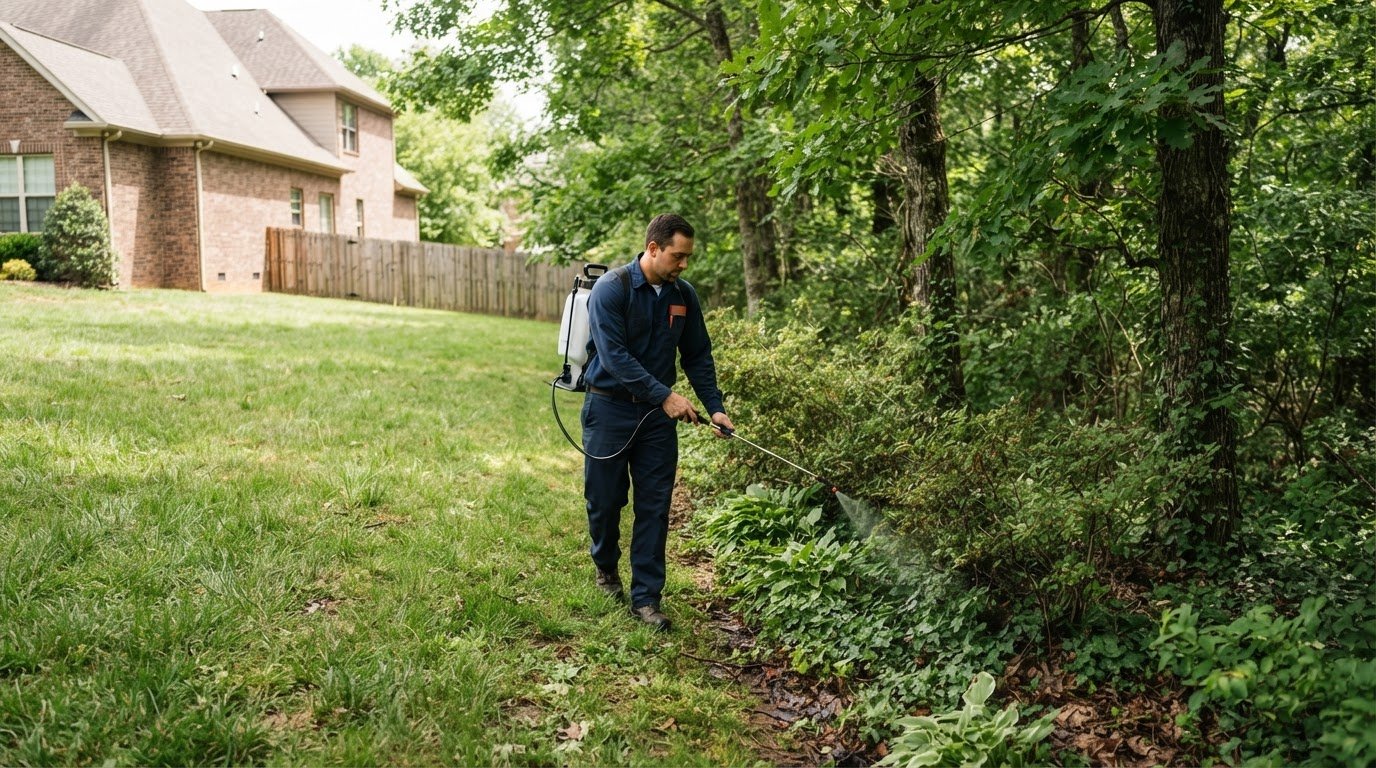
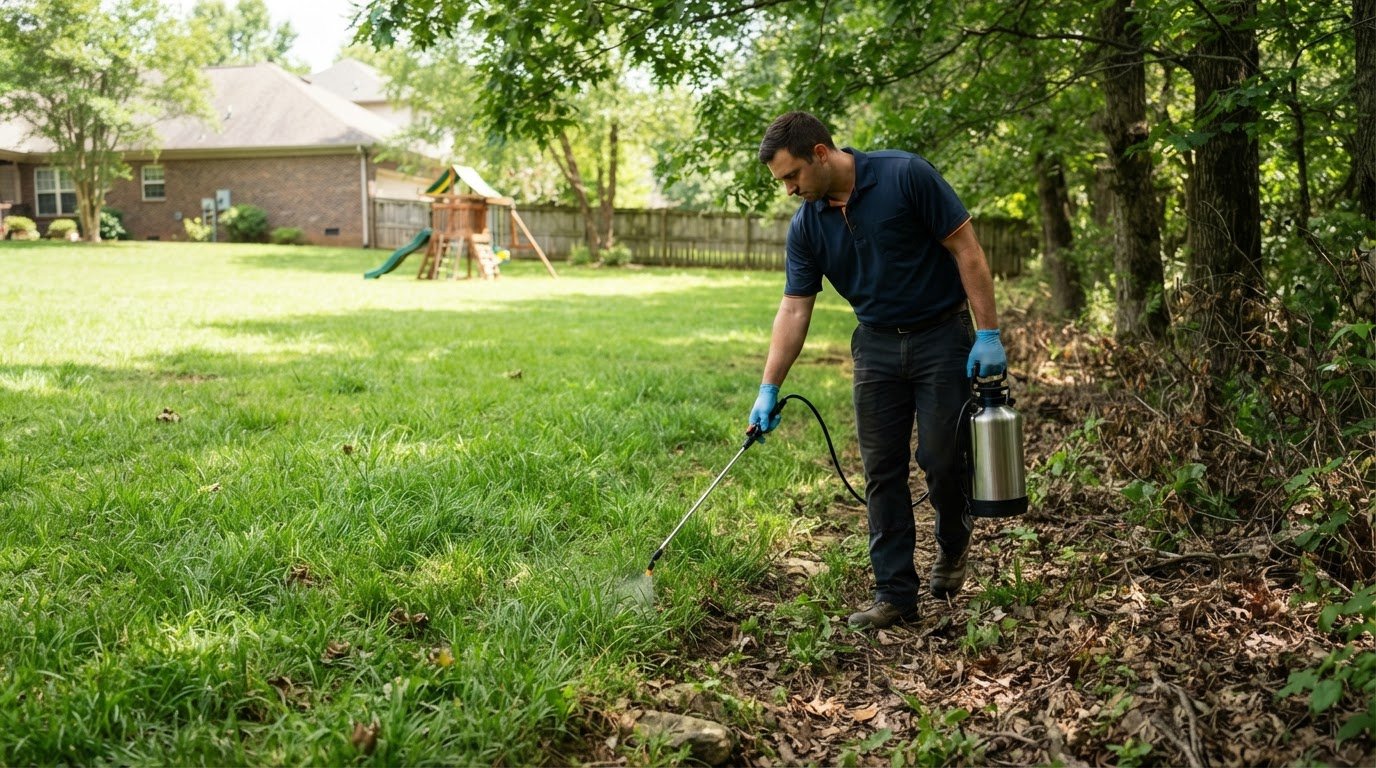
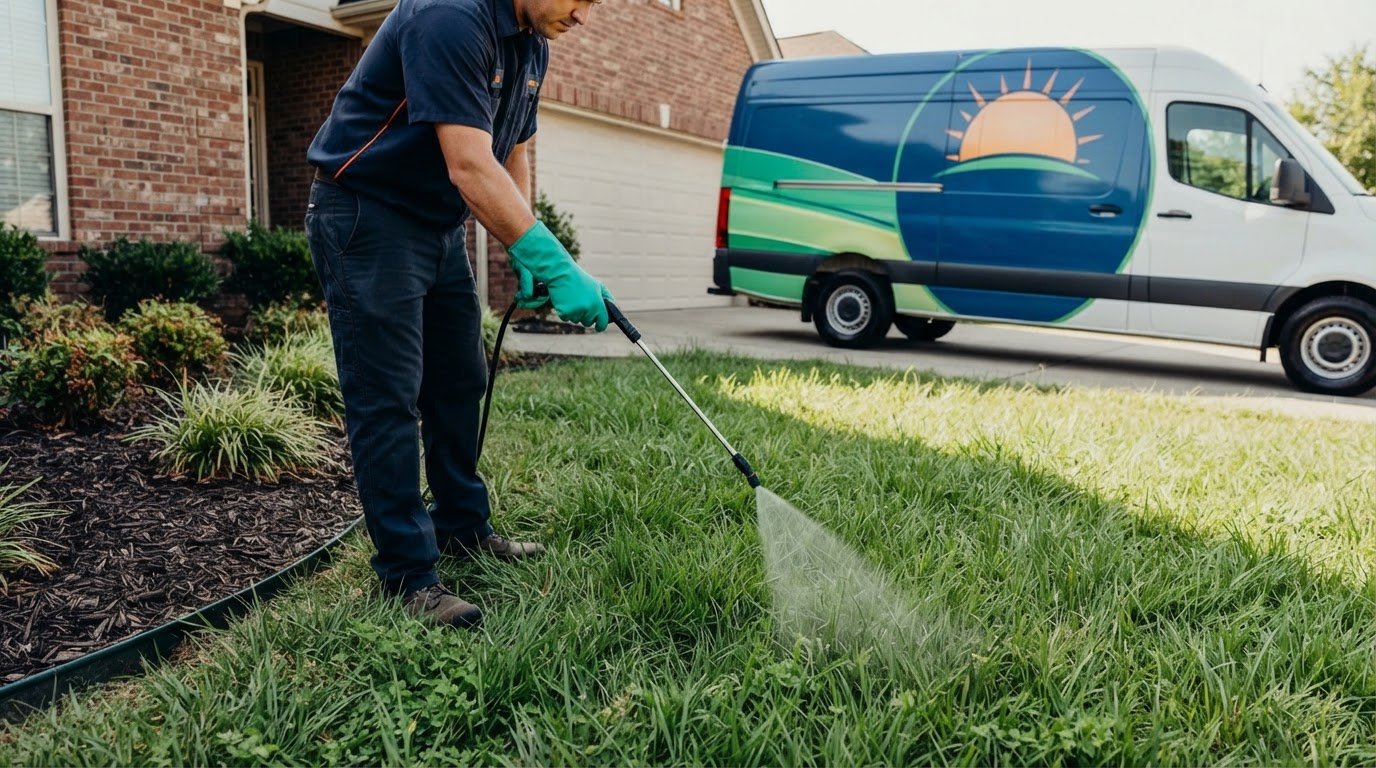
Professional weed control can involve herbicide applications targeting weeds before or after they emerge. The method depends on the weed and surrounding grass, so a broad spray is not automatically right for every lawn. Grassy weeds can resemble turf, making identification important before treatment. Follow the instructions provided for your property after an application.
When should I start?
Treatment timing depends on the approach: a post-emergent application addresses weeds already growing, while pre-emergent treatment targets weeds before they emerge. Since weeds can grow nearly year-round in Mt. Juliet, waiting for a single “weed season” may leave some growth unmanaged. A lawn assessment helps identify the right starting point.
Will weeds grow back after a professional weed treatment?
Yes, weeds can return after treatment. New seeds may germinate, and established weeds may persist or need a different approach. For example, Dallisgrass and Johnsongrass may need targeted care rather than the treatment used for common broadleaf weeds. Professional treatment can reduce weed pressure, but it cannot make a lawn permanently immune to new growth. Ongoing observation helps identify changes early.
Which lawn weed control companies serve Mt. Juliet, Tennessee?
Performance Lawns, INC serves Mt. Juliet, Lebanon, Gallatin, and Hendersonville. Its lawn treatments include weed control and fertilization for residential and commercial properties. For a Mt. Juliet lawn, the relevant considerations include the weeds, grass type, and areas needing attention. Sharing those details helps shape service around the lawn’s actual conditions.
How much does professional lawn weed control cost in Mt. Juliet?
The price for expert lawn weed control in Mt. Juliet depends on the property and treatment scope. Factors include lawn area, the amount and type of weed growth, and the areas needing coverage. Isolated patches may require a different plan from weeds spread throughout the turf. Describe the affected sections when requesting a quote to help establish the appropriate service scope.
How often should lawns in Mt. Juliet receive weed control treatments?
There isn’t one treatment interval that fits every Mt. Juliet lawn. The schedule depends on the weeds present, their growth stage, and the lawn’s response to care. Homeowners commonly schedule weed pulling every 4-6 weeks during the growing season, but that interval describes pulling, not a universal professional treatment schedule. A treatment plan should account for changing growth and the specific weeds being managed.
When is the best time of year to treat weeds in Mt. Juliet?
The best timing depends on whether treatment targets emerging weeds or visible growth. Pre-emergent applications need to precede the target weed’s emergence; post-emergent treatments address weeds already growing. Because weeds can grow nearly year-round in Mt. Juliet, timing is better guided by the weed and its growth stage than by a single calendar date. A technician can assess what is active on the lawn.