

What if the most important crabgrass treatment happens before you see a single sprout? In Mt. Juliet, effective crabgrass prevention depends on getting ahead of germination, not waiting for weeds to take hold. A practical plan for crabgrass prevention Mt. Juliet homeowners can follow starts with local timing: pre-emergent treatment is generally applied in early to mid-March, before soil temperatures consistently reach 55°F.
One treatment does not necessarily solve every crabgrass problem. Prevention and control of established plants are different tasks, and both work best as part of a broader lawn-health plan. This guide explains how crabgrass gets started, why spring timing matters, and how proper mowing, watering, and fertilization can help turf compete for space. You’ll also learn how a professional weed-control and fertilization program can help manage weed pressure in Mt. Juliet and across Middle Tennessee.
Crabgrass Prevention in Mt. Juliet: What Homeowners Need to Know
Crabgrass is an annual grassy weed. It sprouts from seed when conditions become warm enough, grows through the season, and dies after frost. Prevention focuses on stopping or limiting new seedlings before they establish. Post-emergence control addresses crabgrass that is already growing.
That distinction matters when planning crabgrass prevention in Mt. Juliet. A preventive treatment is not the same as treatment for visible, established weeds. Crabgrass belongs to the Digitaria genus; this overview of crabgrass (Digitaria) describes the plant group.
How to Recognize Crabgrass in a Mt. Juliet Lawn
Crabgrass often grows low and outward, with stems spreading from a central area across the soil. Look for a coarse, sprawling patch that stands out from nearby turf, especially in thin areas or along lawn edges. These signs can point to crabgrass, but appearance alone is not a definite identification. Other grassy weeds can look similar and may need a different treatment approach.
Open ground gives weed seedlings room to establish. Bare patches, worn areas, or thin turf can attract more than one kind of weed. Before choosing a treatment, identify what is growing so the approach fits the plant and the lawn.
Why Crabgrass Prevention Is About Timing
Crabgrass grows from seed, so preventive products are intended to act before seedlings become established. Germination begins as soil warms. Consistent soil temperatures near 55°F at a depth of 2 inches for several days can signal that the season is approaching. Because local weather shifts, use current conditions and product directions rather than relying on a fixed date alone.
Pre-emergent treatment and post-emergence weed control have different jobs. Apply a pre-emergent product before germination and according to its label. It is not designed to work like a treatment for crabgrass already growing in the lawn. Once plants are visible and mature, management can be more difficult and may require a different approach. Always follow the product label.
Treatment is only one part of the plan. Thicker, healthier turf leaves less open space for seedlings, so consistent lawn care and appropriate fertilization can help the grass compete. A professional fertilization and weed-control program can help manage weed pressure as part of broader turf care. Identifying the weed first helps keep prevention and follow-up control focused on the actual problem.
Why Crabgrass Returns: Germination, Bare Soil, and Turf Competition
Crabgrass plants die after the growing season, but they can leave seeds behind. When conditions favor germination, new seedlings may appear the next season. This explains why crabgrass can return even after visible plants are removed: managing current growth and reducing the next round of seedlings are related, but distinct parts of lawn care.
Seeds are more likely to establish where turf is sparse or soil is exposed. A worn path, bare patch, or thin area near a driveway gives seedlings less competition than dense grass. Local weather matters, too. Warm spells, rainfall, and changing soil conditions in Middle Tennessee can affect when seeds begin growing. Seasonal patterns are useful, but they cannot replace year-specific timing decisions.
Dense, healthy turf leaves less open space for crabgrass seedlings to establish. Good lawn care can strengthen that natural competition, although it cannot guarantee weeds will not appear. Results also depend on choosing an appropriate approach, applying it at the right time, following product directions, and accounting for the lawn’s condition.
How Crabgrass Seeds Establish in Open Areas
As soil warms, crabgrass seeds may germinate where moisture and open ground give young plants a chance to take hold. In a thick lawn, established grass competes for space. In a thin patch, seedlings face fewer obstacles. For crabgrass prevention Mt. Juliet homeowners should consider both the seasonal pattern and current local conditions. A calendar date alone cannot predict the same conditions every year.
Crabgrass and Other Difficult Grassy Weeds Are Not the Same
Not every grassy weed responds to the same treatment. Dallisgrass and Johnsongrass are invasive grassy weeds that can be more challenging to manage than common broadleaf weeds. They may need a separate or targeted approach, since treatments typically used for broadleaf weeds may not manage them. Bermuda grass that has spread into an established fescue lawn can be extremely difficult to eliminate completely. Management generally focuses on limiting its spread and supporting the desired fescue.
Identifying the weed and assessing turf density helps shape a practical plan. Professional fertilization and weed control can support healthy grass and help reduce weed pressure. For guidance on lawn conditions in Mt. Juliet, connect with the Performance Lawns team.
When to Prevent Crabgrass in Mt. Juliet: Use Local Conditions, Not Guesswork
Good timing starts with observation, not a date circled on last year’s calendar. For crabgrass prevention, Mt. Juliet homeowners can use a simple sequence: watch seasonal conditions, confirm the weed they want to manage, then follow the directions for the chosen product. Weather and soil conditions can shift from year to year across Middle Tennessee, so a treatment window that worked one spring may not fit the next.
Pre-emergent products are intended to help prevent seedlings from establishing, while post-emergence weed control addresses plants already growing. These approaches target different stages of the crabgrass life cycle. The right timing and method depend on the product label, lawn conditions, and current local guidance.
What Signals That Crabgrass Prevention Season Is Approaching?
As winter gives way to spring, watch for sustained warming and changes in lawn growth. These are useful reminders to review your prevention plan, but they do not replace soil monitoring or local recommendations. A warm spell, cold snap, or other weather change can shift conditions, making calendar dates unreliable on their own.
For temperature thresholds and application-window advice, consult current guidance from the University of Tennessee Institute of Agriculture. Recommendations based on local conditions are more useful than applying one general date to every Mt. Juliet lawn. Once you have confirmed the target weed and timing, read and follow the product directions carefully.
What If Crabgrass Is Already Growing?
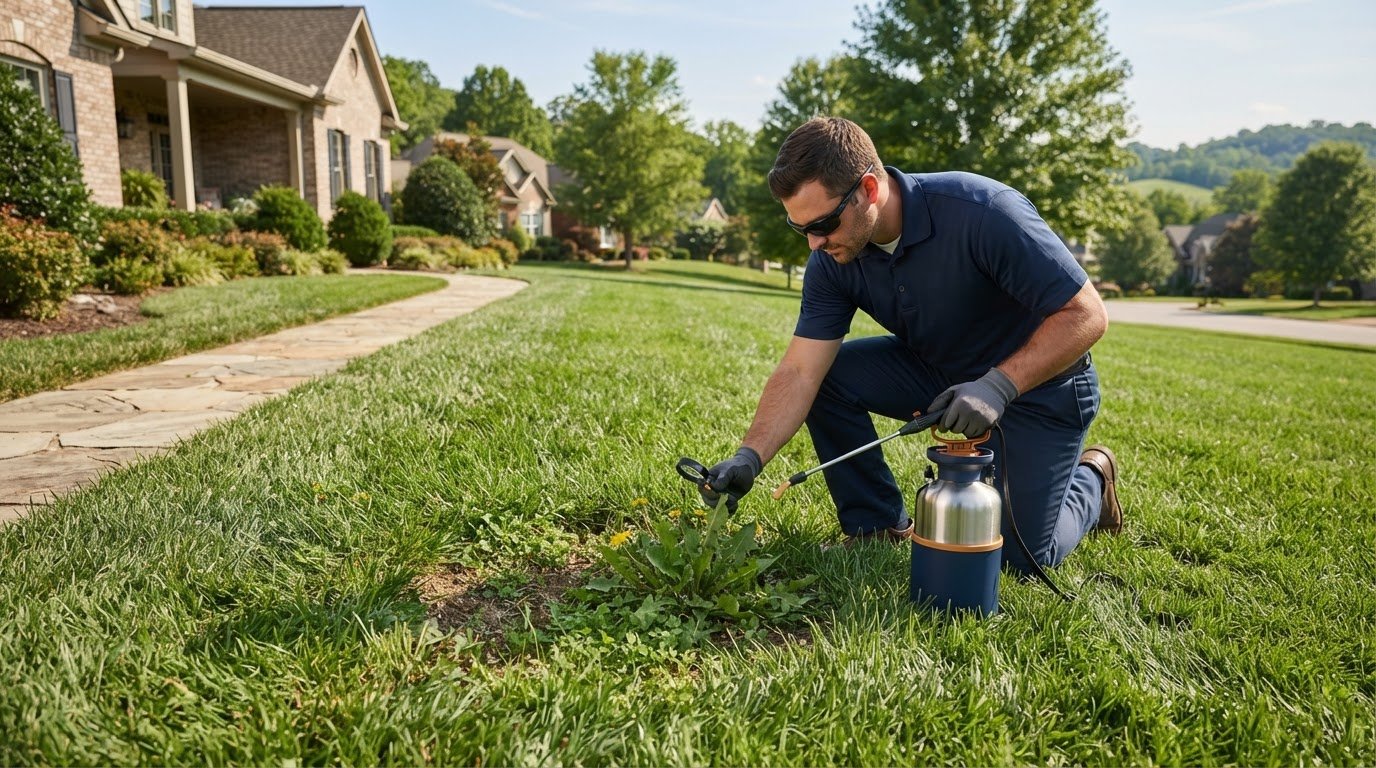
If crabgrass is visible, a preventive treatment may not address the established plants. Post-emergence control is a separate task, and mature crabgrass can be more difficult to manage than young seedlings. Confirm the weed’s identity before choosing a treatment, since different grassy weeds may need different approaches.
Late-season care has a different focus from spring prevention. For established plants, consult a late-season crabgrass control guide for Middle Tennessee rather than treating a pre-emergent application as a corrective measure. Professional weed control and fertilization can be part of a broader plan to manage unwanted growth and support turf health. Results depend on timing, product directions, and lawn conditions.
A Practical Crabgrass Prevention Plan for Mt. Juliet Homeowners
A useful prevention plan combines observation, sound lawn care, and correctly timed weed control. In Mt. Juliet, weather can change how quickly conditions develop, so let the lawn and current guidance shape your decisions instead of repeating last year’s routine. Crabgrass prevention Mt. Juliet homeowners can put into practice starts with knowing where turf is struggling and what weed is actually present.
How to Reduce Conditions That Favor Crabgrass
Walk the lawn and note thin turf, bare soil, and edges where crabgrass has appeared before. These areas deserve attention because open ground gives seedlings more opportunity to establish. Where possible, identify why the turf is thin, such as wear or weak grass, and tailor care to the grass type. Mowing height and watering needs vary by turf and conditions, so avoid applying one rule to every lawn.
Consistent care and appropriate fertilization can help desired grass compete for space, but they cannot guarantee that weeds will not emerge. If a fescue lawn has widespread thin areas, renovation or overseeding may be worth considering. Consult a local fescue renovation guide for information on the process and timing.
How to Track Results Through the Season
A few simple notes can make next season’s decisions more informed. Record where crabgrass appears, whether the same patches return, and whether surrounding turf is thin or stressed. After treatment, observe what changes rather than assuming one application settles the issue. Weather, application timing, product directions, and lawn condition all affect results.
- Mark recurring patches and bare areas on a simple lawn sketch.
- Note the grass type and visible changes in turf density.
- Follow product directions for any treatment and observe the lawn afterward.
Prevention is ongoing management, not a one-time guarantee. If crabgrass appears despite preventive efforts, confirm the identification and reassess whether timing, lawn conditions, or the treatment approach need attention. Professional fertilization and weed control can support turf health and help reduce weed pressure. Dallisgrass and Johnsongrass, for example, may need targeted approaches separate from common broadleaf weed treatments.
For a lawn-specific prevention and weed-control plan, talk with Performance Lawns.
Professional Crabgrass Prevention and Weed Control in Mt. Juliet
Professional fertilization and weed control can help manage common lawn weeds while supporting the turf they compete with. A sound approach considers more than what is visible above the grass: weed identity, growth stage, treatment timing, and overall lawn condition all shape what treatment may accomplish. Local conditions in Middle Tennessee also matter, and no treatment should be treated as a promise of complete crabgrass elimination.
What a Professional Weed-Control Program Can Help With
Ongoing weed control can help reduce weed pressure as part of broader lawn care. Fertilization supports turf growth when appropriate for the lawn, while weed treatments address unwanted plants according to the situation. These efforts work together, but results vary with the weed, timing, lawn condition, and treatment approach.
Correct identification matters. Dallisgrass and Johnsongrass are invasive grassy weeds that can be more challenging to manage than common broadleaf weeds. They may need a separate or targeted treatment approach, since products used for typical broadleaf weeds may not manage them. Performance Lawns provides fertilization and weed-control service for residential and commercial lawns in Mt. Juliet and Middle Tennessee, including Lebanon, Gallatin, and Hendersonville. With over 15 years of lawn-care experience, the team brings local context to treatment planning and realistic expectations for ongoing control.
Choosing the Next Step for Your Mt. Juliet Lawn
Before discussing treatment, gather a few details about the lawn. Note whether it is primarily fescue or warm-season grass, where weeds recur, and whether crabgrass is still a seedling or already established. A photo or simple sketch of problem areas can help show the pattern. These observations give a lawn-care professional useful context for considering weed control alongside turf health.
A lawn with thin patches may need attention beyond weed treatment alone. Visible, established crabgrass also calls for a different approach than preventing new seedlings. Reviewing the lawn’s history and present condition helps set a practical next step. Weather and turf conditions can affect timing and results. For more on the local approach to ongoing weed control, explore Performance Lawns’ Middle Tennessee fertilization and weed-control program.
For guidance tailored to your lawn’s weed pressure and condition, contact Performance Lawns to discuss your lawn-treatment needs.
Build a Stronger Plan for Your Mt. Juliet Lawn
Effective crabgrass prevention Mt. Juliet homeowners can rely on comes down to a few connected steps: watch local conditions instead of depending on a fixed date, distinguish prevention from treatment for crabgrass already growing, and care for thin areas so healthy turf can compete for space. Prevention can help reduce new growth, but results depend on weed type, timing, lawn condition, and treatment approach.
Performance Lawns brings over 15 years of lawn-care experience to fertilization and weed-control services for Mt. Juliet and Middle Tennessee properties, including Lebanon, Gallatin, and Hendersonville. A professional program can help manage common lawn weeds while supporting turf health, with targeted approaches considered when a grassy weed calls for different care.
Ready to talk through what’s happening in your lawn? Talk with Performance Lawns about your lawn’s weed-control needs. With informed timing and steady attention to turf health, you can take practical steps toward a stronger, more attractive lawn.
Frequently Asked Questions
When should I apply crabgrass preventer in Mt. Juliet?
In Mt. Juliet, crabgrass preventer is generally applied in early to mid-March, before soil temperatures at a 2-inch depth consistently reach 55°F for several days. Spring weather shifts from year to year, so use current local conditions rather than relying on the calendar alone. A second application is often recommended 6 to 8 weeks after the first, but timing and use depend on the product label and your lawn’s needs.
Does crabgrass come back every year?
Crabgrass is an annual weed, so individual plants generally die after the growing season. It can return in later seasons because plants may produce seeds that germinate when conditions are suitable. That is why removing visible growth and preventing new seedlings are separate parts of lawn care. Prevention can help reduce new growth, while turf care can make the lawn more competitive for space.
Can crabgrass be prevented after it has already started growing?
A pre-emergent preventer is intended to act before crabgrass seedlings establish, so it may not control plants already growing in the lawn. Visible crabgrass calls for a post-emergence approach, and established plants can be more difficult to manage. Identify the weed first, then follow the directions for an appropriate treatment. The right next step depends on the weed’s growth stage, the product, and lawn conditions.
What conditions make crabgrass more likely to grow in a lawn?
Crabgrass is more likely to establish where warm conditions support germination and thin turf or exposed soil leaves room for seedlings. Bare patches, worn areas, and weak turf provide less competition than dense grass. If crabgrass repeatedly appears in the same spot, look for gaps in the lawn and consider whether the grass is struggling there. Addressing turf health alongside weed treatment can help reduce pressure.
Does a thicker lawn help prevent crabgrass?
Yes. Dense, healthy turf can make it harder for crabgrass seedlings to find open space and establish. Appropriate mowing, watering, and fertilization can support stronger grass, but practices should suit the grass type and current conditions. A thicker lawn cannot guarantee that crabgrass never appears, so pair good turf care with correctly timed prevention and follow-up when weeds emerge.
Are Dallisgrass and Johnsongrass treated the same way as crabgrass?
Not necessarily. They may need a separate or targeted treatment approach, and treatments used for typical broadleaf weeds may not manage them. Correctly identifying the weed is important before choosing a treatment. A standard fertilization and weed-control program should not be assumed to eliminate these difficult grassy weeds.
Can a professional weed-control program eliminate crabgrass completely?
No professional program can promise complete crabgrass elimination. Fertilization and weed control can help manage common lawn weeds, reduce weed pressure, and support healthier turf. Results depend on factors such as weed type, treatment timing, lawn condition, and the approach used. In Mt. Juliet and Middle Tennessee, local knowledge can help inform a plan, but ongoing observation and lawn care remain important.
What should I do if crabgrass keeps returning in the same areas?
Note where it returns, check whether turf is thin or bare there, and confirm that the weed is crabgrass rather than another grassy weed. Record the lawn’s grass type and whether the plants are seedlings or established. This information can help guide follow-up care. Performance Lawns provides fertilization and weed-control services for properties in Mt. Juliet, Lebanon, Gallatin, and Hendersonville, with treatment decisions shaped by lawn conditions and weed pressure.