Emergency room visits for tick bites in Middle Tennessee reached their highest rate since 2017 as of May 2026. For homeowners in Mt. Juliet and Lebanon, this isn't just a distant statistic; it's a daily source of anxiety whenever the kids play outside or the dog rolls in the grass. You've worked hard to cultivate a beautiful property, and you deserve to enjoy it without the constant fear of Rocky Mountain Spotted Fever or Ehrlichiosis. Implementing a professional backyard tick and flea treatment is a vital step toward reclaiming your outdoor space. We believe in providing a service rooted in reliability, integrity, and local expertise to help you protect what matters most.
This guide will teach you how to effectively manage pest activity and reduce the risks associated with our region's increasingly intense tick seasons. You'll learn about habitat modification, the benefits of professional-grade applications, and how to establish a clear maintenance schedule for lasting results. Our goal is to provide you with a logical roadmap that leads to a safer yard and total peace of mind. By the end of this article, you'll have the knowledge needed to foster a healthier environment for your family, your pets, and your community.
Why Ticks and Fleas Thrive in Middle Tennessee Backyards
Middle Tennessee offers a lush, inviting landscape for families, but our local ecology also provides a perfect breeding ground for pests. In communities like Mt. Juliet and Hendersonville, the high pest pressure isn't a coincidence. It's a direct result of our dense vegetation, abundant wildlife, and specific weather patterns. White-tailed deer, wandering opossums, and nocturnal raccoons act as primary transport systems, dropping hitchhiking pests directly onto your property. These animals move through our neighborhoods nightly, turning a well-manicured lawn into a landing zone for unwanted visitors. Understanding Tick Infestations is the first step toward reclaiming your outdoor space from these persistent threats.
Most activity occurs within the "edge effect" zone. This is the transitional area where your lawn meets wooded borders, tall brush, or ornamental gardens. Ticks and fleas congregate here because these areas provide the shade, moisture, and cover they need to survive. Our humid climate further complicates the issue by acting as a biological accelerator. High humidity levels shorten the flea life cycle, allowing a few individual pests to grow into a significant population in just a matter of weeks. A consistent backyard tick and flea treatment is designed to disrupt these cycles and manage the pressure in these high-risk zones.
The Local Pest Calendar: When to Be Alert
Tick activity in Tennessee typically begins in early spring and remains a concern through the fall, though they can be active on any day above freezing. The peak window generally spans from April through October. Flea populations often surge during the late, humid summer months when the heat and moisture are at their most intense. Ticks wait for their next host by questing, a process where they cling to tall grass with their hind legs and stretch their front legs outward to snag a passing host. This behavior makes tall grass and perimeter brush the most dangerous areas for children and pets.
Common Backyard Pests in Mt. Juliet
The Black-legged (Deer) tick and the Lone Star tick are the two most prevalent species facing local homeowners. While the Deer tick is a known carrier of Lyme disease, the Lone Star tick is increasingly common and is linked to Alpha-gal syndrome, a serious red meat allergy. Interestingly, the "cat flea" is the most common species found on backyard dogs in our region. These pests aren't just a nuisance; they carry real health risks like Rocky Mountain Spotted Fever and Ehrlichiosis. Professional management focuses on safety, comfort, and peace of mind by reducing these populations through targeted, seasonal applications.
Step-by-Step: How to Sanitize Your Yard’s Habitat
Effective pest management begins long before the first application of a professional treatment. Habitat modification serves as the structural foundation of a safer outdoor environment; it physically alters your landscape to make it inhospitable to pests. By focusing on sun exposure, moisture control, and physical barriers, you can significantly reduce the carrying capacity of your property. Flea larvae are highly susceptible to heat and dehydration. While they thrive in damp, shaded areas, direct sunlight acts as a natural deterrent to their development. Creating a deliberate strategy to Create a Tick-Safe Zone ensures that your family's high-traffic areas, such as swing sets and patios, remain the focus of your safety efforts.
Strategic Lawn Maintenance for Pest Reduction
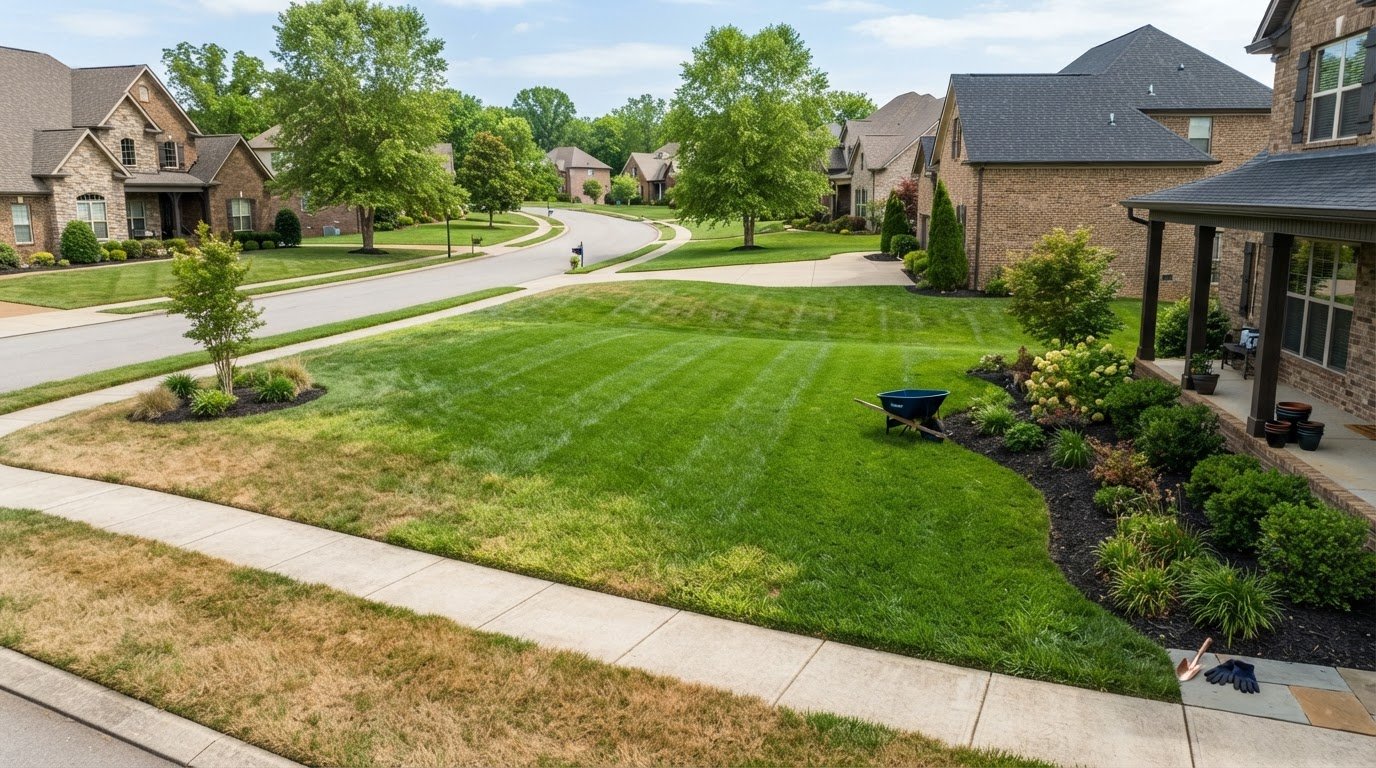
Your lawn care habits directly influence how many pests choose to call your backyard home. For fescue lawns in Middle Tennessee, maintaining an appropriate grass height is a delicate balance. While you want healthy growth, allowing grass to become overgrown creates the dense shade and moisture that ticks and fleas crave at the soil level. Removing leaf litter, clearing brush piles, and thinning out thick groundcover eliminates the very spots where ticks seek shelter from the summer heat. We also recommend establishing a 3-foot barrier of gravel or woodchips between your lawn and any adjacent wooded areas. This simple physical boundary serves three vital purposes:
- Dehydration: The dry texture of gravel or woodchips helps dry out questing ticks before they reach the grass.
- Deterrence: It creates a clear physical gap that discourages pests from crossing into your family's play space.
- Precision: It provides a clear visual marker for where your backyard tick and flea treatment should be focused.
Managing Wildlife and Pet Access
Pests don't arrive in your yard by accident. Most are carried in by local wildlife. Discouraging deer and small mammals from lingering is essential for long-term management. Start by keeping all pet food indoors and securing trash cans to avoid attracting nocturnal carriers like raccoons or opossums. These animals often rest in the cool spaces under decks or porches, which can quickly become flea hotspots for your pets. Regularly inspecting and cleaning these pet hangout spots is a vital part of your routine. If you find that wildlife pressure is making it difficult to maintain a comfortable outdoor space, you can speak with a local professional about a comprehensive management plan tailored to your property's specific needs. A consistent backyard tick and flea treatment works best when combined with these proactive habitat changes.
Choosing the Right Backyard Tick and Flea Treatment
Selecting a backyard tick and flea treatment involves weighing immediate convenience against enduring efficacy. Many homeowners start with DIY essential oil sprays because they feel familiar and accessible. While these can offer temporary relief, they often lack the residual effect necessary to manage complex life cycles. A residual effect refers to the treatment's ability to remain active on surfaces over time; this is vital for managing fleas as they transition from eggs to active adults. Following established protocols for Safely Controlling Fleas and Ticks ensures your strategy is both responsible and effective. Professional barrier treatments don't focus on saturating your entire lawn; instead, they target specific hot spots where pests congregate, such as shaded garden beds, perimeter brush, and pet resting areas.
DIY Sprays vs. Professional Application
Store-bought concentrates are a common choice for those who prefer a hands-on approach. These products can help reduce pest activity in small, open areas, but they often struggle to penetrate the dense foliage where ticks and fleas actually hide. Professional-grade equipment creates a finer mist that reaches the undersides of leaves and deep into thick groundcover. A licensed technician brings more than just tools; they bring a deep understanding of pest biology. They can identify the subtle signs of an infestation and apply treatments with the technical precision required for a high-standard, reliable result. This professional partnership removes the burden of complex tasks from the homeowner while delivering more consistent management of the local pest population.
Understanding Treatment Limitations
Transparency is a core value of our service, and that means being honest about what treatment can and cannot do. No backyard tick and flea treatment can offer 100% eradication of every pest on your property. Our regional weather plays a significant role in this; the heavy, sudden rain common in Middle Tennessee can occasionally impact the longevity of a treatment's residual barrier. Vegetation also presents unique challenges. Invasive species like Dallisgrass or tall, thick weeds are more challenging to manage than standard turf; they can act as a physical shield that prevents sprays from reaching the soil level where larvae develop. Because these specific weeds require a separate or targeted approach to manage effectively, keeping your lawn well-maintained ensures your pest treatments can perform at their highest potential. Consistency is the key to success; a regular schedule helps manage populations and provides the peace of mind your family deserves.
Protecting Your Pack: Safety Tips for Kids and Pets
We understand that your backyard is more than just a plot of land; it's a sanctuary for your children and pets. Choosing a backyard tick and flea treatment is a decision rooted in protection, care, and the desire for peace of mind. Reliability and transparency are the cornerstones of our approach. We believe you deserve to know exactly what is happening on your property and how it impacts your loved ones. Our process is designed to manage pest populations while prioritizing the well-being of your entire family. For more information on how we tailor these services, you can explore our Lawn Pest Control for Pets.
What to Do During and After Treatment
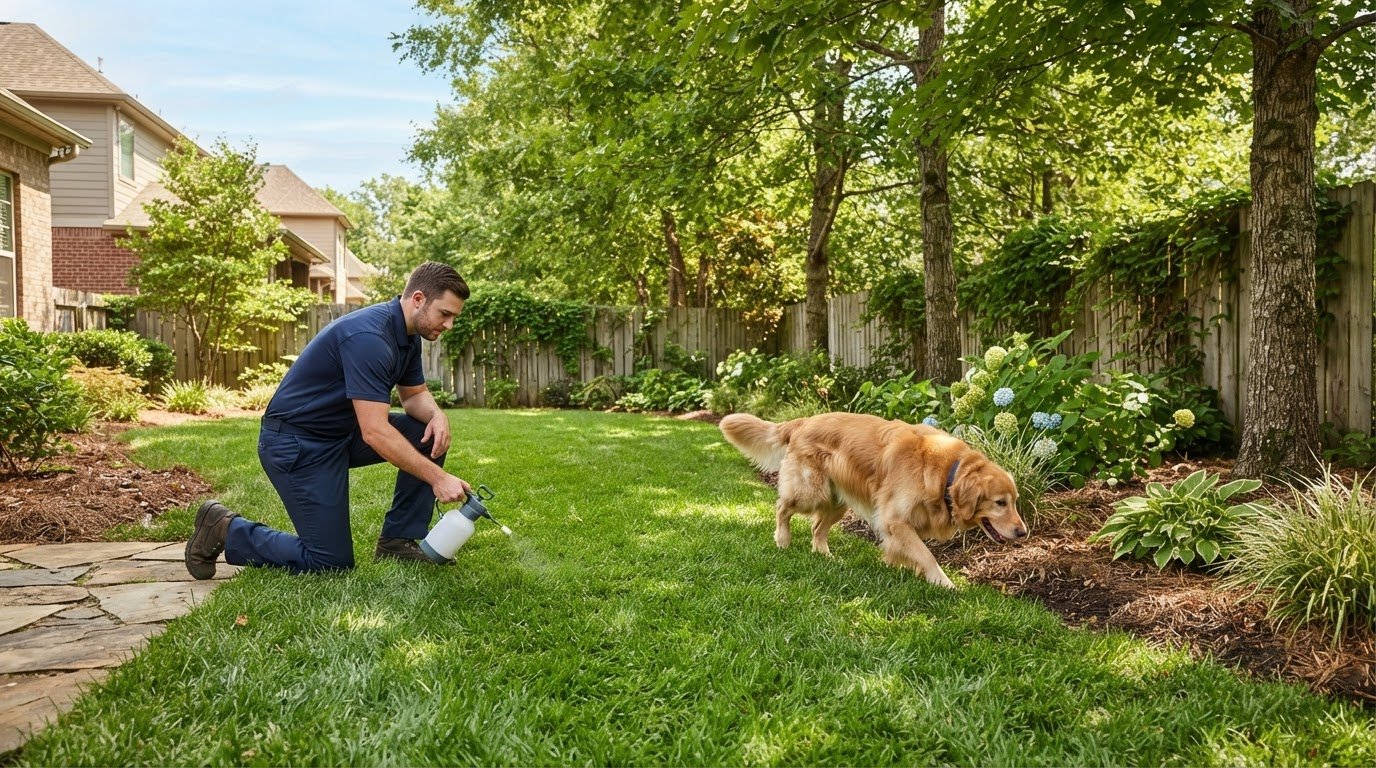
Safety begins with simple preparation. Before our licensed applicators arrive, we ask that you bring all pet toys, water bowls, and food dishes inside. Children and pets must remain indoors during the application and for a short period afterward. The core directive is the "Spray and Dry" rule: wait until the grass is completely dry before returning to the lawn. In our Middle Tennessee climate, this typically takes about an hour, though humidity can play a role. Our team follows strict EPA guidelines to ensure every treatment is applied with the highest standard of technical precision and professional responsibility.
Eco-Friendly Considerations for Beneficial Insects
A principled approach to backyard tick and flea treatment means protecting the beneficial insects that help our local environment thrive. We utilize targeted pest management rather than broad-spectrum saturation. By avoiding blooming plants and focusing only on known pest habitats, we help preserve local pollinators like honeybees. Maintaining a balanced outdoor environment is a holistic effort. For example, regular aeration supports deep root growth and healthy turf, which naturally creates a more resilient ecosystem that is easier to manage. If you are ready to secure a safer space for your family to enjoy, contact our local team today for a professional consultation.
Professional Pest Reduction: The Performance Lawns, INC Approach
Performance Lawns, INC stands as a principled expert and dedicated local steward for families across Middle Tennessee. With over 15 years of local experience, we understand that a truly effective backyard tick and flea treatment requires more than just a standardized spray. It demands a professional grade strategy that respects your property's unique ecosystem while delivering the relief you expect. We view ourselves as your partner in success, removing the burden of complex maintenance so you can focus on enjoying your lawn. A comprehensive approach often involves integrating pest management with a professional fertilization and weed control program to ensure your turf remains thick, healthy, and resilient.
Our Specialized Pest Management Program
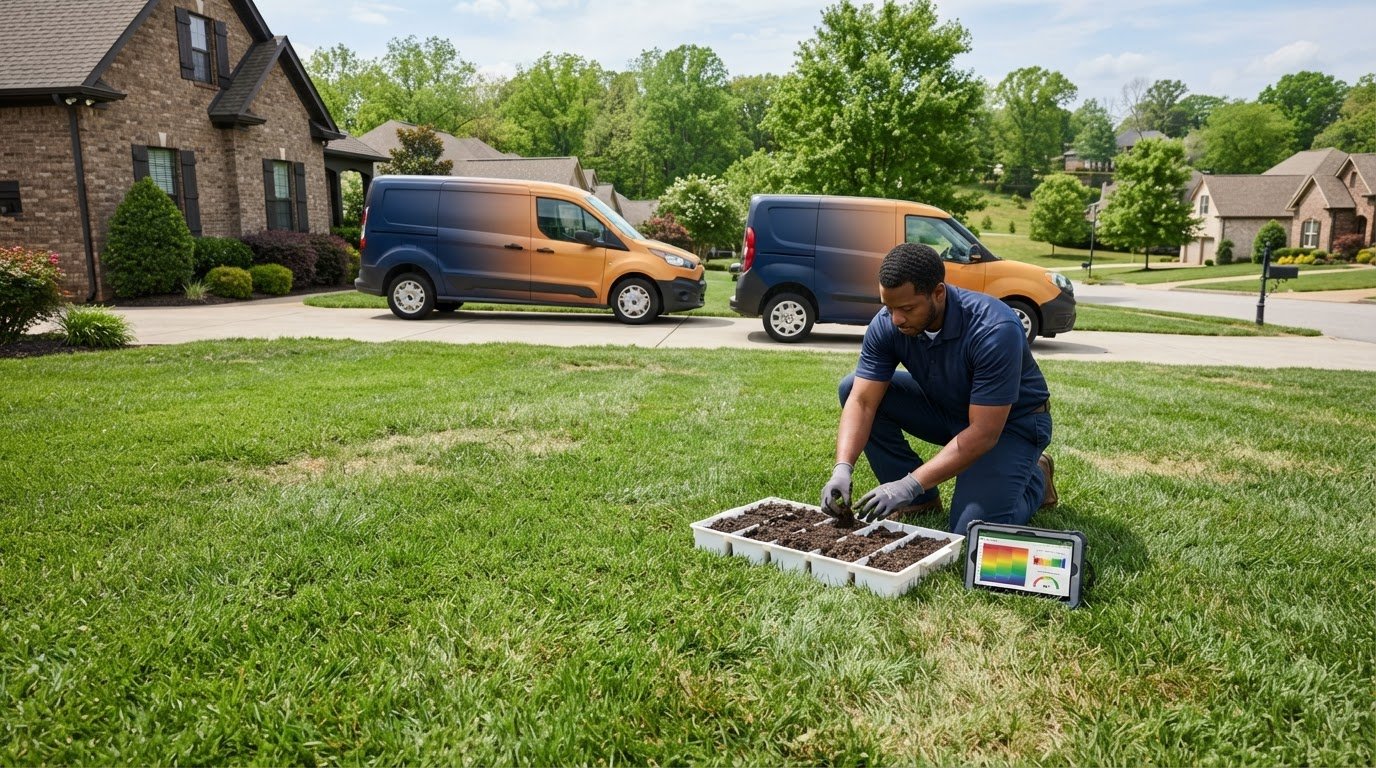
Our program is built on the belief that technical precision and transparency are non-negotiable. We don't just treat your lawn; we analyze it. Our licensed applicators develop customized treatment plans based on your specific yard's layout, vegetation density, and current pest pressure. We focus our efforts on creating robust perimeter barriers and protecting high-traffic play areas where your children and pets spend the most time. Because Middle Tennessee weather is unpredictable, we include regular monitoring to adjust for seasonal pest surges. This methodical approach ensures we're always one step ahead of the activity, providing a steady and reassuring level of protection for your home.
Why Local Expertise Matters in Mt. Juliet
Regional knowledge is the foundation of our reliability. We've spent over a decade studying the unique soil conditions and pest trends in Lebanon, Gallatin, and Hendersonville. This local insight allows us to anticipate problems before they become infestations. Our neighborly approach values long-term relationships over quick sales, which is why we offer a "No-Risk Guarantee" on our services. This guarantee is a mark of our integrity and a promise that we'll take personal responsibility for the functional health of your community. It moves the conversation beyond mere maintenance toward a holistic concept of property value and personal pride.
When you choose us for your backyard tick and flea treatment, you're choosing a team that's deeply invested in its regional identity and your family's safety. We use professional grade equipment and licensed applicators to ensure every treatment is handled with care. We're proud to serve our neighbors with a disciplined, hardworking, and transparent business model that delivers high-end results without the need for aggressive sales tactics. If you're ready to invest in a higher standard of care for your outdoor space, Contact Performance Lawns, INC for a free estimate and take the first step toward a more comfortable and manageable backyard experience.
Reclaiming Your Middle Tennessee Sanctuary
Managing pests in our region requires a deliberate partnership between proactive habitat modification and technical precision. By reducing shade at the soil level and maintaining clear physical barriers, you've already taken the first steps toward a safer yard. However, the most effective way to address persistent pressure is through a consistent backyard tick and flea treatment. This layered approach ensures that your outdoor space remains a place of joy rather than a source of anxiety for your family.
Performance Lawns, INC is proud to serve as your dedicated local steward. With 15 years of local expertise , our licensed and insured professional technicians bring a high standard of care to every application. We stand behind our work with a no-risk guarantee , reflecting our commitment to reliability and community integrity. You deserve to enjoy your property with confidence and peace of mind. Protect your family and reclaim your yard—get a free pest control quote today! We look forward to helping you cultivate a healthier, safer environment for years to come.
Frequently Asked Questions
Is backyard tick and flea treatment safe for my dogs?
Professional backyard tick and flea treatment is designed with the safety of your pets in mind. We follow strict EPA guidelines and industry protocols to ensure every application is handled with professional responsibility. The primary safety measure is the "Spray and Dry" rule. Once the product has completely dried on the grass, it is safe for your dogs to return to the lawn. We typically recommend waiting about an hour, depending on humidity levels.
How often should I have my yard treated for ticks and fleas?
For the best results in Middle Tennessee, we recommend treatments every 30 to 45 days during the peak season. This window generally spans from early spring through the first hard frost in the fall. Consistency is vital because it helps manage the flea life cycle and maintains a residual barrier against questing ticks. Regular monitoring by a licensed technician allows us to adjust the schedule based on seasonal surges or specific environmental pressures on your property.
Can I get rid of fleas in my yard without using chemicals?
You can significantly reduce pest pressure through habitat modification, but total management without professional products is difficult in our humid climate. Removing leaf litter, clearing brush, and keeping grass at a proper height are excellent first steps. These actions help manage the shade and moisture that larvae need to survive. However, for a meaningful reduction in active populations, a targeted backyard tick and flea treatment is usually necessary to disrupt breeding cycles and provide lasting relief.
What happens if it rains right after a pest treatment?
Professional-grade treatments are typically rainfast once they have had sufficient time to dry. If the application dries completely before the rain begins, the residual barrier remains effective. Our technicians monitor local weather patterns in Gallatin and Hendersonville closely to ensure we apply products during optimal windows. If a sudden downpour occurs immediately following an application before it has dried, we'll work with you to assess the situation and ensure your yard remains protected.
Do I need to treat my yard for ticks if I don't live near the woods?
Yes, ticks are frequently found in suburban lawns even if you aren't directly adjacent to wooded areas. Local wildlife like deer, raccoons, and opossums act as transport systems, dropping pests into yards throughout Lebanon. These animals move through neighborhoods nightly, bringing hitchhikers with them. Treating your yard creates a necessary barrier that helps manage these unwanted visitors and reduces the risk of pests being brought into your home by family members or pets.
How long do I need to wait to let my kids play on the grass after treatment?
We recommend keeping children off the treated areas until the application has finished drying. Under typical Middle Tennessee weather conditions, this process usually takes about one hour. Once the grass is dry to the touch, the treatment is safe for normal play. We prioritize transparency and'll always communicate specific instructions based on the day's weather and the specific layout of your yard to ensure your family's safety and peace of mind.
Will yard treatments also help with mosquitoes in Mt. Juliet?
Our specialized pest management program is highly effective at reducing both tick and mosquito populations simultaneously. Since both pests thrive in shaded, damp areas and dense foliage, our targeted applications address their common habitats. This dual impact provides a more comfortable outdoor experience for Mt. Juliet families. By managing multiple pests with a single comprehensive strategy, we simplify your property maintenance while providing a broader level of protection for your outdoor spaces.
Does a well-maintained lawn help reduce flea and tick pressure?
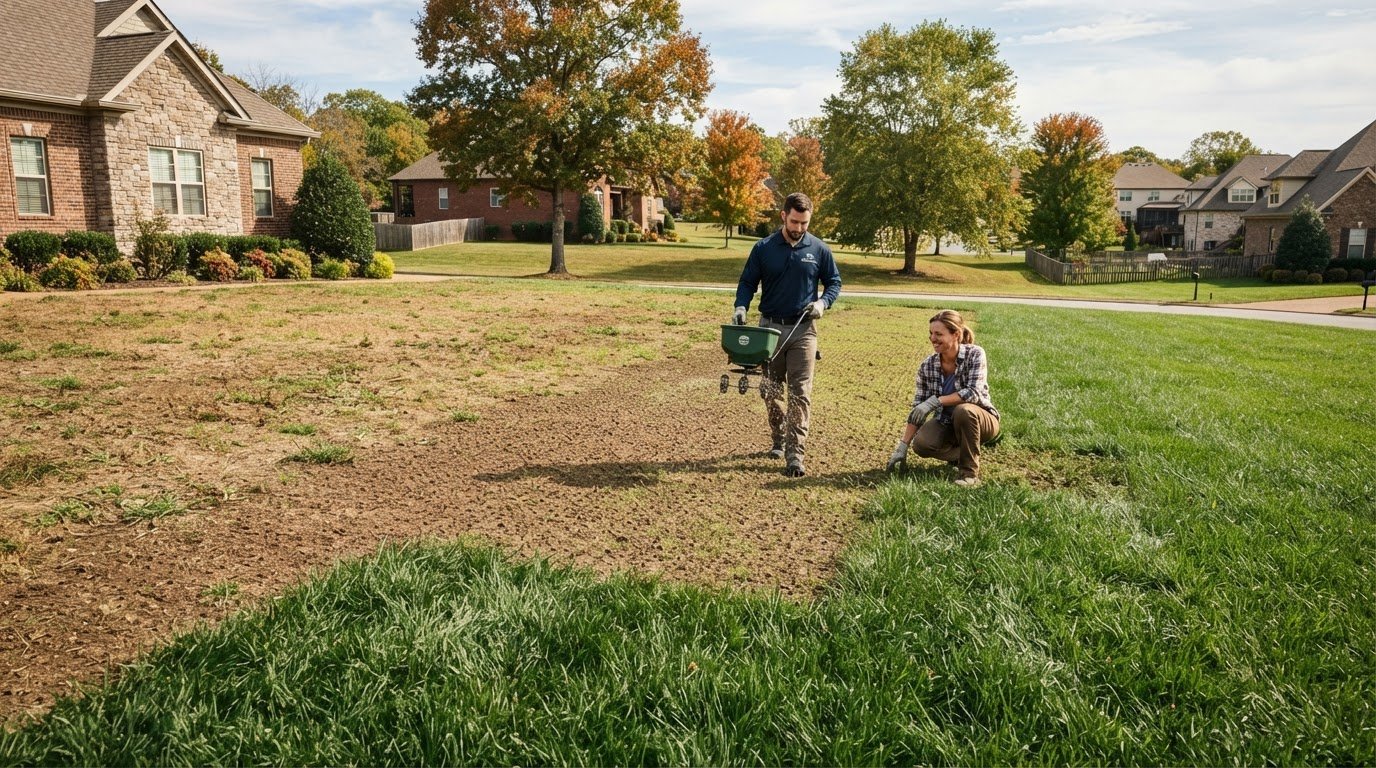
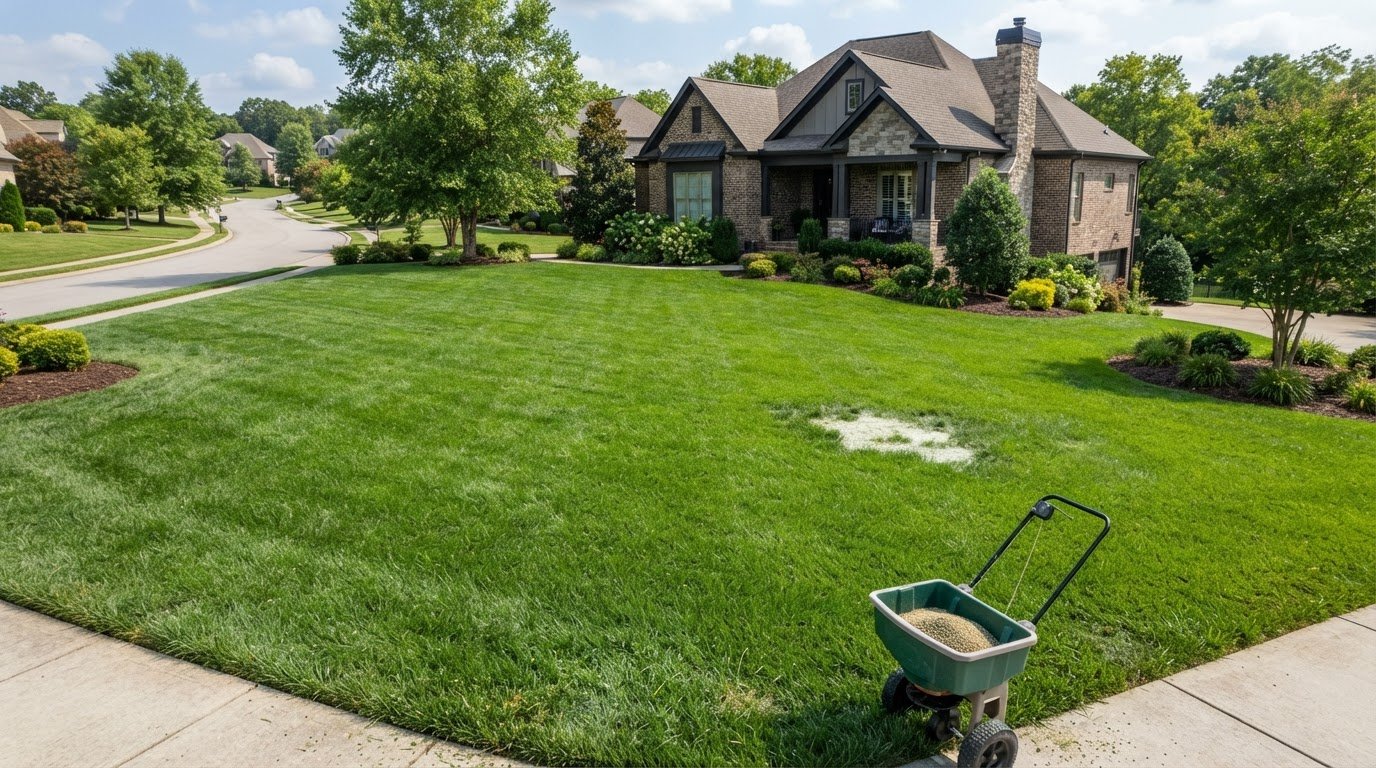
A healthy lawn is a natural deterrent to pest activity. When you invest in services like aeration and overseeding, you create a dense turf that minimizes the bare soil where flea larvae often hide. Proper mowing heights and regular fertilization also help manage common lawn weeds that provide shade for ticks. While a well-maintained lawn won't eliminate all pests, it significantly reduces the pressure and makes professional treatments more effective at managing the population.