Keeping a residential lawn in pristine shape is an extremelydifficult job. Realizing how fluctuating temperatures affect your lawn isimportant. Some homeownersbelieve in certain myths about how to prepare grass for fall and winter.This usually results in the lawn in question being damaged during this time ofyear.
Most homeowners realize their limitations when it comes tomaintaining their exterior landscaping. This is why the amount of money spentby homeowners on professional lawn care has grownnearly 5 percent in the last few years.
Are you trying to protect your lawn from the coldtemperatures ahead? If so, here are some things you need to keep in mind.
1. Lawn Fertilization Should Take Place Before the First Frost
Choosing the right time of year to fertilize your lawn isharder than it seems. Most experts recommend fertilizing grass in late fall. Bydoing this, you can provide your grass with essential nutrients before thefirst frost of the year moves in.
In most cases, lawns that are fertilized in late fall arethe first to grow when spring arrives. Using a high-phosphorus fertilizer iscrucial when trying to protect your roots in the winter months. Instead oftrying to choose the right fertilizer and applying it on your own, you need tolet the teamat Performance Lawns handle this difficult job.
2. Aerating Your Soil is Important
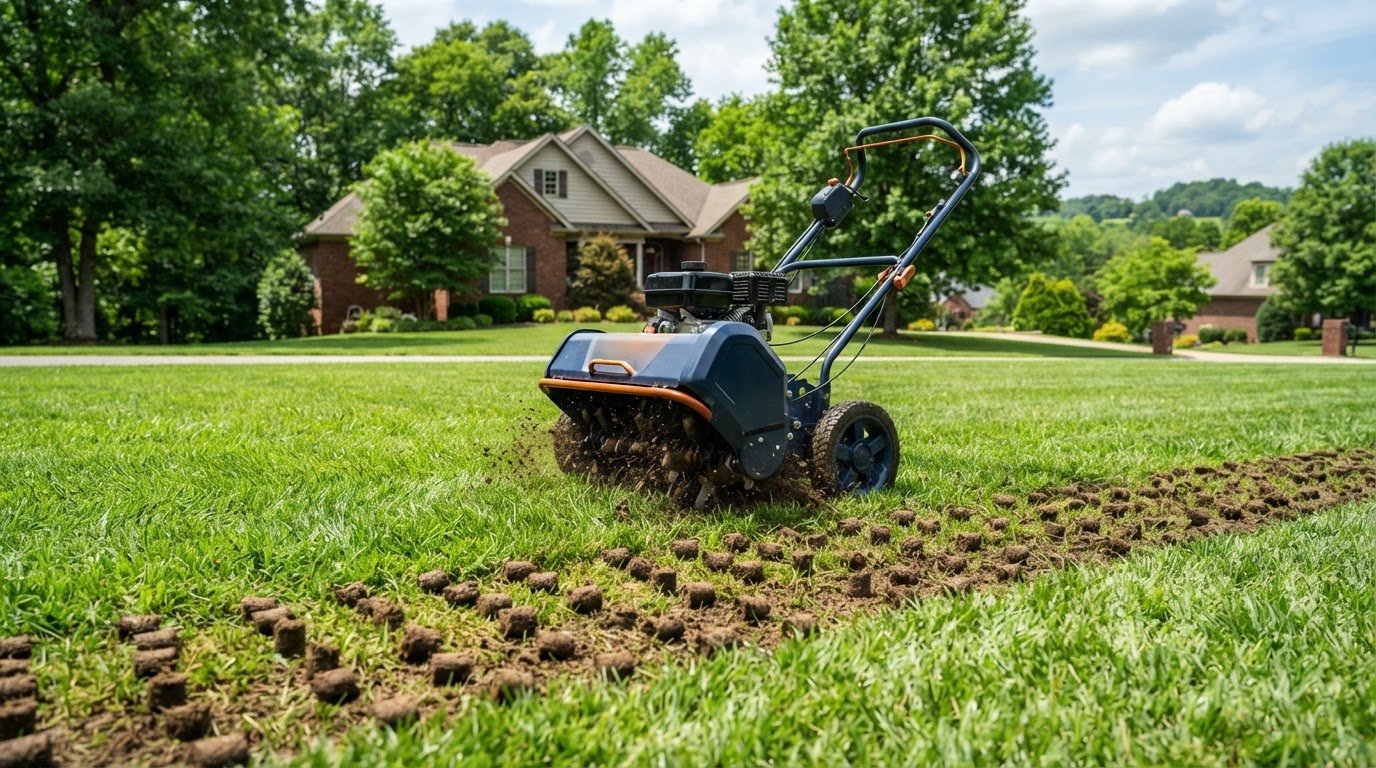
Compacted soil can cause a lot of problems. These problemsinclude things like poor root growth, thinning grass and dead patches. If youwant to keep your grass healthy this winter, then you need to realize theimportance of annual soil aeration.
By having your lawn aerated annually, you can reap suchbenefits as:
- Better water absorption
- Strong root system
- Avoid thatch build-up
- Lower the risk of water runoff
- Improve drought tolerance
Hiring knowledgeable professionals is the best way to ensurethe soil aeration process is handled properly.
3. Remove Leaves from Your Lawn and Turn Them into Mulch
Fall foliage can be extremely appealing. However, leaving iton your lawn for extended periods of time can be disastrous. Raking up yourleaves is crucial when trying to prevent the formation of brown patches.Mulching these leaves is a great idea. As this shredded mulch made from leavesstart to decompose, they will provide the root system of your grass withorganic matter.
4. Don’t Forget To Water Your Grass
Some people think that they can avoid watering their lawnswhen the weather outside gets cool. You need to realize that your grass isstill growing in fall. Instead of depriving your growing grass of hydration,you need to water it regularly. However, you should stop watering your grassbefore the first frost of the season. If you are unsure how to create awatering schedule, reach out to professionals for guidance.
By following these tips, you can keep your grass healthyduring the colder months of the year.