What if the reason your grass is thinning isn't a lack of water, but a hidden battle happening beneath the surface of Tennessee’s stubborn red clay? Most homeowners have spent weekends and hard-earned money on DIY products that promised a lush carpet, only to be left with browning patches and persistent growth issues. It’s frustrating to feel like you’re fighting a losing battle against your own yard. A professional lawn health assessment Middle Tennessee neighbors trust provides the clarity you need to stop the guesswork and start seeing real progress.
We understand that your property is an investment in your lifestyle, stewardship, and local pride. This guide will show you how to identify the underlying factors affecting your turf’s vitality and explain the professional diagnostic process for our unique climate. We'll explore the science of soil health, the realities of managing invasive species like Dallisgrass that require targeted care, and the specific ways we analyze drainage, density, and root depth. You'll gain a realistic roadmap to help manage unwanted weeds, reduce disease pressure, and improve the overall resilience of your outdoor space.
What is a Lawn Health Assessment in Middle Tennessee?
A professional lawn health assessment Middle Tennessee homeowners rely on is a comprehensive diagnostic roadmap. It moves beyond a simple visual check to analyze the biological, chemical, and structural health of your property. Understanding What is a Lawn? requires looking at it as a living ecosystem rather than just a patch of green. We examine soil structure, root depth, and species composition to identify why your grass may be struggling. Our team brings over 15 years of local experience to every property we visit, offering a no-risk guarantee to ensure you feel confident in our partnership. This process provides a clear picture of your lawn’s current state, allowing for a strategic plan that focuses on long-term stewardship rather than quick, temporary fixes.
To better understand the complexities of growing grass in our region, watch this helpful video:
The Role of the Transition Zone
Middle Tennessee sits squarely in the "Transition Zone," a challenging geographic belt where northern and southern climates collide. This means our weather is often too hot for cool-season grasses like fescue and too cold for warm-season varieties like Bermuda to thrive year-round without expert intervention. In 2026, we've observed growing seasons starting earlier, which puts additional stress on root stability during late-winter fluctuations. Our heavy clay soil further complicates this, as it holds moisture too long in the winter and bakes hard in the summer. Local expertise is vital to balance these opposing needs, helping to manage unwanted weeds and reduce weed pressure as temperatures shift.
Diagnostic vs. Sales Quote
Many companies offer a five-minute quote that only looks at square footage and price. A true lawn health assessment Middle Tennessee residents need focuses on the "why" behind thin or browning turf. We look for root-cause issues such as heavy clay compaction, pH imbalances, or specific invasive pressures. For example, while broadleaf weeds are common, species like Dallisgrass and Johnsongrass are significantly more challenging to manage and often require a separate, targeted treatment approach. Similarly, we identify if your lawn is facing manageable issues like brown patch or more aggressive threats like Pythium, which spreads rapidly and is much more difficult to control. This diagnostic approach ensures you aren't wasting money on products that won't solve the underlying problem. It transforms your yard from a source of frustration into a point of personal pride, cultivation, and investment through professional weed control and fertilization.
The Diagnostic Pillars: Soil Health, Grass Species, and Root Vitality
The success of your property’s landscape depends almost entirely on what happens below the surface. While many homeowners focus on the color of the grass blades, a professional lawn health assessment Middle Tennessee specialists provide focuses on the foundation. Soil health dictates roughly 90% of a lawn’s success, acting as the primary reservoir for nutrients, water, and oxygen. We use localized data and research-backed methods, such as Soil Testing in Middle Tennessee, to determine exactly what your ground lacks. This diagnostic approach moves beyond guesswork, ensuring your investment leads to cultivation, investment, and enduring quality.
Beyond the soil, we evaluate root vitality through methods like the "Pull Test." If a handful of grass lifts easily from the earth, it often indicates a shallow root system or a thick thatch layer. Thatch is a spongy mat of organic debris that sits between the green blades and the soil. While a thin layer provides cushioning, too much of it acts like a waterproof barrier. It prevents fertilizers from reaching the roots and provides a breeding ground for pests. Assessing this layer is vital to ensure your lawn can breathe and absorb the treatments applied to it.
Managing Middle Tennessee Clay Soil
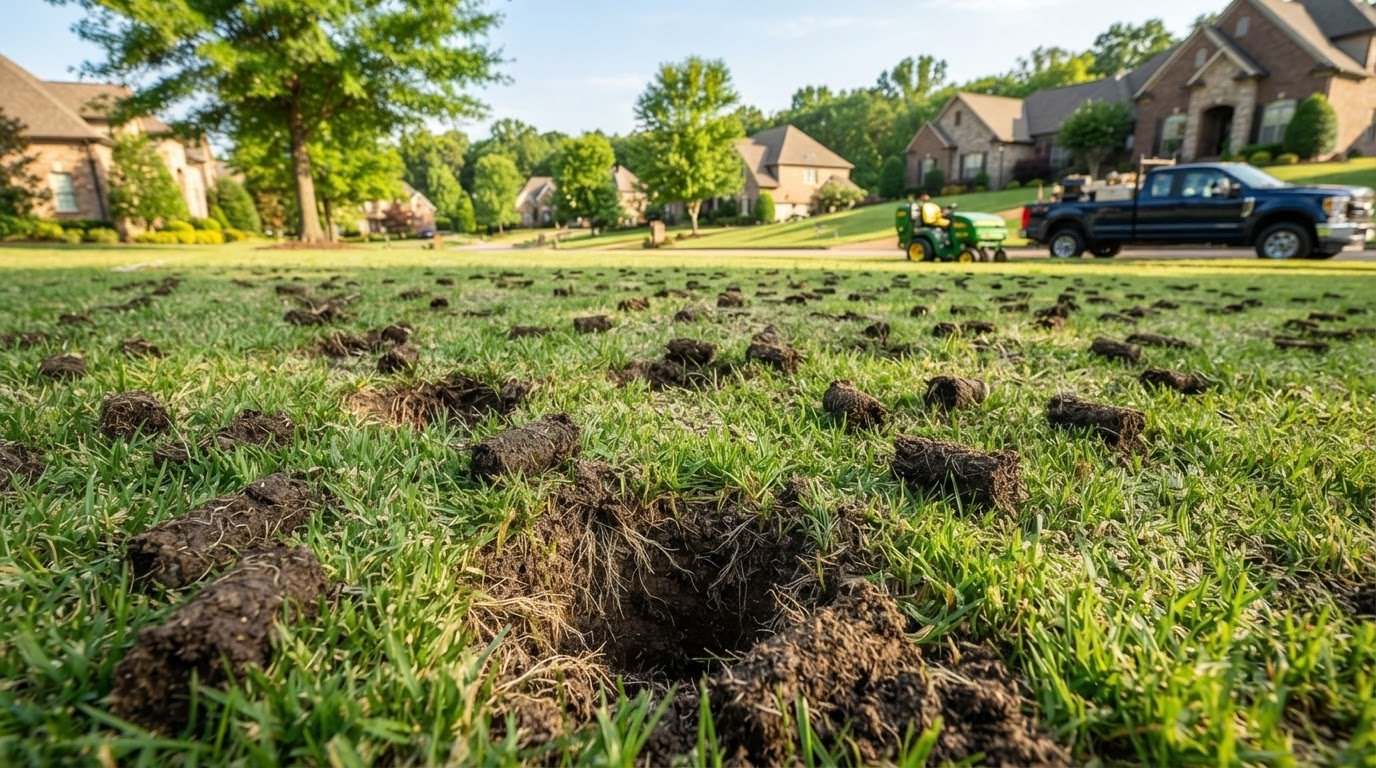
The red clay found throughout Mt. Juliet and Lebanon is notoriously difficult to manage. It consists of tiny particles that pack together tightly, creating a dense surface that compacts under even light foot traffic. This compaction suffocates roots, prevents water penetration, and limits oxygen exchange. When the soil is this tight, your grass cannot develop the deep root systems required to survive a humid Tennessee summer. This is why a core part of our assessment identifies the need for residential aeration and overseeding. By removing small plugs of soil, we break up the compaction and allow the earth to breathe again.
Turf Species Identification
Identifying whether you have a Fescue, Bermuda, or Zoysia lawn is the first step toward effective stewardship. Each species has distinct nutrient requirements and growth habits. For homeowners with Fescue lawns, Bermuda grass encroachment is a common and frustrating reality. It is extremely difficult to eliminate Bermuda completely from a Fescue yard; instead, our management focuses on limiting its spread through specialized timing and care. Knowing your turf type is also critical for professional weed control.
Standard programs help control common lawn weeds, but tougher invasive species like Dallisgrass and Johnsongrass are more challenging to manage and require a separate, targeted treatment approach. If you are unsure why your grass is thinning or browning, reach out to our team for a detailed diagnostic look at your property’s unique needs. We prioritize transparency and honesty, helping you build a healthier, more attractive lawn without overpromising results.
Identifying Common Stressors: Weeds, Disease, and Pests
A thorough lawn health assessment Middle Tennessee specialists perform must address the external pressures that threaten turf vitality. Weeds, diseases, and pests aren't just aesthetic nuisances; they're symptoms of underlying environmental stress. By identifying these stressors early, we move beyond simple maintenance toward a holistic concept of property value and personal pride. Our team looks for the subtle signs of infestation or infection that the untrained eye might miss. This proactive approach ensures your yard remains a source of stewardship and local roots rather than a point of frustration.
Realistic Weed Management
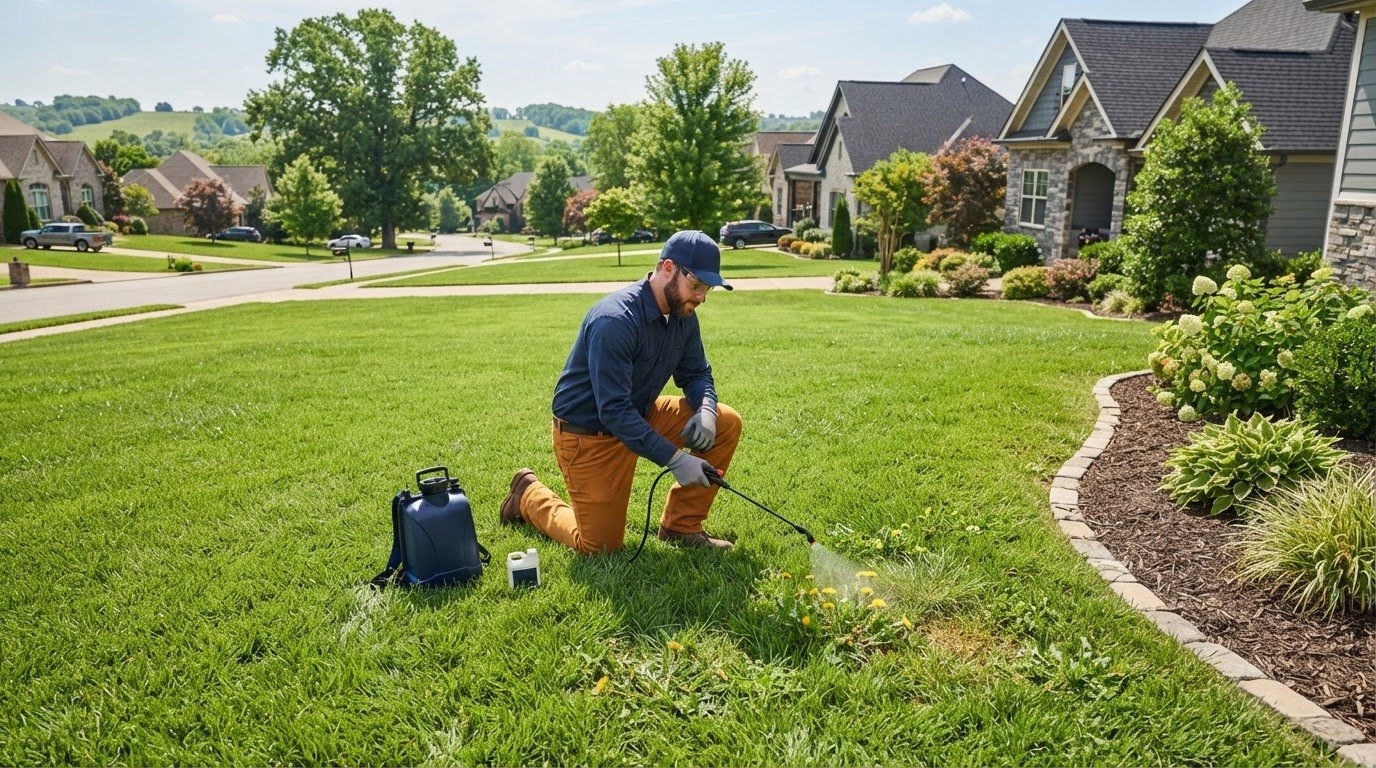
We focus on helping control common lawn weeds and reducing weed pressure through strategic timing and local expertise. Broadleaf weeds like clover or henbit are common, but invasive grassy weeds present a much steeper challenge. Species like Dallisgrass and Johnsongrass are significantly more challenging to manage than standard broadleaf varieties. They often require a separate or targeted treatment approach rather than a standard program. It's important to understand that no treatment can promise a completely weed-free environment. Instead, we work to cultivate a dense, healthy turf canopy that serves as your lawn's best natural defense against invasive growth.
Fungal and Disease Awareness
Tennessee’s humid summers create the perfect environment for fungal pathogens to thrive. We often identify Brown Patch and Dollar Spot in local Fescue lawns during the high-heat months of July and August. While these issues can typically be managed with professional care, other diseases like Pythium are significantly more difficult to manage because they spread with alarming speed. A lawn health assessment Middle Tennessee neighbors trust helps us catch these signs early, providing a realistic roadmap for management. We provide honest guidance on disease management without making unrealistic promises about preventing all lawn diseases or maintaining a disease-free yard.
Pest Presence and Safety
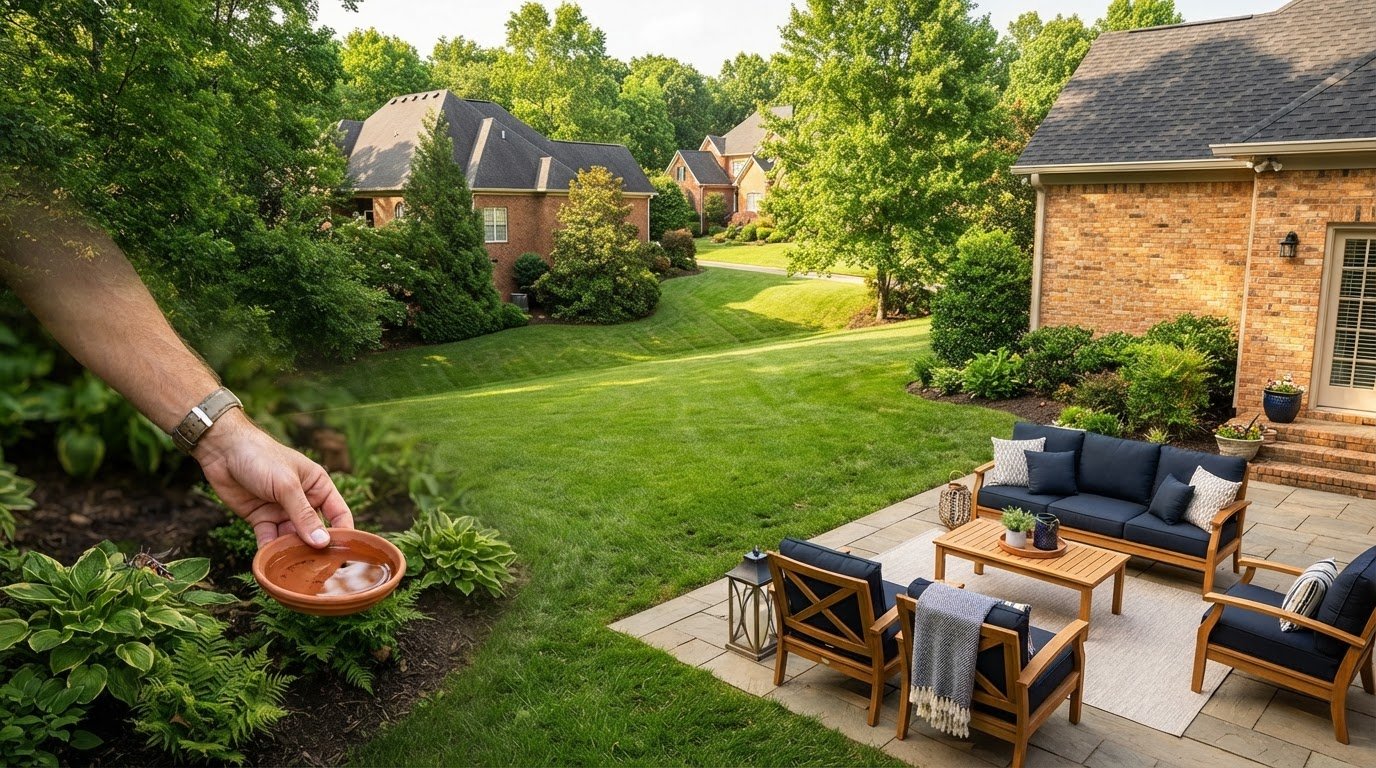
Your yard should be a place of freedom, relaxation, and community-oriented pride. During our assessment, we evaluate the property for mosquito breeding grounds and tick habitats in tall grass or perimeter brush. Managing these populations is essential for creating a safer environment for your family and pets. We naturally integrate lawn pest control into our diagnostic process. This ensures your outdoor living space remains comfortable, allowing you to enjoy the long-term benefits of your investment in your home’s landscape. By addressing these pests, we help you reclaim your property as a sanctuary for your lifestyle.
The Homeowner’s 5-Point DIY Assessment Checklist
Taking an active role in your lawn health assessment Middle Tennessee involves regular observation between professional visits. Stewardship isn't just about hiring a service; it's about understanding the unique needs of your soil and turf. By performing simple checks, you can catch issues like localized drought stress or nutrient deficiencies before they become expensive problems. This proactive mindset protects your investment and ensures your outdoor living space remains a point of personal pride. We believe in empowering our neighbors with the knowledge to act as the first line of defense for their property.
- The Screwdriver Test: Push a six inch flathead screwdriver into the ground. If it meets heavy resistance, your clay soil is likely compacted and needs oxygen.
- Color and Texture Monitoring: Pale green or yellowing blades often signal a lack of nitrogen or a pH imbalance in our limestone heavy earth.
- The Footprint Test: Walk across your grass. If the blades don't spring back and your footprints remain visible, the turf is suffering from drought stress.
- Thatch Inspection: Feel the base of the grass. A spongy, thick layer of debris can block water and nutrients from reaching the roots.
- Weed and Pest Scouting: Look for the early emergence of broadleaf weeds or the rapid spread of invasive grasses like Dallisgrass.
Simple Diagnostic Tools
A simple screwdriver is the most effective tool for gauging soil density in Mt. Juliet and Lebanon. If the metal won't penetrate at least four inches, the roots are likely suffocating in the dense clay. We also recommend taking seasonal photos from the same vantage point. Documenting these changes helps us identify patterns during a professional lawn health assessment Middle Tennessee . These visual records are invaluable for tracking how well we manage unwanted weeds and reduce weed pressure over time. If you see circular brown patches or sudden thinning, it's a warning sign that requires expert analysis.
When to Call a Professional
Recognizing when DIY efforts have reached their limit is a sign of a disciplined homeowner. Applying the wrong liquid lawn fertilization services without a proper diagnosis can lead to turf burn or nutrient runoff. This is especially true in August, which is a critical month for Tennessee lawns. The heat is at its peak, and preparing for fall restoration requires a professional eye to distinguish between manageable brown patch and aggressive Pythium. If your efforts to manage disease or help control common lawn weeds aren't yielding results, it's time for a deeper dive. Schedule your professional diagnostic visit today to ensure your lawn is ready for the upcoming season.
From Assessment to Action: Building Your 2026 Roadmap
Once the diagnostic data is collected, the real work of cultivation begins. A professional lawn health assessment Middle Tennessee homeowners trust isn't a static report; it's a living blueprint for your yard’s success. We translate findings on soil density, nutrient levels, and species composition into a methodical plan that prioritizes the long-term health of your environment. This roadmap removes the burden of complex tasks while delivering high-end results that enhance your property value, personal pride, and local roots. By moving from guesswork to science, Performance Lawns, INC provides a sense of purpose and clarity for every treatment applied to your land.
Customized Treatment Cycles
Our approach rejects the one-size-fits-all model common in the industry. We use specific assessment findings to select the best fertilizer for Tennessee lawns, ensuring the right nutrients reach your soil at the right time. Weed treatments are scheduled to align with local germination cycles, helping to manage unwanted weeds and reduce weed pressure throughout the season. While we help control common lawn weeds, we remain transparent about the challenges of Dallisgrass and Johnsongrass. These invasive species require a separate, targeted treatment approach and cannot be managed with standard programs alone. Consistent monitoring allows us to adjust for shifting 2026 weather patterns, providing a steady and reassuring pace of improvement for your turf.
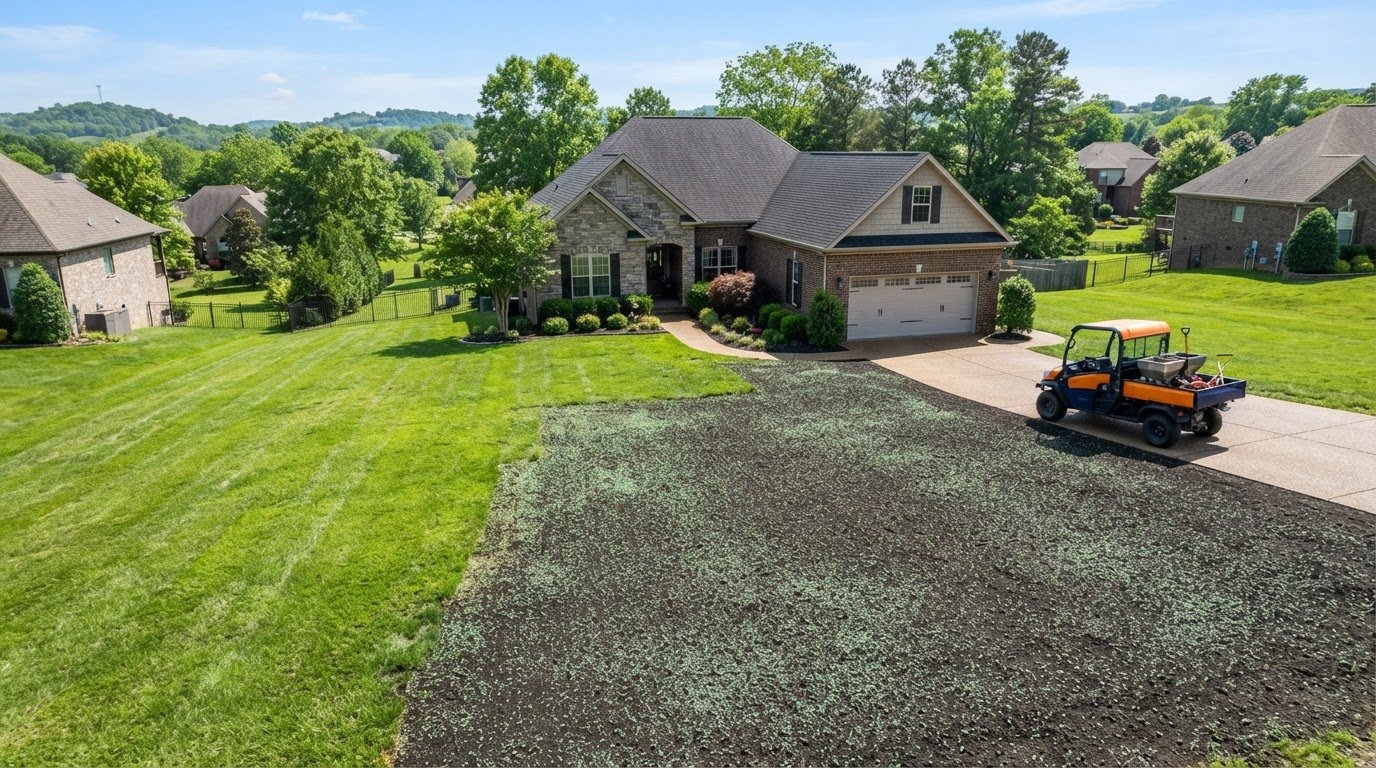
Based on the compaction levels identified in your initial assessment, we determine the optimal timing for residential aeration and overseeding. This process is the backbone of managing Tennessee clay, allowing oxygen and water to reach the root zone. We also integrate residential mosquito, tick, and flea control to create a holistic outdoor experience. This ensures your lawn is not just healthy to look at, but safe and comfortable for your family to enjoy. Managing disease pressure is also part of this cycle; while we help control brown patch, we recognize that Pythium is significantly more difficult to manage and requires rapid, specialized attention.
Long-Term Stewardship
We view our work as a dedicated partnership in your success. Moving beyond fixing immediate problems, our focus shifts toward maintaining excellence, investment, and enduring quality. As a locally owned steward with over 15 years of experience, Performance Lawns, INC takes personal responsibility for the aesthetic health of our community. Every plan is backed by our No-Risk Guarantee, providing the peace of mind you deserve when investing in your home. This commitment to reliability and integrity is what sets a principled expert apart from a generic service provider. Your next step toward a more resilient lawn starts with a professional evaluation. Contacting the Performance Lawns, INC team for your 2026 evaluation is the first move toward a clearer understanding of your lawn's potential.
Cultivating a Resilient Landscape for Your Future
Your property is a reflection of your commitment to your home, your family, and our local community. By moving beyond surface-level symptoms and focusing on the root-cause diagnostics discussed throughout this guide, you can transform a struggling yard into a resilient outdoor space. A professional lawn health assessment Middle Tennessee homeowners rely on is the first step in a journey of stewardship, cultivation, and long-term investment. It provides the clarity needed to manage regional challenges effectively, ensuring your outdoor experience is simplified and improved.
Performance Lawns, INC is a locally owned and operated partner with over 15 years of Middle Tennessee expertise. We provide the technical precision required to manage difficult weeds and reduce disease pressure while offering a No-Risk Guarantee for your peace of mind. Our goal is to remove the burden of complex maintenance tasks so you can enjoy the freedom of a more attractive, healthier landscape. We're here to act as your knowledgeable guide, ensuring your property remains a point of personal pride for years to come.
Schedule Your Professional Lawn Health Assessment Today
Let's work together to build a roadmap that honors your home and our shared environment.
Frequently Asked Questions
What is included in a professional lawn health assessment?
A professional lawn health assessment Middle Tennessee specialists provide includes a deep dive into the biological and structural state of your yard. We examine soil compaction in our local clay, identify dominant grass species, and perform a "Pull Test" to check root vitality. Our team also scouts for early signs of disease like brown patch and evaluates weed pressure. This holistic look ensures we build a roadmap focused on stewardship, cultivation, and long-term property value.
How often should I have my lawn’s health assessed in Middle Tennessee?
You should ideally schedule an assessment once per year to account for our region's shifting growing seasons. Late winter or early spring is the most critical window to prepare for the upcoming year. However, a mid-summer check in August is also beneficial to distinguish between heat stress and aggressive threats like Pythium. Regular monitoring helps us adjust your treatment plan to manage unwanted weeds and maintain the aesthetic health of your property in Mt. Juliet.
Can a health assessment tell me why my grass is dying in the shade?
Yes, an assessment identifies if your grass species is suitable for low-light areas or if soil moisture is the primary culprit. In Lebanon and Gallatin, heavy clay often stays too wet in shaded spots, leading to root rot or fungal issues. We analyze the canopy density and soil drainage to determine why your turf is thinning. While we don't offer tree removal, we can recommend management strategies to help reduce weed pressure in these vulnerable zones.
Is a soil test part of a standard lawn health assessment?
A soil test is a foundational pillar of every comprehensive lawn health assessment Middle Tennessee residents receive from us. Since our local ground is predominantly clay-based and often alkaline, we must verify pH and nutrient levels before applying amendments. This scientific approach prevents the misapplication of products and ensures your investment leads to enduring quality. We use these findings to customize your fertilization cycle, focusing on the specific needs of your yard’s unique soil chemistry.
Why does my lawn have brown spots even though I water it regularly?
Brown spots often indicate issues beyond simple hydration, such as soil compaction or fungal disease. In our humid climate, brown patch and dollar spot are common culprits that can typically be managed with professional care. However, spots that spread rapidly might be Pythium, which is significantly more difficult to manage. An inspection also checks for poor water penetration caused by the dense clay found in Hendersonville, which can suffocate roots even when the surface is wet.
Will an assessment help me understand why I have so many weeds?
An assessment identifies the specific species present and the environmental conditions allowing them to thrive. We look for thin turf canopies or nutrient imbalances that invite invasive growth. Our programs help control common lawn weeds, but we also identify tougher species like Dallisgrass and Johnsongrass. These grassy weeds are more challenging to manage and often require a separate or targeted treatment approach. Understanding these factors allows us to reduce weed pressure through better turf density.
How long does a professional lawn inspection typically take?
A thorough diagnostic inspection typically takes between 30 and 60 minutes depending on the size and complexity of your property. This isn't a rushed five-minute quote; it's a methodical process where we walk the entire yard to analyze drainage, pests, and soil health. Our principled experts take the time to document their findings and explain the "why" behind your lawn’s current state. This transparency builds a foundation of trust for our long-term partnership and shared success.
Can an assessment identify pest problems like grubs or armyworms?
Yes, our diagnostic process includes scouting for active pest populations and the damage patterns they leave behind. We look for signs of grubs in the root zone or armyworm activity on the grass blades. Identifying these pests early allows us to integrate lawn pest control into your custom roadmap. This creates a safer environment for your family and pets in Mt. Juliet while protecting the structural integrity of your turf from hidden subterranean threats.